Newsletters




The United Arab Emirates on Saturday rejected accusations by Iran's top diplomat that American forces used UAE soil to launch strikes against Kharg Island, dismissing the allegations as baseless and symptomatic of a floundering Iranian foreign policy.
Anwar Gargash, diplomatic adviser to UAE President Mohammed bin Zayed Al Nahyan, responded sharply on social media platform X to claims made by Iranian Foreign Minister Abbas Araghchi, who said Washington had fired rockets at Iran's strategic oil hub from two locations inside the Emirates.
Gargash called the accusation "wrong and baseless," describing it as "part of a stumbling policy that has mislabeled the issue, lost its compass and lacks wisdom."

While flatly denying the territorial allegations, Gargash emphasized that the UAE retains the legitimate right to self-defense in the face of Iranian retaliatory strikes that have hit the country since the conflict erupted late last month. He said, however, that Abu Dhabi has chosen to maintain restraint and is actively working to de-escalate regional tensions.
Gargash also underscored the UAE's behind-the-scenes diplomatic role, stating that the country had pursued mediation between Washington and Tehran "until the very last moment" in an effort to avert war.
The UAE has been subjected to a sustained aerial campaign by Iran since the broader conflict began on February 28. Emirati air defenses have intercepted 294 ballistic missiles, 15 cruise missiles and 1,600 drones over the course of the two-week offensive, according to figures released by the UAE Ministry of Defense. Gargash placed the total number of Iranian attacks targeting the UAE at 1,909.
The diplomatic clash followed Araghchi's appearance on the US-based MSNOW television network, where the Iranian foreign minister said Tehran had monitored the Kharg Island strike in real time. He claimed it was now a matter of "undeniable clarity" that the United States had used neighboring countries' territory as a launchpad.
Araghchi said Iran had tracked the trajectories of the rockets and determined that one was fired from Ras al-Khaimah and another from a position very close to Dubai, both within UAE borders. He described the situation as "dangerous."
Emirati authorities have repeatedly insisted that the UAE has not allowed its territory, territorial waters or airspace to be used for attacks on Iran, and say the country remains outside the conflict even as its cities and infrastructure have been targeted.
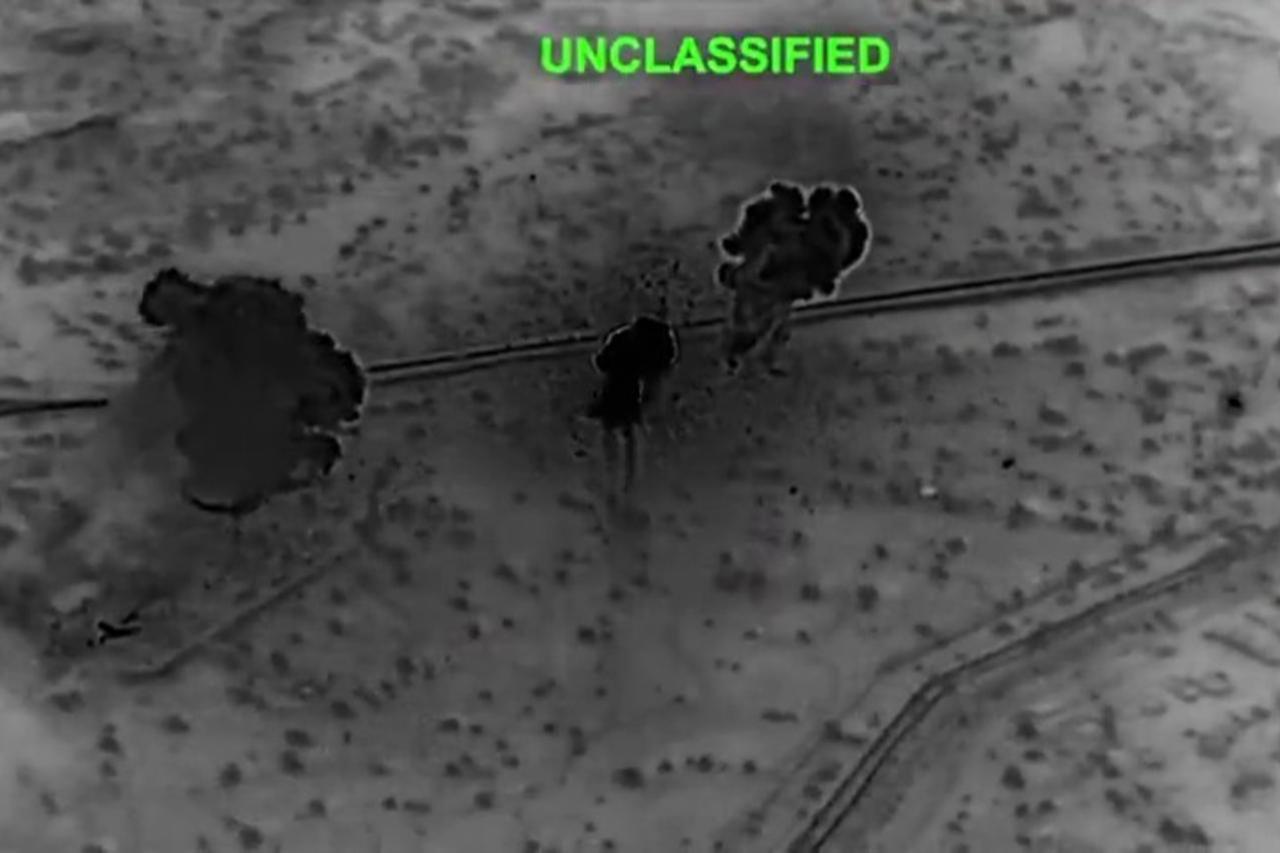
The exchange comes in the wake of the US military's large-scale bombing of Kharg Island on Friday night, an operation President Donald Trump announced on Truth Social. US Central Command said the strikes destroyed naval mine storage facilities, missile storage bunkers and more than 90 military targets on the island while preserving its oil infrastructure.
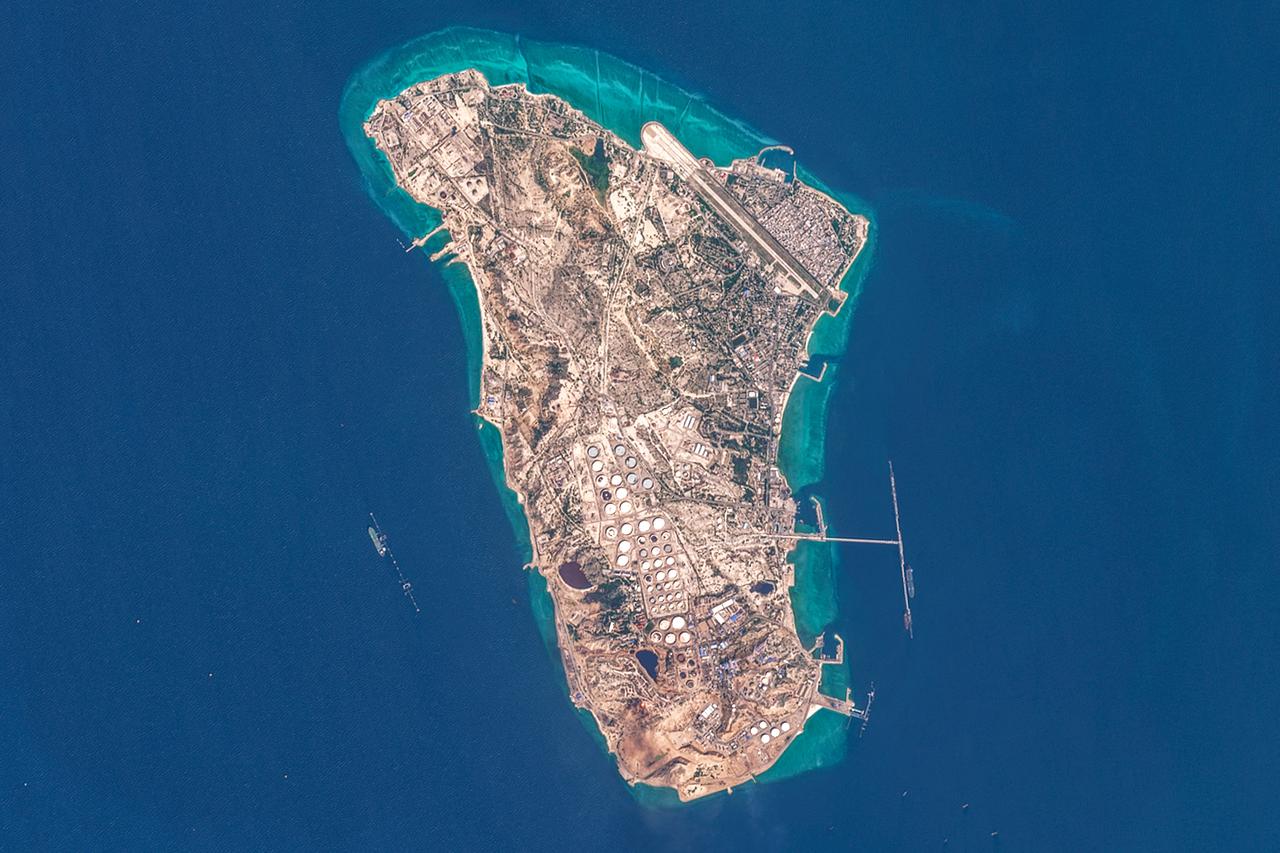
Kharg Island, a small coral formation roughly 15 miles off Iran's southwestern coast in the Persian Gulf, punches far above its geographic weight. The terminal handles approximately 90 percent of Iran's crude oil exports, with shipments flowing primarily to China and India, making it one of the most economically significant pieces of infrastructure in the Middle East.
Trump warned that while oil facilities were deliberately spared, any Iranian interference with shipping through the Strait of Hormuz could change that calculus.
In an earlier post, Gargash had accused Iran of targeting Gulf civilian infrastructure rather than US military bases, saying "the numbers of missiles and drones reveal a different truth." He characterized Iran's strategy of striking Arab Gulf states instead of confronting US and Israeli forces directly as evidence of "military incapacity, moral bankruptcy and political isolation."
Iran's official judiciary news agency, Mizan, had previously claimed without evidence that US forces are located in the civilian ports of Jebel Ali, Khalifa and Fujairah in the UAE, urging residents near those facilities to evacuate, a move that further heightened tensions between the two countries.
The war, which has drawn in the US, Israel, Iran and multiple Gulf states, has displaced millions across the region and sent global oil prices surging above $100 a barrel, with the Strait of Hormuz, through which roughly one-fifth of the world's oil supply passes, at the center of the crisis.


 Set as preferred source
 Set as preferred source


 1 min read

 1 min read