Newsletters


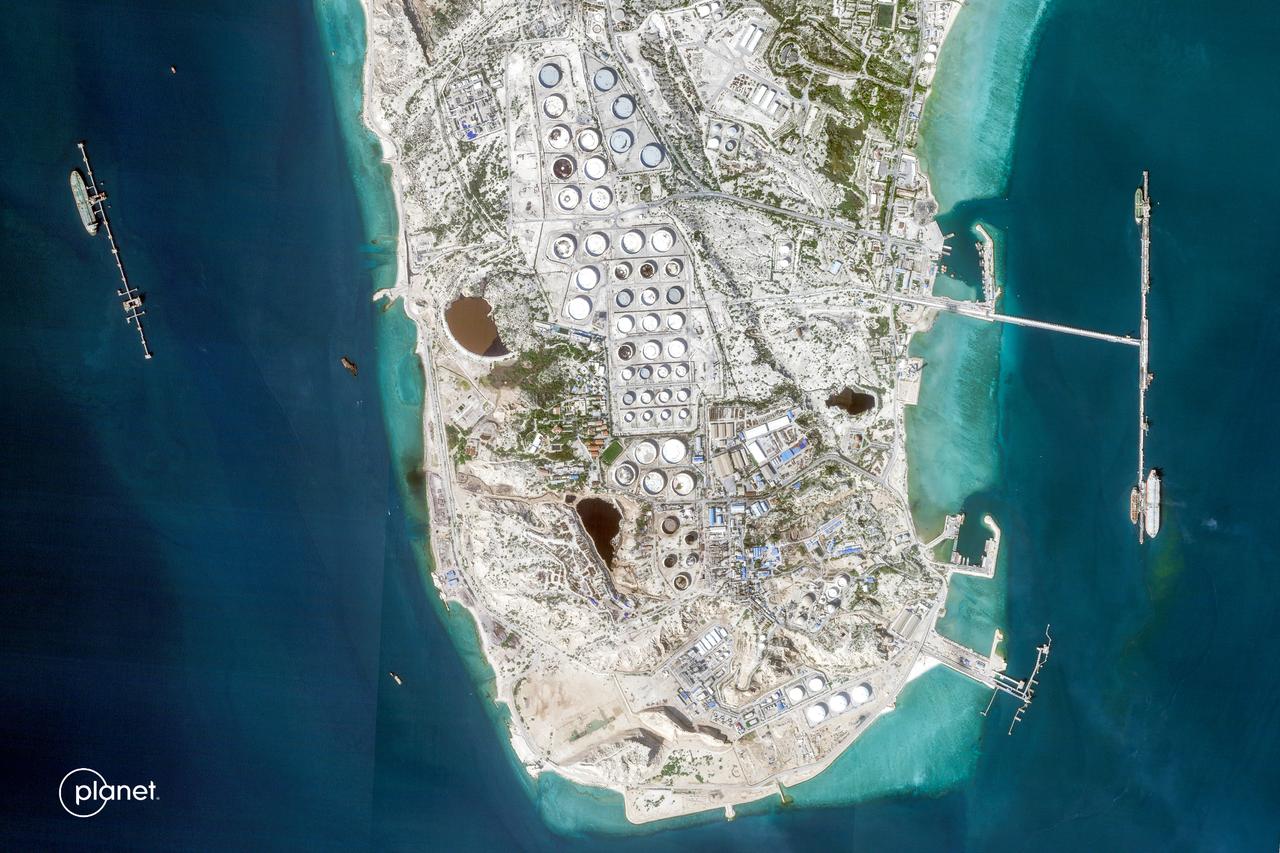


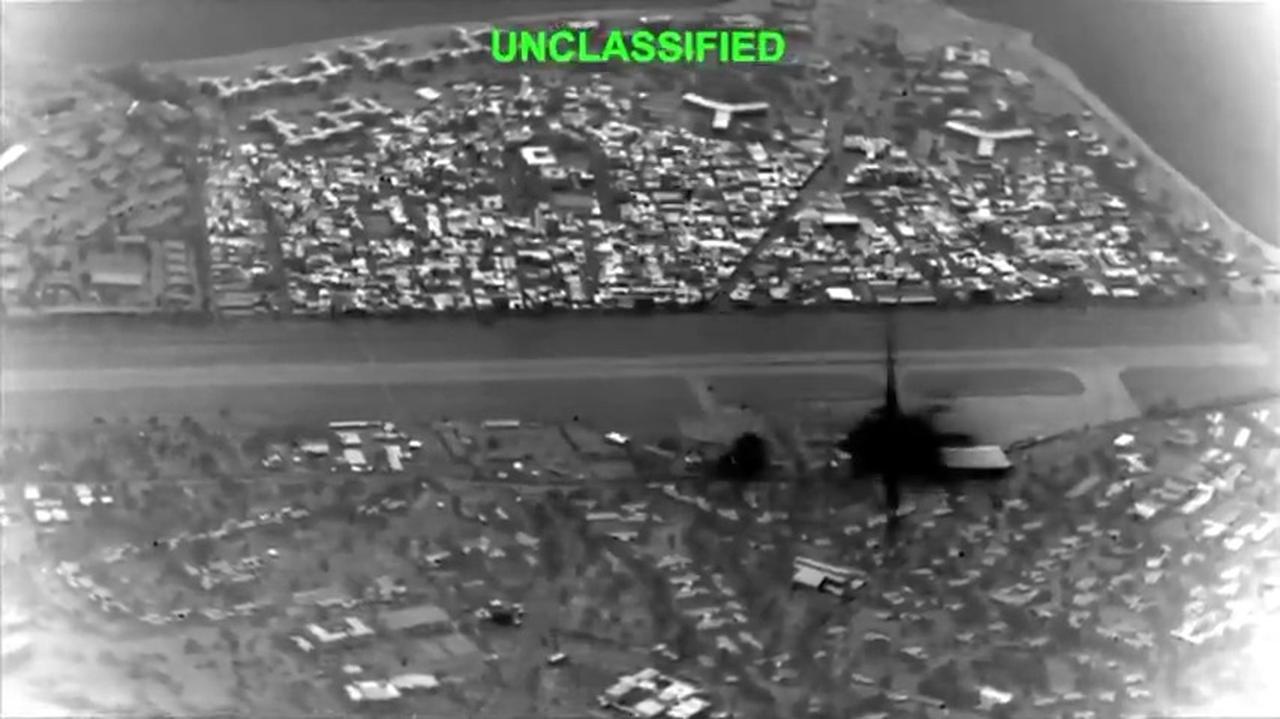
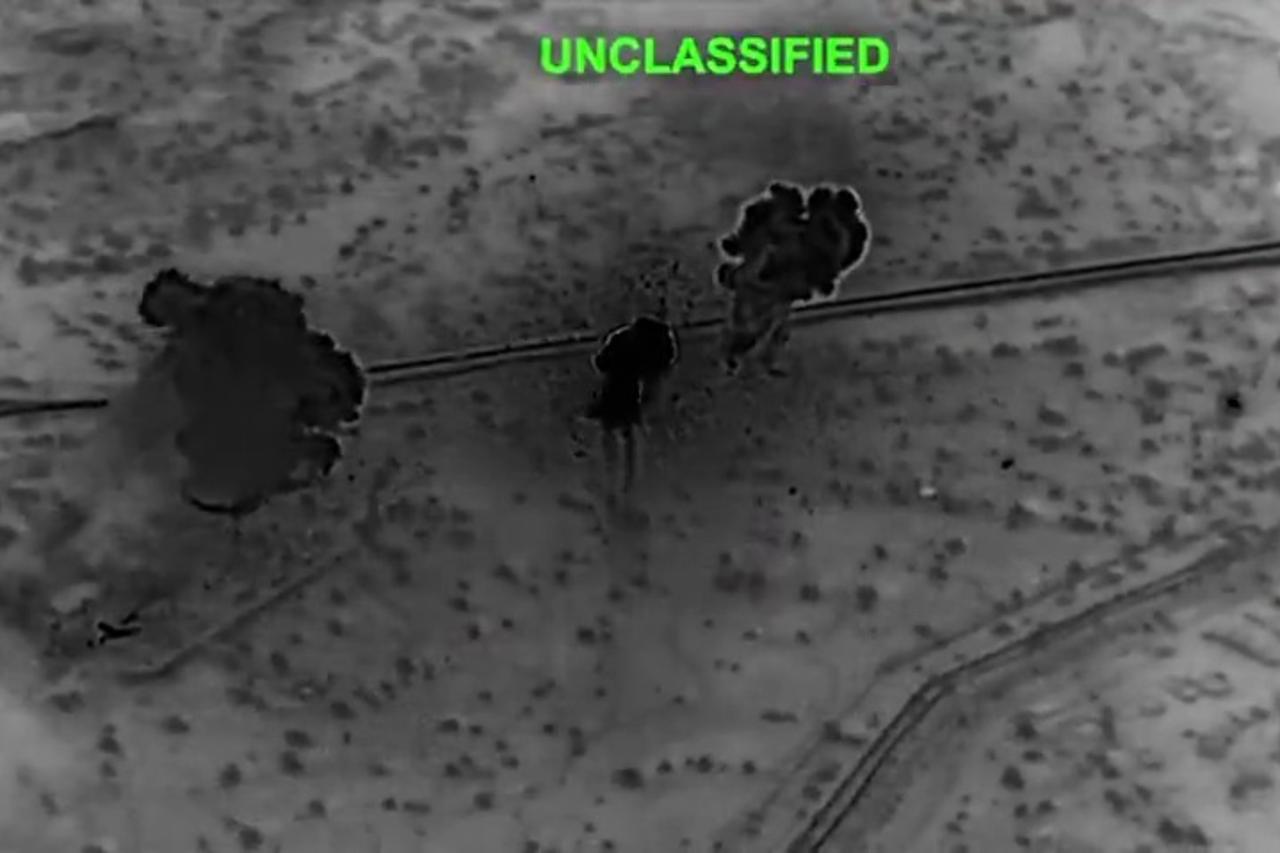
U.S. forces struck military infrastructure on Iran's Kharg Island, targeting missile and mine storage sites used to block international shipping in the Strait of Hormuz, while deliberately avoiding the island's oil facilities, though U.S. President Donald Trump has threatened to strike those too if Iran continues disrupting maritime traffic.
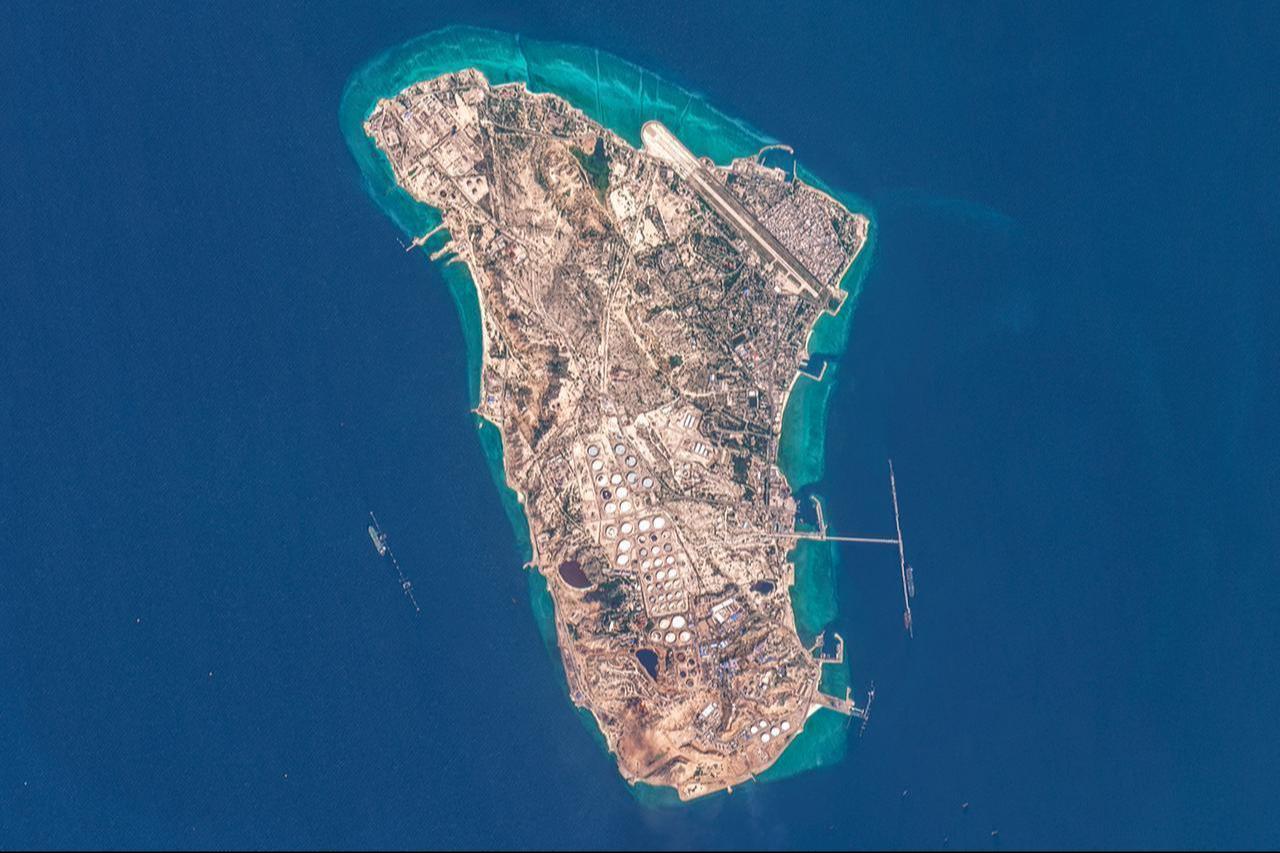

A U.S. military official cited by CNBC stated that the strikes targeted storage sites for missiles and mines on Kharg Island, as well as security infrastructure that supports oil operations and Iranian military force projection on the island.
The airstrikes avoided oil infrastructure, according to U.S. officials and Iranian state media.
A U.S. official said the strikes are likely to take out some real threats but also carry a symbolic message to Iran that the U.S. can target its oil if it chooses.
U.S. Central Command said it would release more information on the strikes soon.
A senior official speaking to The New York Times from Iran's Oil Ministry, who asked not to be named because he was discussing sensitive issues, said the attacks had been enormous and destructive and that employees of the oil refineries reported nearly two hours of nonstop explosions that shook the island like an earthquake.
Trump wrote on Truth Social: "Moments ago, at my direction, the United States Central Command executed one of the most powerful bombing raids in the history of the Middle East and totally obliterated every military target in Iran's crown jewel, Kharg Island."
He added that he chose not to target oil infrastructure "for reasons of decency" but warned: "Should Iran, or anyone else, do anything to interfere with the free and safe passage of ships through the Strait of Hormuz, I will immediately reconsider this decision."
Only 24 hours earlier, Trump had told Fox News Radio that Kharg Island was "not high on the list," adding, "Who would ask a question like that and what fool would answer it? Let's say I was gonna do it or let's say I wasn't gonna do it, why would I tell you?"
Kharg Island is a coral outcrop about one-third the size of Manhattan, located roughly 25 kilometers off Iran's coast in the Persian Gulf.
Known among Iranians as the "Forbidden Island" due to tight military controls, the island handles approximately 90% of Iran's crude oil exports. Its long jetties extend into waters deep enough to accommodate oil supertankers, unlike the shallower depths along the rest of Iran's Persian Gulf coastline.
Iran has exported 1.7 million barrels per day of crude so far this year, of which 1.55 million barrels per day were shipped via Kharg, according to Kpler data.
Before the war, Iran had ramped up exports to about 2.17 million barrels per day in February, with a record 3.79 million barrels per day shipped in the week of Feb. 16. Kharg has a storage capacity of roughly 30 million barrels and held about 18 million barrels of crude as of early March, according to a JP Morgan report citing Kpler data.
Three main energy infrastructure sites operate on the island, including Falat Iran Oil Company, described as the country's largest. Iran is the third-largest OPEC producer, pumping about 4.5% of global oil supplies, with output of about 3.3 million barrels per day of crude plus 1.3 million barrels per day of condensate and other liquids.
A CIA document from 1984 described Kharg's facilities as "the most vital in Iran's oil system, and their continued operation is essential to Iran's economic well-being."
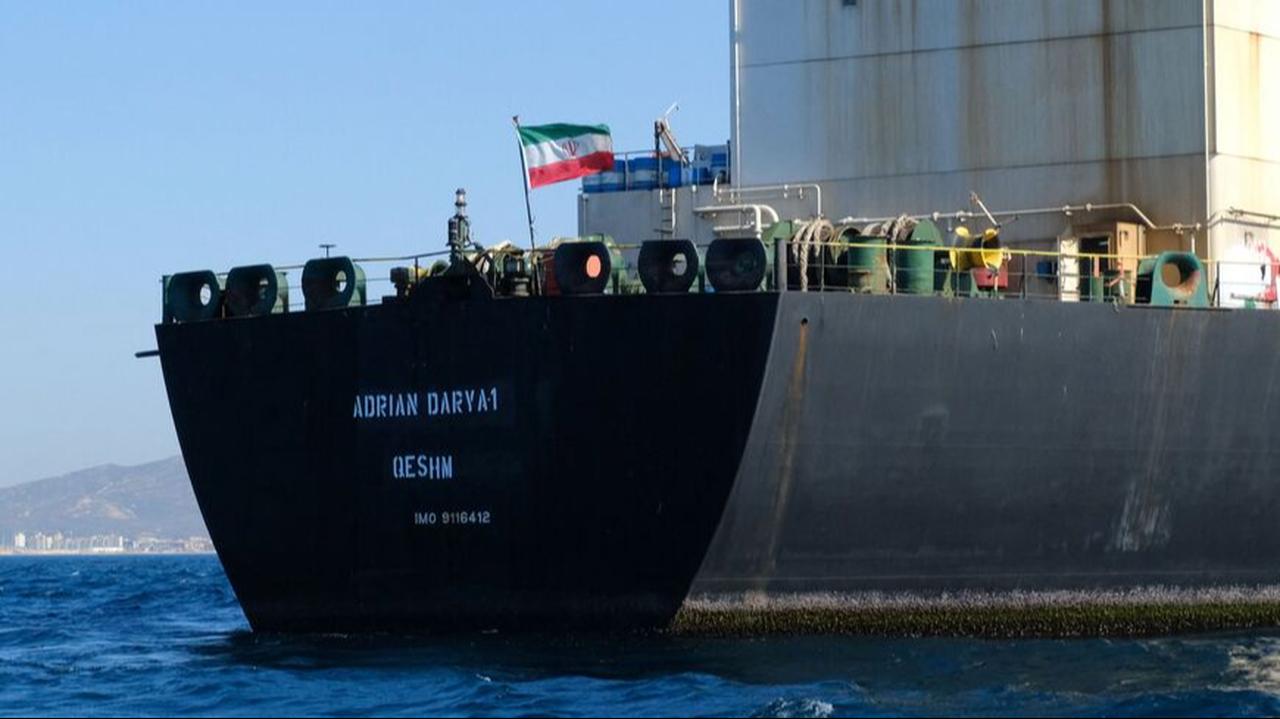
China has been the primary recipient of Iranian oil exports, buying through a shadow fleet of tankers that evade Western sanctions on Iranian oil.
Iranian oil accounts for 11.6% of China's seaborne imports so far this year, according to Kpler, and is mostly bought by independent refiners attracted by discounted prices due to U.S. sanctions.
Oil exports to China represented about 6% of Iran's economy and were equal to roughly half of the country's total government spending. Iran provided about 13% of China's oil imports.
China has been taking measures, including banning refined fuel exports, to preserve supplies amid Middle East disruption. Multiple very large crude oil tankers were loading at Kharg, according to satellite imagery reviewed by TankerTrackers.com.
Iran's armed forces said Saturday that any attack on Iran's oil and energy infrastructure will lead to attacks on energy infrastructure owned by oil companies cooperating with the U.S. in the region, according to Iranian media.
The announcement, reported by Iran's Fars and Tasnim news agencies, was made in "response to statements" by Trump.
Iran has all but shut shipping through the Strait of Hormuz, through which 20% of global oil flows.
The last time Kharg Island came under significant attack was during the Iran-Iraq War in the 1980s, when the Iraqi military conducted heavy bombing raids on its oil infrastructure. Iran was able to rebuild those facilities.
Earlier, it was reported that more U.S. Marines and warships are expected to be deployed to the Middle East, including forces from an amphibious ready group headed by the Japan-based USS Tripoli.


 Set as preferred source
 Set as preferred source


 1 min read

 1 min read