Newsletters


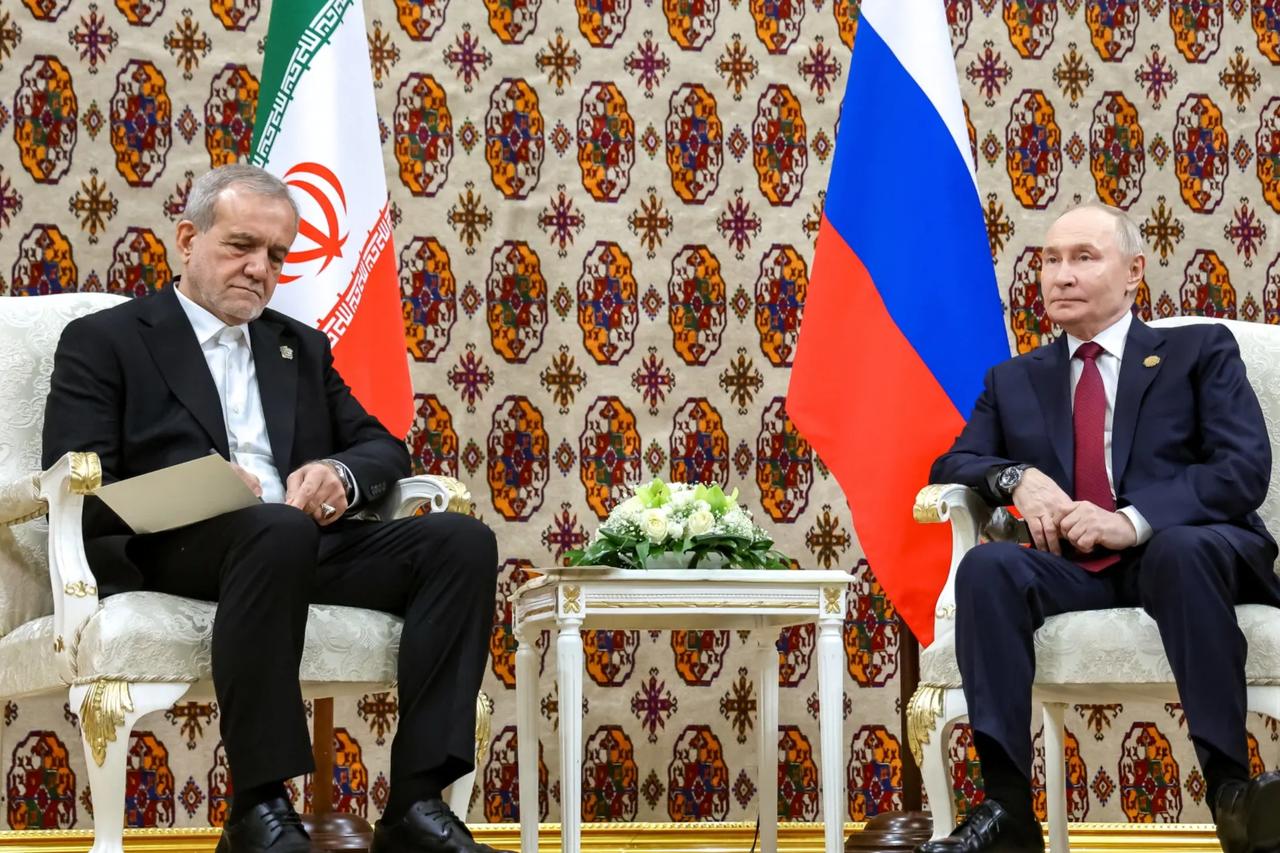


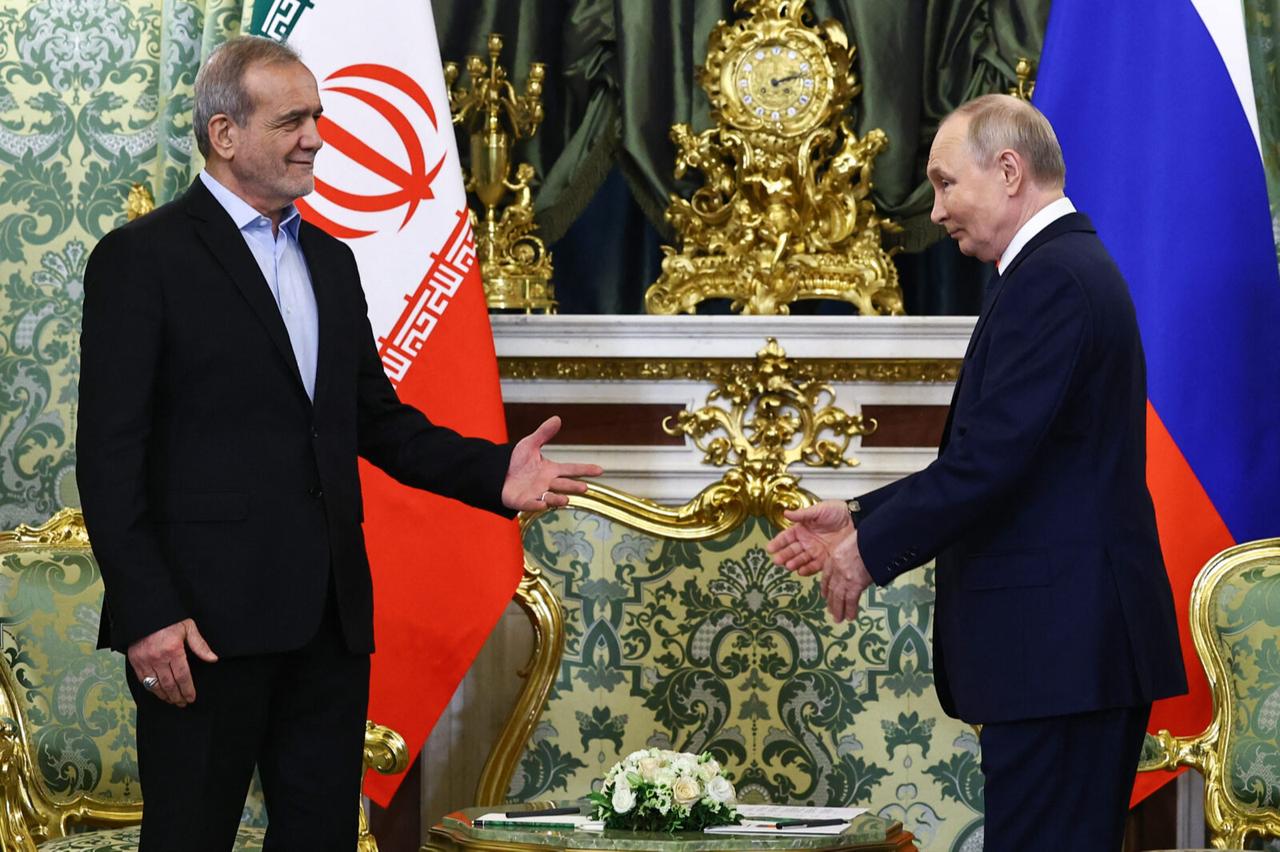
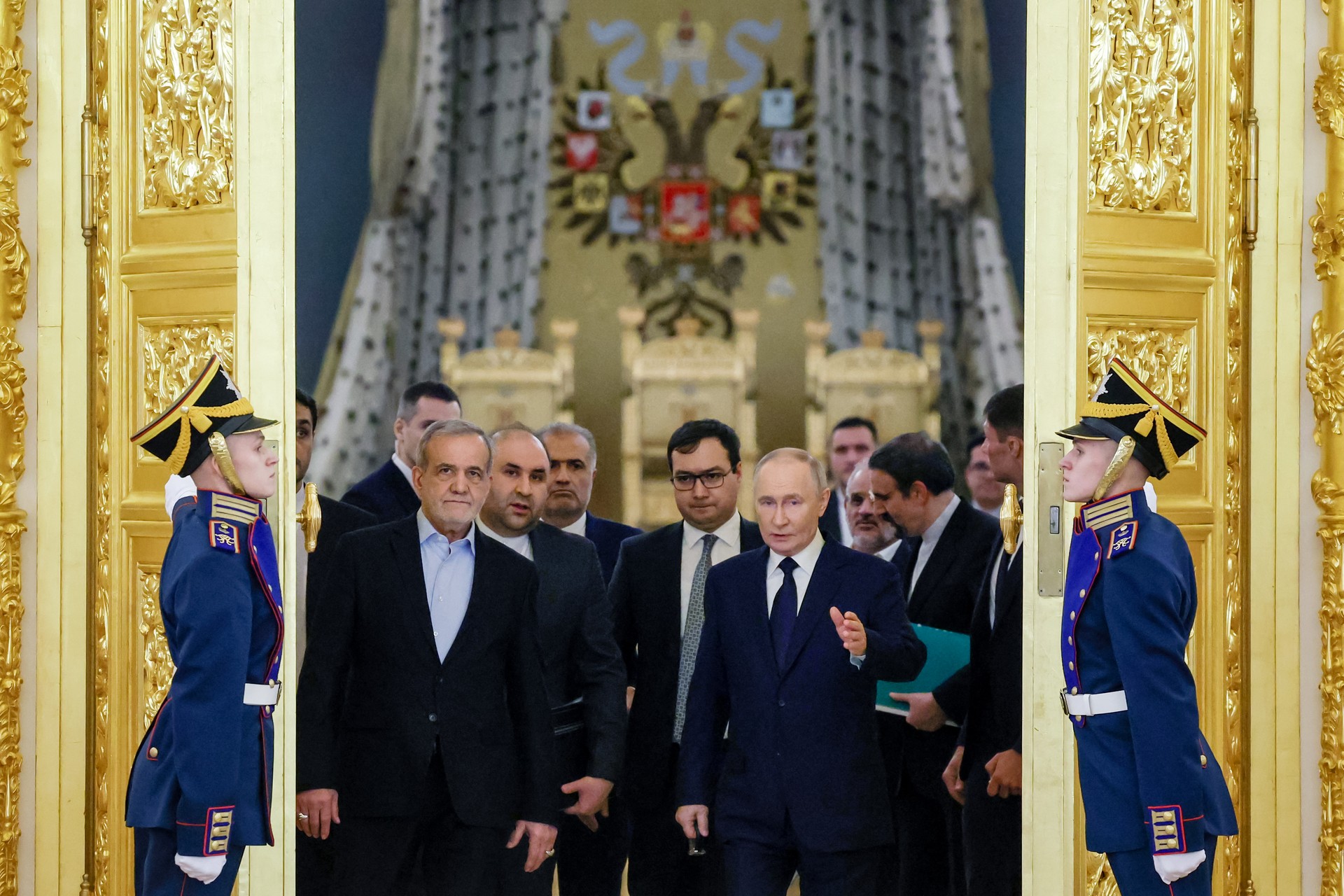
Iranian President Masoud Pezeshkian is scheduled to meet Russian President Vladimir Putin while attending the Shanghai Cooperation Organization (SCO) summit next week in Kyrgyzstan, Iranian state media reported.
Iran’s ambassador to Russia, Kazem Jalali, said Pezeshkian “will attend the Shanghai Cooperation Organization summit in Kyrgyzstan, where he will have his sixth meeting” with Putin, the official IRNA news agency reported Wednesday.
The summit will take place Tuesday in Bishkek.
The planned meeting comes as Iran remains at war with the United States nearly six months after hostilities began on Feb. 28.

The meeting also comes as Iran and Oman are negotiating the opening of a temporary shipping corridor and the clearance of mines in the blockaded Strait of Hormuz, which both countries border.
The two sides have yet to agree on the conditions for reopening the waterway, though talks are ongoing.
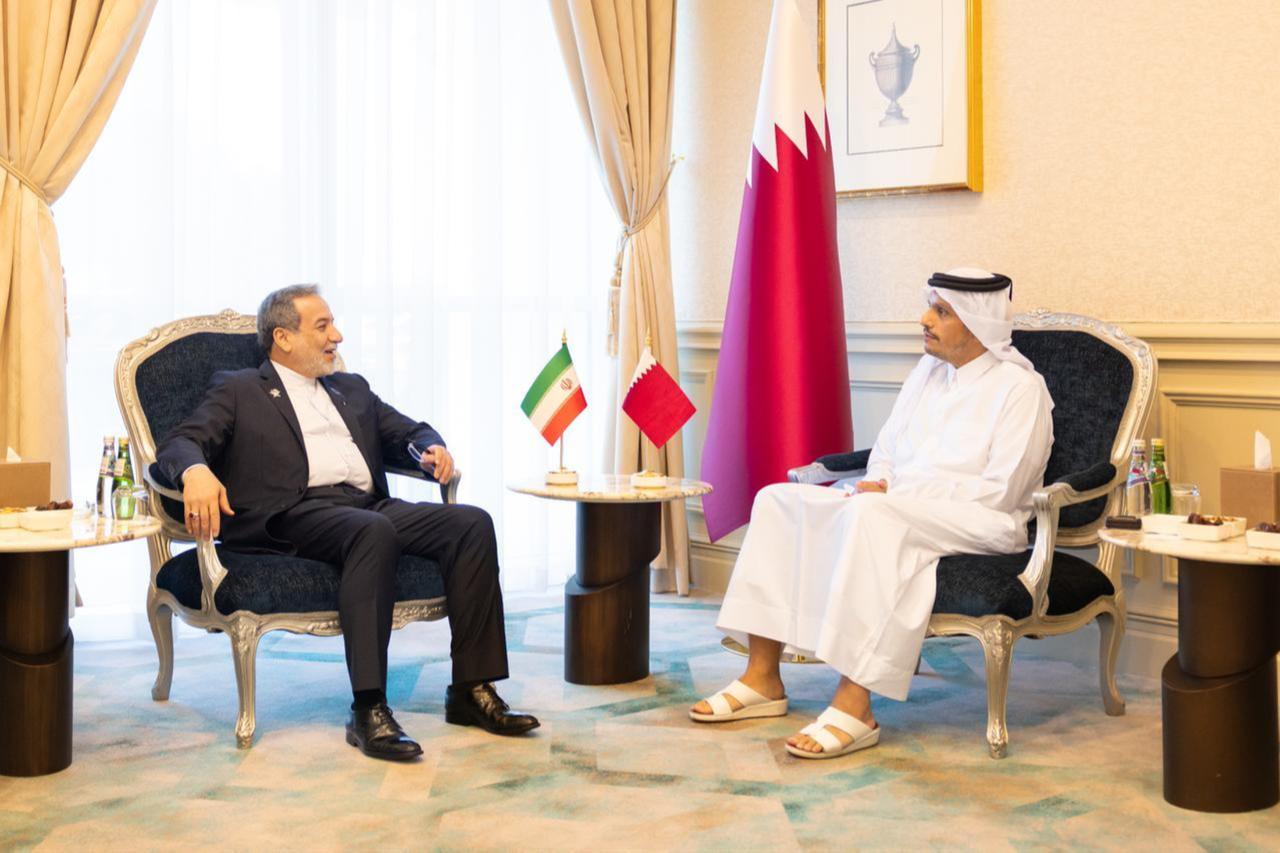
In Tehran on Tuesday, Iranian and Omani foreign ministers discussed a framework agreement that would establish a “temporary corridor” for shipping and a project to clear mines in the strait, according to a joint statement.
Omani Foreign Minister Badr Albusaidi said on X after the talks that he hoped the new corridor and “practical arrangements to restore safe navigation” would be announced “soon.”
He added that “future management of the strait and a permanent solution will follow in due course.”
Iranian Deputy Foreign Minister Kazem Gharibabadi told local media that the proposed arrangement would see ships entering the Gulf pass through Iranian waters, while vessels leaving would use Omani waters and then Iranian waters.
He said that if the plan with Oman is agreed, the two countries would have 30 to 60 days to develop a permanent route.
Gharibabadi added that Iran’s Revolutionary Guards were involved in the talks and that the maps under discussion were drawn up by the armed forces.
The Guards said Wednesday that they had agreed in negotiations with Oman to share revenues earned from any fees imposed in the strait, an idea rejected by Washington.
Iran has been unable to import enough petrol to make up for insufficient domestic production because of a U.S. naval blockade, a senior Iranian official said.
“Petrol production is insufficient, and because of the U.S. naval blockade, we cannot import it,” the official IRNA news agency quoted Vice President Mohammad Jafar Ghaempanah as saying Wednesday.
The remarks came as Iranians have queued outside petrol stations in recent days, with the war with the United States increasingly shifting toward economic pressure on Tehran.
On Monday, Iranian President Masoud Pezeshkian’s chief of staff, Mohsen Haji-Mirzaei, said petrol quotas would be reviewed, without elaborating.
The war between Iran and the United States began Feb. 28.
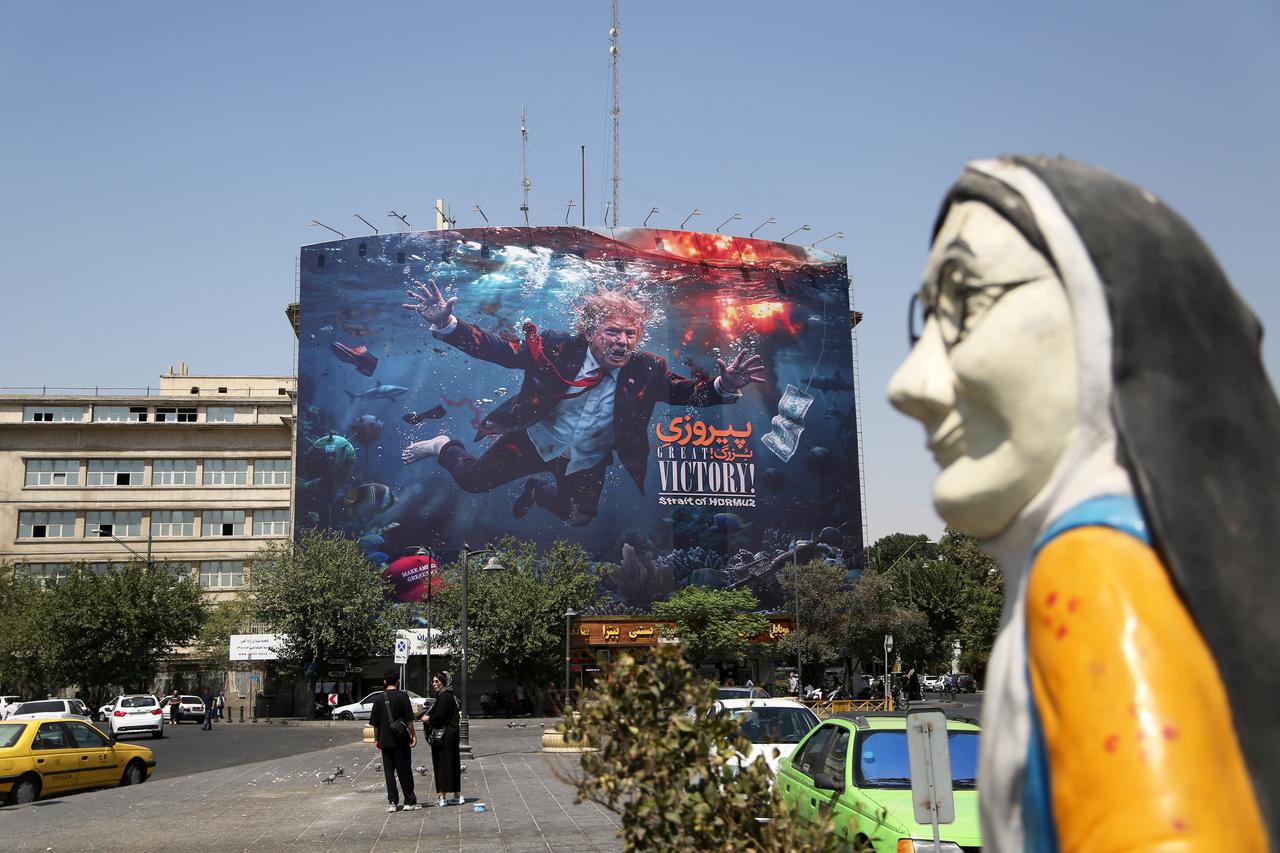
Tehran has since seized control of the strategic Strait of Hormuz, while Washington has imposed a naval counter-blockade on Iranian ports.
In mid-June, Iran and the United States, with Pakistani and Qatari mediation, signed a 14-point memorandum of understanding in Islamabad.
The memorandum included provisions for ending hostilities, reopening the strait, lifting the U.S. naval blockade and beginning a 60-day negotiation process.
Tehran has accused Washington of failing to implement key provisions of the memorandum, insisting that the strait will not fully reopen until the United States fulfills its commitments.


 Set as preferred source
 Set as preferred source


 1 min read
 1 min read