Newsletters


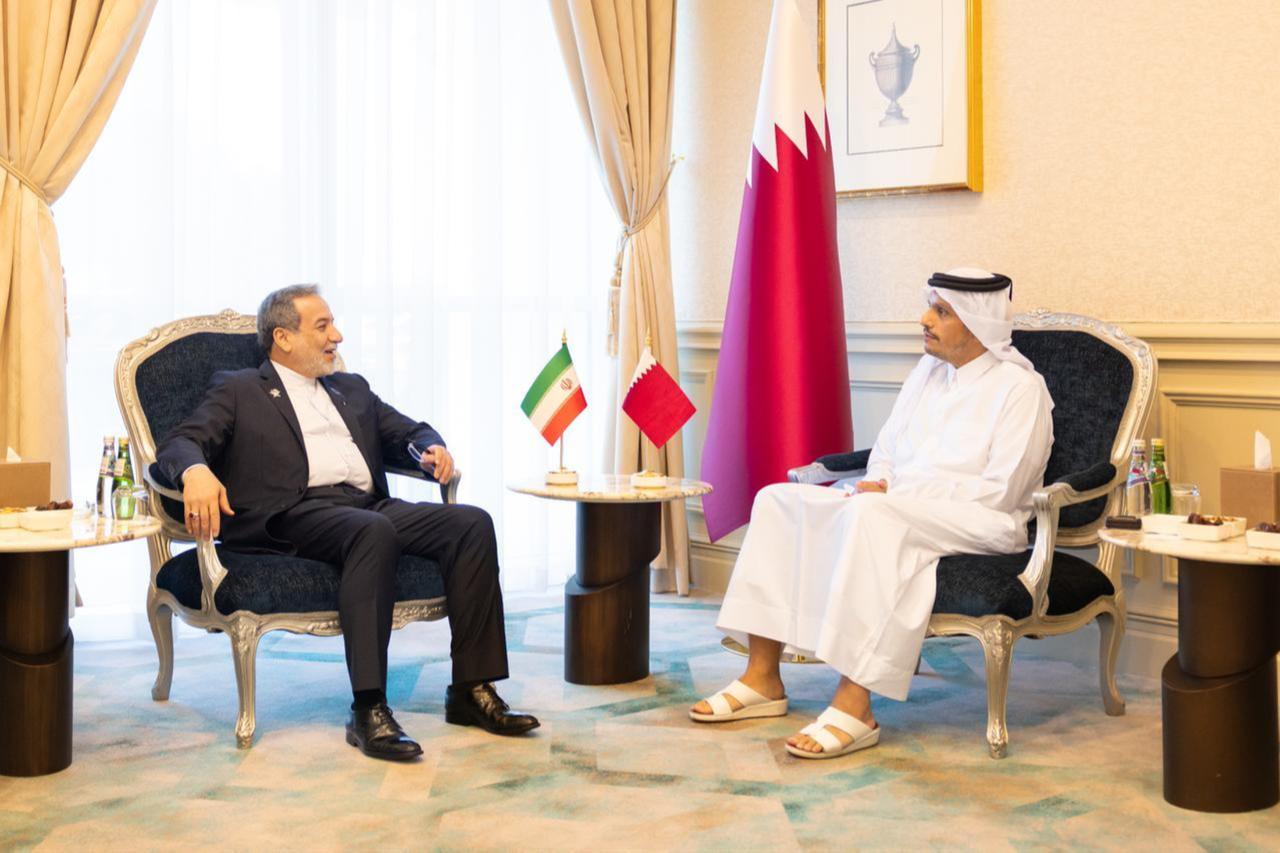


Qatari Prime Minister and Foreign Minister Sheikh Mohammed bin Abdulrahman bin Jassim Al Thani is set to visit Tehran on Thursday for talks on easing regional tensions and restoring freedom of navigation in the Strait of Hormuz.
The talks come as Iran and Oman intensify their efforts to establish a temporary transit route through the Strait of Hormuz, while a report says U.S. allies remain doubtful that the waterway has been fully cleared of mines.
Qatar’s Foreign Ministry spokesman Majed Al Ansari wrote on X that Sheikh Mohammed will meet Iranian officials to discuss ways to de-escalate tensions and create conditions for dialogue. The discussions will also cover freedom of navigation and the need to restore the strait to the status quo that existed before Feb. 28.
The visit marks Sheikh Mohammed’s first trip to Iran since the war between Washington and Tehran began with U.S. and Israeli strikes on Iran in late February.
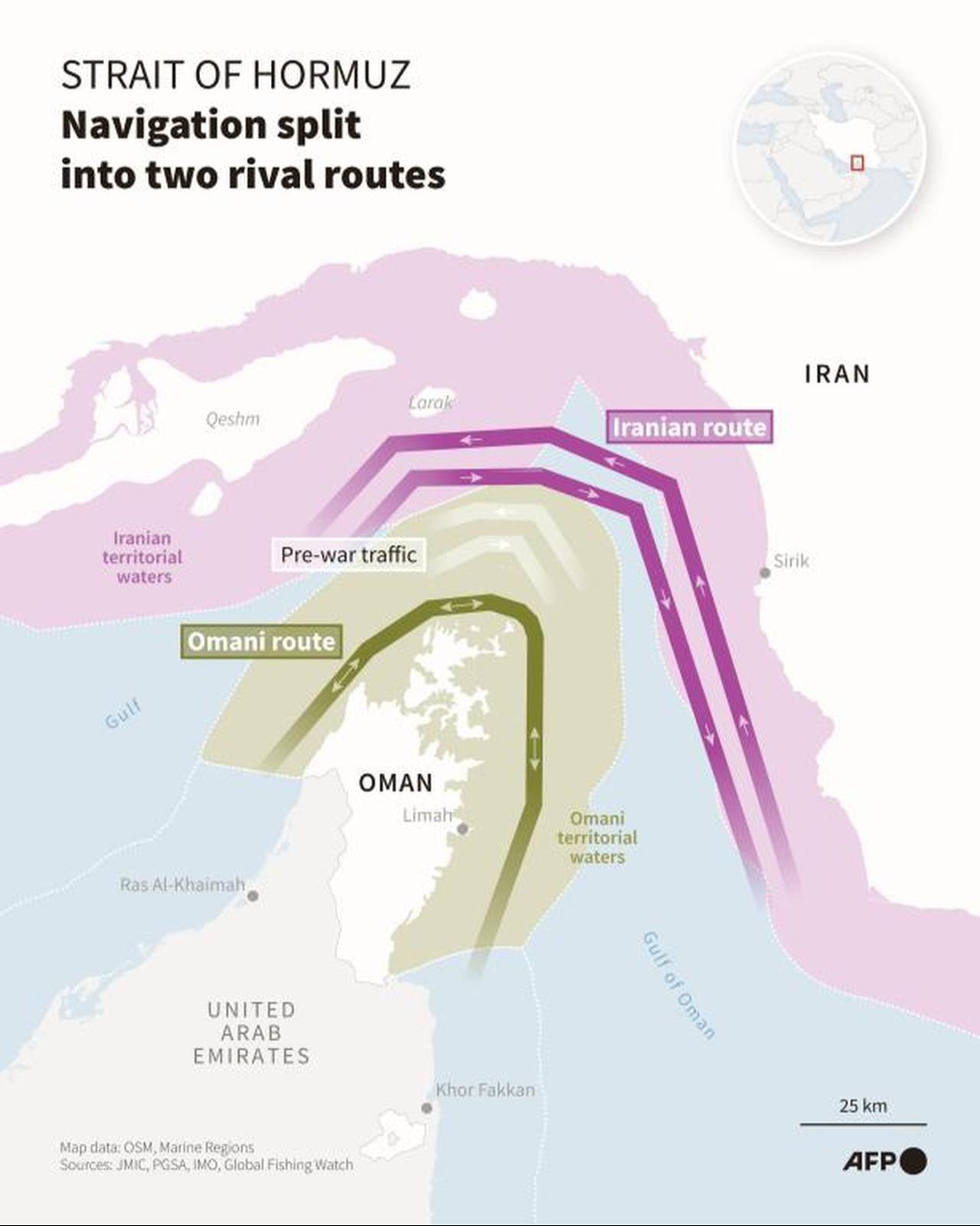
Iranian Deputy Foreign Minister Kazem Gharibabadi said Tuesday that Tehran had agreed with Oman to establish a 7-mile-wide transit route through the strait, while emphasizing that the arrangement does not amount to reopening the strategic waterway.
The route runs through Iranian territorial waters on entry, with part of the exit passage also passing through Iranian waters.
Gharibabadi described the arrangement as temporary and said Iran and Oman are expected to hold further negotiations for 30 to 60 days to determine a permanent route and future arrangements for managing passage.
He also added that activating the route agreed with Oman would mean closing the southern passage, with technical negotiations set to begin on an alternative to the historical route.
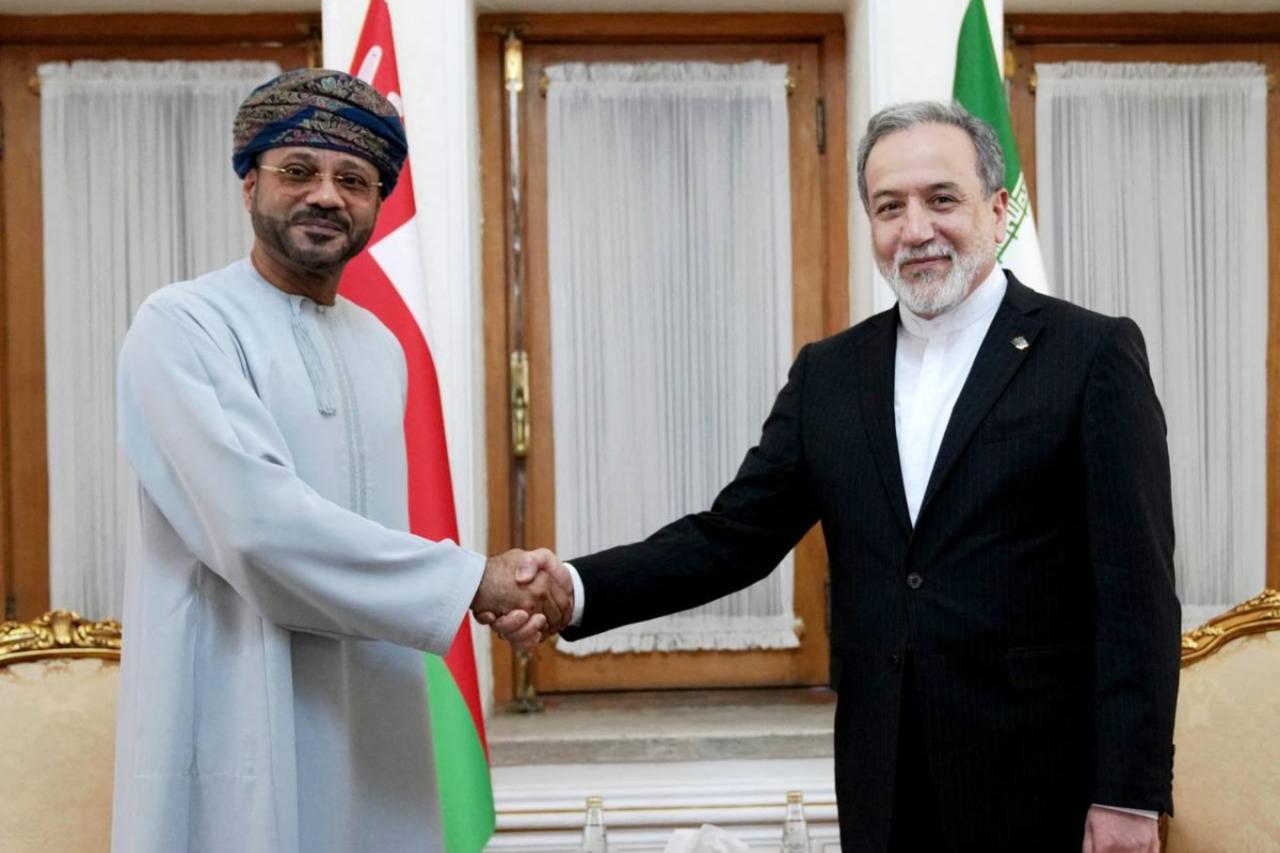
Iranian Foreign Minister Abbas Araghchi also held separate phone calls with Pakistan’s Army Chief Field Marshal Asim Munir and Al Thani.
Qatar’s Foreign Ministry stated that the two ministers discussed the latest regional developments, particularly talks between Oman and Iran over the temporary joint shipping corridor and a project to clear mines from the waterway.
Al Thani stressed Qatar’s "full support for diplomatic efforts" aimed at securing freedom of maritime navigation and reaching a comprehensive agreement that would achieve sustainable peace in the region.

The diplomatic push is taking place alongside concerns over the safety of the waterway.
Bloomberg reported on Wednesday that U.S. allies are privately warning that the Strait of Hormuz is still likely mined, casting doubt on President Donald Trump’s claim that the U.S. Navy has completely removed and detonated explosives laid by Iran.
The allies believe the United States has likely made some progress clearing mines in international waters but assess that demining efforts have not removed all of the estimated 80 to 150 mines laid by Iran.
Officials believe the demining operation has also become more difficult because mines may have drifted from their original positions due to sea currents, including mines that had been identified and laid in clusters.
The assessment challenges Trump’s repeated statements that the strait has been cleared. On Wednesday, he called Hormuz "a very functioning strait" and again maintained that no mines remained.
"The mines are gone. You probably saw that—we put it out yesterday—all the mines, we got rid of the mines," he said.
The framework reached between Iran and Oman also includes a project to clear mines from the waterway. Gharibabadi noted that only Iran knows where mines in Hormuz are located and warned that U.S. demining vessels would be "excellent targets" for Iranian armed forces.


 Set as preferred source
 Set as preferred source


 1 min read
 1 min read