Newsletters


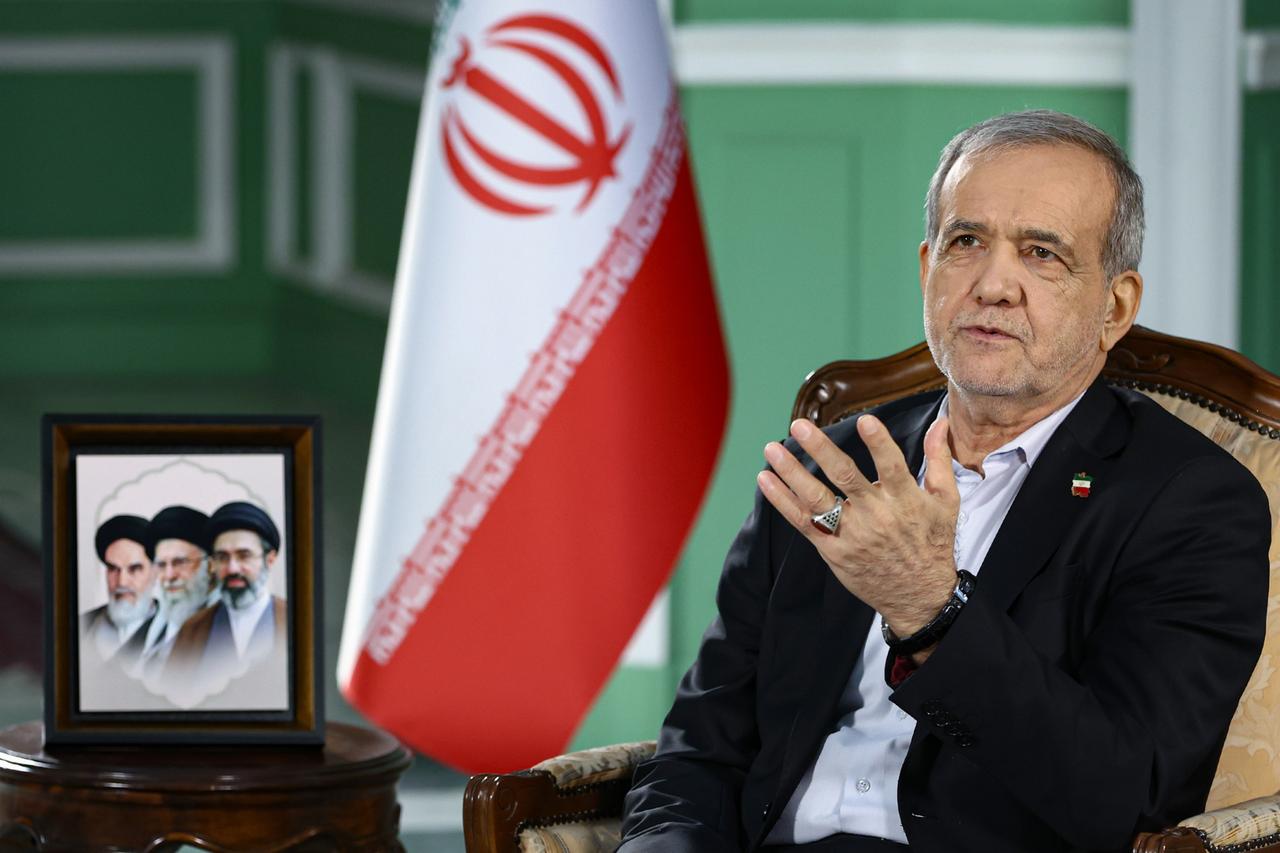


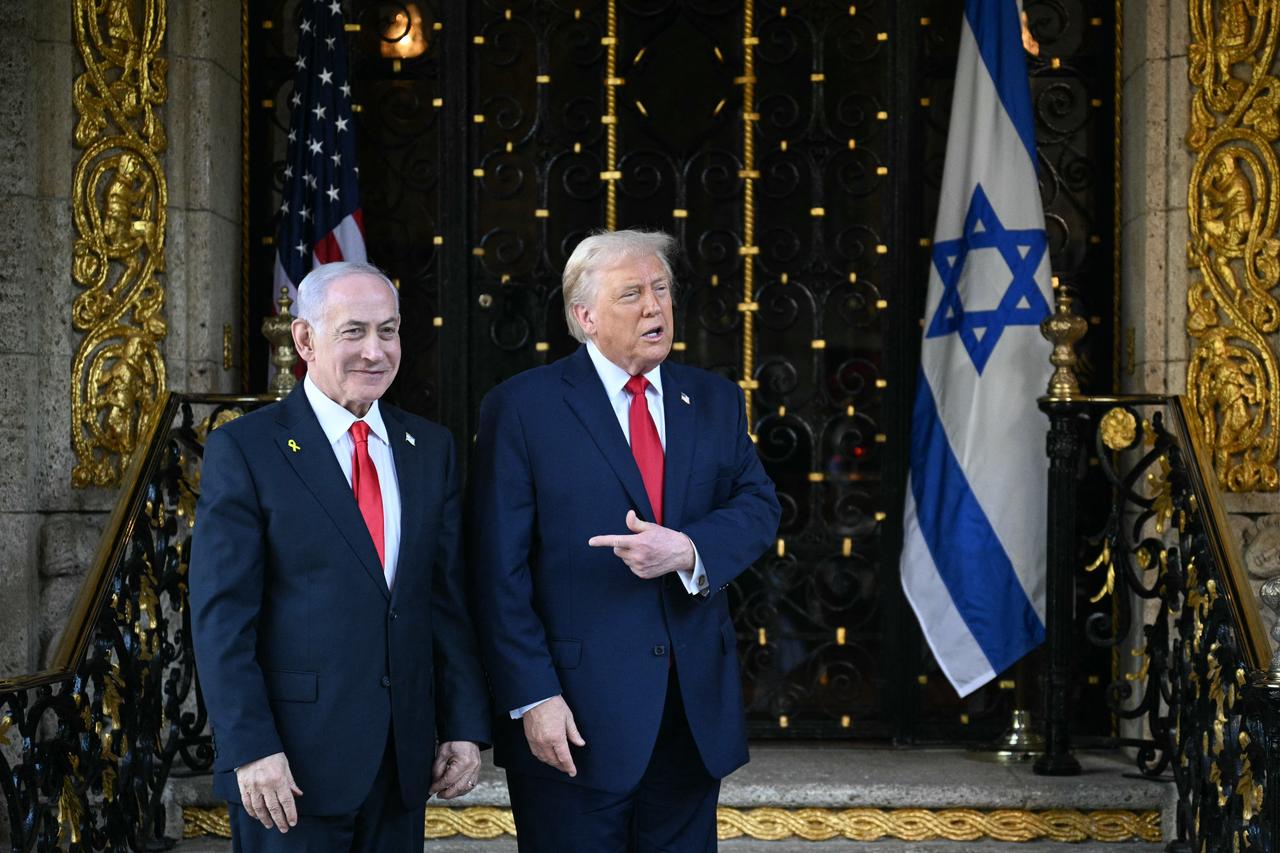
Iranian President Masoud Pezeshkian on Saturday urged U.S. President Donald Trump to avoid creating turmoil, saying problems could be resolved through dialogue and implementation of a memorandum of understanding.
“If we proceed through dialogue and on the basis of the memorandum of understanding, we will resolve the problems and secure our rights,” Pezeshkian said at a ceremony in Tehran, according to Mehr News Agency.
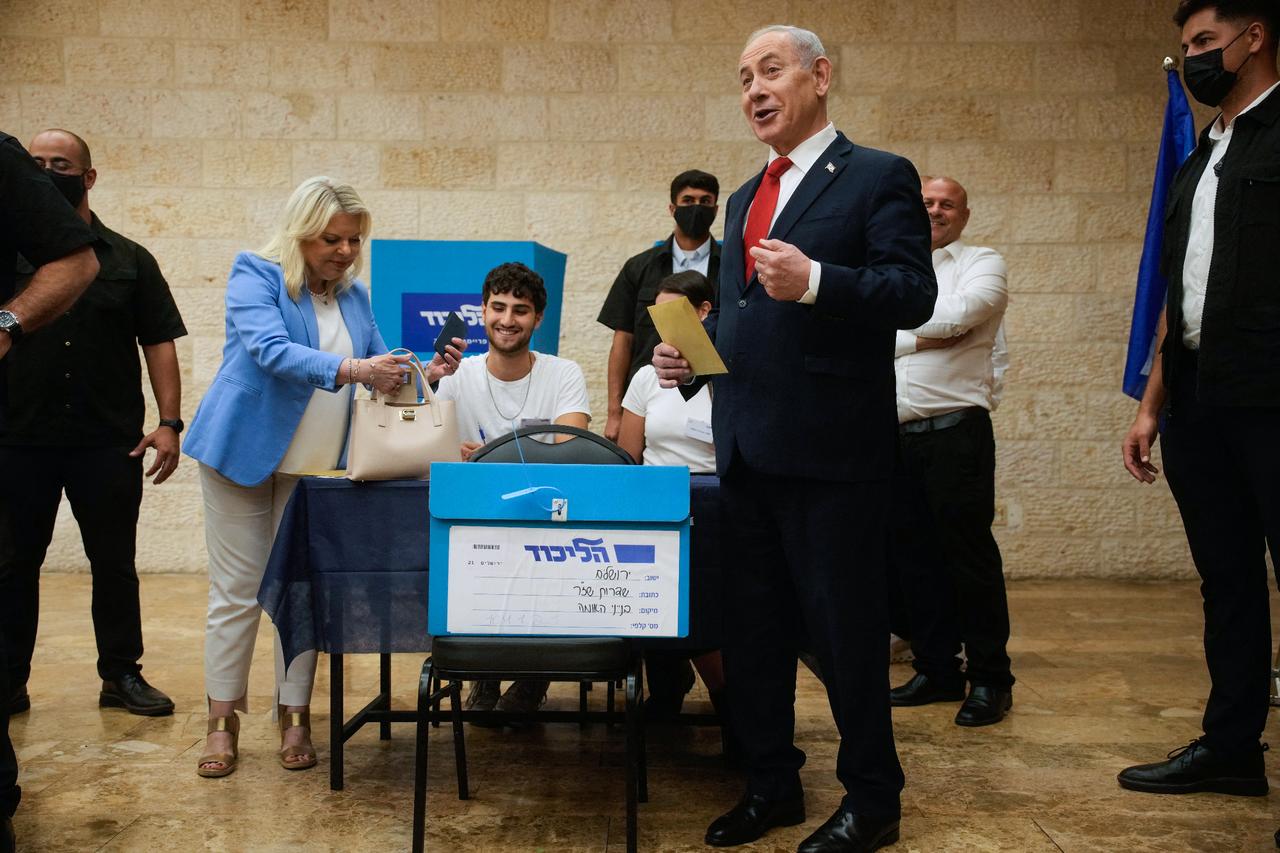
“It is in the interest of the country, the region and the world that Trump does not create turmoil and that Israel does not cause insecurity and aggression,” he added.
Pezeshkian said Iran does not favor war but would respond firmly to any assault.
“We do not like war, but we will stand with strength against aggression and defend ourselves,” he said.
He added that no power could force a united nation determined to defend its territory to surrender.
The Iranian president said Tehran was seeking to resolve problems through dialogue but stressed that the Iranian people, officials and military commanders would “never surrender” in the face of threats and aggression.
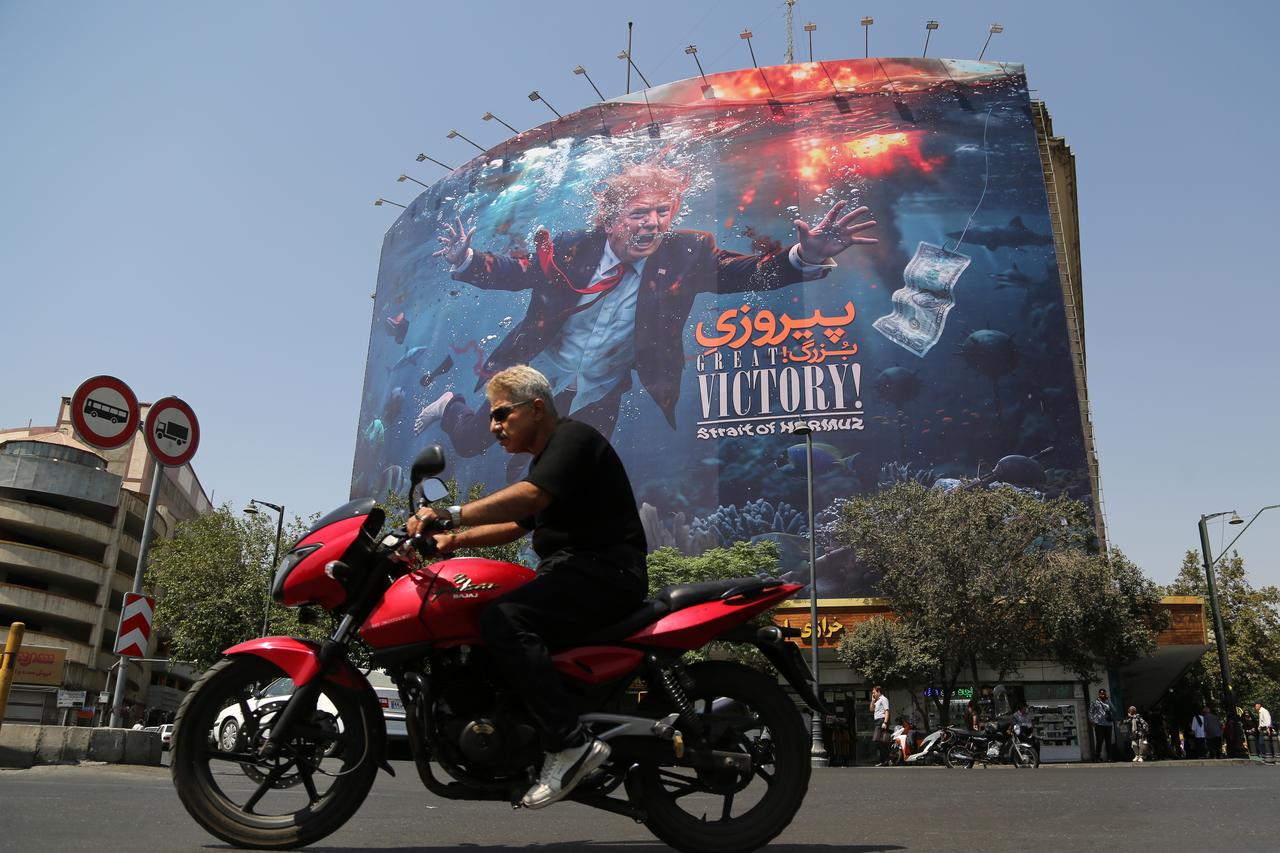

Pezeshkian also accused Israel of seeking to sow divisions among Muslim countries.
He said greater unity among Islamic nations could thwart such efforts.
Turning to domestic issues, Pezeshkian said maintaining industrial production during the coming winter was a “red line.”
He stressed that supplies of gas, electricity and water to production facilities should not be interrupted.
The president said the government would manage consumption of water, electricity, gas and fuel.
If restrictions became necessary, he said, they would first be imposed on government offices and public buildings rather than shifting the burden onto the public.
Pezeshkian called on the public to cooperate with the government to maintain stability, saying Iran’s adversaries should not believe that pressure would force the country to surrender.
The U.S.-Israeli war against Iran began on Feb. 28, with attacks targeting military, nuclear and infrastructure sites across the country.
Iran responded with missile and drone strikes against Israel and U.S. military facilities across the region.
Iran and the United States reached a 14-point memorandum of understanding in June, mediated by Pakistan and Qatar, aimed at ending hostilities and opening a 60-day window for negotiations toward a broader agreement.
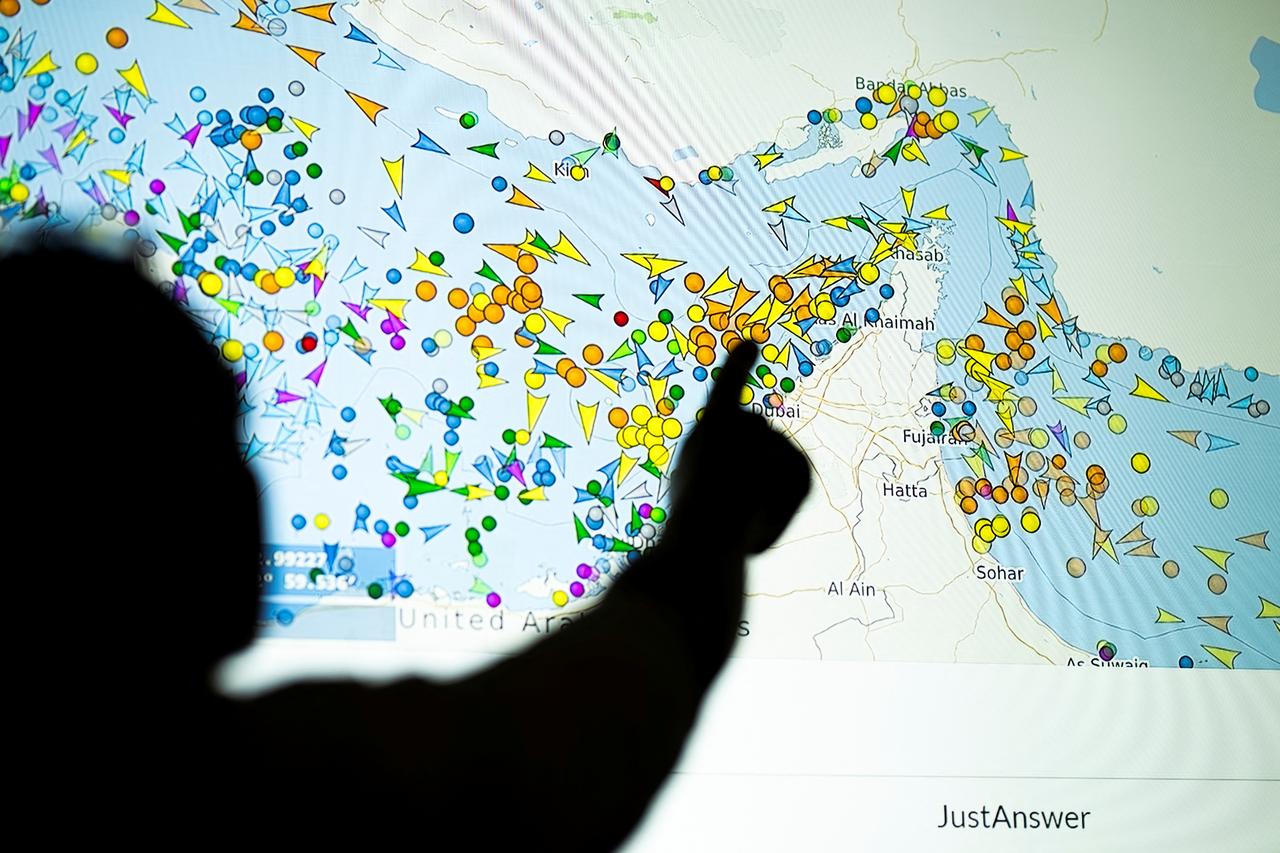
The memorandum also addressed the reopening of the Strait of Hormuz and the lifting of the U.S. naval blockade, as well as sanctions and Iran’s frozen assets.
Tehran has maintained that further progress in talks depends on Washington fulfilling its commitments under the memorandum.
Iranian officials have said the Strait of Hormuz will not fully reopen until those obligations are implemented.


 Set as preferred source
 Set as preferred source


 1 min read
 1 min read