Newsletters


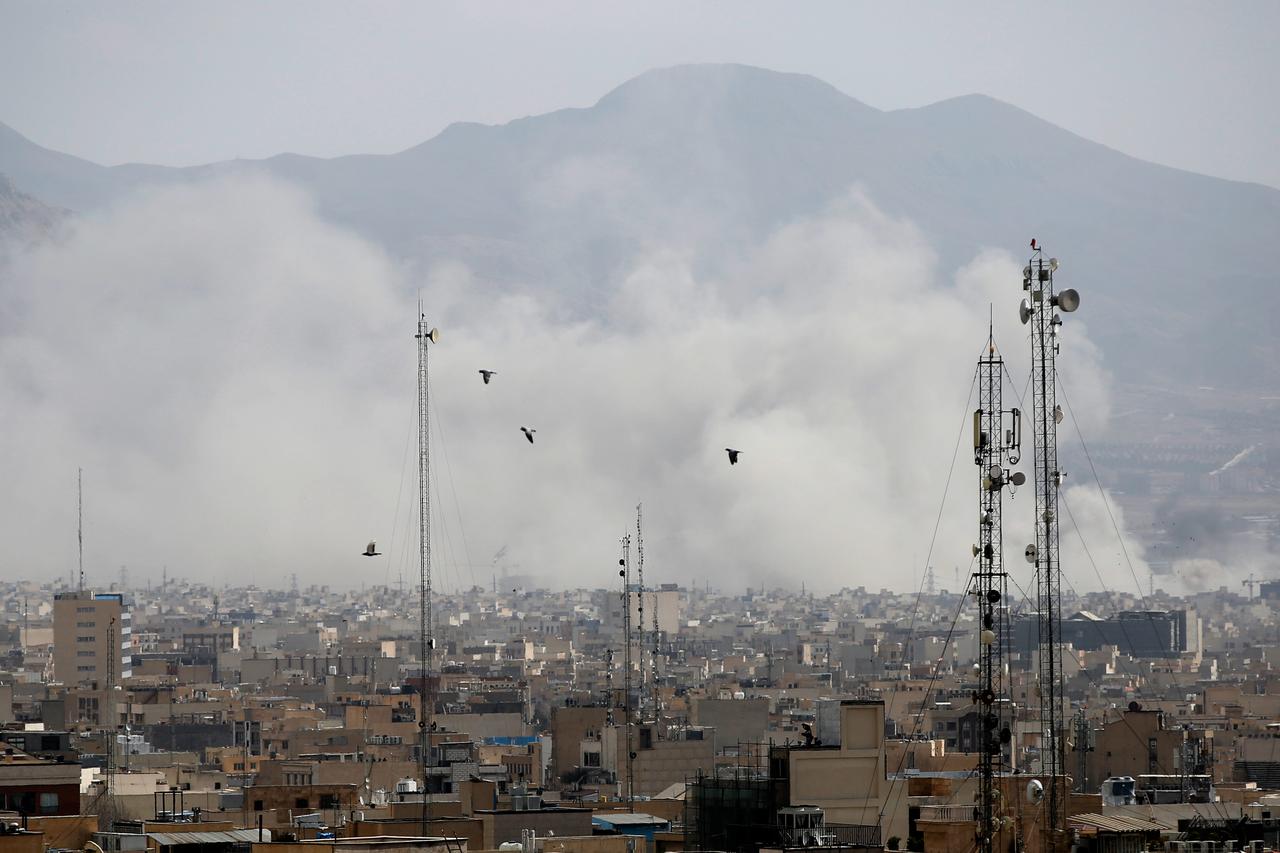


Iranian President Masoud Pezeshkian survived a joint U.S.-Israeli assassination attempt Saturday, his son confirmed, as the war dubbed "Operation Epic Fury" by the Pentagon and "Lion's Roar" by Israel triggered retaliatory Iranian missile strikes across six countries and prompted urgent calls for restraint from the EU, Saudi Arabia, the UK and nations worldwide.
"The assassination attempts failed and other officials are also healthy," Yusuf Pezeshkian said, confirming his father was targeted.
"We will probably experience a longer conflict and this will be a war of attrition. Therefore, determination and patience are essential to get through these days," he added.
Supreme Leader Ali Khamenei was also targeted in the strikes but was not in Tehran, having been transferred to a secure location, an Iranian official told Reuters. The results of the strike near Khamenei's offices remained unclear.
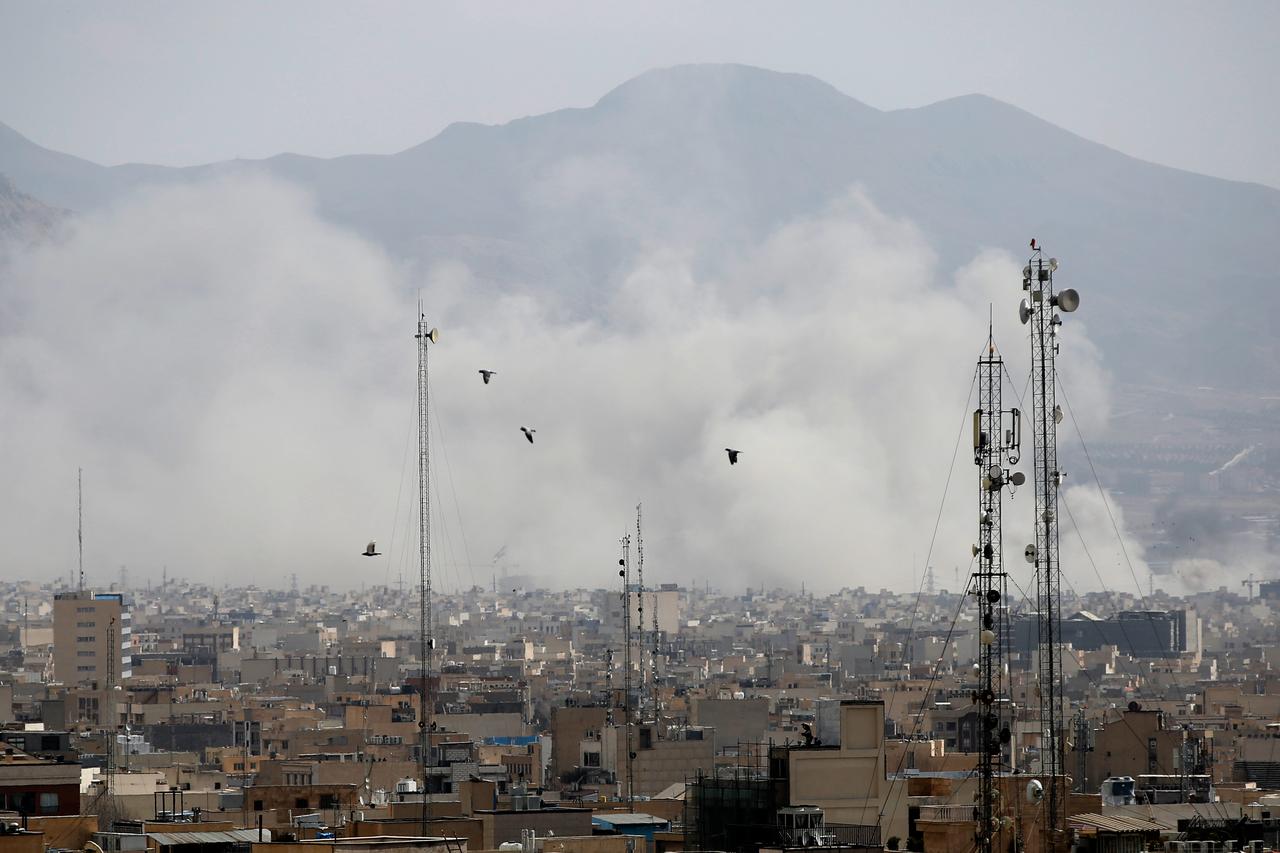

Two Israeli sources told CNN that the strikes targeted a broad list of Iranian leaders including Armed Forces Chief of Staff Abdolrahim Mousavi, Defense Council Secretary Ali Shamkhani and National Security Council Secretary Ali Larijani.
An Israeli army official told reporters: "We continue to conduct strikes across Iran, coordinated with the U.S. more than ever before. Our objective is to degrade Iranian capabilities, remove existential threats to Israel. If we waited, the threat would have been much more dangerous."
An Iranian source close to the establishment told Reuters that several senior Revolutionary Guard commanders and political officials were killed. Iranian media reported that Foreign Minister Abbas Araghchi is safe.
The first strike appeared to be near the offices of Khamenei, the Associated Press reported.
A senior U.S. official told Axios that Israel's air force conducted strikes against senior Iranian commanders and political leaders.
Operation Epic Fury began exactly as Trump's 10-day deadline to Iran expired, Axios reported. Trump posted his video statement at 2:30 a.m. ET from Mar-a-Lago, where he had arrived Friday night.
"We're going to destroy their missiles and raze their missile industry to the ground. We're going to annihilate their navy," Trump said. He encouraged Iranians to "take over your government" when operations conclude and called on Revolutionary Guards, armed forces and police to surrender or face "certain death."
Trump acknowledged American casualties may occur. "The lives of courageous American heroes may be lost, and we may have casualties. That often happens in war," he stated.
The operation follows months of joint Israeli-U.S. planning. "In the months preceding the strike, close and joint planning was conducted between the Israeli army and the U.S. military," the Israeli military said.
Behind the scenes, several of Trump's top advisers, including Joint Chiefs Chairman Gen. Dan Caine, had privately warned about the risk of becoming entangled in a prolonged conflict, Axios reported.
Trump had sent envoys Steve Witkoff and Jared Kushner to hold multiple rounds of nuclear negotiations while simultaneously building up military forces.
Both sides described the most recent round of Geneva talks on Feb. 26 as successful, though no agreement was reached.
Iranian Foreign Minister Araghchi told his Iraqi counterpart that Iran's response is focused on U.S. bases in the region "as part of our right for self-defense," saying the strikes are not aimed at host countries.
Iran's foreign ministry said the U.S. and Israel "attacked a range of military and defense targets, as well as civilian infrastructure, across various cities in our country."
A state media outlet linked to the Revolutionary Guard Corps (IRGC) said Tehran was preparing a "crushing response."
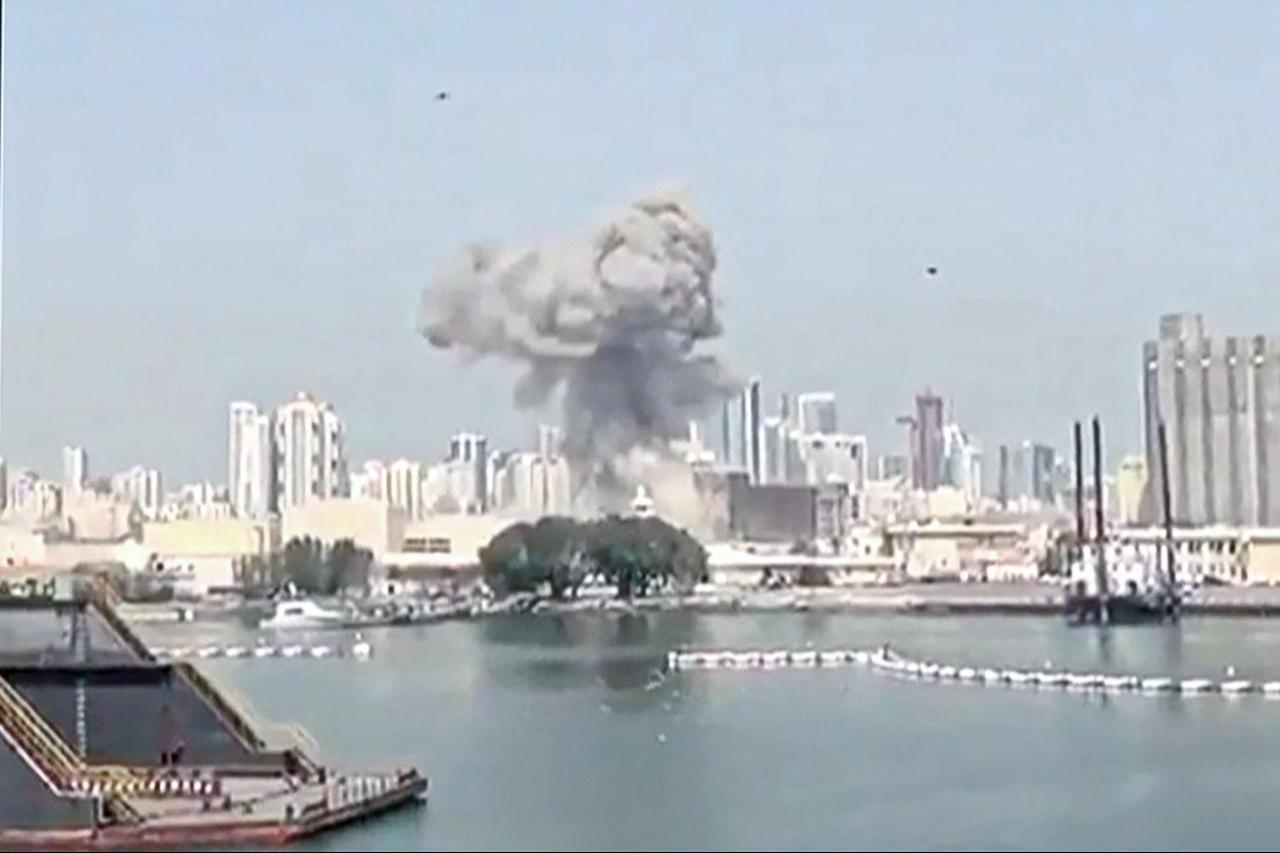
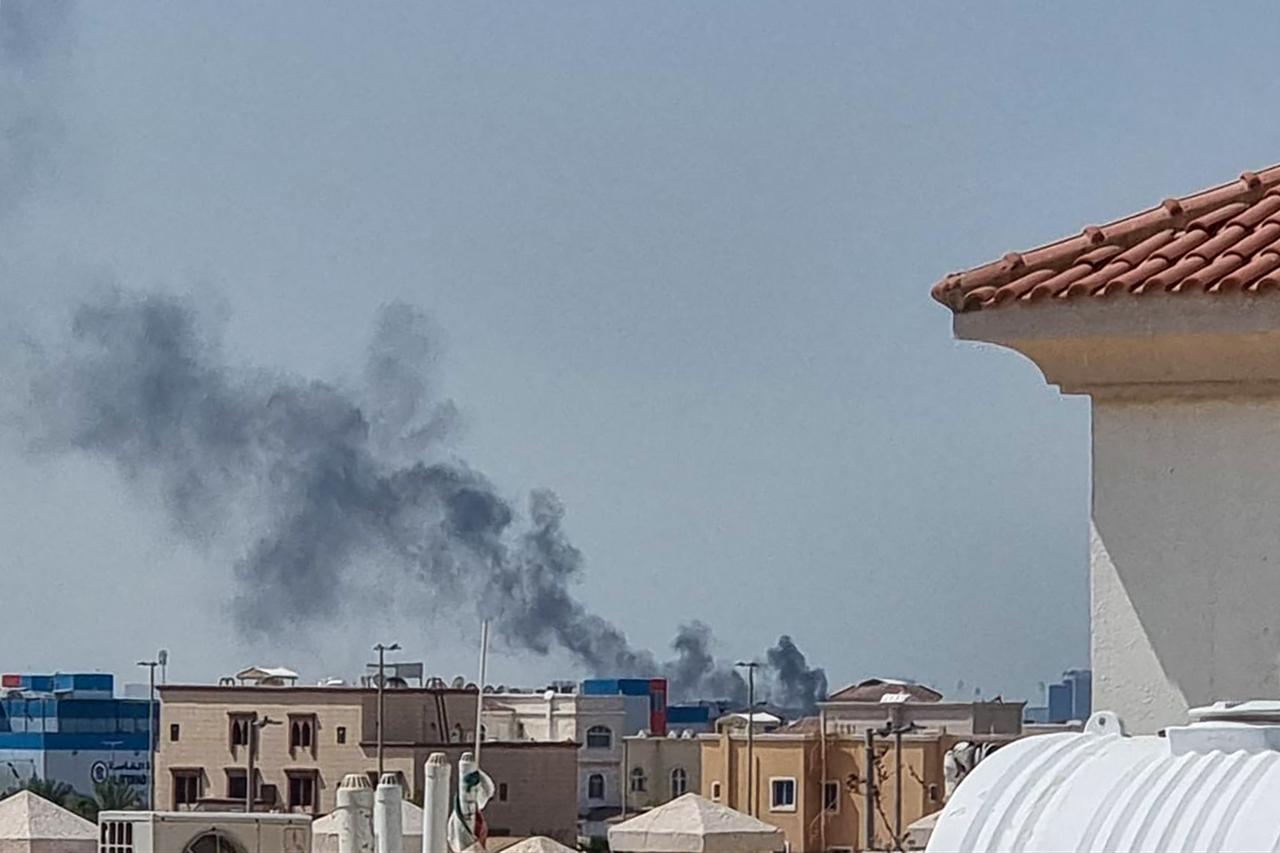
Iran struck U.S. bases in Bahrain, the UAE, Kuwait, Qatar, Jordan and Saudi Arabia simultaneously. The Fifth Fleet headquarters in Bahrain was hit.
Qatar intercepted an Iranian missile with its Patriot system. Explosions were heard in Abu Dhabi and Riyadh.
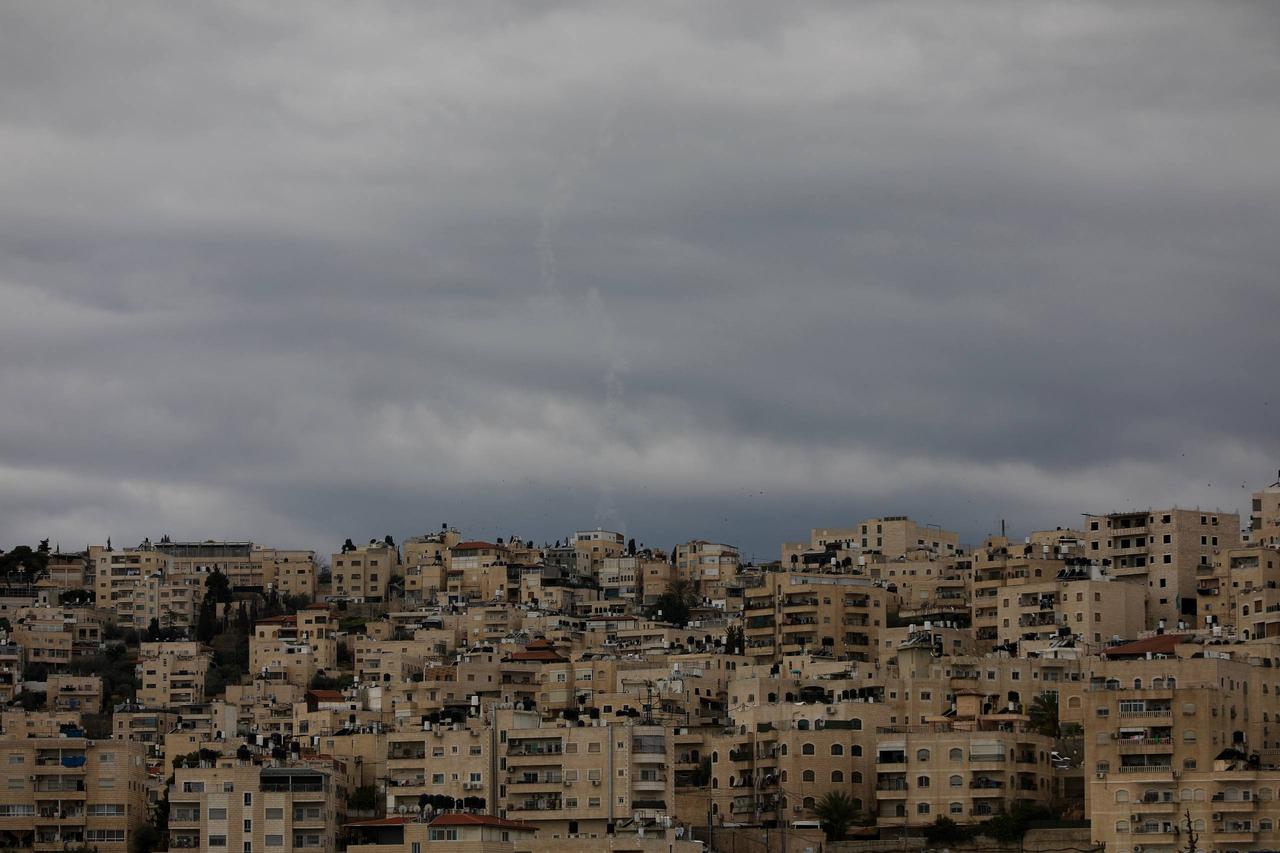
Multiple barrages of Iranian missiles triggered sirens across Israel, including Tel Aviv, Haifa, Jerusalem and Beersheba. Israel called up 70,000 reservists.
Saudi Arabia condemned "in the strongest terms the blatant Iranian aggression and the flagrant violation of the sovereignty" of the UAE, Bahrain, Qatar, Kuwait and Jordan.
The Saudi Foreign Ministry affirmed the kingdom's "full solidarity and standing alongside the brotherly countries," pledging "all its capabilities" to support their response. It warned of "grave consequences of continued violations of state sovereignty."
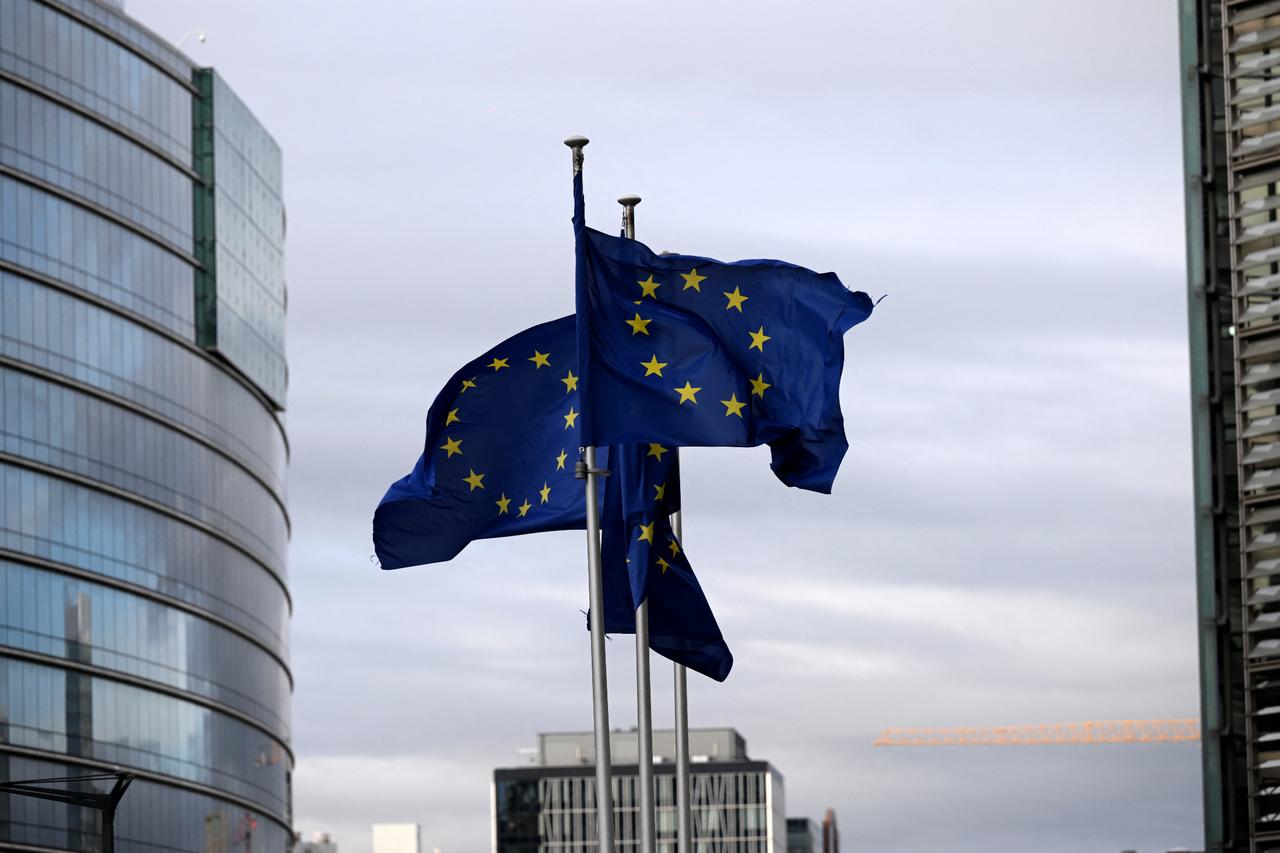
The EU urged "all parties to exercise maximum restraint, to protect civilians, and to fully respect international law." European Council President Antonio Costa and Commission President Ursula von der Leyen called the situation "greatly concerning."
EU foreign policy chief Kaja Kallas warned developments are "perilous" and said non-essential EU personnel are being withdrawn.
The UK said it "does not want to see escalation toward a wider regional conflict." The government confirmed Britain is not participating in the strikes and that Prime Minister Keir Starmer would chair an emergency COBRA meeting Saturday morning.
Spain's Foreign Minister Jose Manuel Albares said: "We demand respect for international law. Violence only brings chaos."
Finnish President Alexander Stubb said Trump "won't have any middlemen involved" in negotiations, warning that escalation risk is "very possible." Prime Minister Petteri Orpo called for "stopping the strikes and any possible counterstrikes as quickly as possible."
Sen. Lindsey Graham of South Carolina, who is close to Trump, struck a different tone: "The end of the largest state sponsor of terrorism is upon us. This operation is necessary and long justified."
The Omani Foreign Minister had told U.S. Vice President Vance just Friday: "Peace is within our reach."


 Set as preferred source
 Set as preferred source


 3 min read