Newsletters


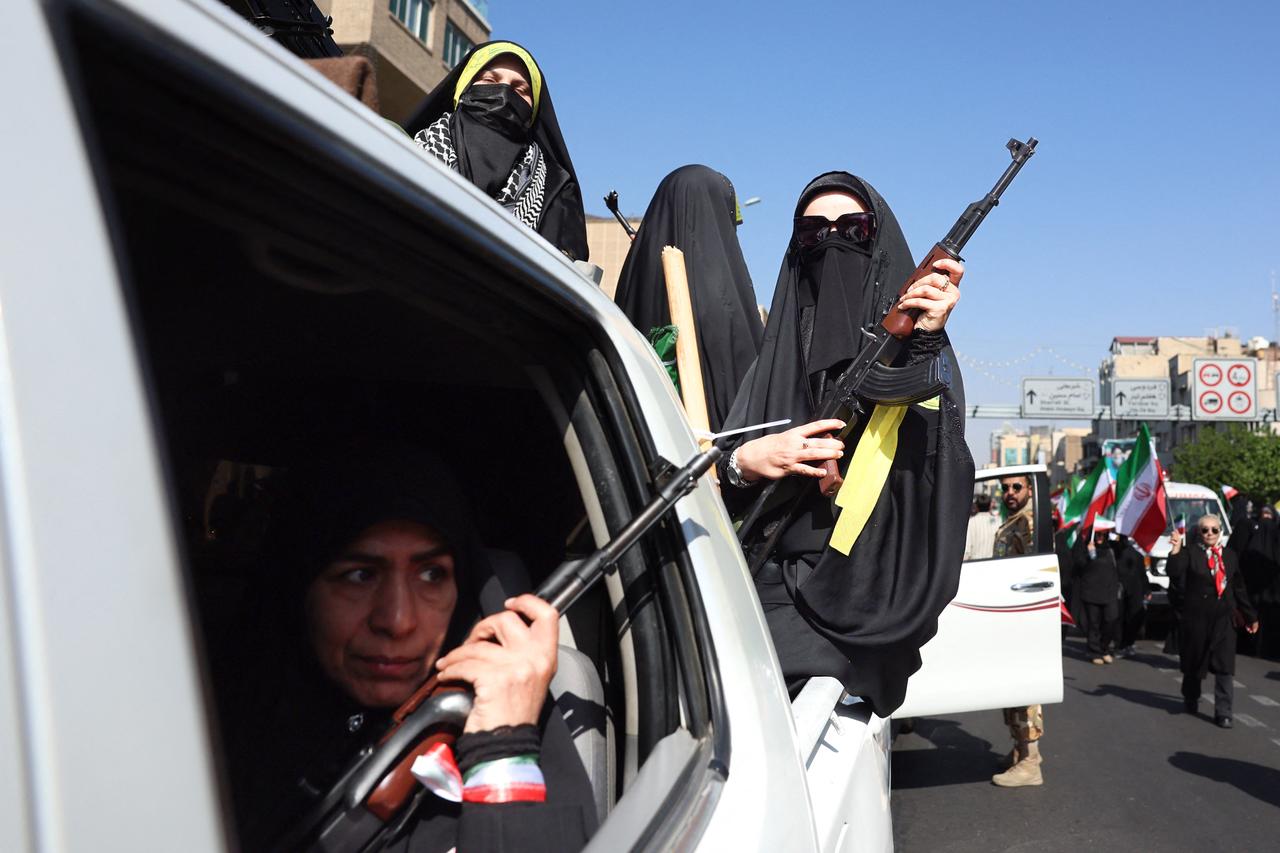


A senior Iranian military official stated on Saturday that renewed conflict between Iran and the United States was "likely," declaring that the armed forces were "fully prepared for any new adventures or foolishness from the Americans."
Tehran simultaneously signaled willingness to return to negotiations if Washington abandoned "threatening rhetoric," as Iran's Islamic Revolutionary Guard Corps (IRGC) Navy announced new maritime rules over 2,000 kilometers of Gulf coastline.
Mohammad Jafar Asadi, deputy inspector of the Khatam al-Anbiya central military command, was quoted by Iran's Fars News Agency as saying: "Renewed conflict between Iran and the United States is likely, and evidence has shown that the United States is not committed to any promises or agreements."
"The actions and statements of US officials are primarily media-driven, aimed first at preventing a drop in oil prices and second at extricating themselves from the mess they have created," he added.
"The armed forces are fully prepared for any new adventures or foolishness from the Americans," the Iranian military official said.
Asadi also stated that not only the armed forces and the people, but "political groups that sometimes had differing views have today reached the understanding that unity must be maintained."
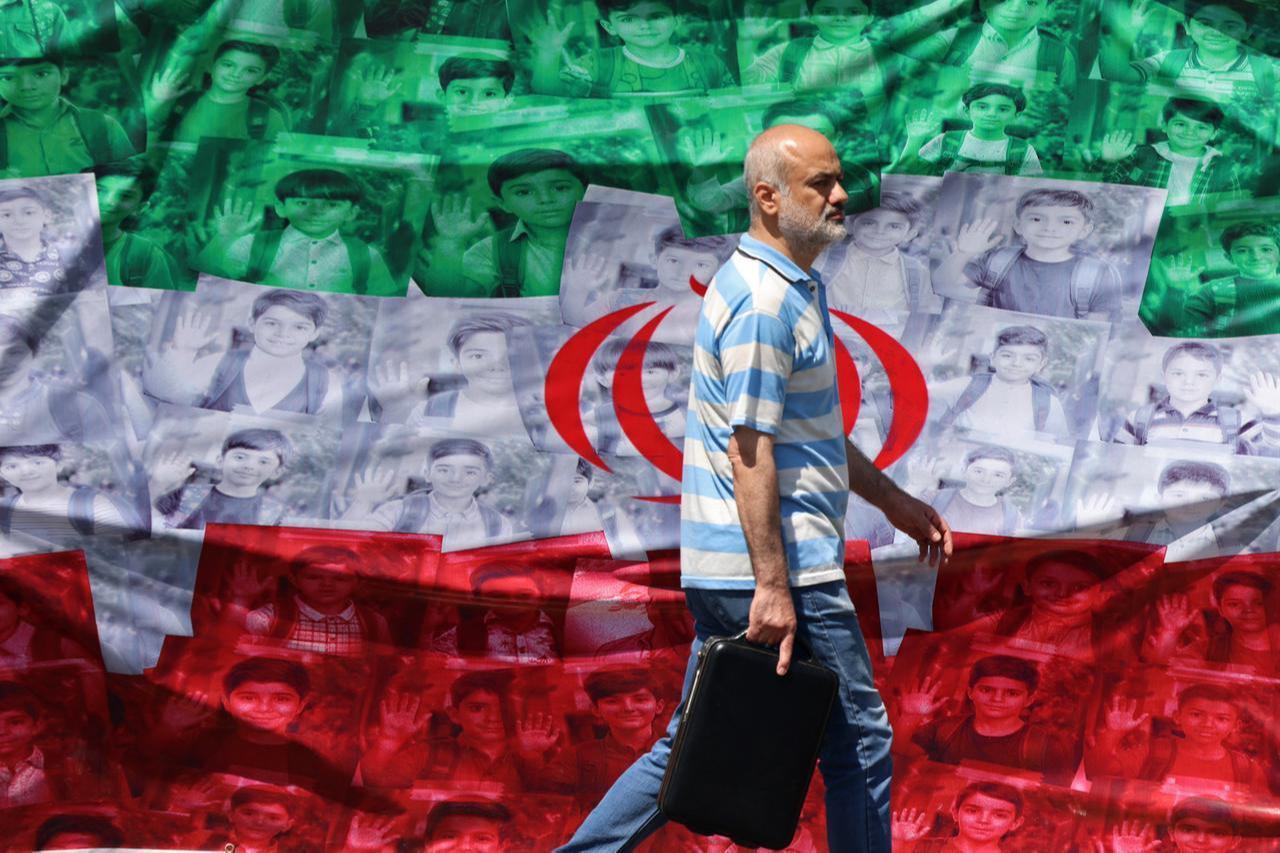

Iranian Foreign Minister Abbas Araghchi briefed his counterparts in Türkiye, Qatar, Saudi Arabia, Egypt, Iraq, and Azerbaijan on the diplomatic situation on Friday, telling them Iran was willing to return to negotiations, but only if Washington ended its "excessive approach and threatening rhetoric," Press TV reported.
Araghchi said Iran had entered Pakistani-mediated talks in good faith despite "deep skepticism toward Washington stemming from repeated failures to honor prior commitments."
Iran submitted a new proposal to Pakistan on Thursday to resume negotiations, per IRNA. The ceasefire announced on April 8 remains in place, but no agreement has been reached following the April 11-12 talks in Islamabad.
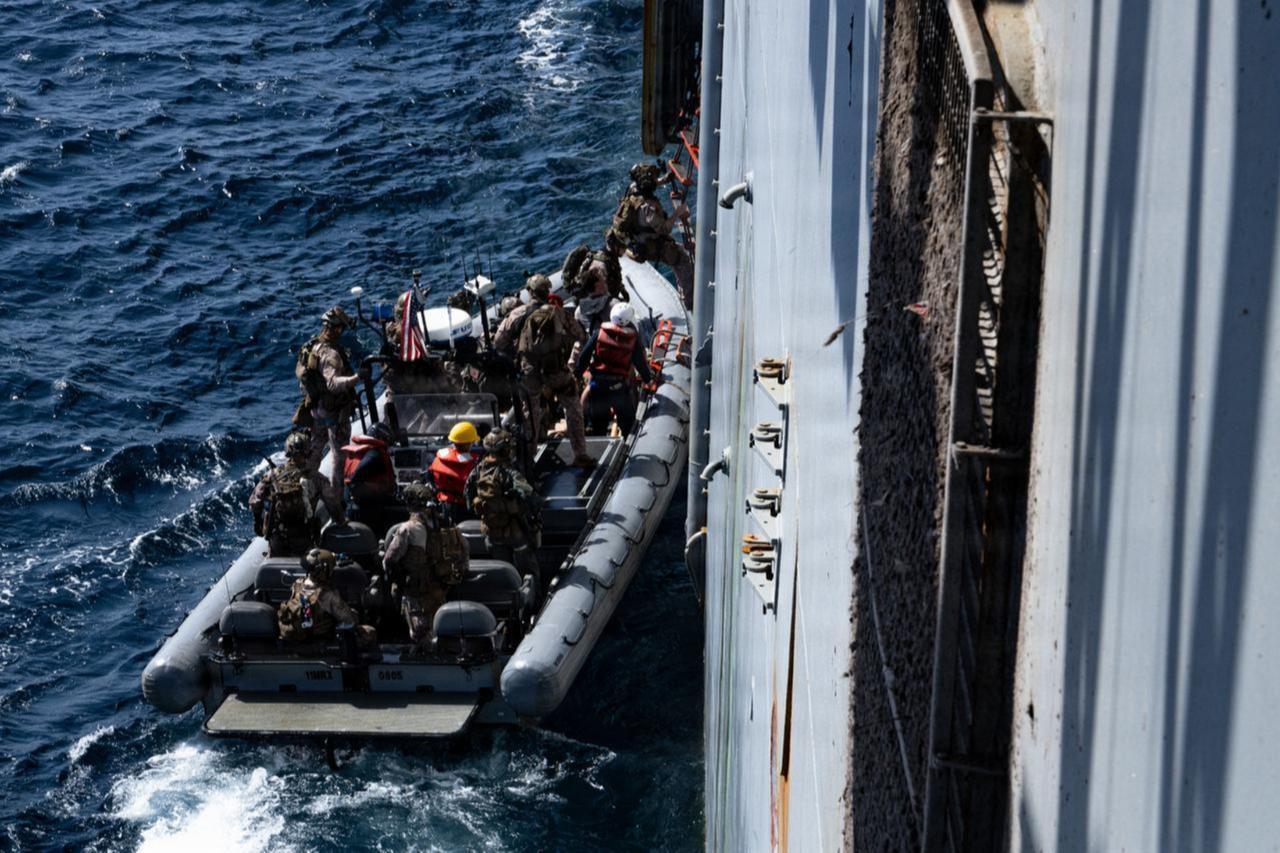
The IRGC Navy announced new maritime rules covering "nearly 2,000 kilometers of Iran's coastline" in the Gulf and the Strait of Hormuz, saying the move came at the directive of Supreme Leader Mojtaba Khamenei.
The statement described the aim as making "this body of water a source of livelihood and strength for the noble people of Iran, and a source of security and prosperity for the region."
No further technical details were disclosed.


 Set as preferred source
 Set as preferred source


 1 min read
 1 min read