Newsletters


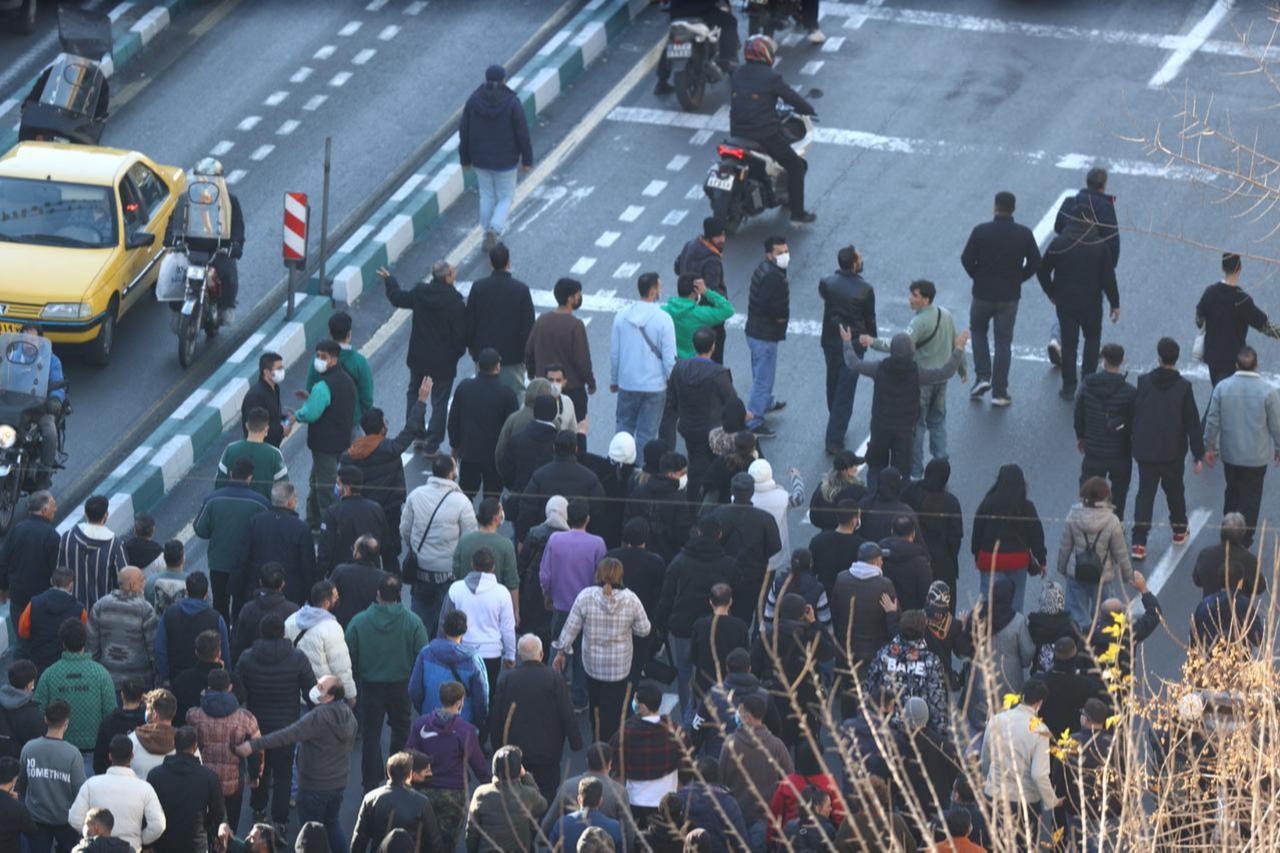


Iran's Supreme Leader Ali Khamenei acknowledged the legitimacy of economic grievances fueling recent protests across the country but called for harsher measures against groups he accused of trying to destabilize the nation.
Speaking at a gathering marking the birth anniversary of Hazrat Ali and the anniversary of Iranian General Qasem Soleimani's death in a U.S. strike, Khamenei addressed demonstrations that merchants and shopkeepers have staged in recent days over currency fluctuations.
The supreme leader emphasized that economic demands were legitimate, noting that the depreciation of the rial and instability in exchange rates had negatively affected the business environment. He said shopkeepers' complaints were justified and acknowledged that President Masoud Pezeshkian and other officials were working to resolve the problem.
Khamenei attributed the currency surge to interference by Iran's "enemies," asserting that the unexplained increases were not natural phenomena.
"The unexplained currency rate increase and instability are not natural; it is the enemy's work," he said, adding that adversaries exploit every opportunity but that Iranian authorities are addressing the situation.
The supreme leader drew a sharp distinction between protesters and those seeking to create disorder. "Protesting is appropriate, but protesting is different from creating chaos," Khamenei said. "We will talk to those who protest, but there is no point in talking to those who create chaos. Chaos-makers must be taught their limits."
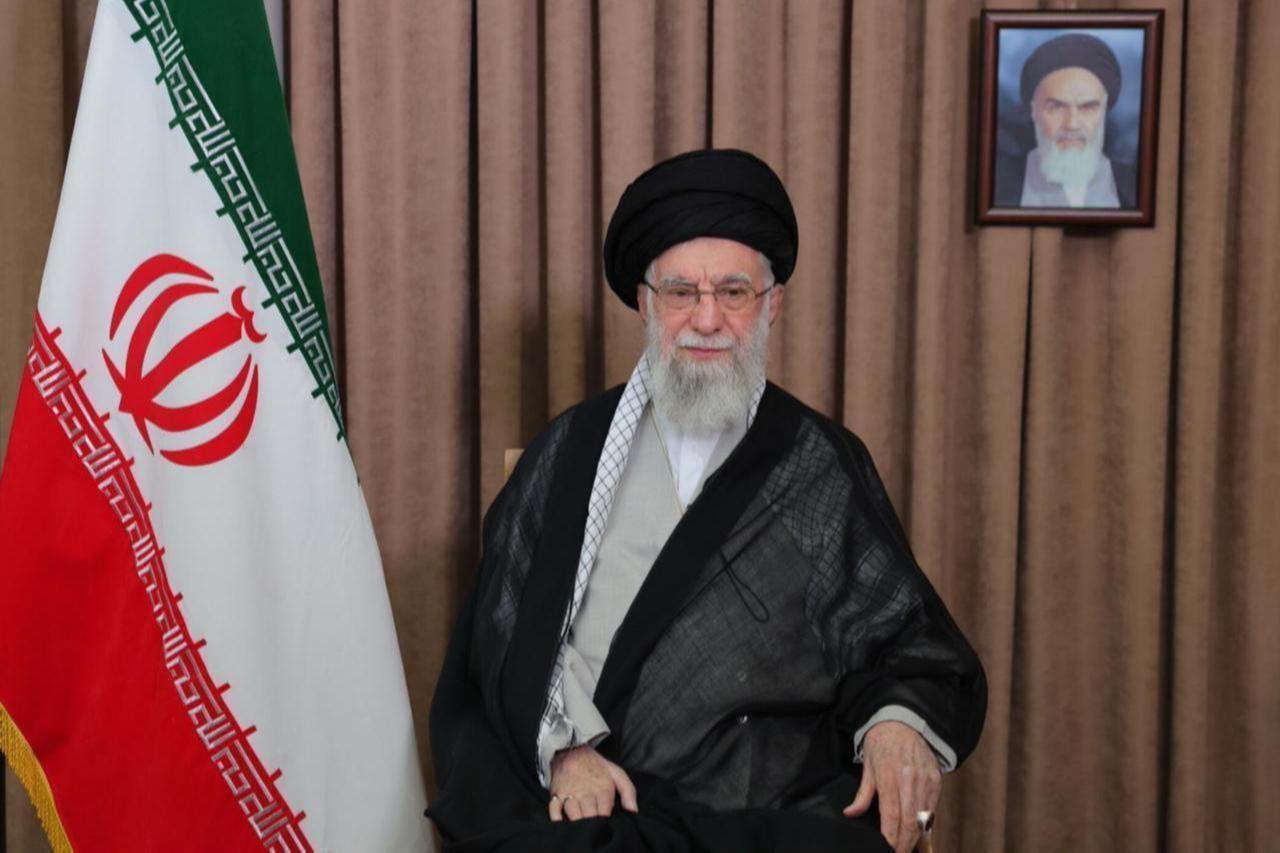

Khamenei struck a defiant tone regarding what he characterized as attempts by enemies to impose their will on the country.
"What is important is that when the enemy feels that it wants to impose something on the country and the authorities, the government, and the people, it is to stand with full force against the enemy and shield your chest," he declared.
"We will not step back in the face of the enemy. Trusting in Almighty Allah, with our belief in the support of the people, with Allah's permission, with a divine success, together with our people, we will bring the enemy to its knees."
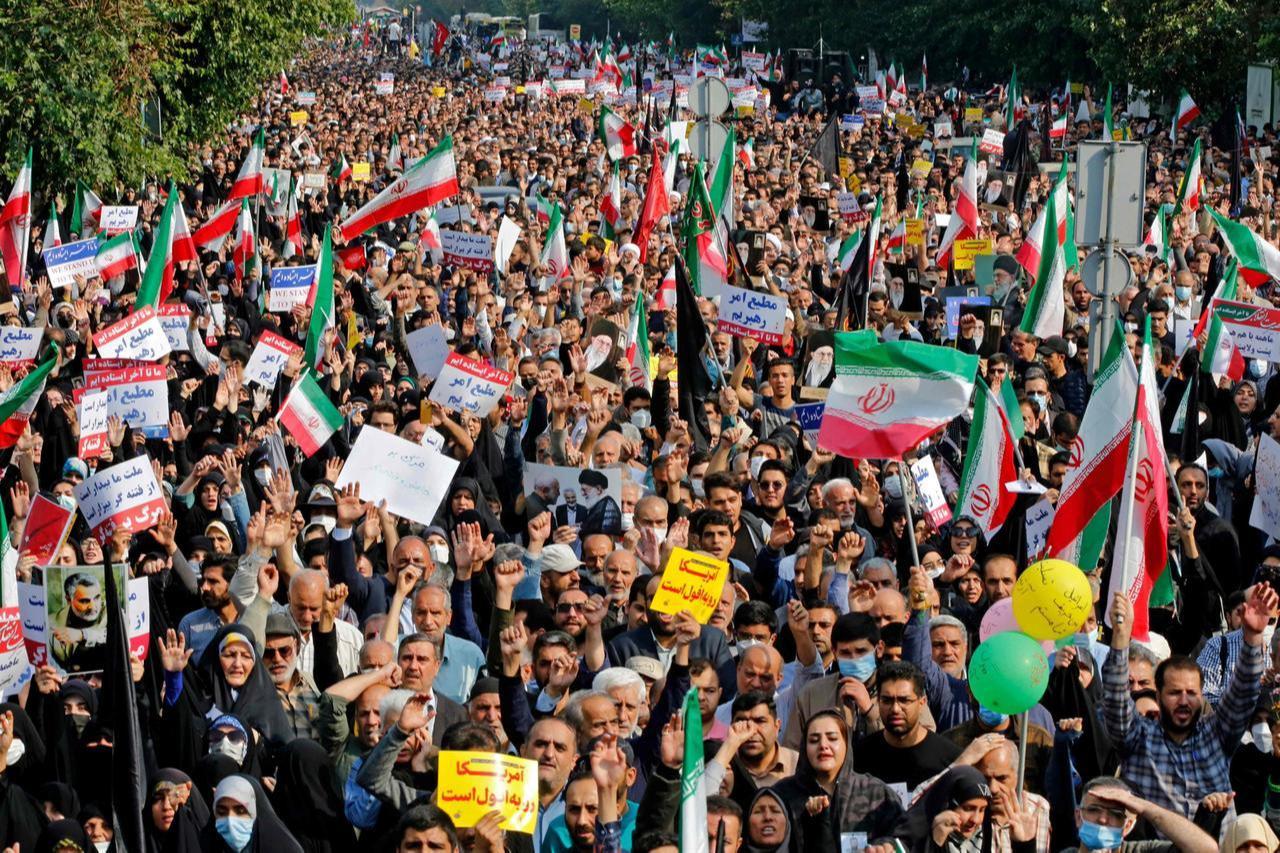
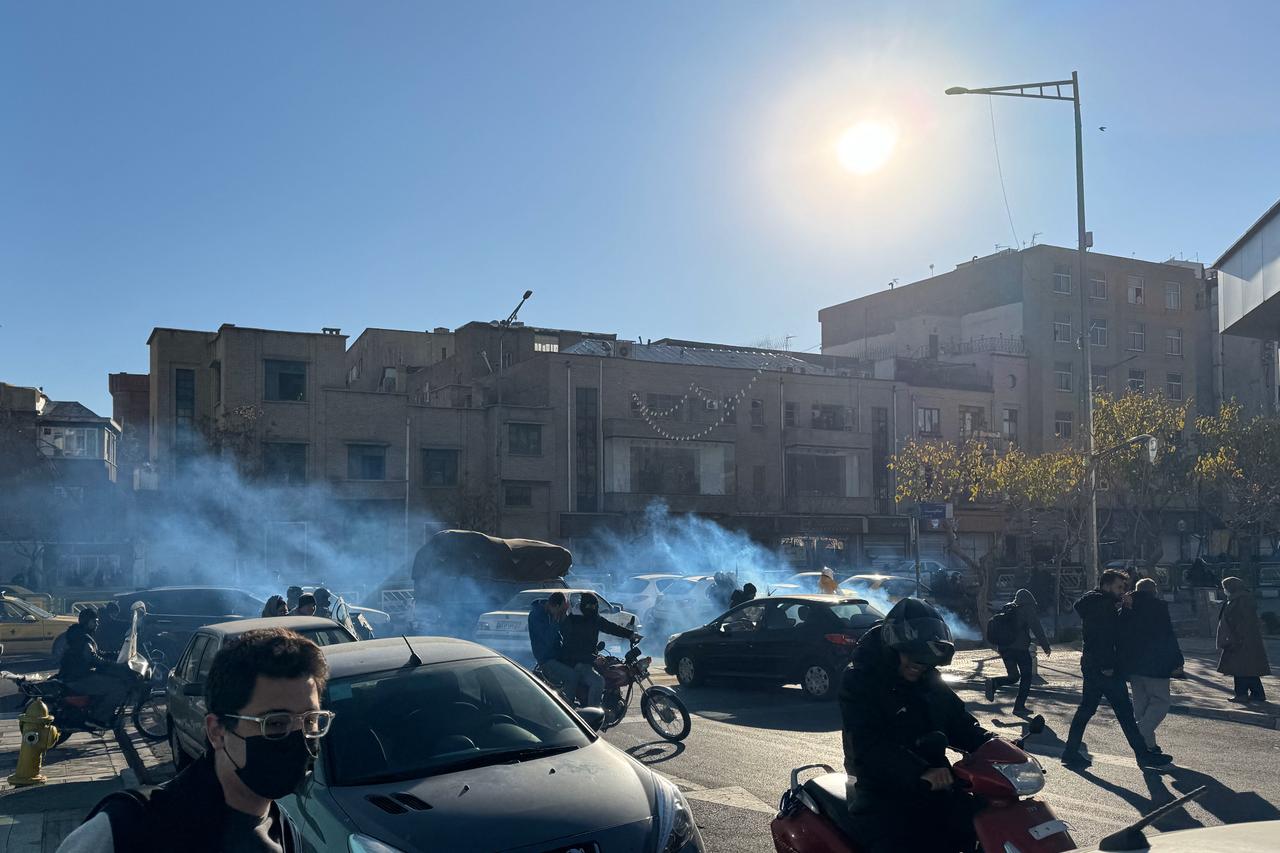
Protests erupted in Tehran's Grand Bazaar on Dec. 28, 2025, as shopkeepers demonstrated against the national currency's steep losses against foreign exchange rates and broader economic problems. The demonstrations quickly spread to numerous cities across Iran.
Following the outbreak of protests, President Pezeshkian acknowledged public dissatisfaction and accepted government responsibility for current economic problems, calling on officials not to blame external actors such as the United States.
The demonstrations have turned violent in several locations. On Dec.31, 2025, a 21-year-old Basij member died during protests in the Kuhdesht district of Loristan province, with 13 police officers wounded. Two people were reported killed during protests on Jan. 1 in the Lordigan district of Chaharmahal and Bakhtiari province. In Azna city in Loristan province, three people died on January 1 during an attack on a police station amid the protests.


 Set as preferred source
 Set as preferred source


 2 min read
 1 min read