Newsletters




Iranian security forces have arrested at least 44 people across multiple provinces as protests sparked by the country's severe economic crisis entered their sixth consecutive day Thursday, with the death toll rising to at least seven and clashes spreading to more than 35 cities.
Authorities in Tehran detained 30 suspects accused of public order offenses in the capital's western Malard district following what state news agency Tasnim described as a "coordinated operation by security and intelligence services." Separately, 14 people were arrested in Alborz for allegedly producing explosives in a workshop, according to Iranian media reports.
The arrests came as violence intensified in Lorestan, where an attack on a police station in Azna left three people dead and 17 injured Wednesday evening. The semi-official Fars News Agency reported that armed individuals stormed the facility during protest demonstrations around 6 p.m. local time, triggering a firefight with officers.
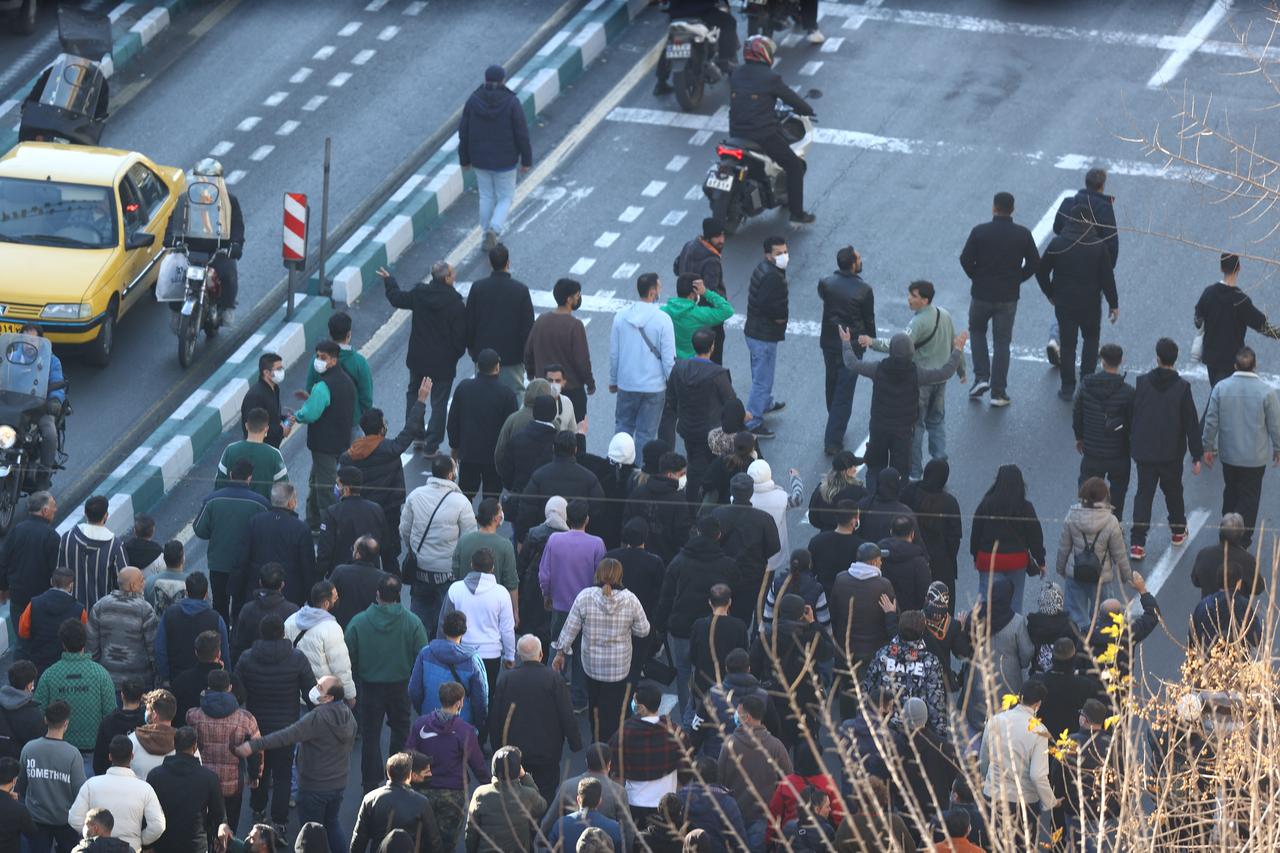
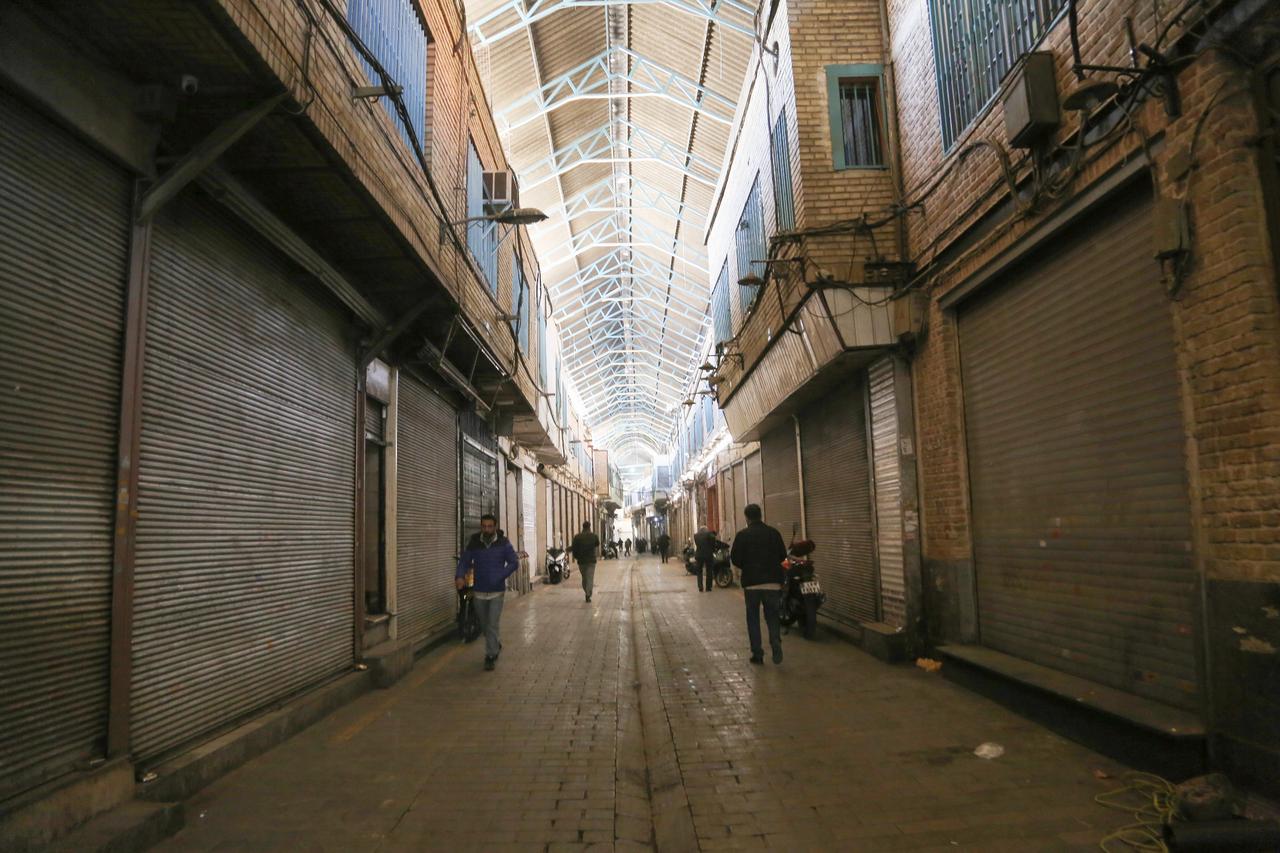
The unrest began on Dec. 28 when merchants in Tehran's Grand Bazaar launched strikes over the Iranian rial's collapse to historic lows of approximately 1.5 million rials per U.S. dollar and inflation exceeding 40%. What started as economic protests has evolved into broader anti-government demonstrations, with crowds in multiple cities chanting slogans against the regime.

Iranian officials have publicly recognized the protesters' grievances, a notable shift from the government's typical response to dissent. Government spokesperson Fatemeh Mohajerani told reporters Dec. 30 that authorities "see, hear and officially recognize the protests, crises and difficulties."
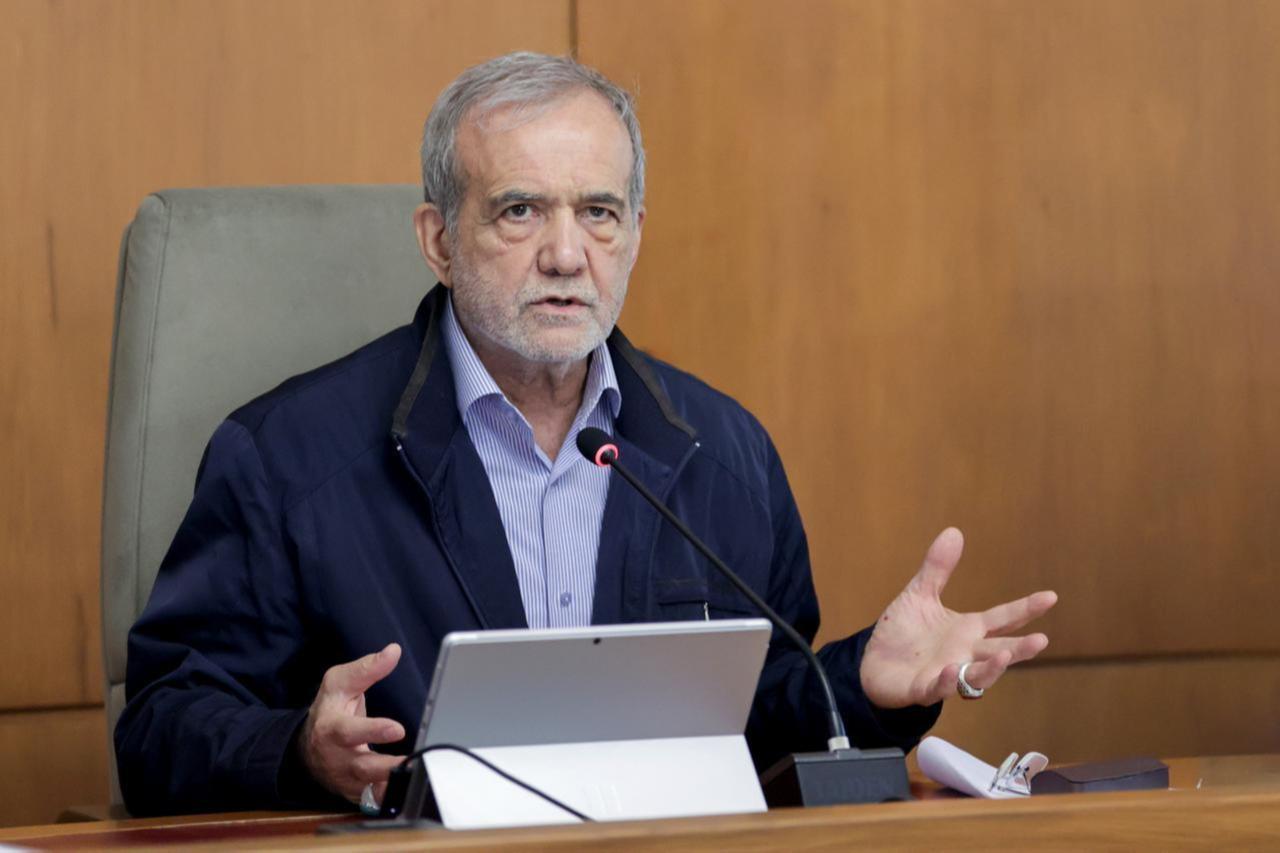
President Masoud Pezeshkian went further, acknowledging his government's responsibility for economic problems and urging officials not to blame external actors like the United States. He said authorities were working on steps to ease public frustration.
The demonstrations represent the largest wave of protests in Iran since 2022, when the death of Mahsa Amini in police custody sparked nationwide unrest. However, the current movement stems primarily from economic desperation rather than social grievances.
Beyond the Azna police station attack, protests have turned deadly in several provinces. A 21-year-old Basij militia member was killed and 13 police officers were injured during demonstrations in the Kuhdasht district of Lorestan province on Dec. 31. Two additional deaths were reported on Jan. 1 during protests in Lordegan district of Chaharmahal and Bakhtiari province.
The economic crisis driving the protests has multiple causes, including international sanctions, the aftermath of recent regional conflicts, and what demonstrators describe as government mismanagement. Food prices have reportedly increased 60%-70%, while the rial's value has plummeted compared to its exchange rate a year ago.
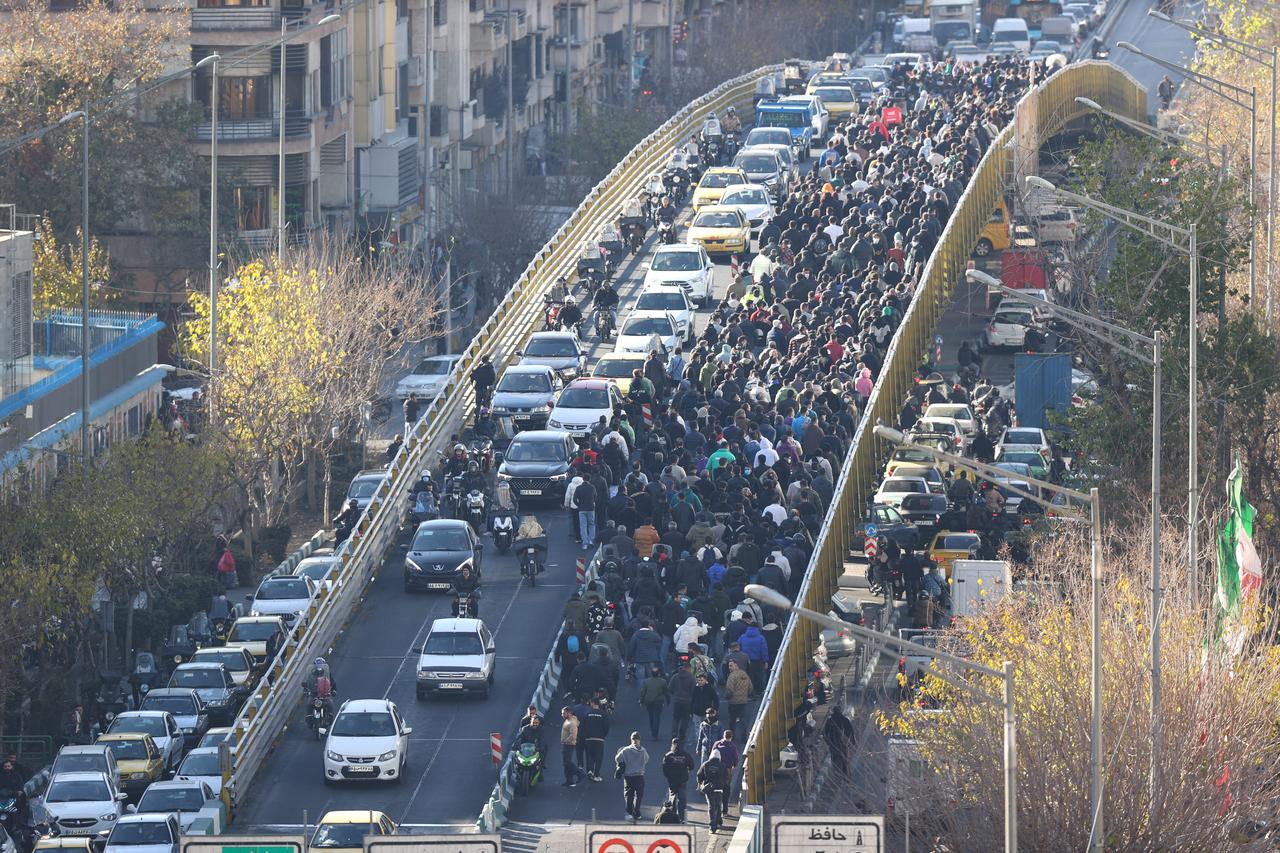
Markets and offices have shut down in at least 21 of Iran's 31 provinces as the protests spread from Tehran's commercial districts to major cities including Isfahan, Shiraz and Mashhad. Some demonstrations have reached Qom, a center of Shia religious authority and typically a stronghold of support for the Islamic Republic.
While economic grievances initially drove the demonstrations, protesters in multiple cities have begun voicing broader political demands. Chants documented in various locations have included anti-regime slogans and calls for systemic change, representing a potential expansion of the movement's scope beyond its origins in merchant strikes.
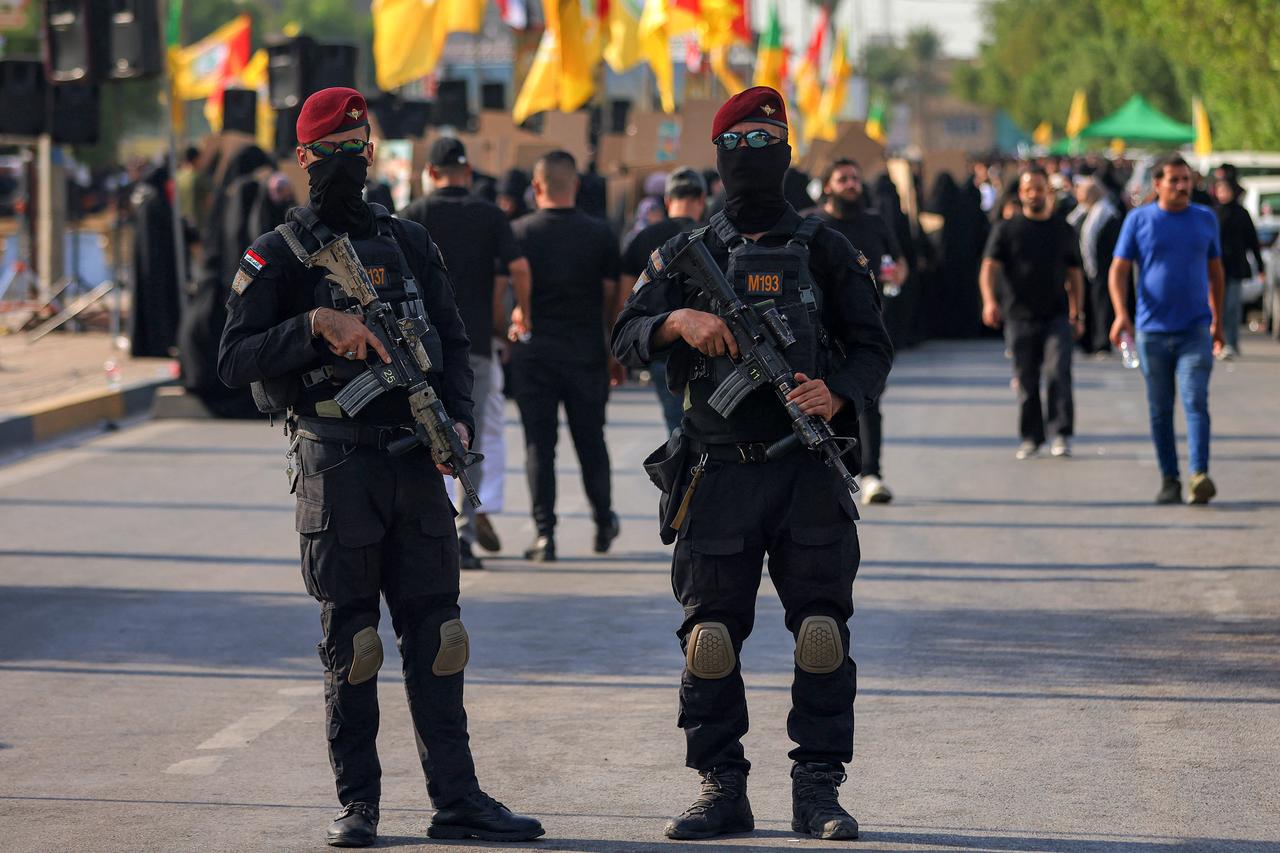
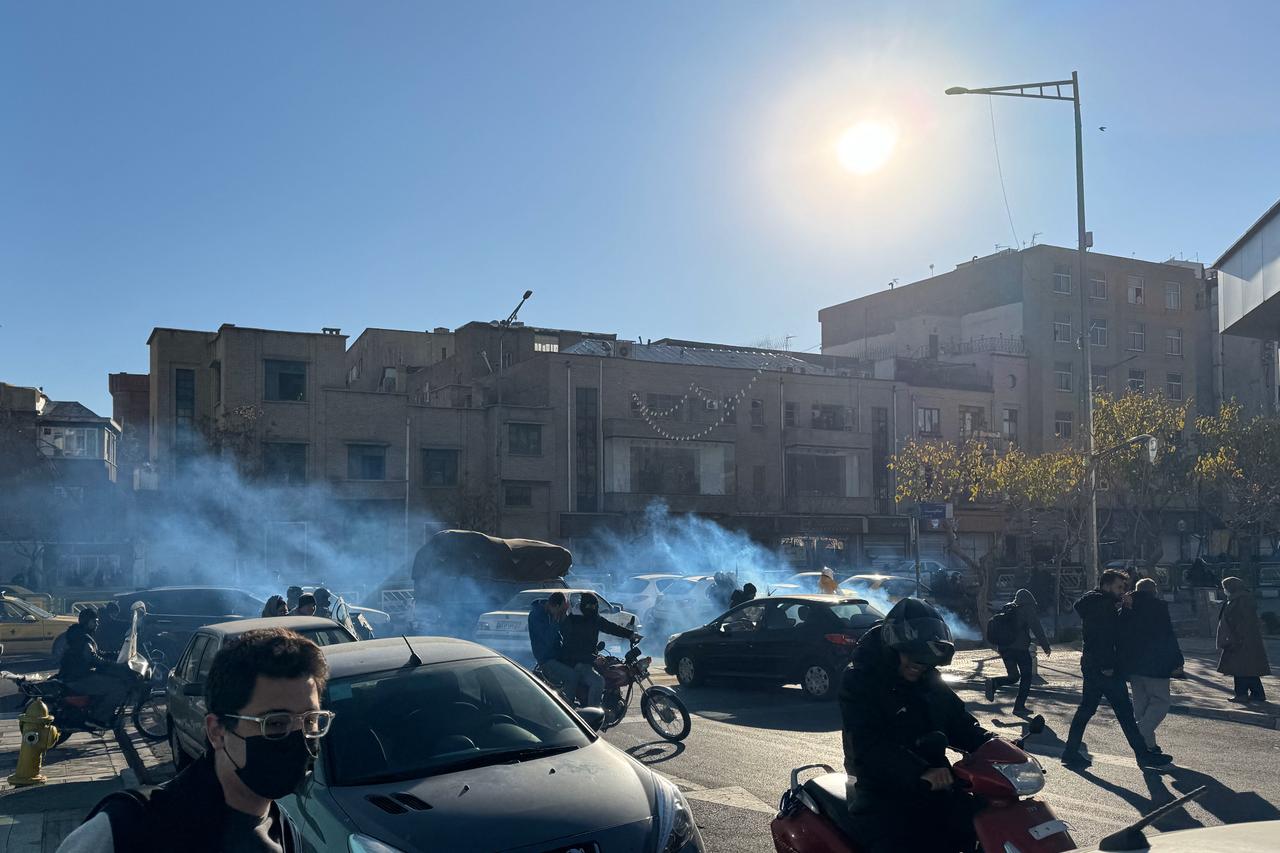
Security forces have deployed tear gas and established a heavy presence in protest areas, but demonstrations have continued despite the government's attempts at containment. The government declared a public holiday across much of the country Wednesday, officially citing cold weather, though observers suggested the move aimed to disperse crowds from the capital.


 Set as preferred source
 Set as preferred source


 1 min read
 1 min read