Newsletters


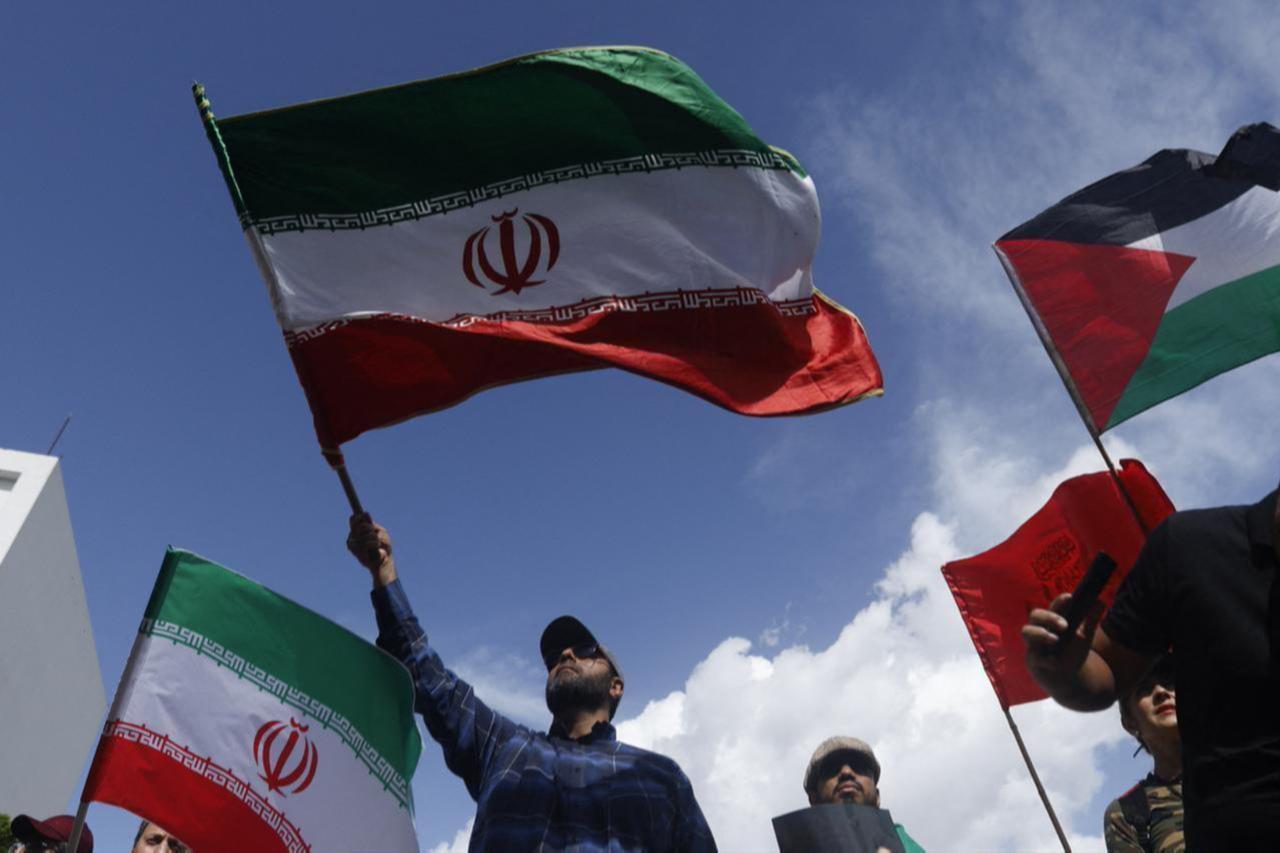


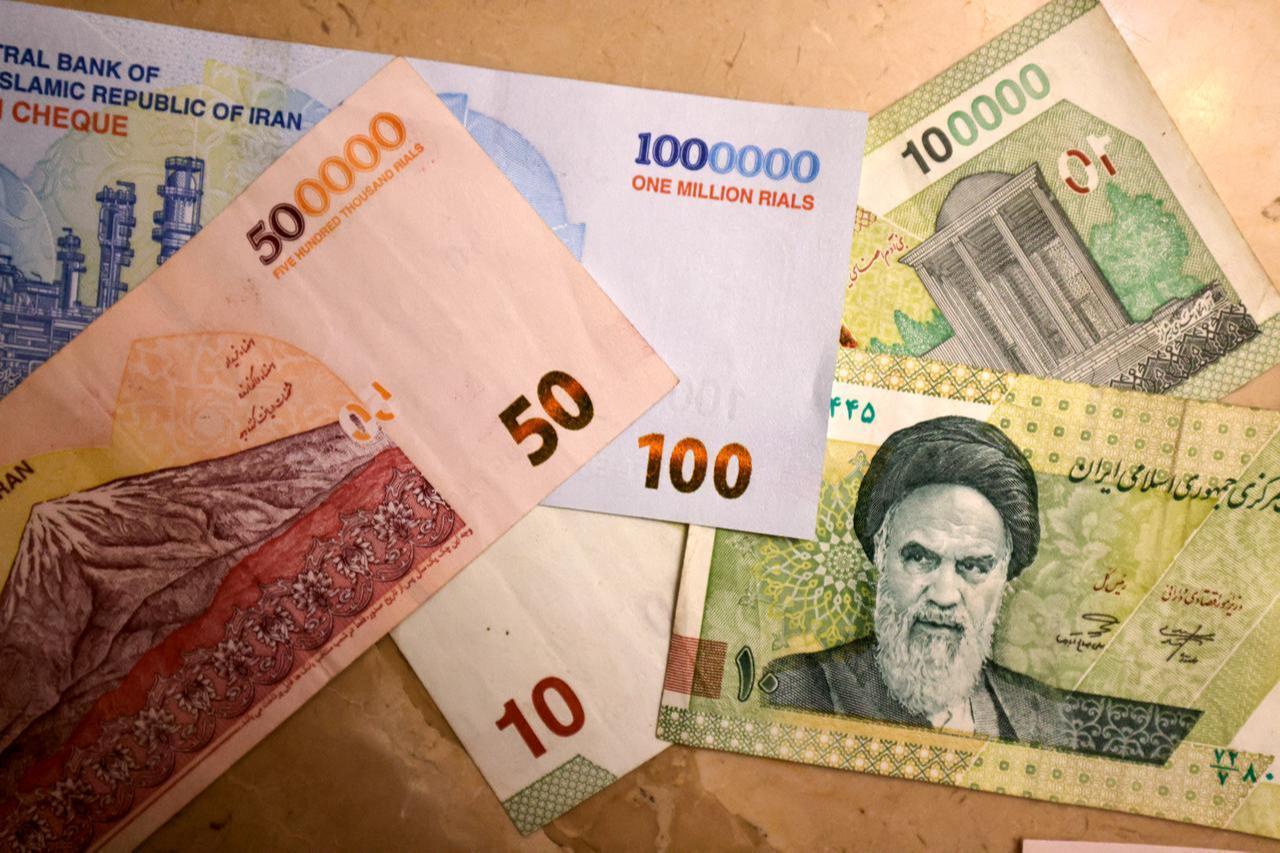
In Iran, the escalating economic crisis, deepening poverty, and the rise of the U.S. dollar to 1.45 million rials led to a strike by shopkeepers in the country’s covered bazaars.
What began as an economically motivated strike gradually escalated into a broader wave of protest, gaining support from various segments of society as individuals opposed to the regime also took to the streets.
Under the leadership of President Pazeshkian, the Iranian government chose to adopt a more moderate and conciliatory media discourse, unlike during the protests of 2019 and 2022. Accordingly, even social media restrictions were not imposed. However, the conciliatory tone used in the media was not reflected on the streets. In clashes between security forces and civilians, seven people lost their lives.
Although changes in monetary and fiscal policy were announced alongside the replacement of the central bank governor as part of efforts to address economic problems, the appointment of Abdolnaser Hemmati as central bank governor, despite his removal from office by a parliamentary vote, failed to restore public trust in the government. Following former President Trump’s statement that Washington would be prepared to open fire on Iran if civilians were shot, what had been an internal political issue for Iran officially became open to external intervention.
Driven by a convergence of market failure, political miscalculation, and diplomatic isolation, the evolution of the developments now defines the Iranian regime’s primary challenge.
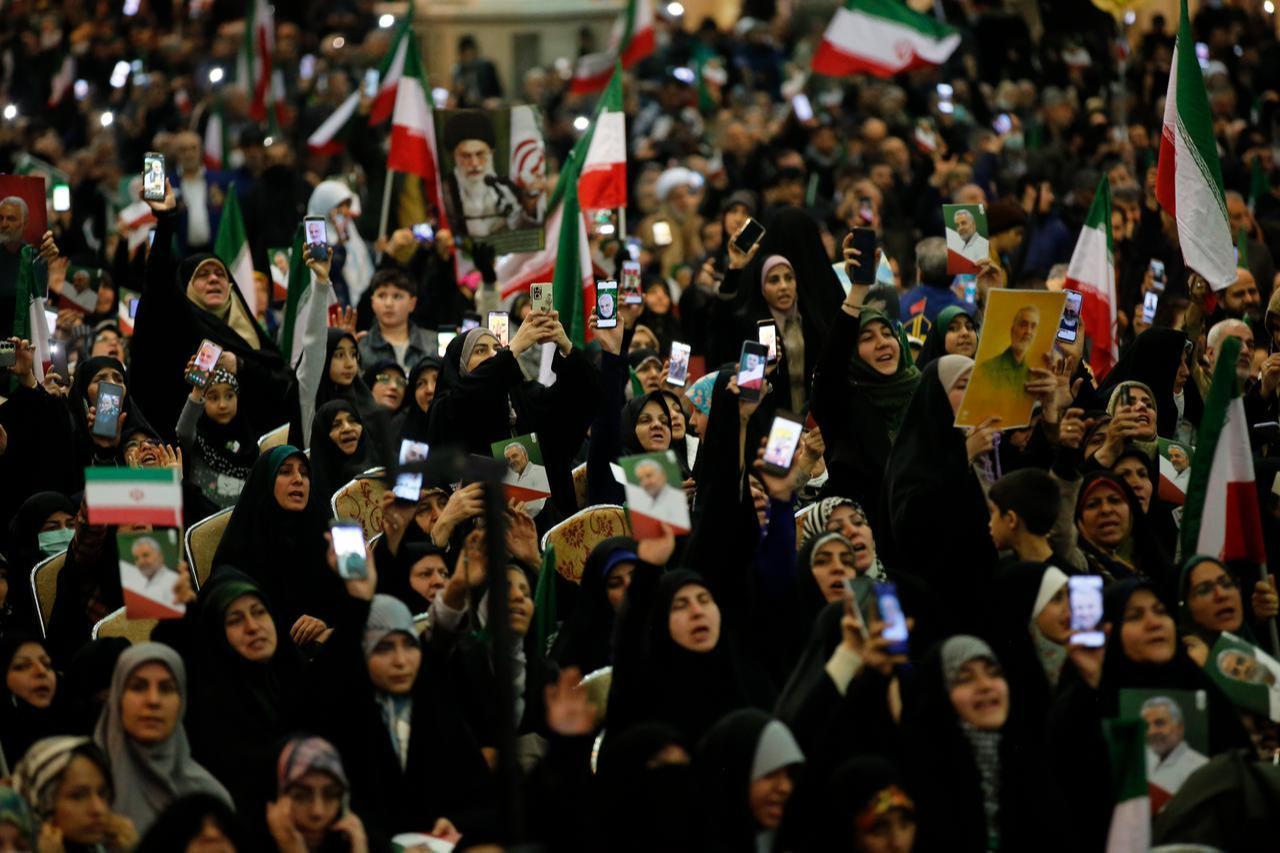
In recent days, thousands of people have taken to the streets across Iran in response to the ongoing economic crisis, with conditions continuing to deteriorate daily.
The current exchange rate stands at approximately 1.45 million Rials per U.S. dollar, compared to around 820,000 Rials last year. This reflects a 75% increase in the dollar exchange rate within a single year. For a country such as Iran, which is heavily dependent on imports, this sharp rise has had a direct and profound impact on everyday life.
An examination of average monthly wages indicates that incomes have declined to roughly $100 per month following the recent exchange rate increases. By comparison, calculations from 2016 place this figure at approximately $240–300.
The erosion of average monthly wages by nearly 300% over the course of roughly a decade constitutes one of the most significant developments driving large segments of the Iranian population to the streets.

Whether out of necessity or as a result of deliberate policy, the government and the media have adopted a more moderate and conciliatory stance toward the protesters. Media outlets close to the government have largely echoed this tone, and, notably, no social media restrictions have been imposed.
By contrast, during similar protests in 2019 and 2022, the government swiftly framed protesters as enemy agents through mainstream media, portraying them as a threat to national security. Simultaneously, it sought to sever the connection between Iran-based protests and the outside world by imposing strict social media restrictions.
In the current wave of protests, however, state television has employed more cautious language, seeking to avoid provoking demonstrators and limiting its commentary, often by quoting hardline media outlets rather than offering direct assessments.
President Masoud Pazeshkian, responding to the protesters’ demands, announced that the government would halt its heavily subsidized exchange rate policy. He also acknowledged that the existing system largely encouraged rent-seeking and failed to protect households, despite substantial public investment and financial support.
In an effort to contain the protests and introduce a new economic policy framework, President Pazeshkian accepted the resignation of Central Bank Governor Mohammad Reza Farzin and appointed Abdolnaser Hemmati as his successor. Hemmati had previously served as Minister of Economy in Pazeshkian’s cabinet until March 2, 2025, when 183 of the 273 members of parliament voted to remove him from office, citing high inflation and the continued devaluation of the Iranian rial.
Upon assuming his new position, Hemmati pledged to implement the controversial single exchange rate policy, a long-advocated proposal among economists that has never been fully realized due to domestic political constraints, international interests, and the impact of sanctions.
Pazeshkian’s decision to appoint Hemmati to a non-electoral position following his removal from ministerial office drew criticism from opposition figures, who viewed the move as a continuation of entrenched governmental practices.
Member of Parliament Zeynab Gheisari characterized Hemmati’s appointment as head of the central committee as “a disregard for the will of the representatives,” arguing that the government had ignored parliamentary authority. Similarly, MP Amir-Hossein Sabeti interpreted the appointment as a disregard for both the public and the country’s economic interests.
As street protests intensified and continued to spread daily, clashes erupted between police forces and civilians. According to the U.S.-based Human Rights Activists News Agency (HRANA), at least seven civilians have been confirmed dead so far. These deaths were reportedly recorded in Lordegan, Azna, and Kouhdasht.
In addition, images circulating on social media depict protesters setting vehicles on fire and chanting anti-government slogans. Among the slogans heard were “Death to the whole system” and “Long live the Shah (King),” a reference to Reza Pahlavi, the son of the former monarch. Pro-monarchy graffiti and slogans were also reported in Isfahan and Sistan-Baluchistan.
In response to these chants, Reza Pahlavi, the son of the deposed Shah, who lives in exile in the United States and drew criticism for his visit to Israel in 2023, shared a message on his X account stating, “I am with you.” He added, “Victory is ours because our cause is just and because we are united.”
“As long as this regime remains in power, the country’s economic situation will continue to worsen,” he further stated.
As the Iranian government seeks to suppress protests on the domestic front and stabilize the economy, it is simultaneously confronting a more complex challenge arising from statements made by Trump.
Trump’s remark on social media that Washington would come to the aid of peaceful protesters if Iranian authorities killed them prompted strong reactions within Iran’s political establishment. While the government interpreted these statements as interference in domestic affairs and as an implicit support for the protests, a senior adviser to Iran’s Supreme Leader, Ayatollah Ali Khamenei, cautioned that Trump should “be careful” if he were to intervene, warning that such actions could trigger instability across the Middle East.
Amid the economic crisis, currency fluctuations, strikes in the bazaar, and statements by Trump, Iran is facing a wave of protests unlike any it has experienced in many years.
For a country that has been attempting to stabilize and revive its economy by pursuing a more conservative policy approach—particularly following the recent Iran–Israel conflict—this situation has emerged as yet another pressing challenge requiring resolution.


 Set as preferred source
 Set as preferred source


 1 min read
 1 min read