Newsletters


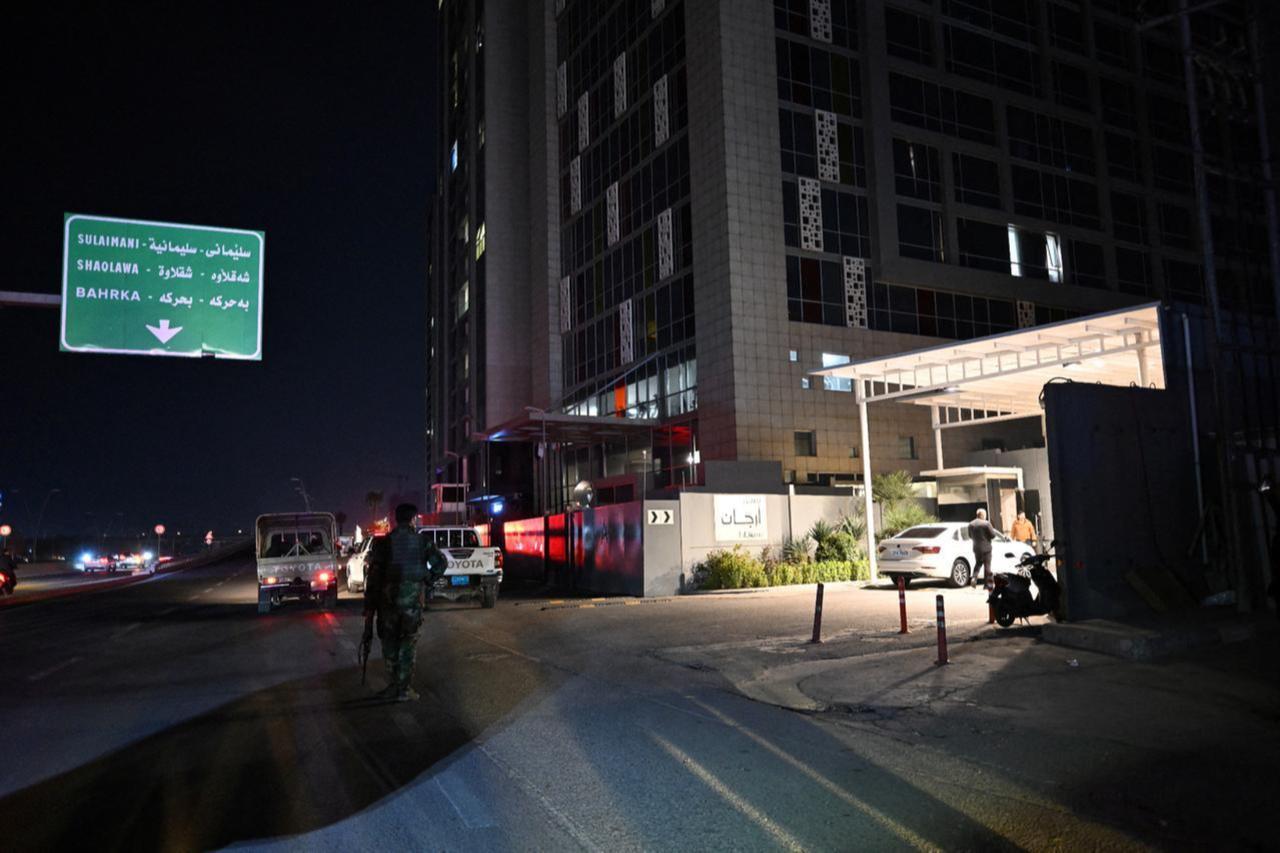


Iranian Foreign Minister Seyed Abbas Araghchi on Thursday escalated Tehran's pressure campaign against Gulf Cooperation Council nations hosting displaced U.S. military personnel, posting on social media that American soldiers had fled their bases to hide in hotels and offices across the region and urging GCC hotels to refuse them service, just as some hotels in the United States have denied bookings to federal agents.
Araghchi's post on X included a screenshot of a New York Times report detailing how Iranian strikes had rendered many American bases in the Middle East uninhabitable, alongside an email from a Hilton-affiliated property in the United States canceling a reservation over the guest's connection to immigration enforcement work.
"From outset of this war, U.S. soldiers fled military bases in GCC to hide in hotels and offices," Araghchi wrote. "They use GCC citizens as human shield. Hotels in U.S. deny bookings to officers who may endanger customers. GCC hotels should do same."
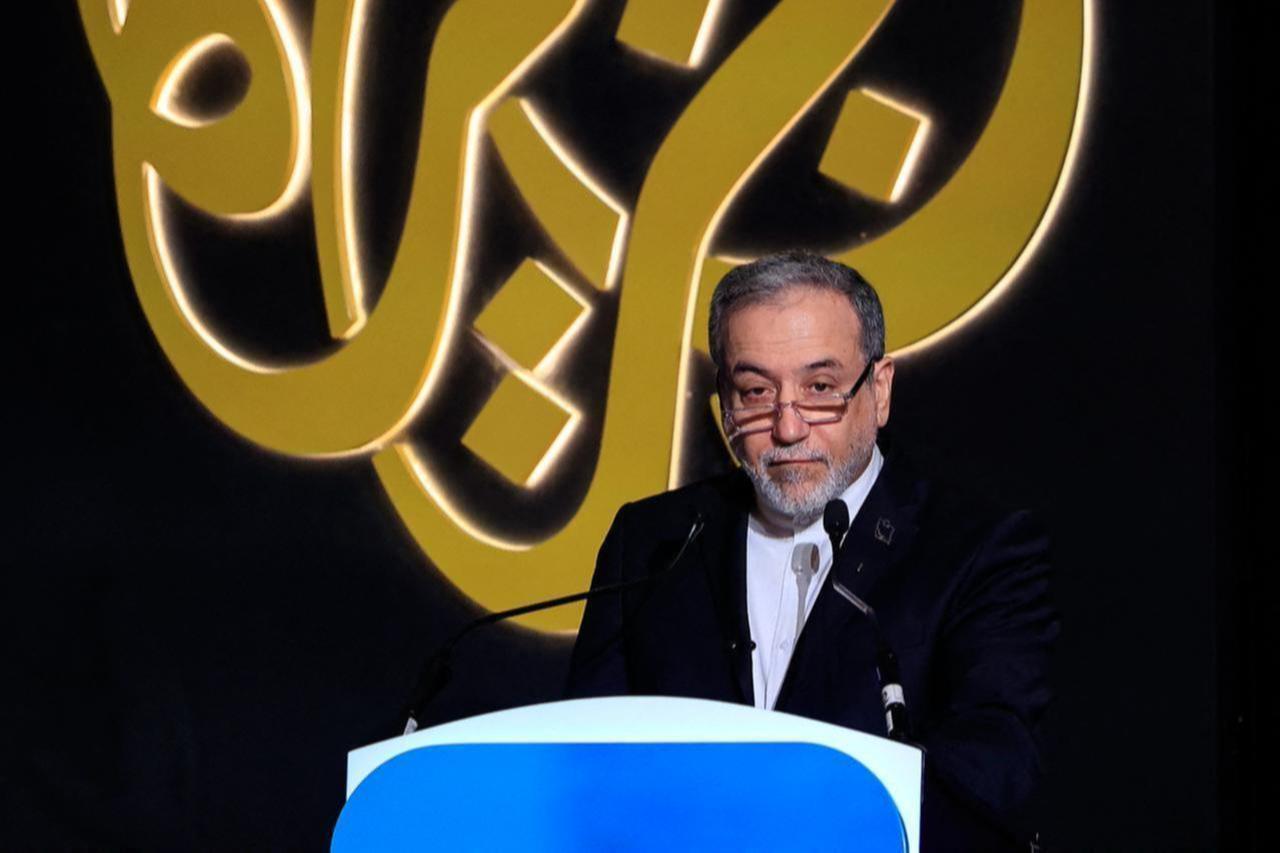

The New York Times report Araghchi shared, published on Tuesday, revealed that Iran's retaliatory strikes have left many of the 13 military installations used by American forces across the region all but uninhabitable.
Close to 40,000 U.S. troops were stationed in the Middle East when the war began on February 28, and U.S. Central Command has since dispersed thousands of them, some as far as Europe, while many others have relocated to hotels and office spaces throughout the Gulf, according to military personnel and American officials cited in the report.
The damage has been particularly severe in Kuwait, where Iranian strikes destroyed an Army tactical operations center at Port Shuaiba, killing six U.S. service members.
Iranian drones and missiles also struck Ali Al Salem Air Base, damaging aircraft structures and injuring personnel, and hit Camp Buehring, destroying maintenance and fuel facilities. In Qatar, Iran struck Al Udeid Air Base, the regional air headquarters of U.S. Central Command, damaging an early-warning radar system.
In Bahrain, a one-way attack drone struck communications equipment at the headquarters of the U.S. Fifth Fleet. At Prince Sultan Air Base in Saudi Arabia, missiles and drones damaged communications equipment and several refueling tankers, with one service member killed and several wounded.
Defense Secretary Pete Hegseth said last week that the U.S. had struck more than 7,000 targets across Iran and its military infrastructure. Gen. Dan Caine, the chairman of the Joint Chiefs of Staff, acknowledged that despite the punishing air campaign, the Iranians "still retain some capability."
Araghchi's demand that Gulf hotels refuse American guests comes against a backdrop of Iranian and proxy strikes that have already hit civilian hospitality infrastructure across the region.
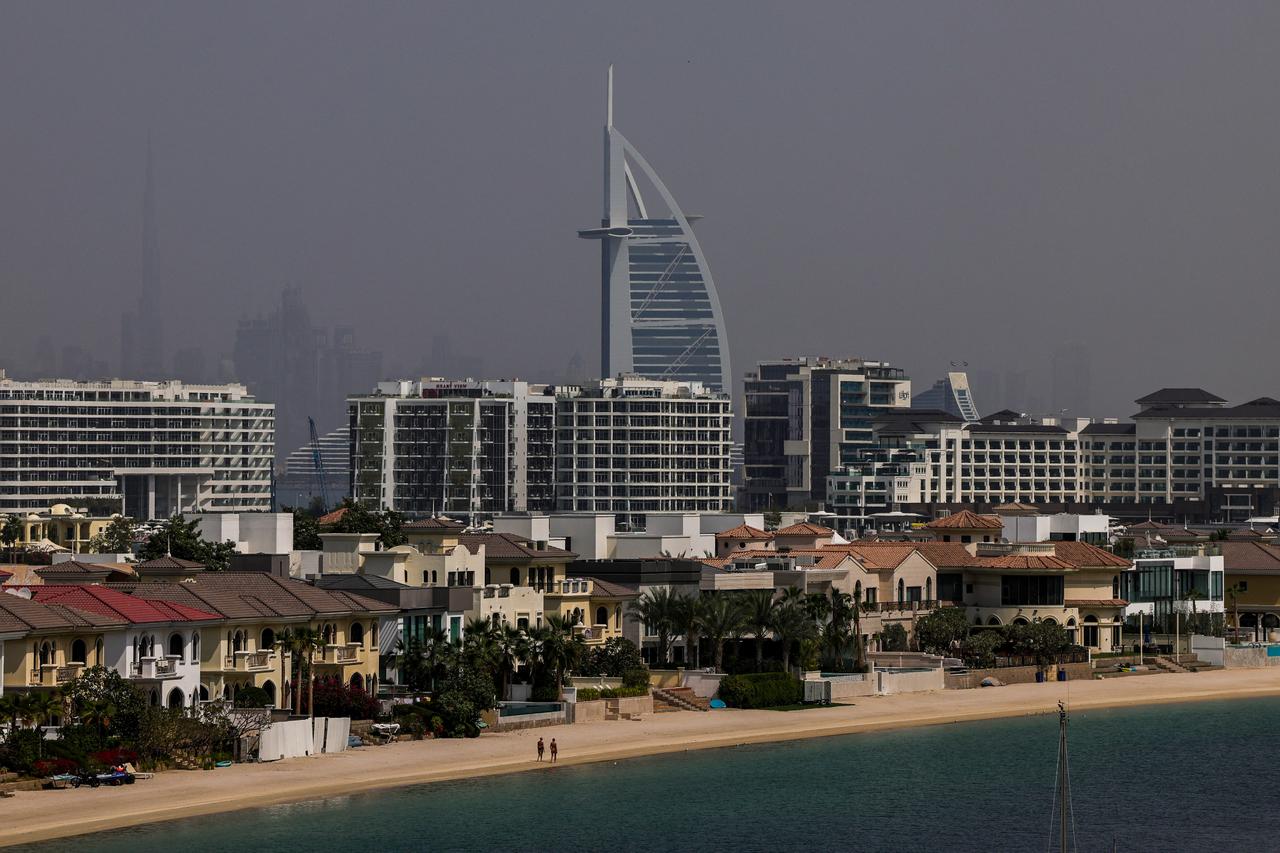
On the first day of the conflict, an Iranian Shahed-type drone struck near Dubai's Fairmont The Palm hotel on the luxury Palm Jumeirah waterfront, causing a large explosion and fire that injured four people. Debris from intercepted missiles also damaged the iconic Burj Al Arab.
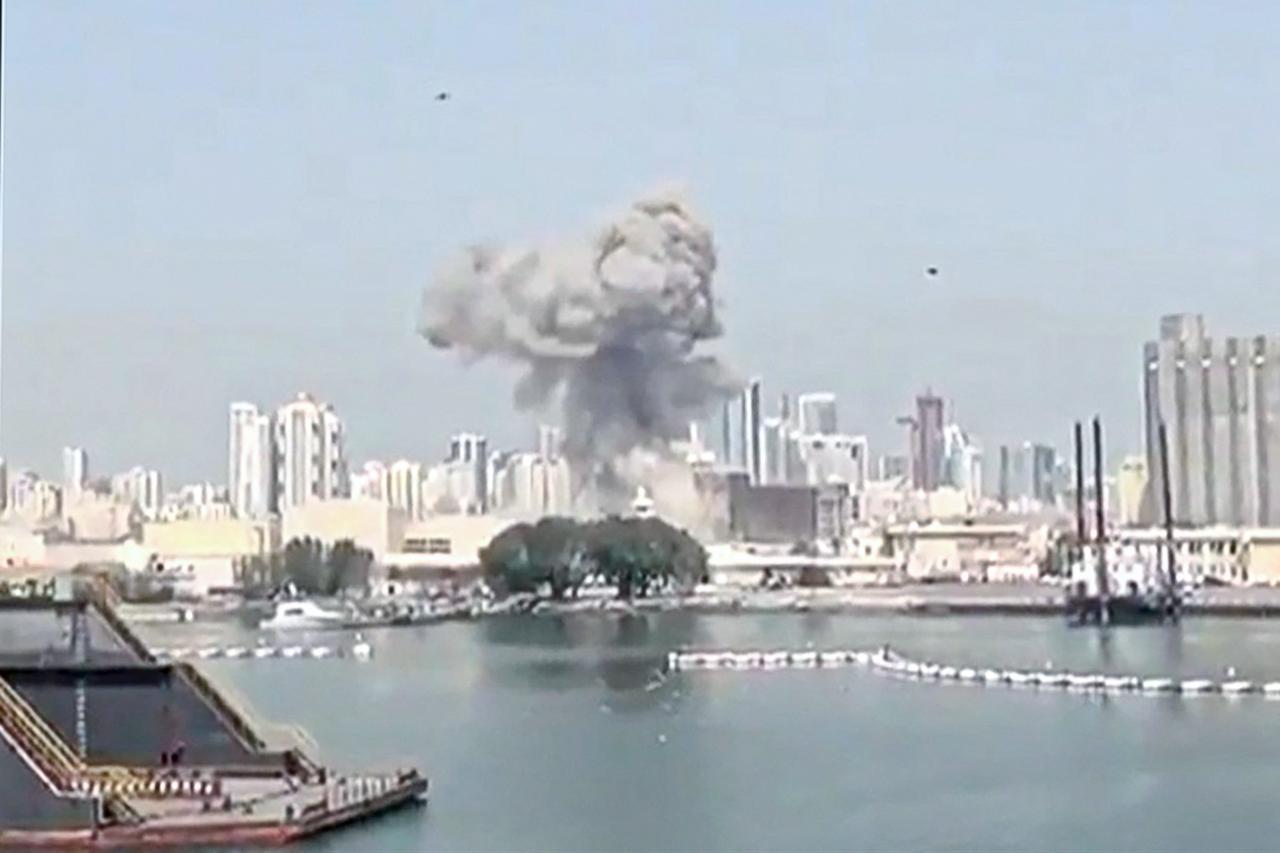
In Bahrain, an Iranian strike hit the Crowne Plaza hotel in the capital Manama, injuring two U.S. Department of Defense employees according to a State Department cable reviewed by the Washington Post.
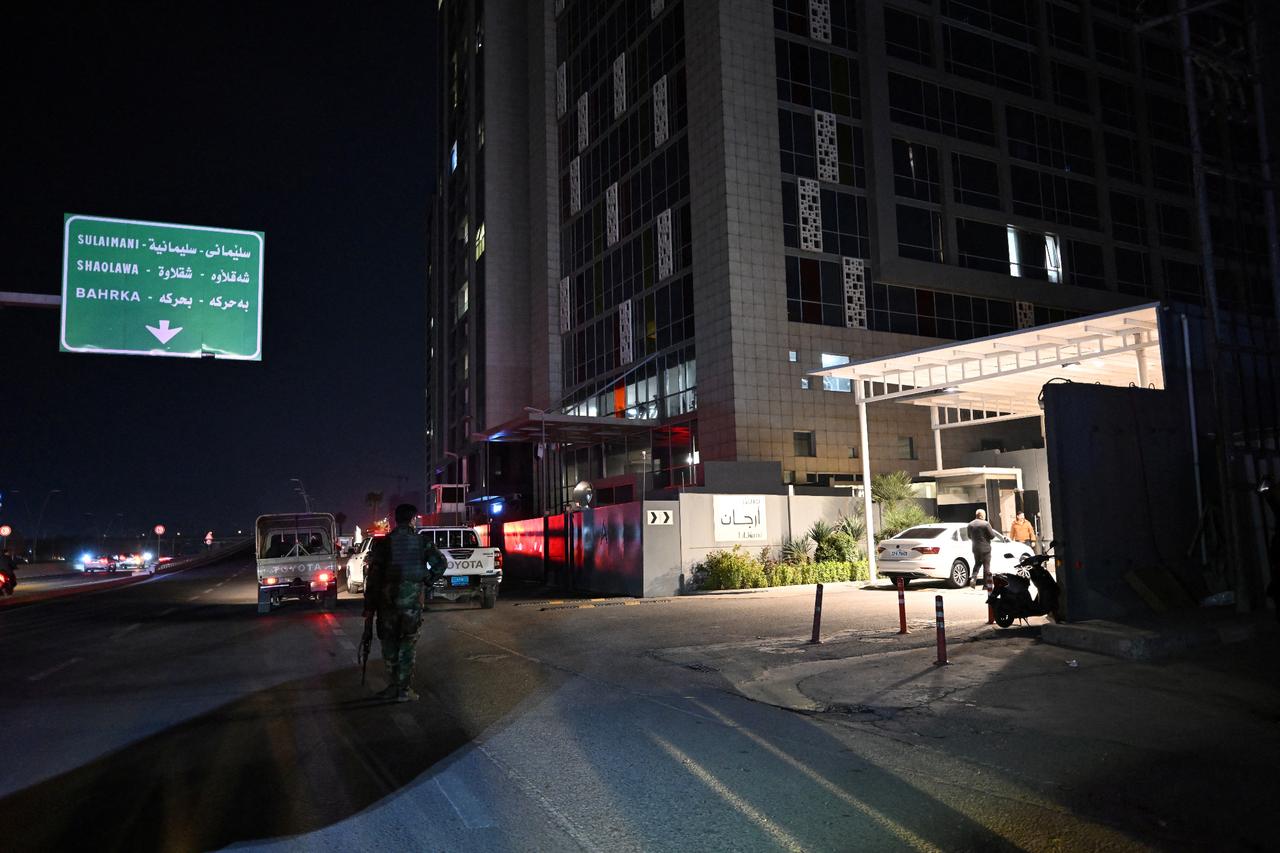
The U.S. Embassy in Bahrain subsequently warned Americans to avoid hotels in Manama. In Erbil, northern Iraq, the pro-Iran militia Ashab al-Kahf claimed responsibility for a drone strike on the upscale Arjaan Rotana Hotel on March 6, shortly after the U.S. Embassy in Baghdad had warned that pro-Iranian militias may attack hotels frequented by foreigners.
A video from March 17 also appeared to show a drone attack on the Al Rasheed Hotel in Baghdad's Green Zone.
Human Rights Watch reported on March 17 that Iranian attacks had struck civilian residential buildings, hotels, civilian airports and financial centers across GCC countries, calling the strikes unlawful and warning of grave risks to civilians.


 Set as preferred source
 Set as preferred source


 1 min read
 1 min read