Newsletters


Iraq has suspended Iranian flights at all four airports where they operated, after Washington moved to sanction companies doing business with Iranian airlines, sources and state media said Friday.
Erbil and Sulaimaniyah halted the flights starting Friday, two sources told Reuters, following earlier suspensions at Baghdad and Najaf.
An adviser to Iran's leader warned that flights in the region are "either free for everyone or for no one."
Iranian airlines were barred from neighboring countries, including the United Arab Emirates and Oman, the first big impact of a U.S. policy shift to target companies in third countries that do business with Iran.
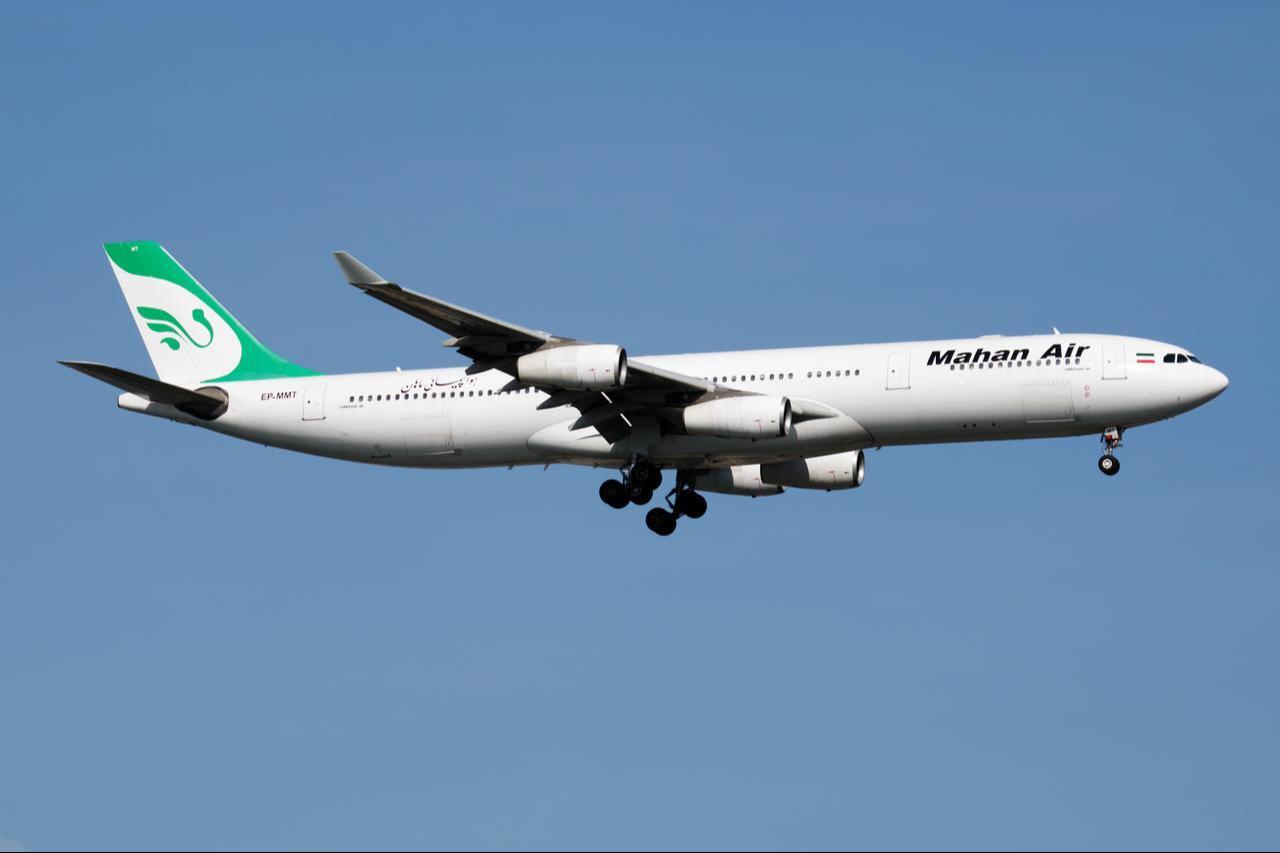

Iraq ordered its civil aviation authority to halt Iranian flights to Baghdad airport from Wednesday, two separate sources told Reuters earlier in the week. The government was discussing diverting the flights to Najaf at the time, the sources said.
Tehran-Najaf flights were later canceled as well, according to Türkiye's state-run Anadolu Agency (AA).
Najaf International Airport suspended all flights to and from Iran on Friday until further notice, citing directives from authorities.
"Based on official directives issued by the competent authorities, it has been decided to suspend all incoming and outgoing flights to and from the Islamic Republic of Iran starting at 2:00 a.m. Friday (11:00 p.m. GMT Thursday), Sept. 25, 2026, until further notice," the airport administration said in a statement carried by the state-run Iraqi News Agency.
The airport urged relevant parties to notify airlines and other operators and said any decision to resume flights would be announced officially.
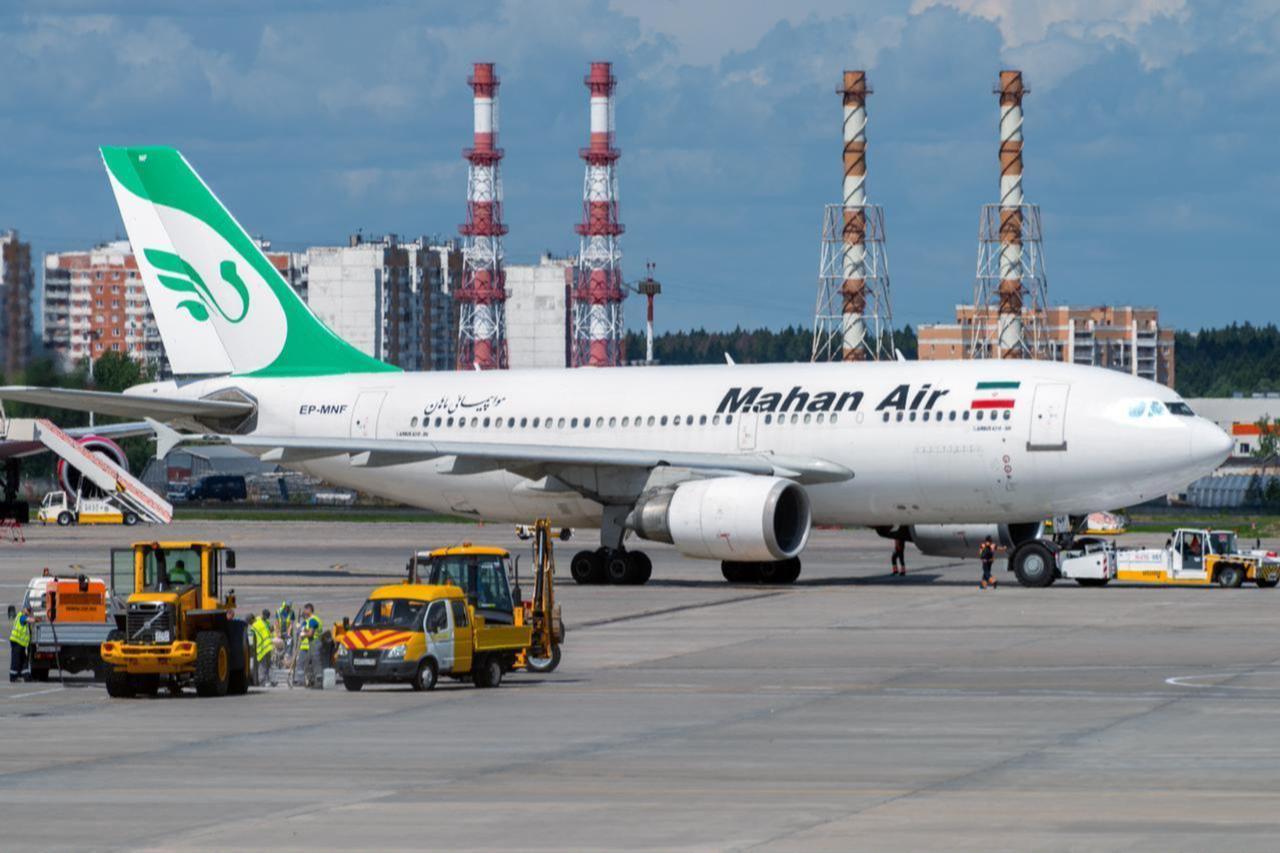
Iran's Civil Aviation Organization announced Tuesday that flights from Tehran to Baghdad and to Muscat, Oman, would be canceled beginning early Wednesday.
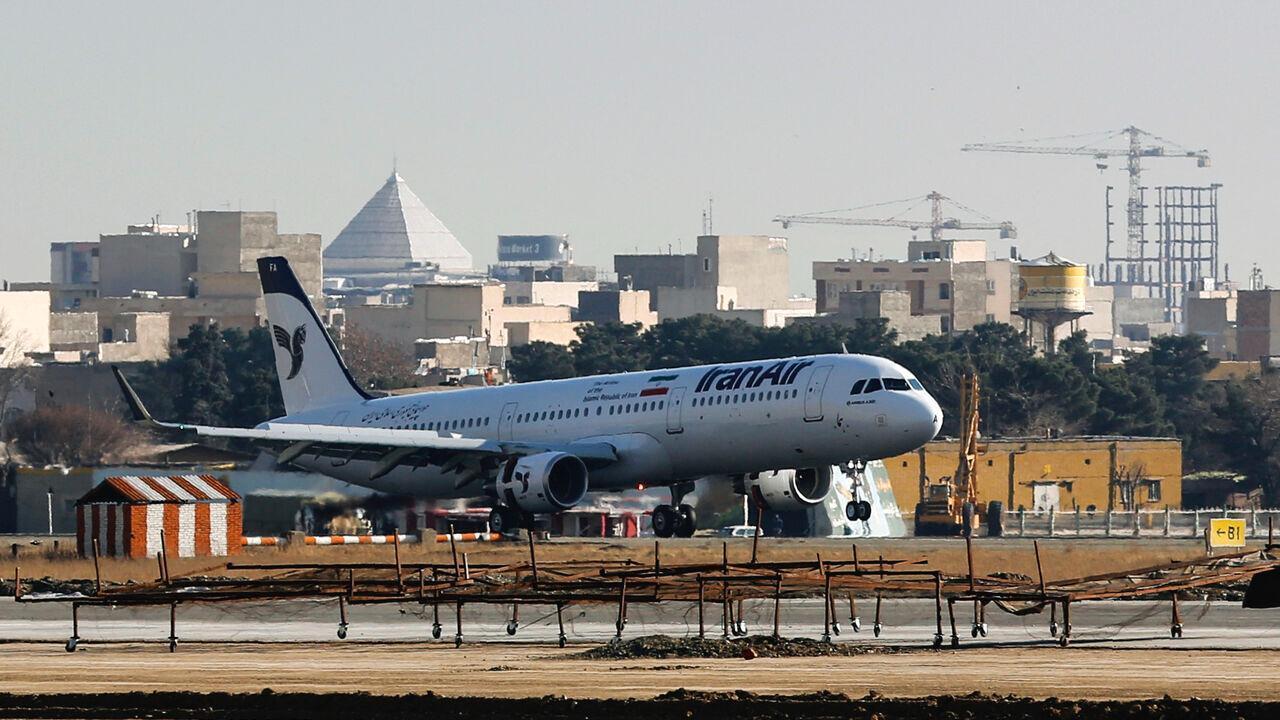
Washington announced it would sanction any global companies doing business with Iranian airlines after Sept. 23, with the aim of grounding Iran's entire civilian fleet worldwide.
U.S. Treasury Secretary Scott Bessent said Tuesday that Iranian airlines' operations worldwide would come to a halt as of Sept. 23 as part of sanctions on Iran.
The move extends U.S. financial sanctions to companies from third countries that do business with Iranian firms, a practice known as "secondary sanctions."
U.S. President Donald Trump called the new strategy "economic D-Day" last month, comparing it to the World War II Allied assault on Nazi-controlled France.
The UAE, the Middle East's biggest travel hub, suspended flights by Iranian carriers until further notice on Thursday, according to the state-run WAM news agency.
"The decision was made in light of the U.S. ban imposed on Iranian airlines from using airports in various countries around the world," the UAE's General Civil Aviation Authority said.
Azerbaijan, Georgia and Oman have also halted flights to and from Iran following the new U.S. sanctions.
A Tehran-Dushanbe flight was forced to return to Tehran's Imam Khomeini International Airport after Turkmenistan did not permit Iranian airlines to use its airspace.
Mohammad Mokhber, an adviser to Iran's leader Mojtaba Khamenei, said on X that "hostile" policies pursued against Iran alongside the U.S. would remain in the minds of the Iranian people.
"Although our strategy on this issue is clear, flights in the region are either free for everyone or for no one," Mokhber said.
"If Iran cannot operate flights and receive ground services at airports, no country in the region will obtain these capabilities," he said.
A sustained ban on Iranian flights could deepen Iran's isolation and worsen its economic crisis as the country already faces a U.S. blockade of its ports.


 Set as preferred source
 Set as preferred source


 1 min read
 1 min read