Newsletters




Israel has about $10 billion in outstanding orders for U.S. military equipment that are not covered by existing American aid commitments through 2028, complicating President Donald Trump’s plan to end U.S. aid to Israel by the end of this year, The Wall Street Journal (WSJ) reported.
The figure, as of April 1, comes from a State Department letter sent to the office of Rep. Joaquin Castro, D-Texas, and reviewed by the WSJ. The requirements "could be covered either by FMF, national funds, or both," the letter said, meaning either Washington or Israel could end up paying.
It is unclear how much the amount has changed since then.
"Even if the MoU ran its full course to 2028, there’s still $10 billion above and beyond that, and there’s an issue of who’s going to pay for that," Castro said.
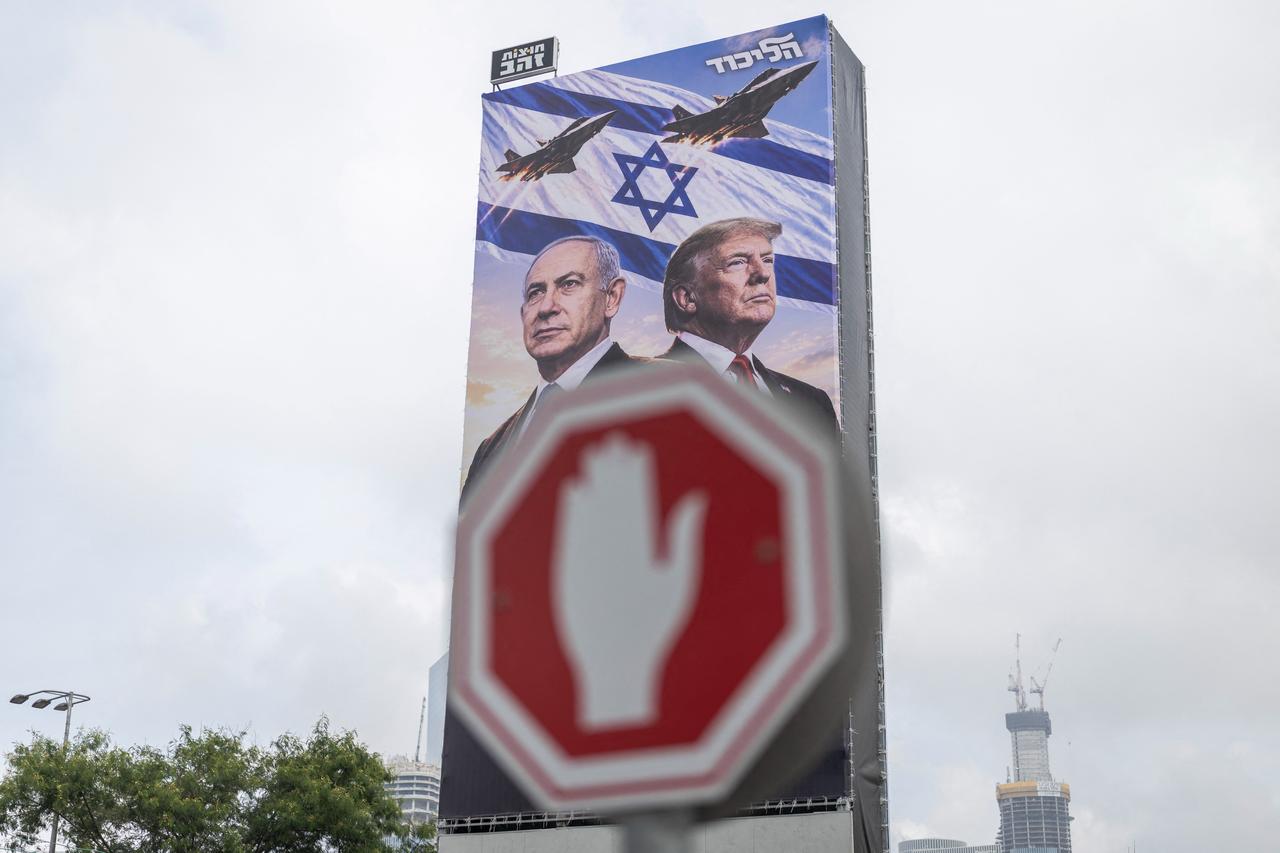
"Netanyahu and I have made a deal that we give Israel $4 billion a year, and we made a deal months ago that we’re stopping, and they’re fine with it because, you know, they’ve become a very successful country that are not in need, and we won’t be paying any more to Israel," Trump told Fox News on Tuesday.
"You can consider it barter. You can consider military aid or cash. Look, we give them $4 billion of things and money, and they don’t need it," he said, adding that Israel remains free to buy U.S. weapons.
"The left uses the $4 billion payment that everybody knows about, when it’s no secret, as a signal of unfairness, and we can’t allow that to happen," Trump said, adding that Netanyahu initiated the proposal. Israeli officials have not confirmed a formal accord.
Netanyahu has previously proposed eliminating direct aid over the coming decade, the Journal reported. Vice President JD Vance cited the war in Iran and the U.S. relationship with Israel among the main reasons voters turned against Republicans.

"We did not expect this announcement, and certainly not today. There is an ongoing dialogue with the Americans, and it can be said that we were surprised. We will examine the implications of the decision, which has not yet reached the relevant professional authorities," a senior security official told public broadcaster KAN.
Israel’s Finance Ministry first learned of the plan from Trump’s announcement, Channel 12 reported. Officials want to know who will pay for fighter jets under signed contracts and whether funding stops at year-end or shifts gradually to a new model. Just two weeks earlier, on Oct. 20, an Israeli Defense Ministry delegation visited Alabama to discuss future purchases with U.S. Army Security Assistance Command.
KAN economic commentator Shaul Amsterdamski estimated that a January cutoff would leave an immediate gap of 12 billion shekels ($3.8 billion) a year, most likely covered by higher taxes.
"If Trump’s statement is true, this is an extremely dangerous decision for the Israeli economy. Giving up two years of American aid effectively means losing $8 billion. Where are we supposed to get this money? Obviously, it will come through imposing taxes on citizens," a senior economic official told Yedioth Ahronoth.
Democrats leader Yair Golan said: "The decision comes at a time when Israel’s defense spending has reached enormous levels and the country needs to replenish its stockpiles of offensive weapons. Israel’s air defense capabilities have been depleted after such a prolonged war."
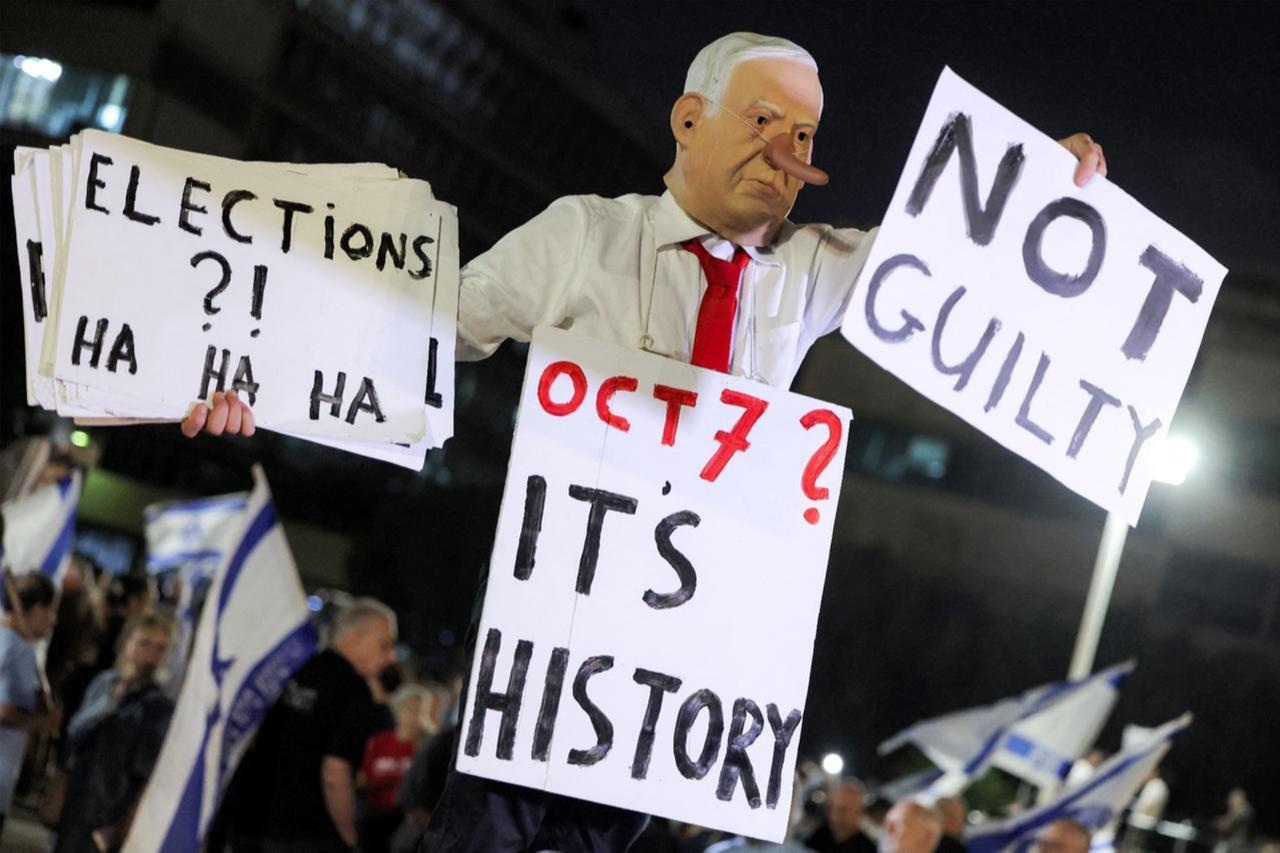
He added: "Netanyahu has another enormous failure to his name."

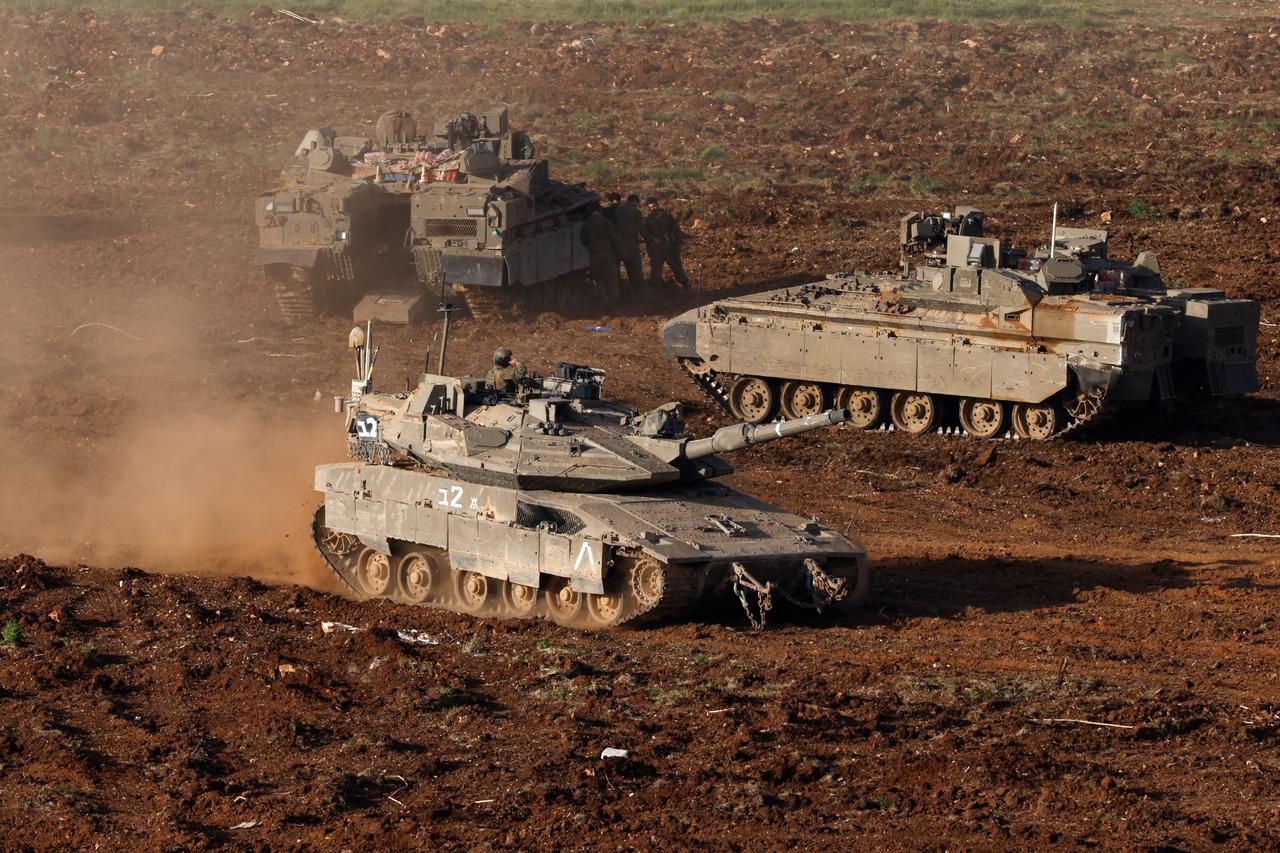
Israel’s air force logged as many flight hours over the past three years as it would in nine years of peacetime, and the military used as much ammunition in that period as in the three previous decades.
Israel already spends about 7% of its GDP on defense, more than any NATO member.
Under a 10-year memorandum of understanding signed in 2016, the U.S. committed $38 billion for fiscal 2019-2028: $3.3 billion a year in Foreign Military Financing and $500 million for missile defense. The system lets Israel buy equipment using pledged future funding before receiving the money. Congress approved about $26 billion more in 2024 during the Gaza war.
The U.S. has provided about $174 billion in military assistance and funding to Israel from 1948 through May 2025, not adjusted for inflation, according to the Congressional Research Service. The Council on Foreign Relations puts total U.S. economic and military aid at over $300 billion adjusted for inflation, while a State Department report put bilateral assistance at more than $130 billion.
As of April 2025, the two countries had 751 active Foreign Military Sales cases worth $39.2 billion, including F-35 jets, CH-53K helicopters, KC-46A tankers and precision-guided munitions, according to the State Department.
Israel plans to buy a squadron of 25 additional F-35s.
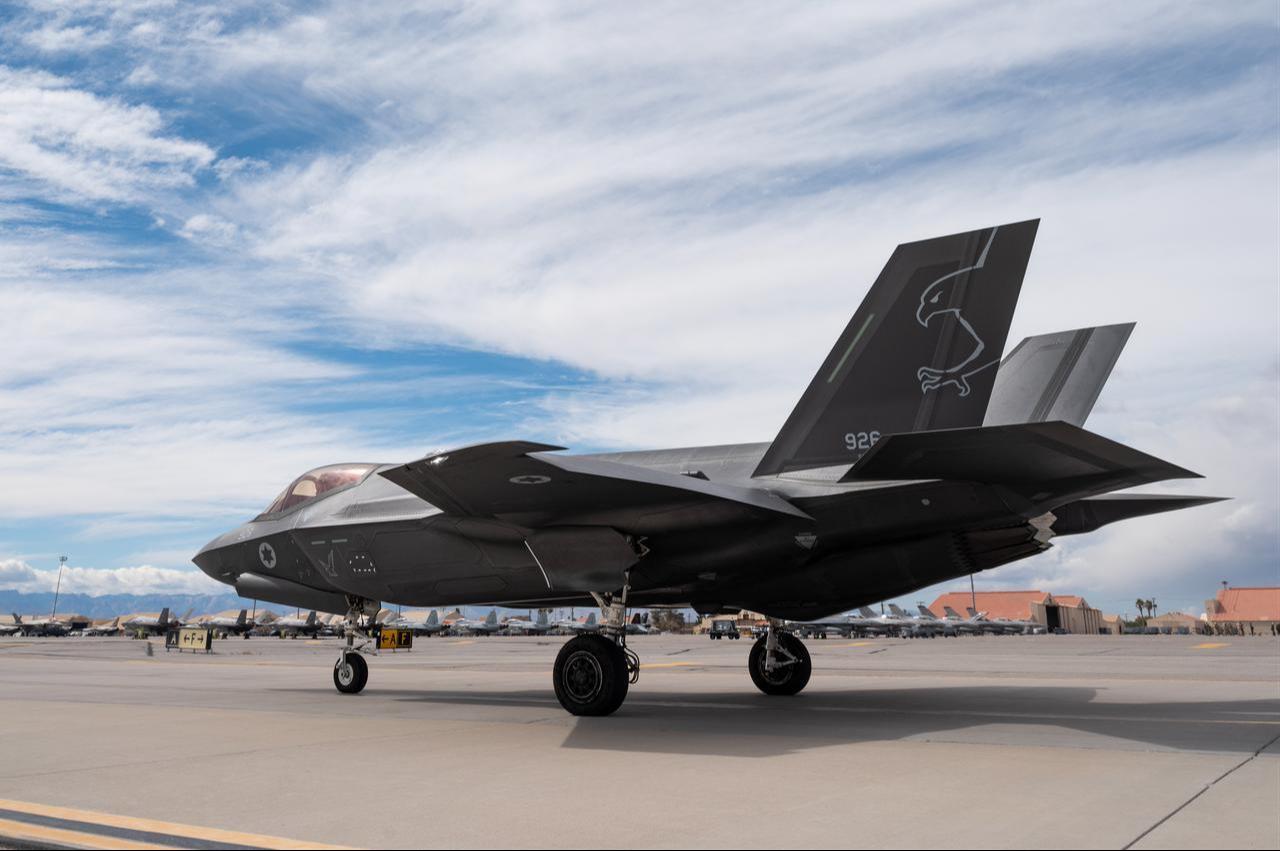
Lawmakers have drafted legislation to shift from financing to joint production as part of the National Defense Authorization Act, expected by year-end. Advocates cite past successes such as Iron Dome; critics say it would embed Israel deeper in Pentagon supply chains and make it harder to repeal.
Current U.S. law also commits Washington to ensuring Israel’s "qualitative military edge," which cutting aid would make more difficult.
"It’s not plausible we stop by the end of this year," said Josh Paul, a former State Department official who resigned over U.S. policy on the Gaza war and supports ending aid.
"We’ve not seen anything yet to substantiate this," he told WSJ.
Support for Israel has declined in both U.S. parties after years of war in Gaza, where more than 74,000 Palestinians have been killed. Unwinding U.S. aid to Israel would likely take years, officials said.


 Set as preferred source
 Set as preferred source



 3 min read