Newsletters




Iraq's newly elected president nominated Ali al-Zaidi, a 40-year-old businessman and banker with no prior government experience, as prime minister-designate Monday, capping weeks of tense political maneuvering shaped by an American ultimatum that effectively blocked a pro-Iran candidate from the post.
"President Nizar Amede has tasked Ali al-Zaidi, the candidate of the largest parliamentary bloc, with forming the new government," the Iraqi presidency said in a statement.
Zaidi, who owns a television channel and has never held public office, would become Iraq's youngest prime minister if he succeeds in assembling a cabinet within the constitutionally mandated 30-day window, a deadline the country's leaders have routinely failed to meet.
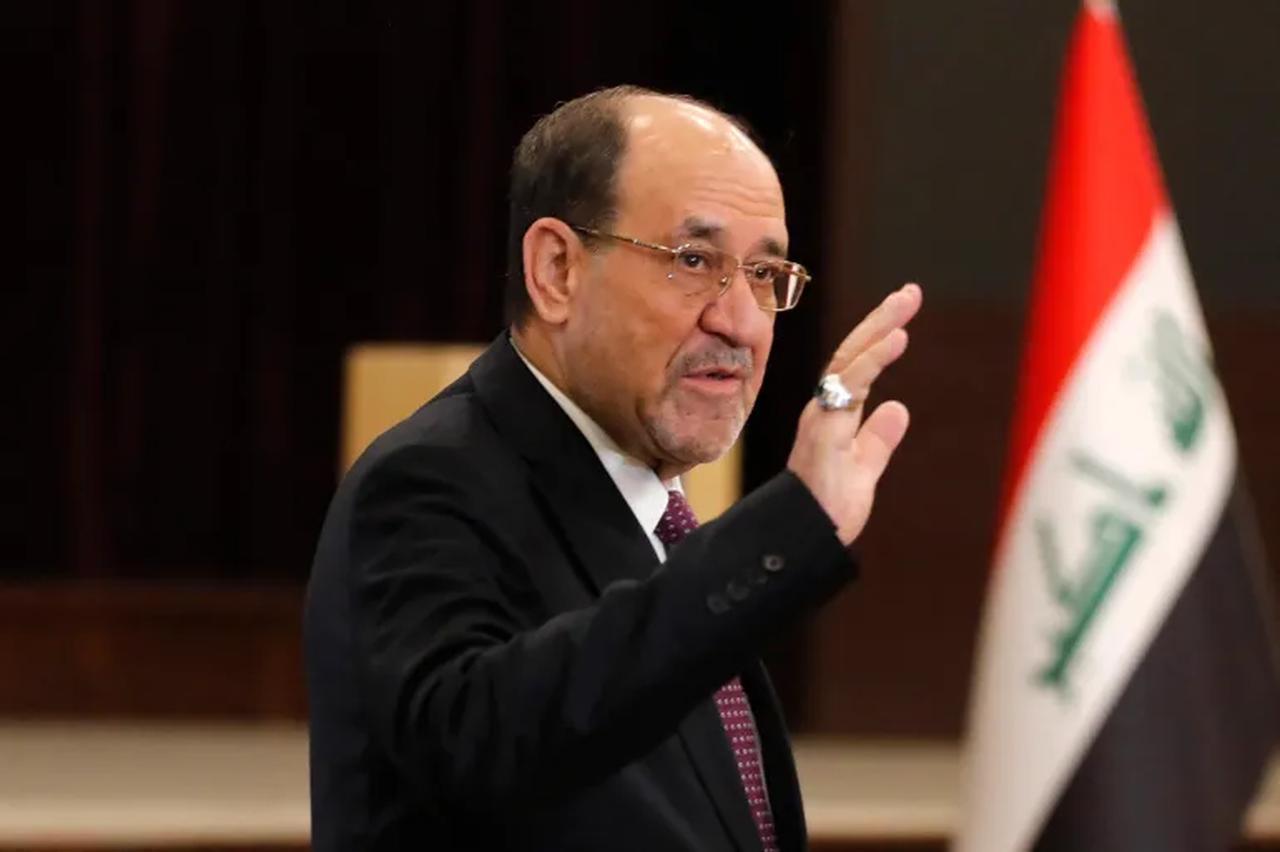

The Coordination Framework, a coalition of Shia factions with varying ties to Tehran, had initially backed former two-time premier Nouri al-Maliki for the role. But US President Donald Trump issued an ultimatum in January, threatening to cut all support for Iraq if Maliki, who maintains close ties to Iran, returned to power. Iraqi leaders spent weeks in intensive negotiations before ultimately yielding to Washington's demands.
The framework endorsed Zaidi as its candidate shortly before Monday's presidential announcement, praising what it called "the historic and responsible stance" of both Maliki and caretaker Prime Minister Mohammed Shia al-Sudani for withdrawing their candidacies. Maliki, for his part, congratulated the prime minister-designate and pledged his support.
Zaidi is described as a compromise figure, largely unknown in political circles. Political analyst Hamzeh Hadad noted that Zaidi appears to have "the tools" as a banker and TV channel owner "to help him sway people and politicians," and that his nomination "allows the Coordination Framework to claim they are abiding by the constitutional timeline," regardless of whether a government is ultimately formed.
Iraq's political landscape has long been defined by its precarious position between two rival powers. The 2003 US-led invasion that toppled Saddam Hussein dismantled existing power structures and, over time, opened the door to significant Iranian influence in Baghdad's halls of government. Since then, Iraqi leaders have struggled to balance relations with both Washington and Tehran.
By convention, Iraq's power-sharing arrangement reserves the prime ministership for a Shia politician, the parliamentary speakership for a Sunni, and the largely ceremonial presidency for a Kurd.
The nomination unfolded against the backdrop of a broader regional conflict triggered by a joint US-Israeli attack on Iran. Iraq was drawn into the fighting, with strikes targeting both US interests and Tehran-backed armed groups on Iraqi soil. Political negotiations over the premiership slowed considerably during the war and resumed in earnest only after a fragile US-Iran ceasefire took effect on April 8.
The incoming premier will face immediate pressure from Washington to disarm Iran-backed factions operating in Iraq, which the US has designated as terrorist organizations, and to repair frayed ties with Gulf states that protested attacks on their territory by Tehran-aligned groups during the conflict.
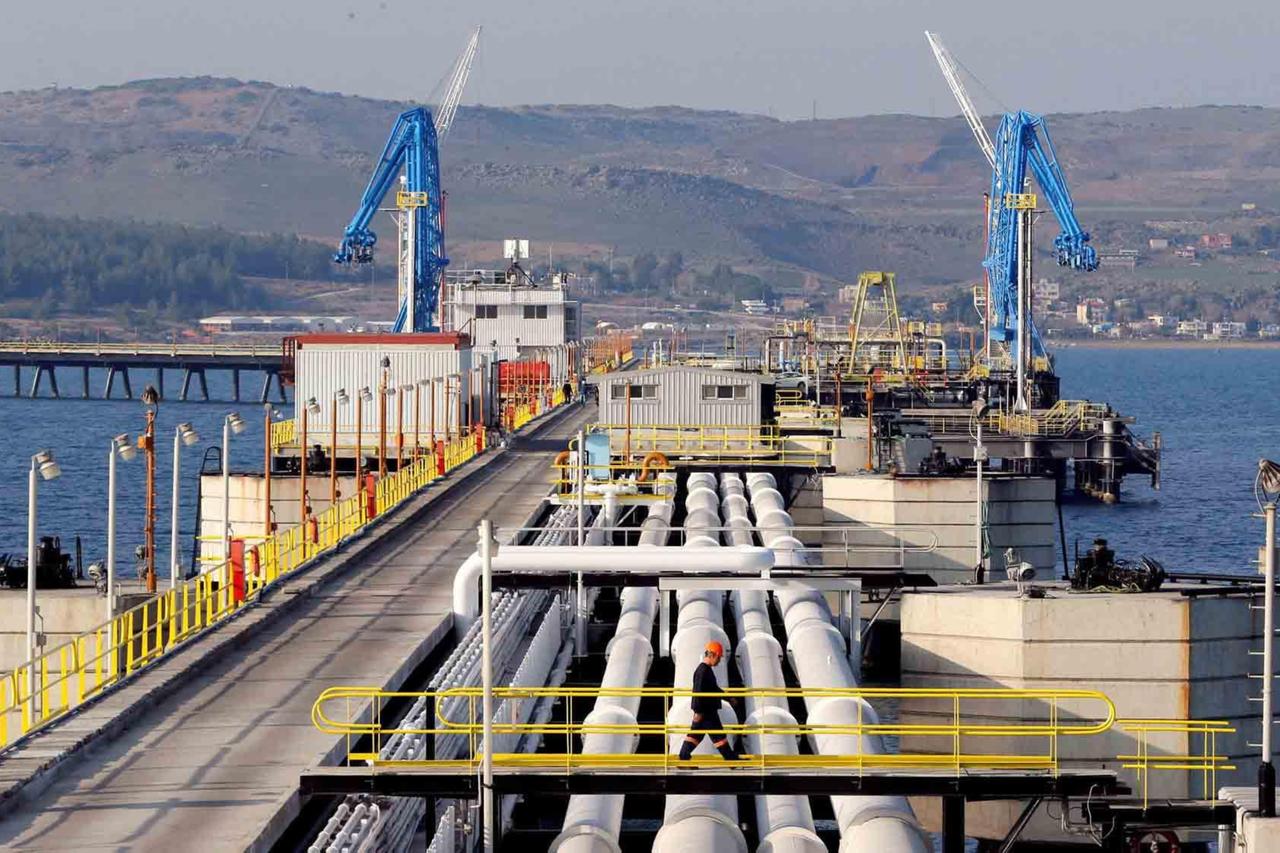
Zaidi also inherits a daunting economic situation. Oil exports account for roughly 90 percent of Iraq's budget revenues, and disruptions to shipping in the Strait of Hormuz during the regional war dealt a sharp blow to that income. Despite enjoying a degree of stability in recent years after decades of conflict, Iraq's politics remain volatile and its economy fragile.
Despite the challenges ahead, oil-rich Iraq has cautiously emerged from its most turbulent era, and Zaidi's nomination signals at least a provisional consensus among the country's fractious political elite.


 Set as preferred source
 Set as preferred source


 1 min read
 1 min read