Newsletters


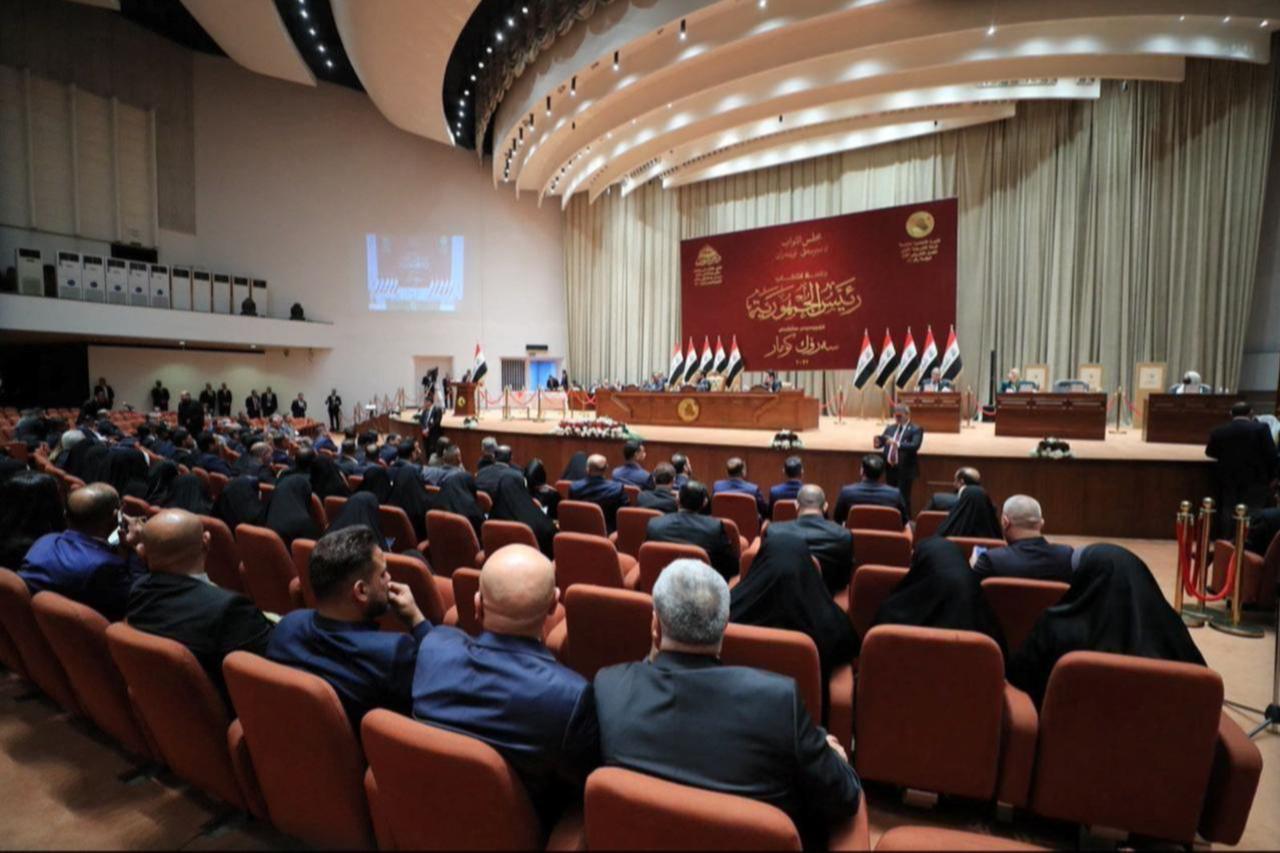


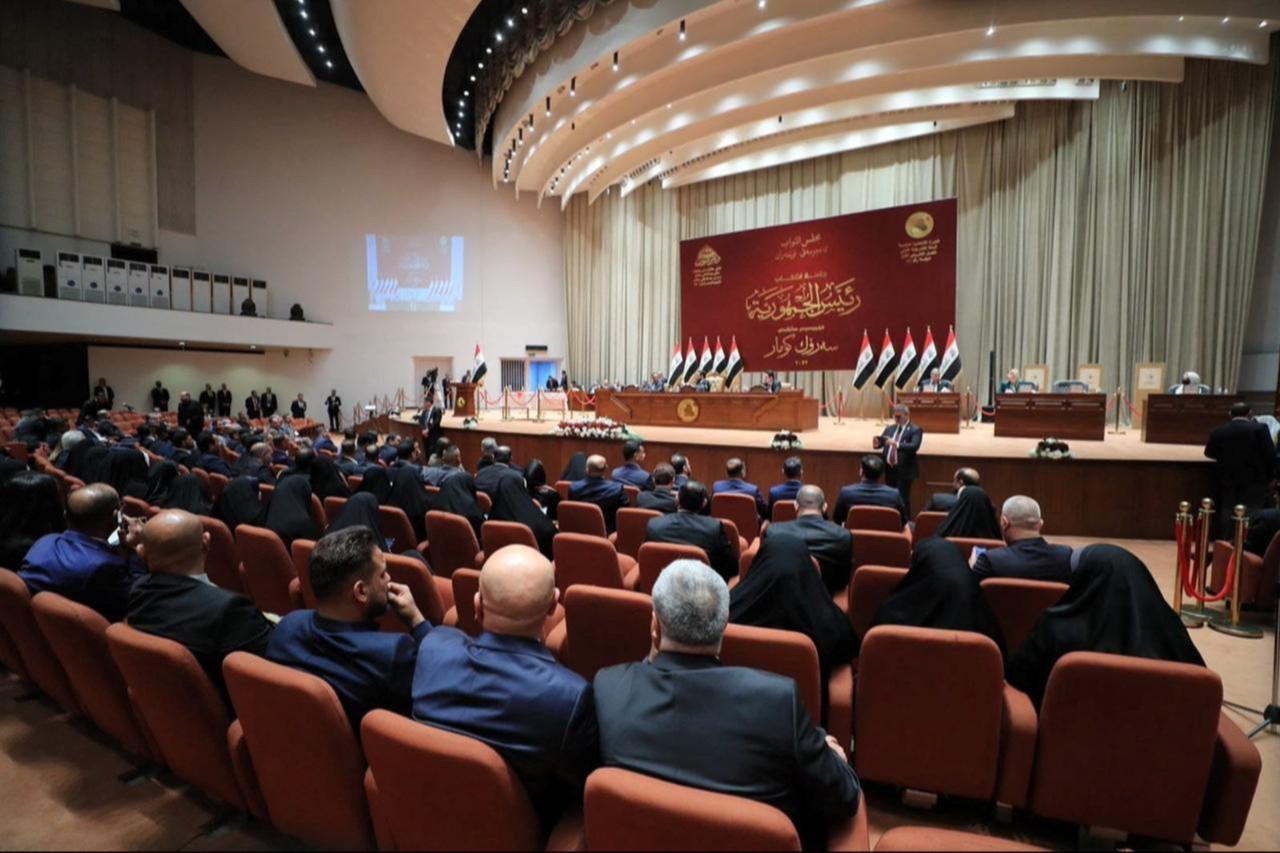
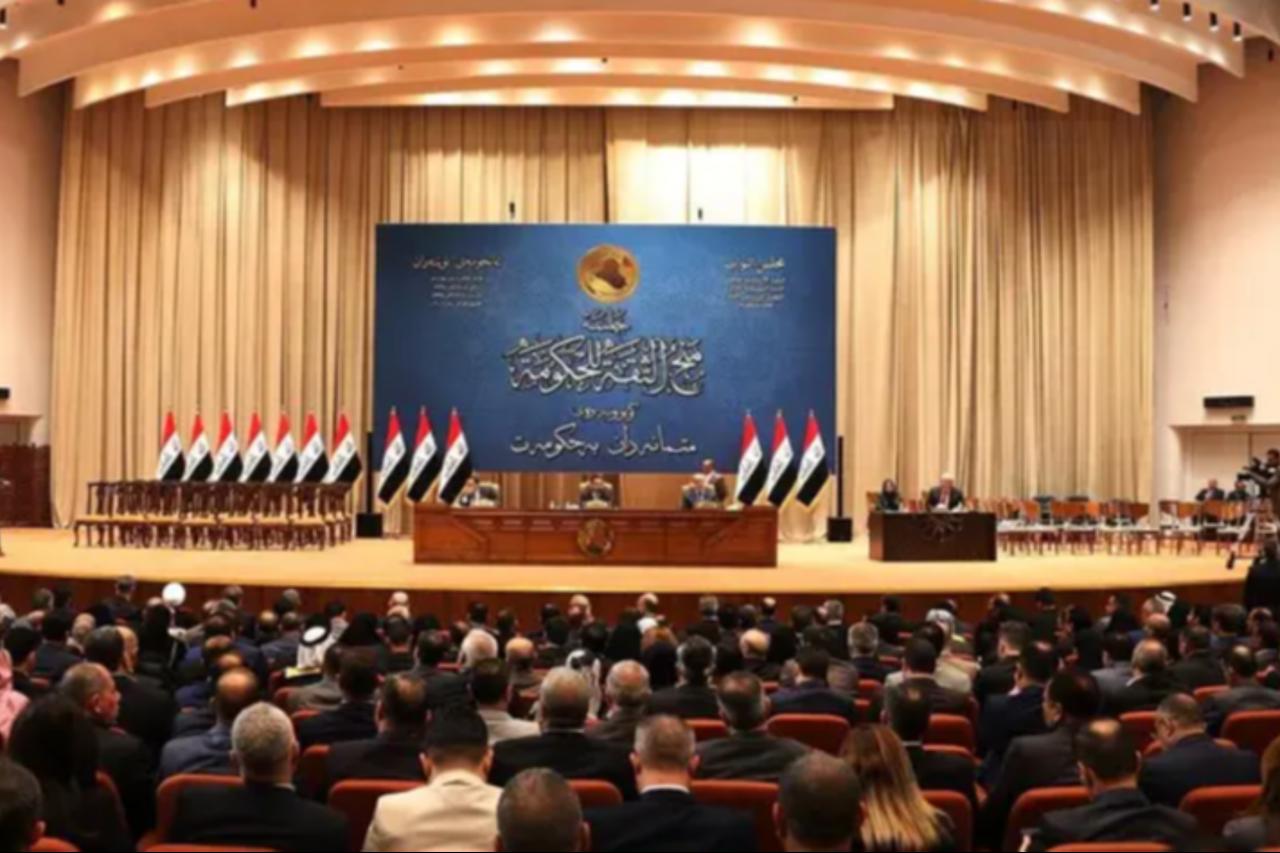
Iraq’s parliament postponed Sunday, for the second time, a special session to elect the country’s president amid a continuing dispute between the two main Kurdish parties over a single candidate for the post.
The official Iraqi News Agency (INA/"Waa") said the Council of Representatives delayed the session without providing further details.
Sarwa Abdulwahid, head of the New Generation parliamentary bloc, said the session was postponed because lawmakers failed to reach a quorum.
She noted the constitution requires the presence of two-thirds of members, 220 out of 329 MPs, for the vote to proceed.
Earlier, Kurdistan Regional Government Prime Minister Masrour Barzani said no agreement had been reached on the presidency, according to INA.
Parliament’s media department said the parliament presidency met bloc leaders to discuss resolving the presidential election and to emphasize setting a final date for the vote.
It said the presidency stressed adherence to "constitutional timelines."
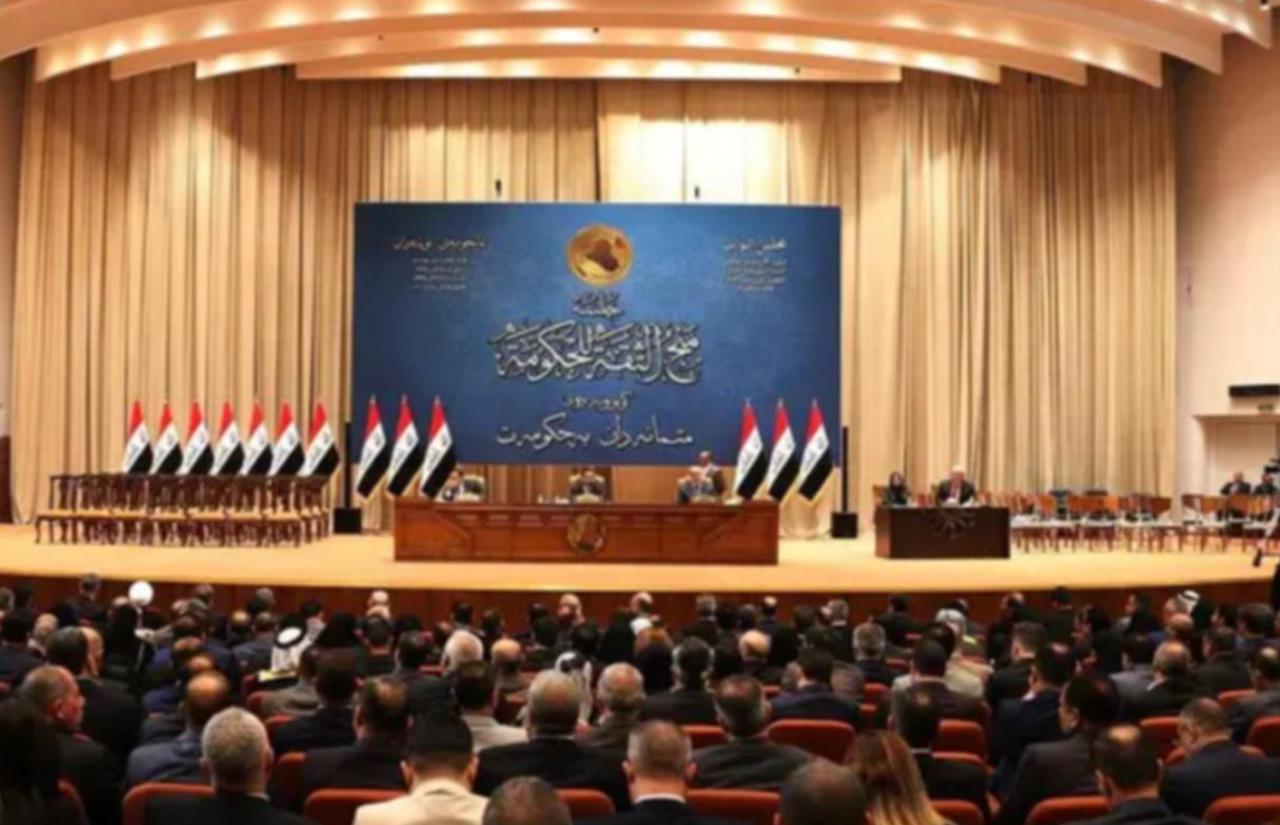

Al Jazeera’s correspondent in Baghdad, Samer al-Kubaisi, said the postponement followed the Kurdish parties’ failure to agree on one candidate, blocking the vote because the session requires two-thirds attendance.
He said no new date was announced, while parliamentary sources raised the possibility of delaying until next Tuesday pending positions from blocs and potential understandings.
According to the same sources, the dispute extends beyond the Kurdish "entitlement" to the presidency and into wider maneuvering over government formation.
It includes controversy around the Coordination Framework’s nomination of Nouri al-Maliki for prime minister, objections and reservations among political forces, and talk of forming a "blocking third" to prevent steps that could lead to naming a prime minister.
Parliament had set Sunday for the presidential election after postponing an earlier session on Tuesday, following a request submitted to Speaker Mohammed al-Halbousi by the two Kurdish parties.
On Thursday, Iraq’s Supreme Judicial Council emphasized adherence to constitutional timelines for appointing the president and prime minister, rejecting external interference.
The constitution’s Article 72(b) states the president continues duties after elections and the first session of the new Council of Representatives, provided a new president is elected within 30 days of the council’s first meeting. Parliament held its first session on Dec. 29.
Under Article 76(a), the president must task the nominee of the largest parliamentary bloc with forming the Council of Ministers within 15 days of the president’s election.


 Set as preferred source
 Set as preferred source


 1 min read
 1 min read