Newsletters


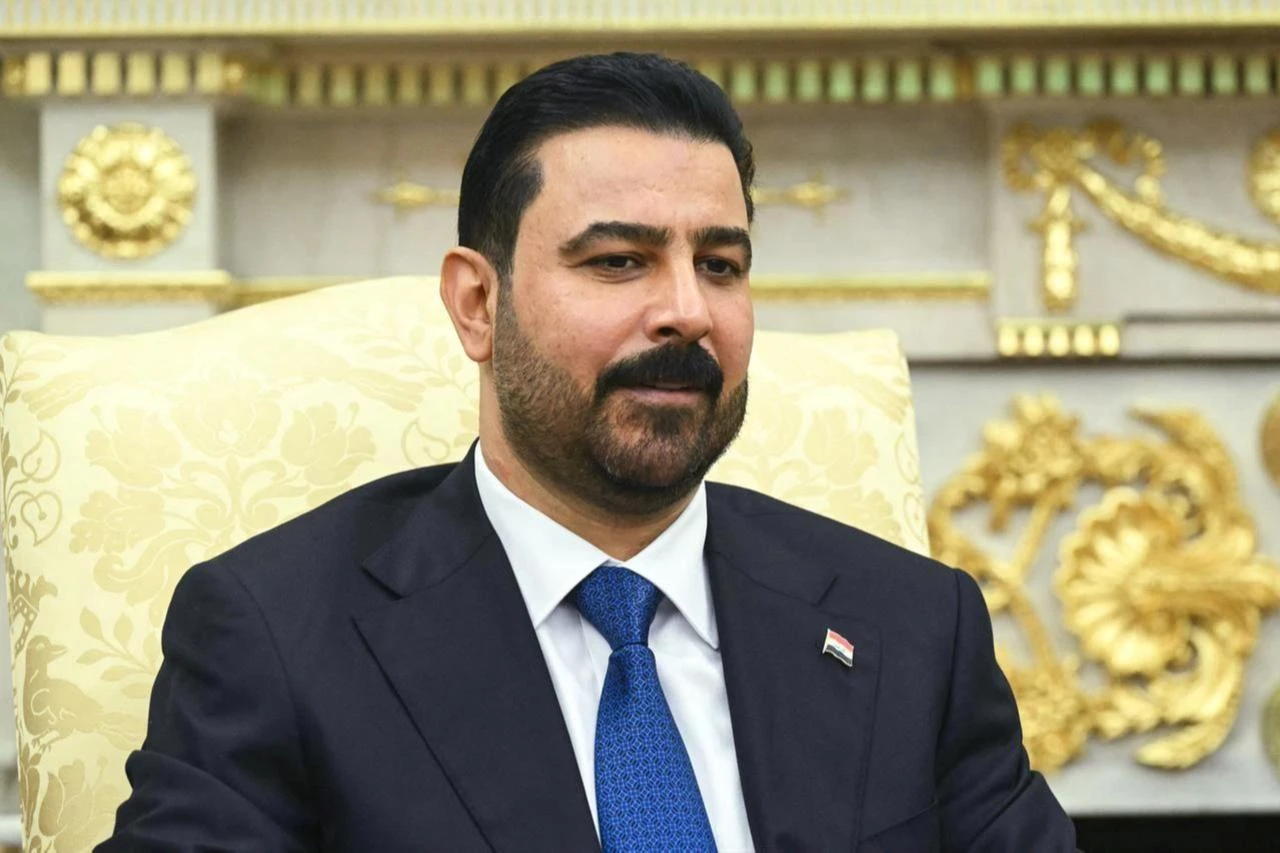


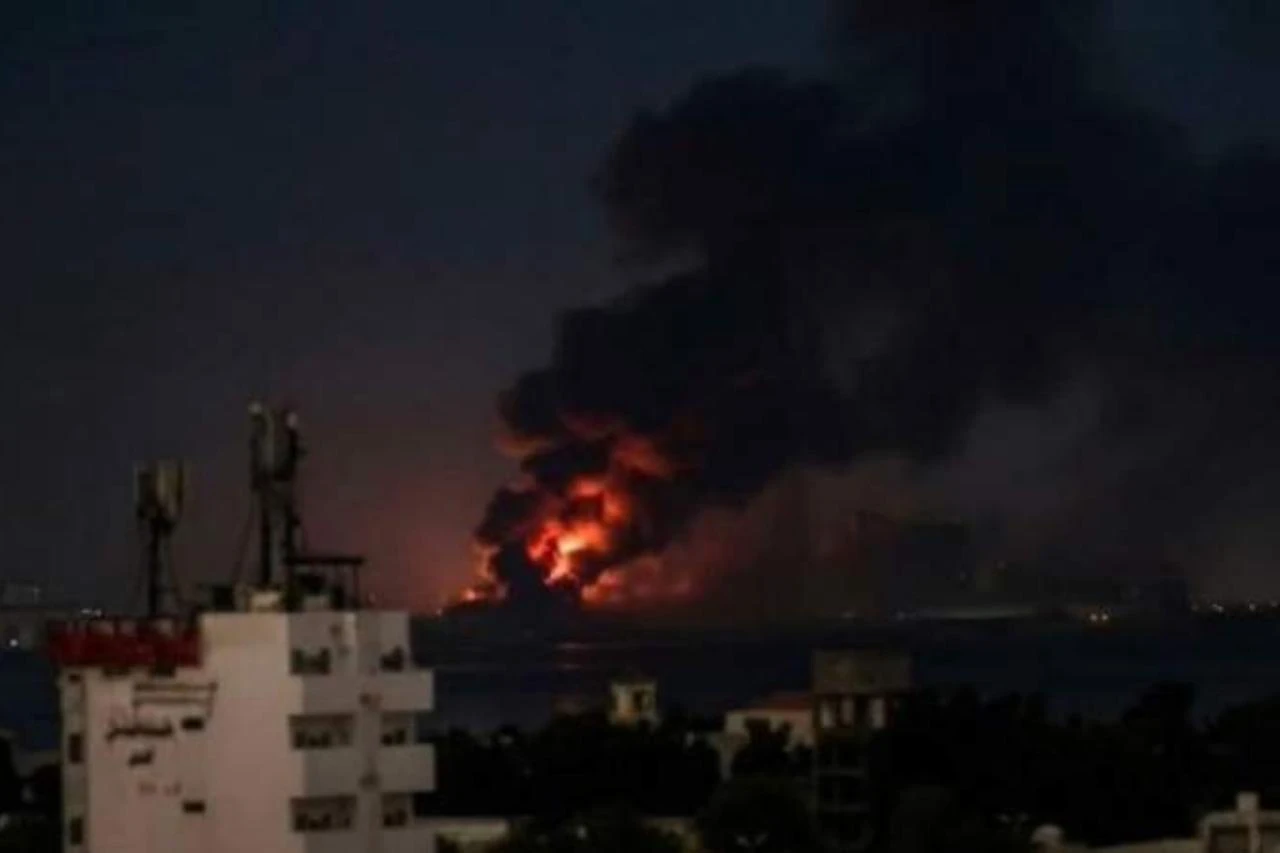
Iraq's government said Thursday it had no prior knowledge of and did not authorize joint US-Saudi airstrikes carried out on Iraqi soil the previous day, directly contradicting claims by US President Donald Trump that the attacks had been coordinated with Baghdad.
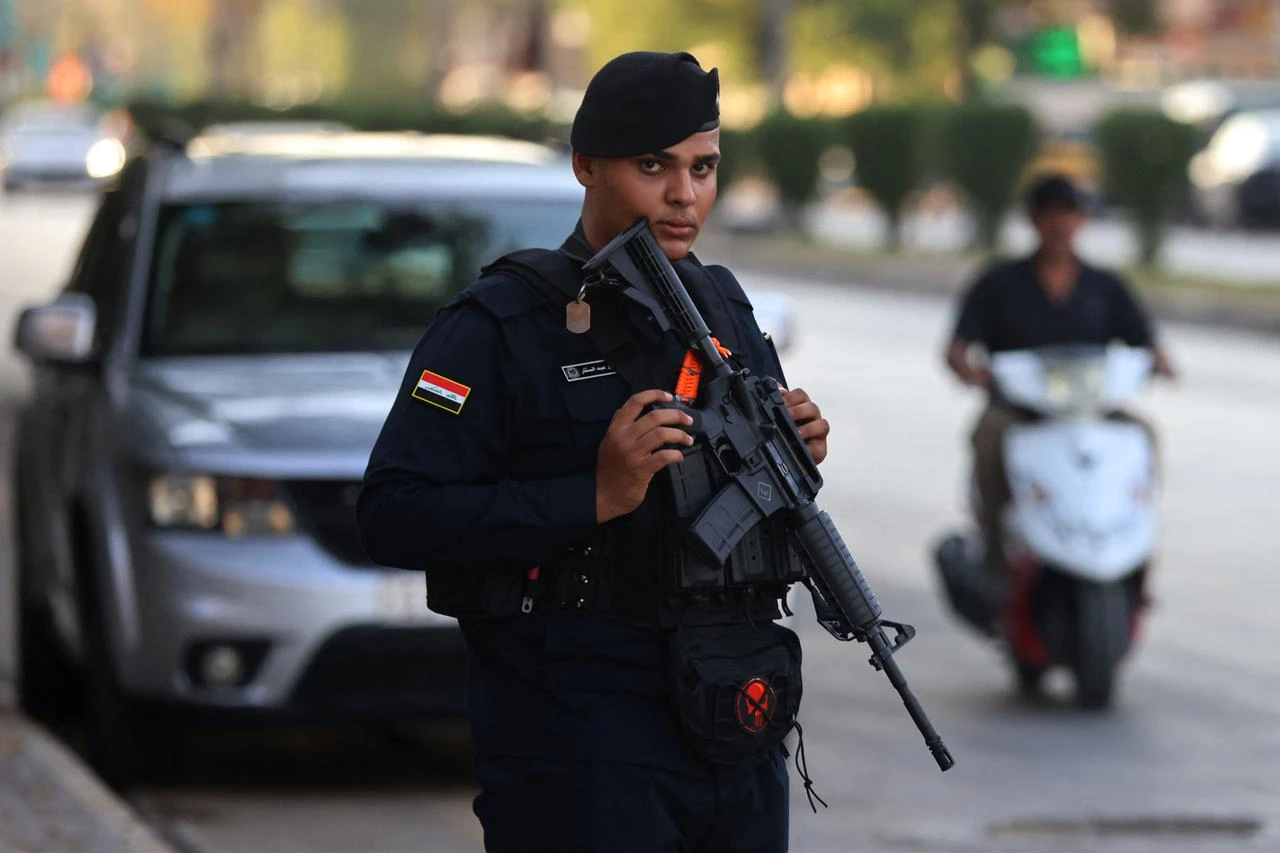
Government spokesperson Haider al-Aboudi announced on state television that Iraqi Prime Minister Ali al-Zaidi's planned visit to Saudi Arabia had been suspended in response to the strikes, which killed at least 20 militants, including five Iranian nationals, according to the Hashed al-Shaabi, an armed Iraqi alliance that includes a number of pro-Iran factions.

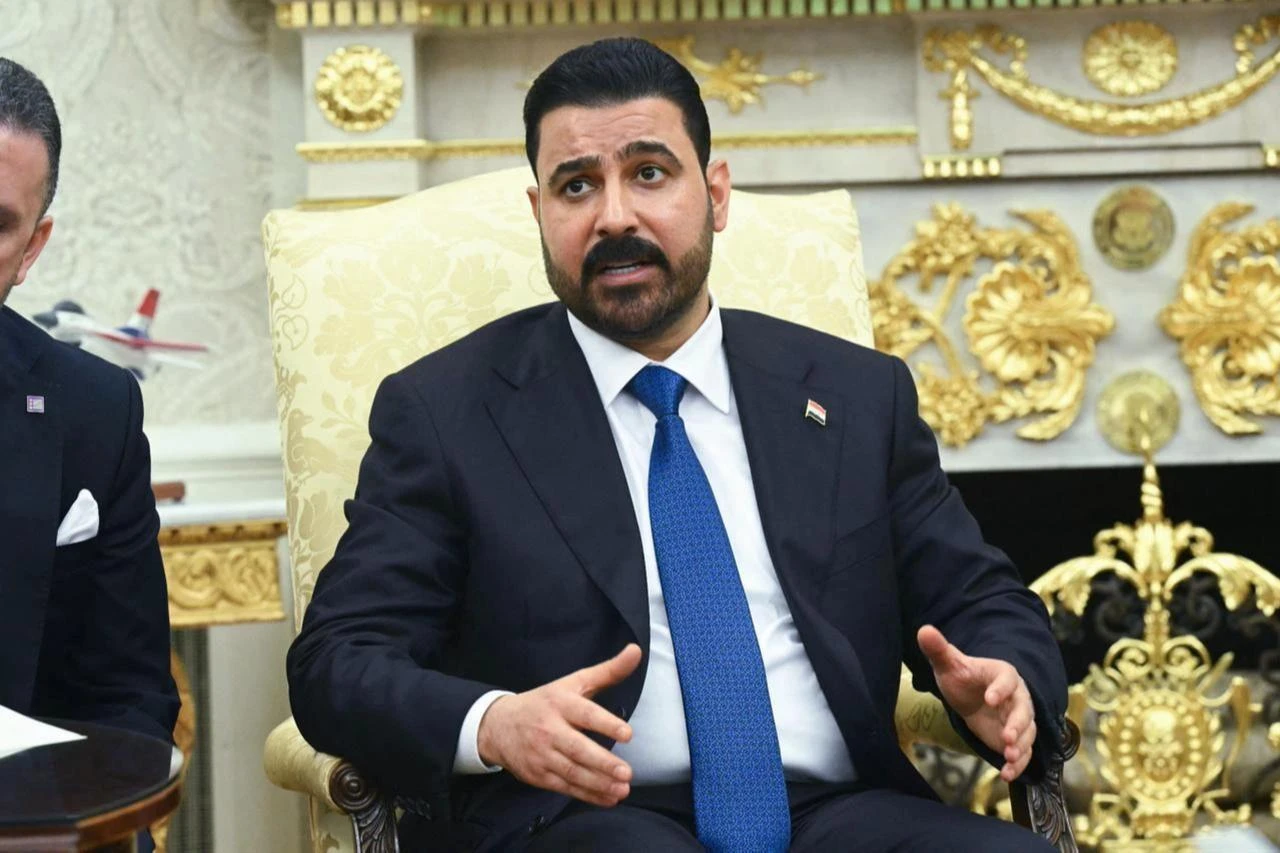
Al-Aboudi said flatly that "the government did not have any knowledge" of the strikes and "did not approve any attacks on specific sites or groups in Iraq."
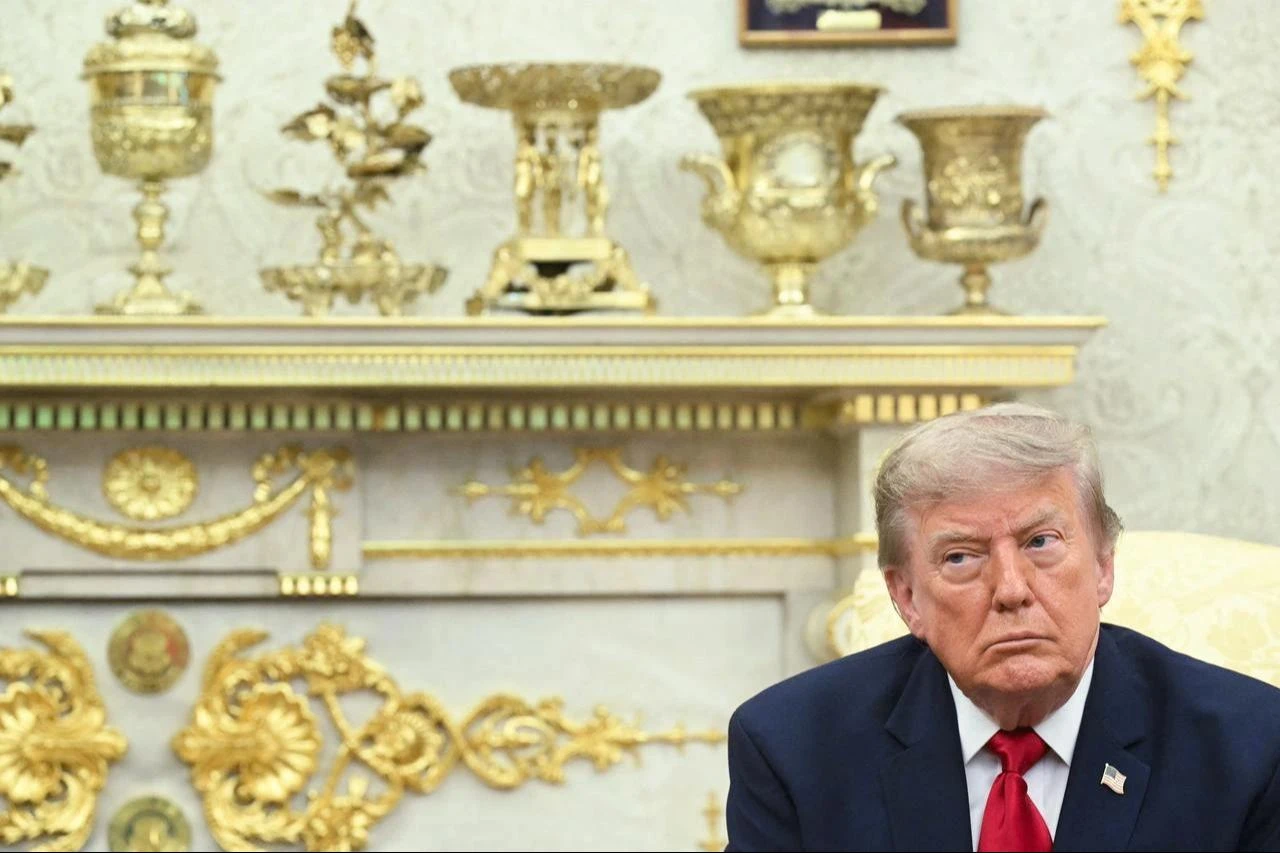
The statement came after a Fox News correspondent reported that Trump told the outlet the strikes had been coordinated with the Iraqi government, creating a sharp and public contradiction between Washington and Baghdad.
Saudi Arabia said it launched the strikes after intercepting drones it attributed to Iran-backed groups based in Iraq and targeting the kingdom's oil facilities.
Riyadh has not publicly detailed the scope of its role in the operation.
Tehran-backed armed factions operating under the umbrella of the Islamic Resistance in Iraq denied they had targeted Saudi oil infrastructure.
They warned, however, that their response to the airstrikes on Iraqi territory is "inevitable," signaling the potential for further escalation.
The Hashed al-Shaabi, the broader paramilitary alliance that encompasses these groups, reported the casualty figures from the strikes. The alliance was formally incorporated into the Iraqi state security apparatus in 2016, complicating Baghdad's ability to act against constituent factions without triggering an internal political crisis.
The episode sharpens the bind facing Zaidi, who assumed office earlier this year with Trump's endorsement and has pledged to compel the Iran-aligned armed groups to disarm.
Washington has escalated pressure on Baghdad to rein in those factions, which targeted US military facilities in Iraq and across the region during the broader Middle East conflict and intervened on Tehran's behalf.
Iraq occupies one of the most difficult diplomatic positions in the region, sharing deep economic and religious ties with Iran while depending on the United States for security cooperation and political support.
Successive Iraqi governments have struggled to navigate that tension, and the latest strikes, carried out without Baghdad's consent according to its own account, risk destabilizing a government already walking a narrow line between its two most powerful allies.


 Set as preferred source
 Set as preferred source


 1 min read
 1 min read