Newsletters


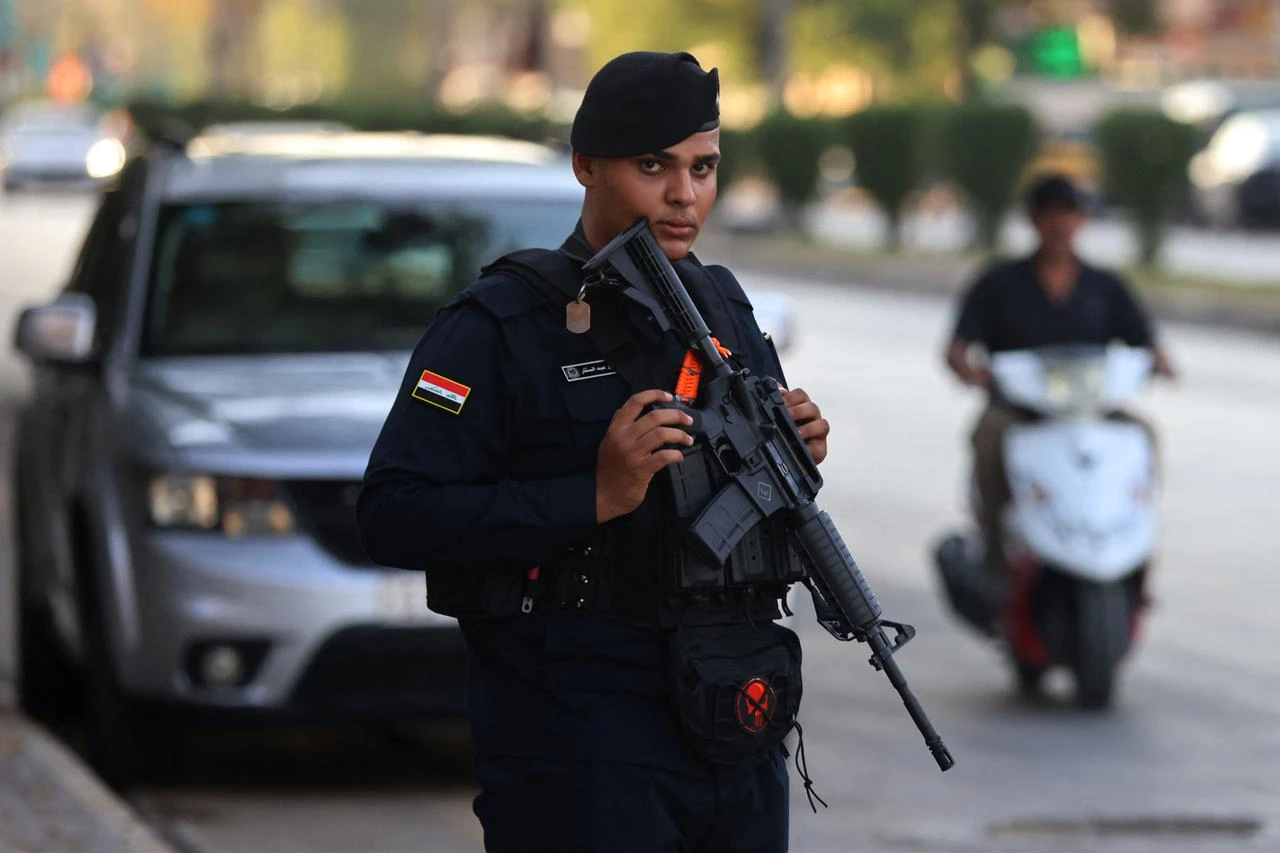


Iraq vowed Wednesday to defend its sovereignty and prevent its territory from being used against neighboring countries following deadly U.S.-Saudi strikes inside the country.
Iraq's Ministerial Council for National Security said it had decided to adopt "a comprehensive security plan to strengthen control across the country, confront any violation of Iraq's sovereignty, and prevent any source from using Iraqi territory to threaten neighboring states."
The council, chaired by Prime Minister and Commander-in-Chief of the Armed Forces Ali al-Zaidi, held an emergency meeting to discuss the security situation following U.S.-Saudi attacks that killed and wounded several people in Iraq, according to the Iraqi News Agency.
The council approved a comprehensive security plan to strengthen control across the country, prevent violations of Iraq's sovereignty and "ensure that no group or actor uses Iraqi territory to threaten neighboring states," the agency said.
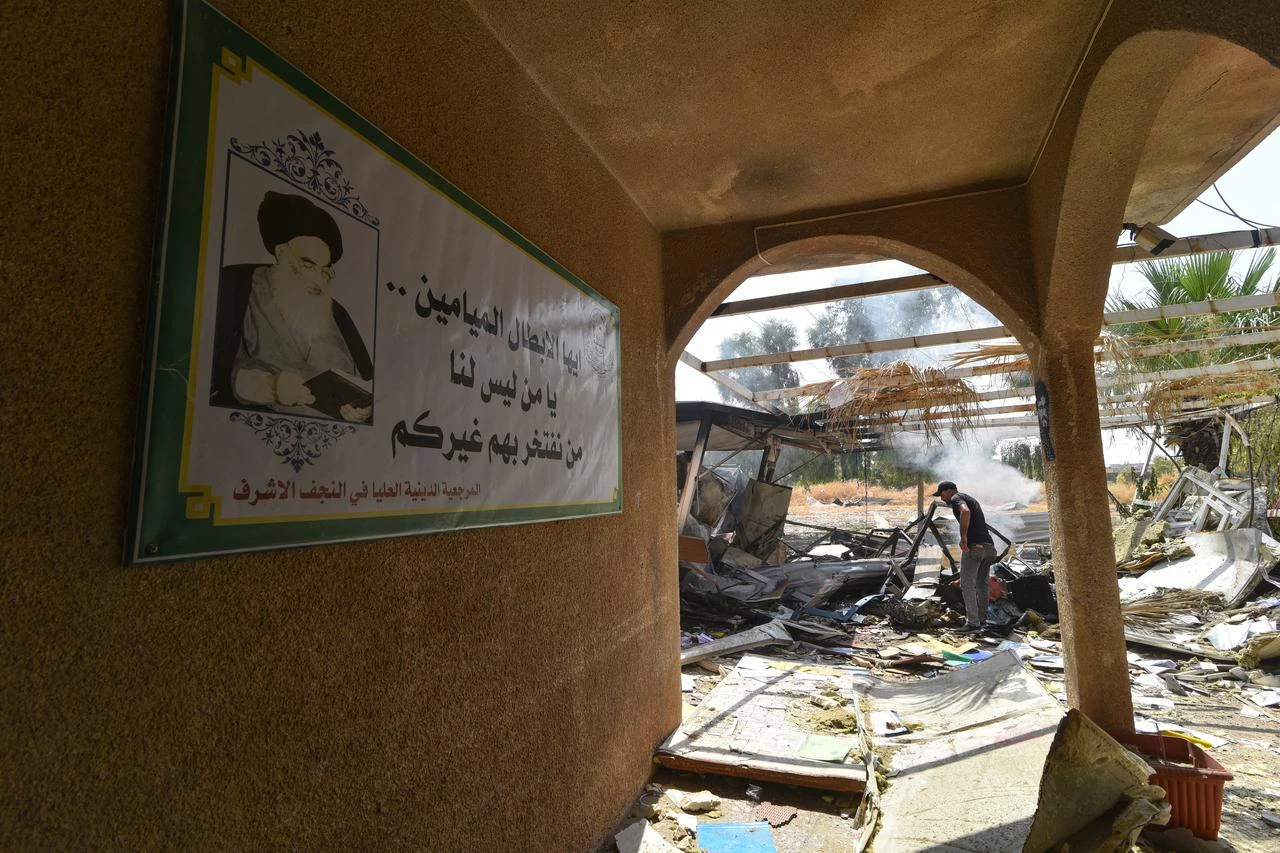

The council condemned the U.S.-Saudi strikes and said they came while the Iraqi government was in contact with relevant parties to verify and address concerns raised by Washington and Riyadh over attacks launched from Iraqi territory against Saudi Arabia.
It instructed the Foreign Ministry to pursue Iraq's legal rights under international law and the United Nations (U.N.) Charter by documenting the attack and taking the necessary diplomatic and legal measures.
The council reiterated the government's rejection of all hostile acts, regardless of the party responsible or the justifications.
It stressed that responding to such attacks falls exclusively within the authority of Iraq's constitutional institutions.
The council also reaffirmed the government's commitment to promoting regional stability and pursuing a foreign policy based on dialogue, cooperation, respect for international law and good-neighborly relations.
It said diplomatic channels remain the preferred means of resolving disputes.
The council reaffirmed its commitment to implementing a security agreement providing for the withdrawal of the international coalition against Daesh/ISIS by the end of September.
It also said Iraq would complete measures to ensure that weapons remain exclusively in the hands of the state.
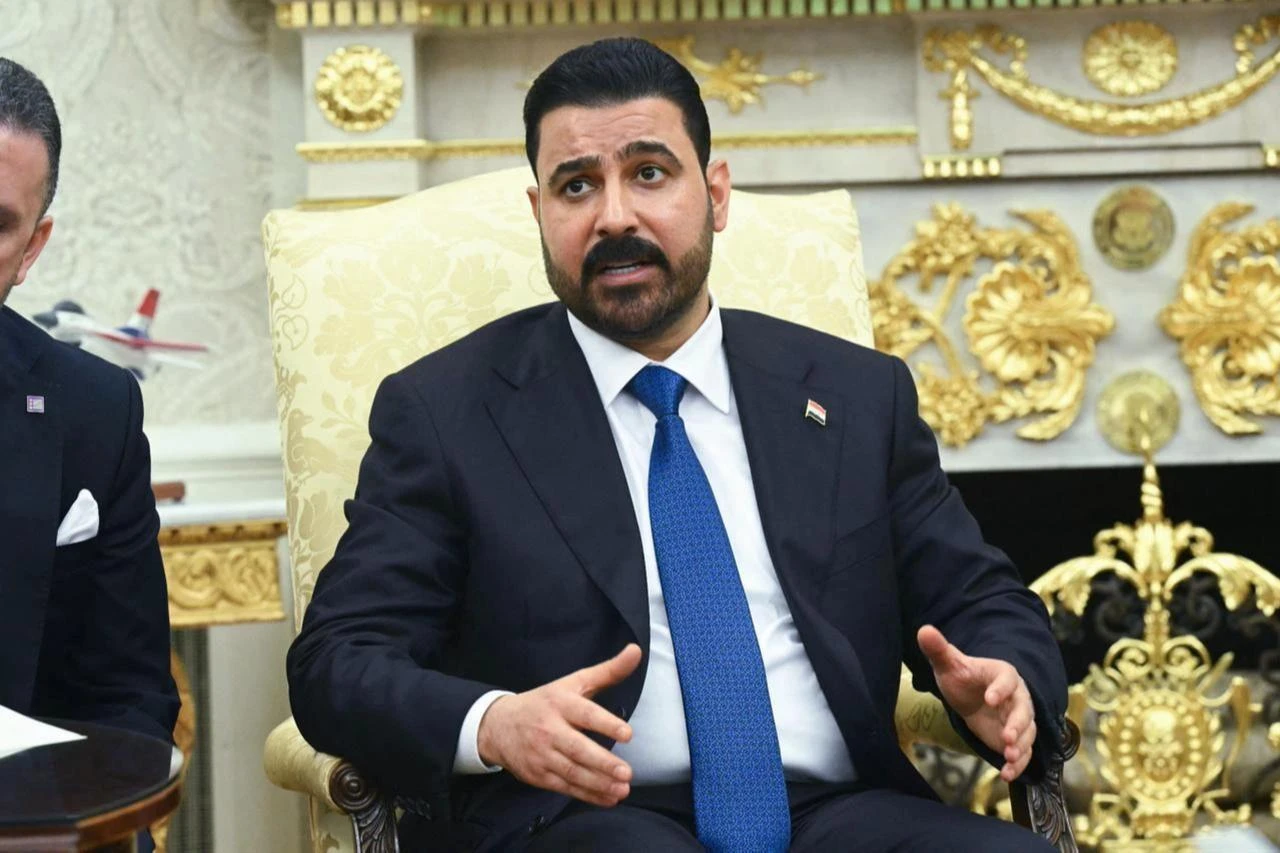
Iraqi Prime Minister Ali al-Zaidi's planned visit to Saudi Arabia on Thursday has been postponed, Saudi media reported Wednesday.
Al Arabiya reported that the visit was postponed but did not provide a reason.
There was no official confirmation from the Iraqi government.
The postponement came after al-Zaidi ordered the emergency meeting following overnight U.S.-Saudi airstrikes in Iraq.
The move followed a statement by U.S. Central Command (CENTCOM), which said U.S. and Saudi forces carried out joint precision strikes against targets belonging to Iran-aligned groups in Iraq.
CENTCOM said the operation targeted sites linked to attacks on U.S. forces and Saudi energy infrastructure.
Saudi Arabia said the strikes were carried out in self-defense following attacks launched from Iraqi territory against the kingdom's petroleum facilities, citing Article 51 of the U.N. Charter.
Riyadh warned that it would take further military action if Iran-backed groups carried out additional attacks against the kingdom.
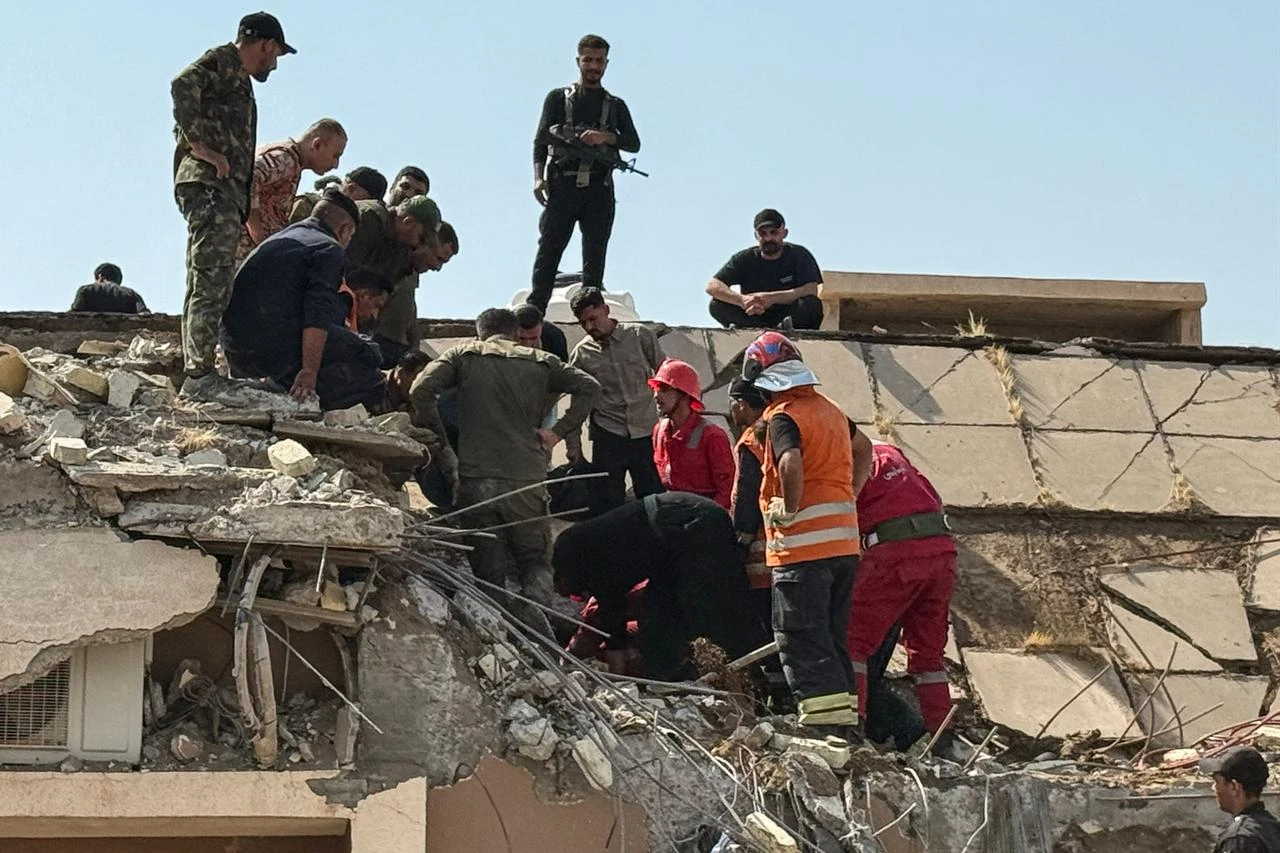
The Popular Mobilization Forces (PMF), a predominantly Iran-backed coalition of Shiite armed groups, said several of its headquarters were hit in the strikes.
The PMF said at least 20 of its members were killed, 32 others were wounded and extensive property damage was caused.


 Set as preferred source
 Set as preferred source


 1 min read
 1 min read