Newsletters


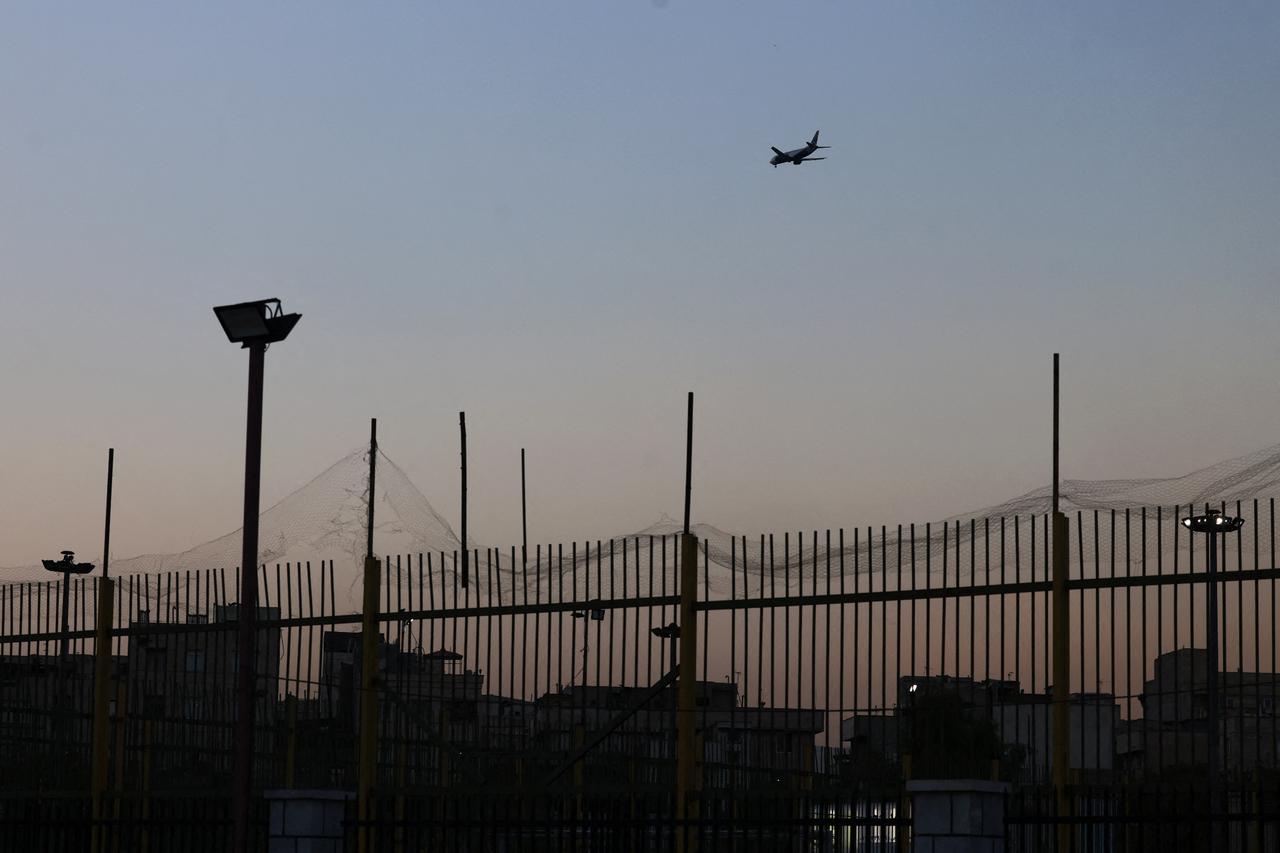


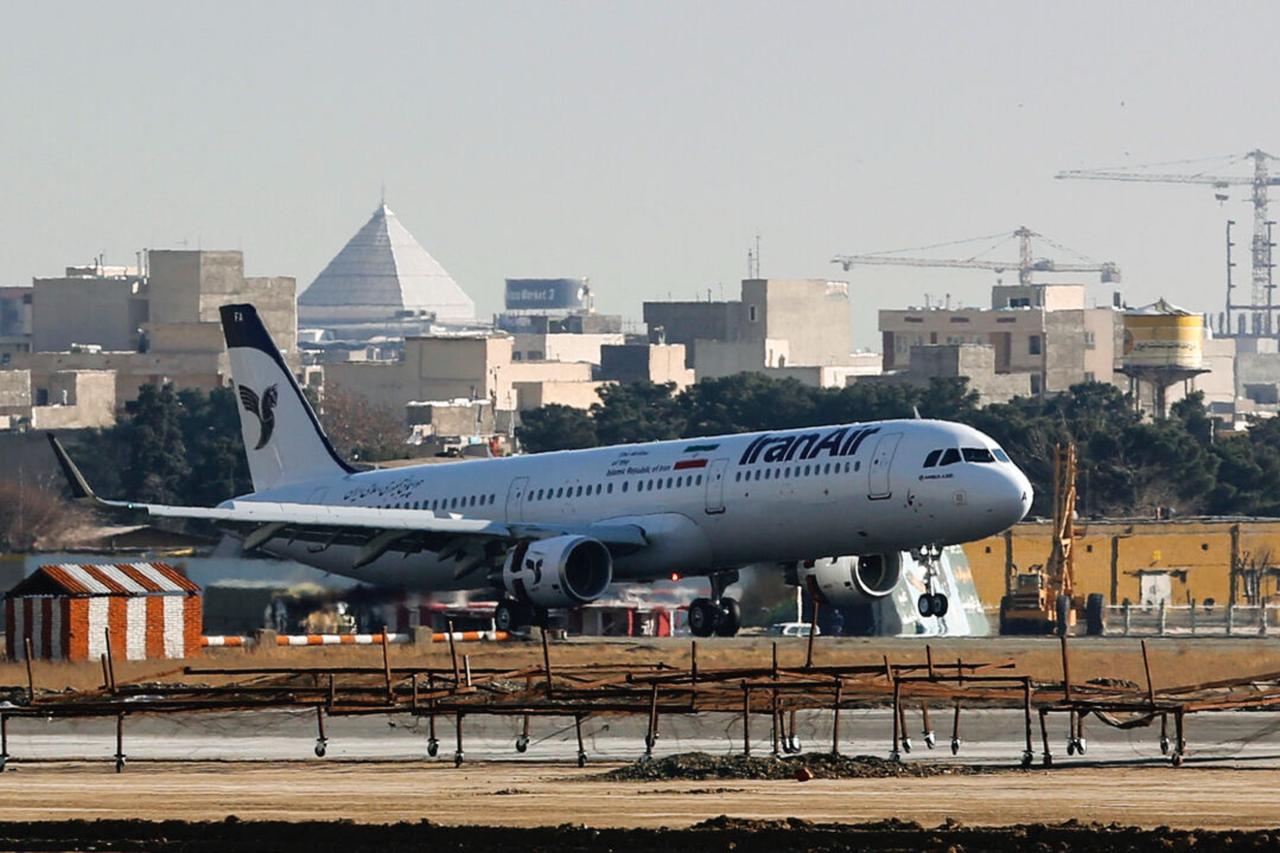
Iraq is holding direct talks with the United States to exempt some Iraqi airports from U.S. sanctions that have halted Iranian flights, Prime Minister Ali al-Zaidi's office said Saturday.
The exemption would let flights resume for patients, students and pilgrims, the office said, after all Iraqi airports enforced the ban this week, causing major disruption in the holy city of Najaf.
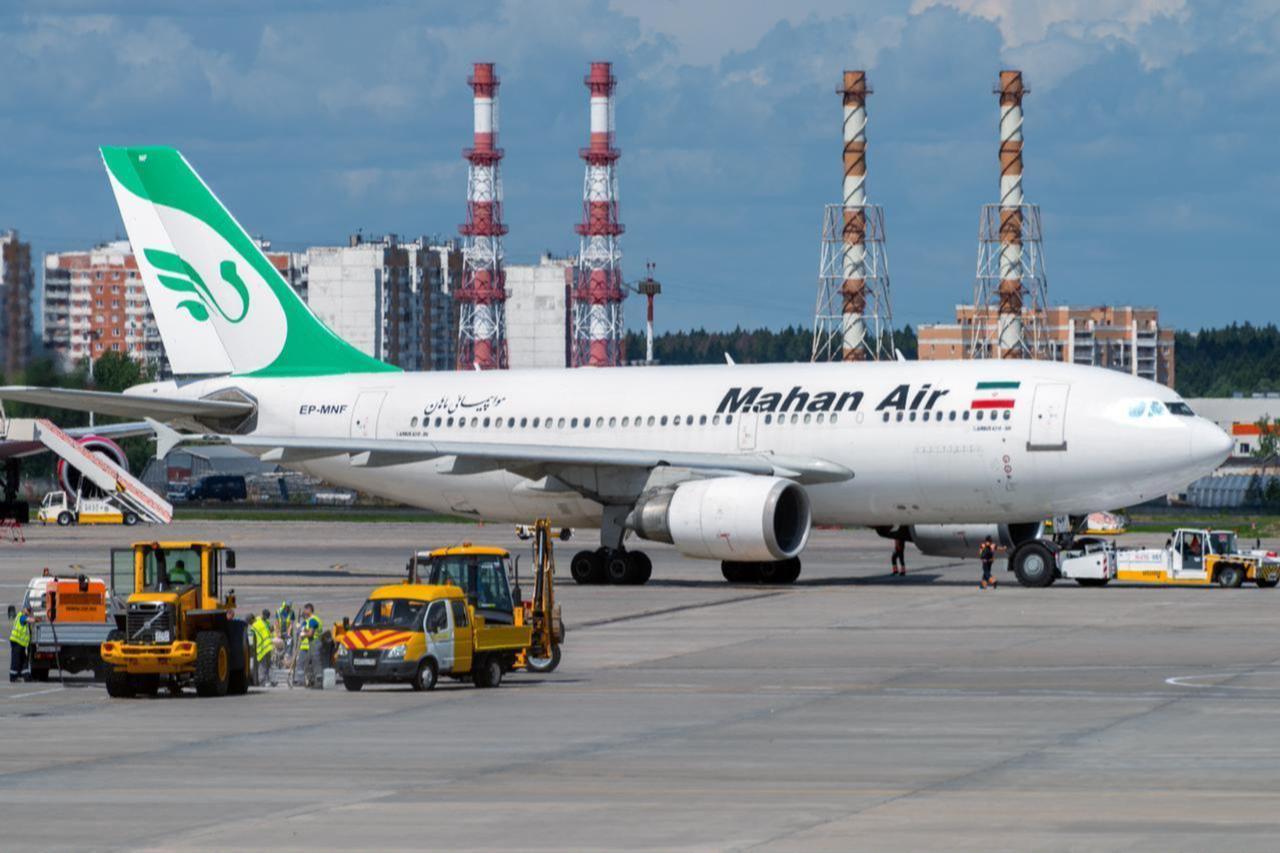
Iranian airlines mainly carry Iraqi Shiite pilgrims to Iran's holy cities and Iranians visiting sacred sites in Iraq. They also serve Iraqi students in Iran and patients seeking treatment there.
Iraqi airlines stopped flying to Iran at the start of the war in February.
"The Iraqi government is holding direct talks with the American side to exempt certain Iraqi airports from these measures," the prime minister's media office said.
An exemption would allow flights to resume "for humanitarian reasons, including medical treatment, education, religious visits, and for the interest of civilians," the office added.
"As the Iraqi government works to de-escalate tensions in the region, it emphasizes that the continuation of crises further complicates the situation," the statement said.
The government urged all parties to pursue dialogue to resolve "the current crisis and conflicts, in a manner that serves the interests of the countries and peoples of the region."
Najaf is the main destination for Iranian flights to Iraq.
Several Iraqis told Agence France-Presse (AFP) they were scrambling for solutions after the ban took effect. Some fear losing access to medical treatment in Iran, while others stranded there face a journey of more than 12 hours home by land.
Iraq and Iran, both Shiite-majority neighbors, have long had close ties rooted in religious kinship and political and economic interests.
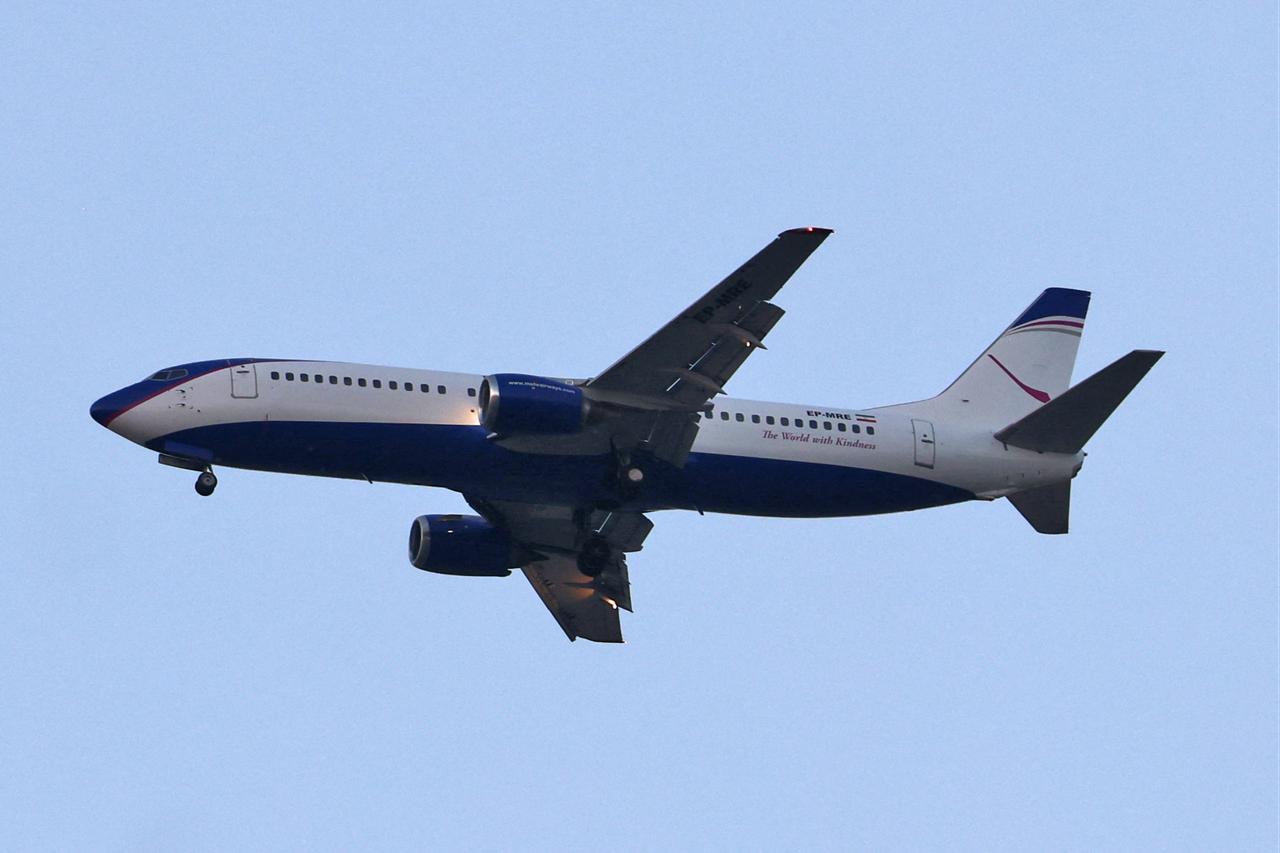

U.S. Treasury Secretary Scott Bessent announced the measure on Sept. 21. "On September 23, all the Iranian airlines will be shut down around the world," he said.
Bessent warned that the sanctions target the entire operations chain, not only the airlines.
"If they land, you cannot provide them with fuel, you cannot provide them with landing services, you cannot sell them tickets or you will be knocked out of the dollar system," he said.
The move marks a step up in U.S. President Donald Trump's "Operation Economic Outcast" to squeeze Tehran's economy.
Iraq, the United Arab Emirates (UAE), and Oman are among the countries that have enforced the ban.


 Set as preferred source
 Set as preferred source


 1 min read
 1 min read