Newsletters


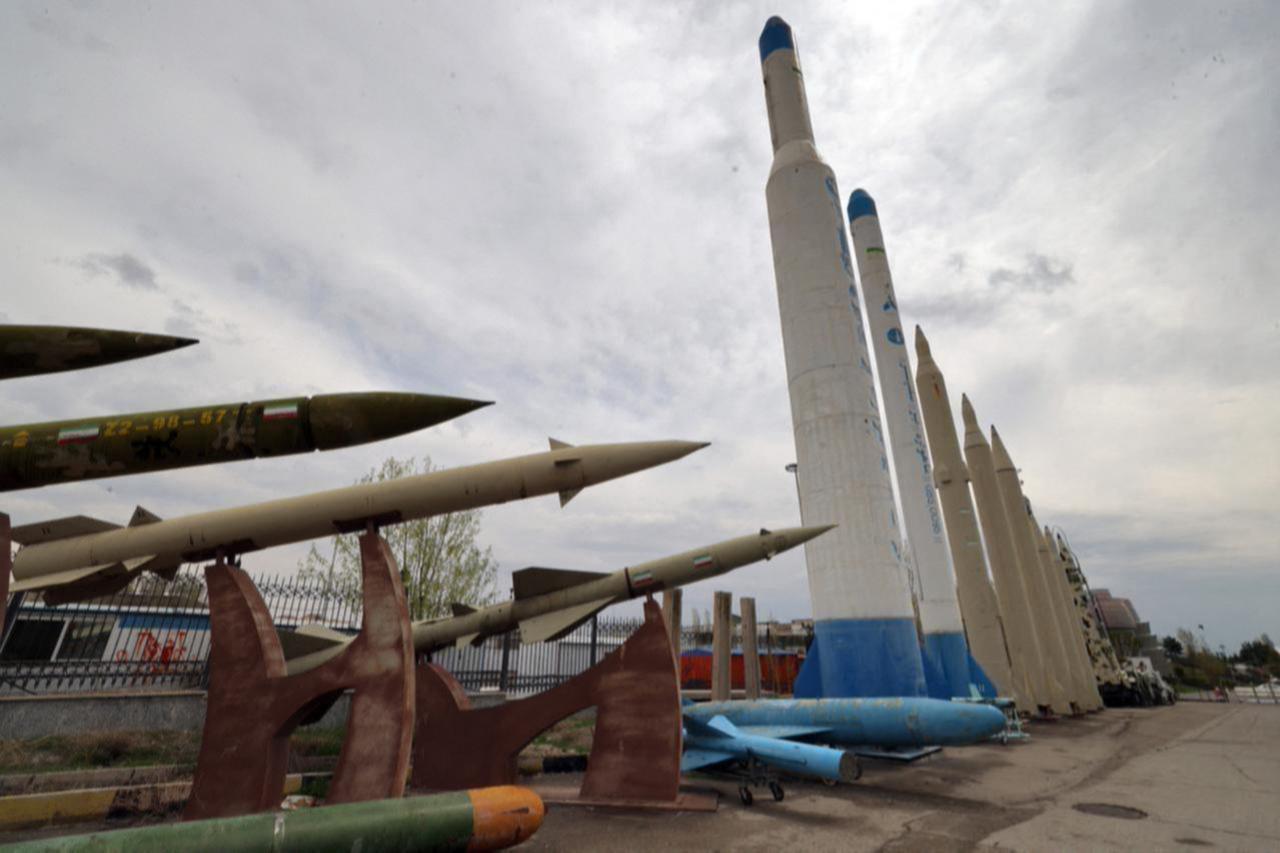


Iran's Islamic Revolutionary Guard Corps (IRGC) established secret new cells in Iraq to carry out attacks on Gulf countries hosting American forces, bypassing established militia networks to avoid detection, according to a Reuters report published on Friday, citing eight Iraqi sources.
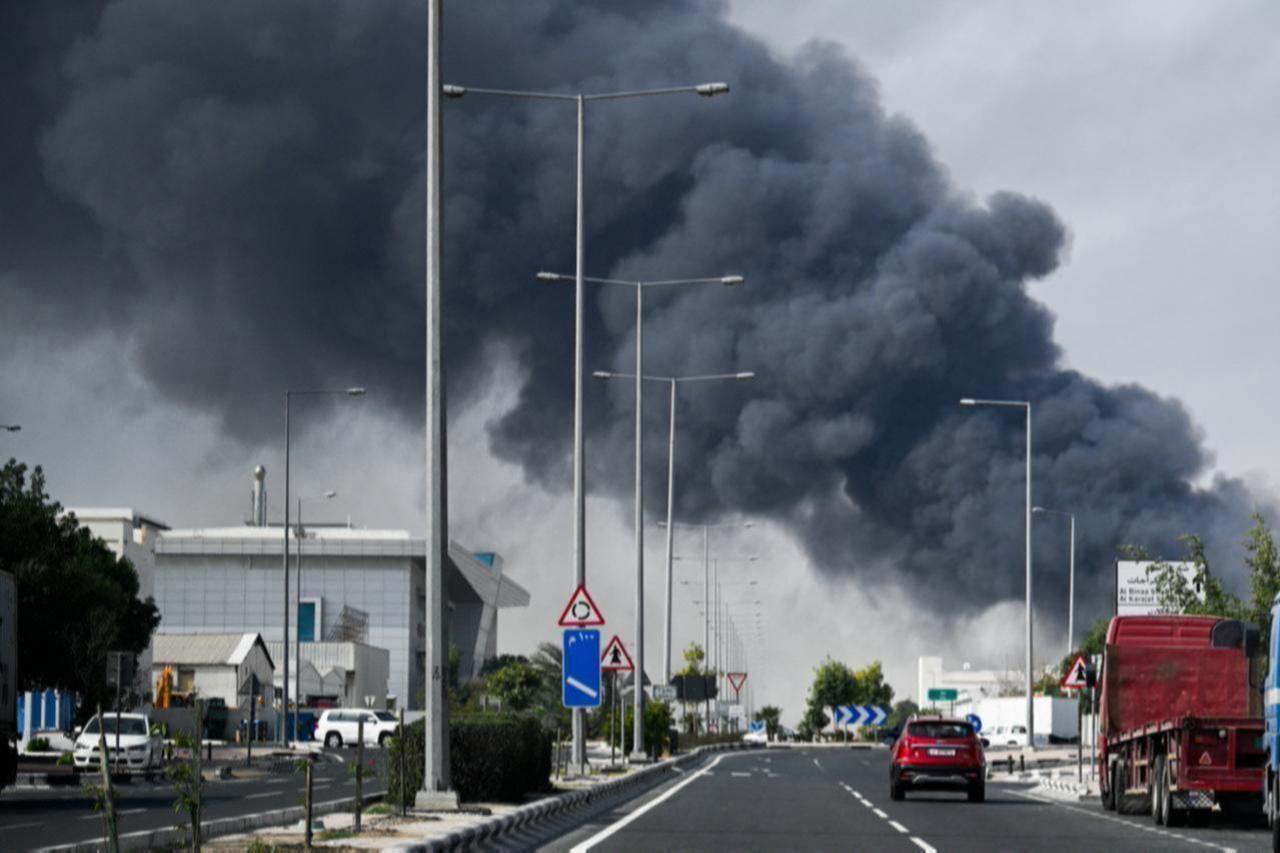
According to the report, three or four cells, each comprising around 10 elite Iraqi Shiite fighters, launched at least seven drone attacks from desert areas near the southern Iraqi cities of Basra and Samawa. The strikes, carried out between April 20 and May 17, were aimed at targets in Kuwait, Saudi Arabia and the United Arab Emirates.
Three of the sources told Reuters that the attacks were mounted by fighters operating outside the command structure of Iraq's established Iran-backed militias.
The sources, which included two Iraqi military officials, one security official and five militia commanders, said the cells reported directly to the IRGC.

According to Reuters, some members of the new groups were recruited from the Islamic Resistance in Iraq, an umbrella organization of hardline Shiite factions that includes thousands of fighters.
However, the newly formed cells operated independently from the group's traditional hierarchy, allowing Tehran to maintain plausible deniability while reducing the risk of intelligence leaks, the sources said.
Iraq, a Shiite-majority country, hosts numerous armed factions with close ties to Iran. Many form part of Tehran's so-called "Axis of Resistance," a network of allied groups stretching across the Middle East from Lebanon and Gaza to Yemen and Iraq.
The conflict involving Iran, Israel and the United States placed Iraq's Iran-linked militias back at the center of regional tensions.
Throughout the war, armed groups operating from Iraqi territory claimed responsibility for attacks on U.S. interests, carrying out drone and missile strikes linked to the broader confrontation.
The incidents highlighted the difficulty faced by Iraqi authorities as they sought to prevent the country from becoming directly entangled in a wider regional conflict.
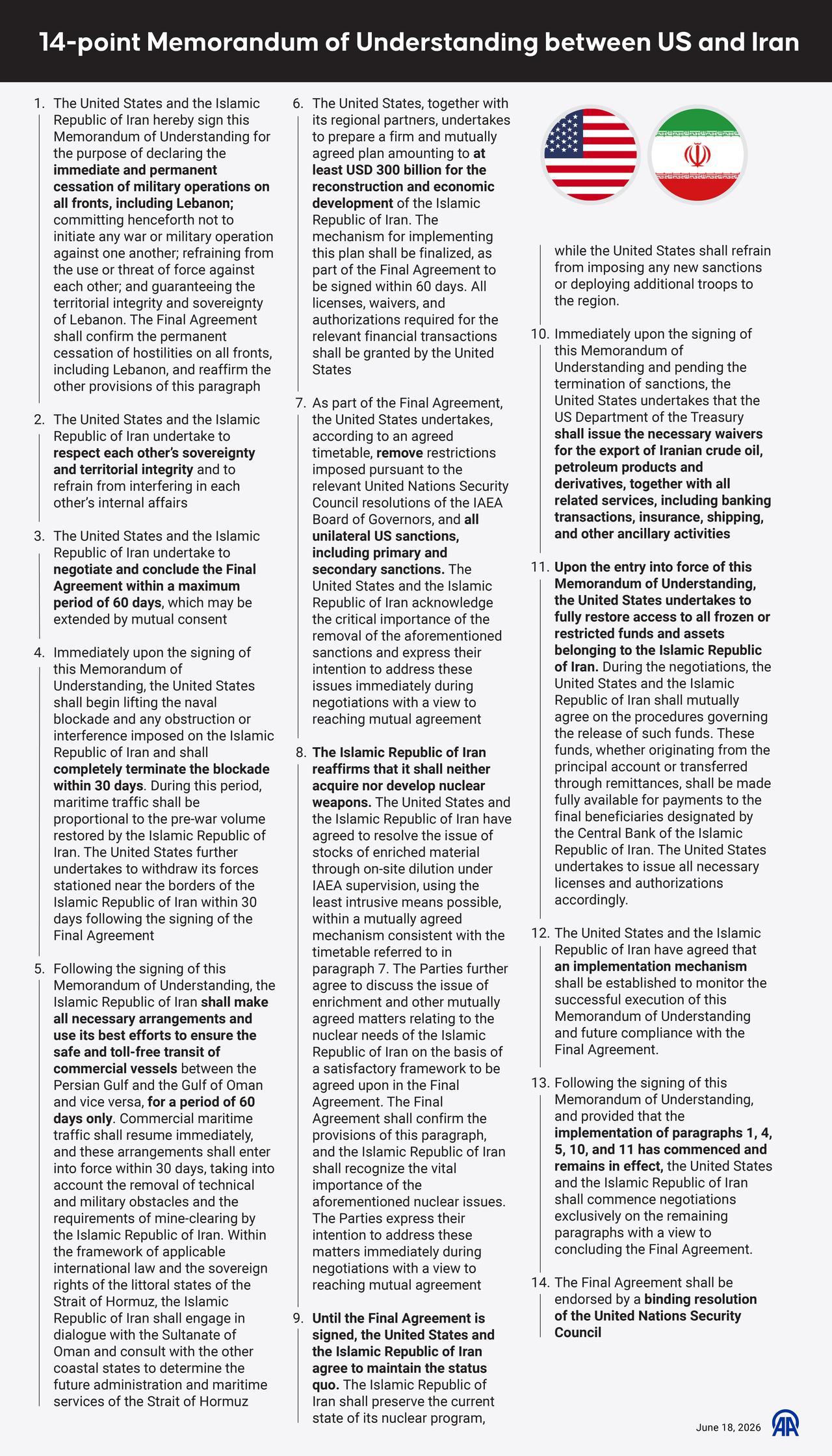
The report comes as Washington and Tehran prepare for negotiations under a newly signed agreement aimed at ending months of conflict.
On Wednesday, U.S. President Donald Trump and Iranian President Masoud Pezeshkian electronically signed the Islamabad Memorandum of Understanding, intended to end hostilities between the United States, Israel and Iran and halt Israeli military operations in Lebanon.
Under the framework, the two sides are expected to hold negotiations for 60 days, with the possibility of an extension, focusing on Iran's nuclear program and international sanctions.
However, Iranian officials have repeatedly said Tehran's support for regional armed groups remains non-negotiable and is not covered by the agreement.
According to Reuters, the issue of Iran-backed militias and Tehran's broader regional network was excluded from the memorandum and remains unresolved despite the diplomatic breakthrough.


 Set as preferred source
 Set as preferred source


 1 min read
 1 min read