Newsletters


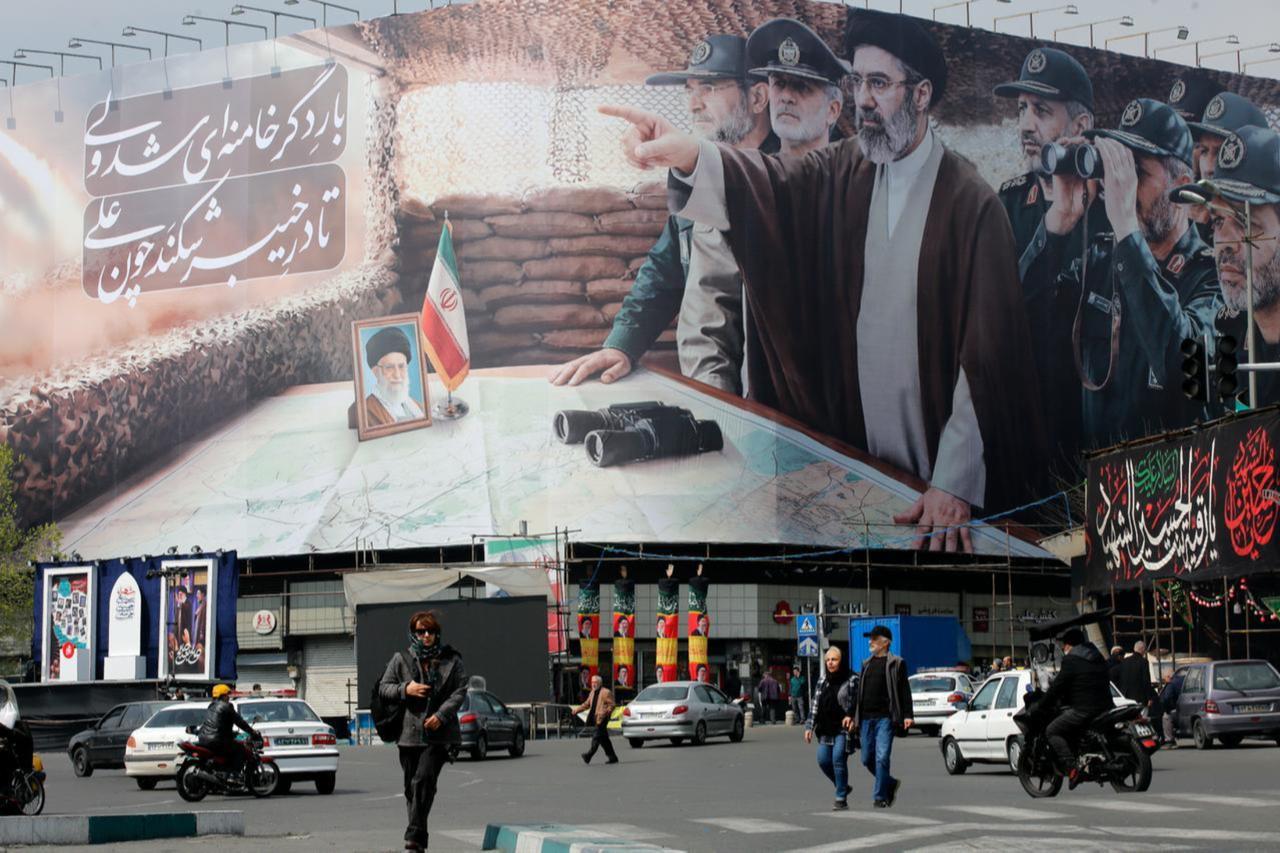


Iran's Islamic Revolutionary Guard Corps (IIRGC) said it does not trust its enemies despite the temporary ceasefire reached with the United States and warned that any new aggression would be met with a higher-level response, as Tehran and Washington moved into a two-week pause in fighting that also includes Israel.
In a statement issued on the 40th day of the war that began with U.S.-Israeli attacks on Iran, the Revolutionary Guards said caution was still needed against what it described as enemy deception tactics, despite the temporary ceasefire arrangement.
"The enemy has always been in favor of deception and we do not trust its promises; we will respond to any attack at a higher level," the statement said.
The Revolutionary Guards said the temporary ceasefire should not lead to complacency.
The statement said Iran should remain cautious against what it described as the enemy's deception tactics.
It added that the enemy had always relied on trickery and that Iran did not trust its promises.
The Guards said any aggression would be answered with a stronger response.
The statement said U.S. partners in the region had seen with their own eyes what it described as the helplessness of the United States and the "Zionist regime," meaning Israel.
It said the time had come for them to learn a lesson and end cooperation with what it called the enemies of Islam.
The remarks widened the message beyond the ceasefire itself and addressed regional countries aligned with Washington.
After the attacks launched by the United States and Israel on Iran on Feb. 28 and Iran's retaliatory strikes, along with attacks on some regional countries that turned the confrontation into a war, U.S. President Donald Trump announced around 1:30 a.m. on April 8 that he had accepted the ceasefire.
Trump said the United States had accepted a two-week ceasefire on condition that the Strait of Hormuz be reopened.
He also said Washington had received a 10-point proposal from Iran and described it as a workable basis for negotiations.
Iran's Supreme National Security Council, which said Iran had achieved its war goals, said final negotiations were intended to be concluded in Islamabad within no more than 15 days.
Türkiye, Pakistan and Egypt made intensive efforts to ensure that message exchanges between the United States and Iran continued and produced a result.
The temporary ceasefire was announced as part of that broader diplomatic effort.
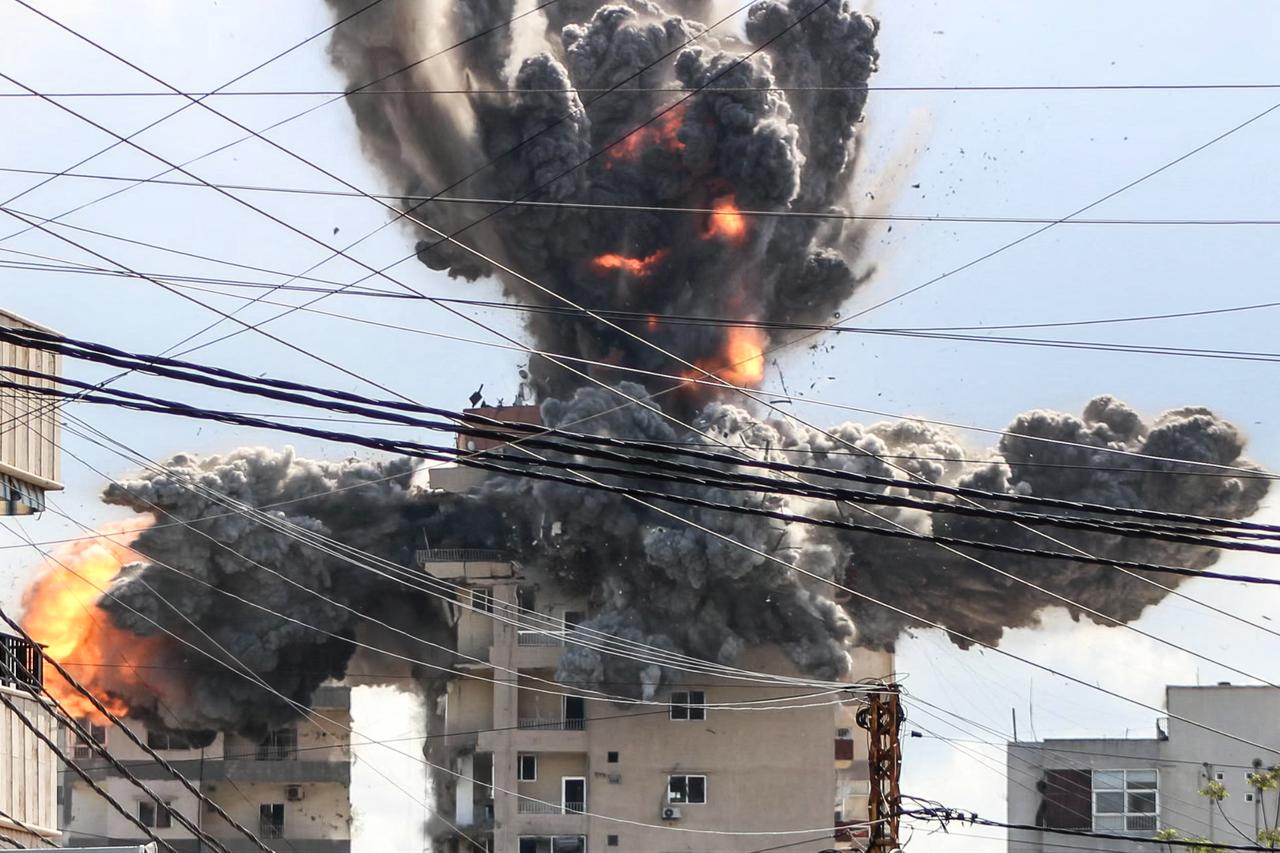
Israel, while saying it supported the temporary ceasefire, has argued that Lebanon was not included in the arrangement and has continued its attacks on the country.


 Set as preferred source
 Set as preferred source


 1 min read


 1 min read