Newsletters


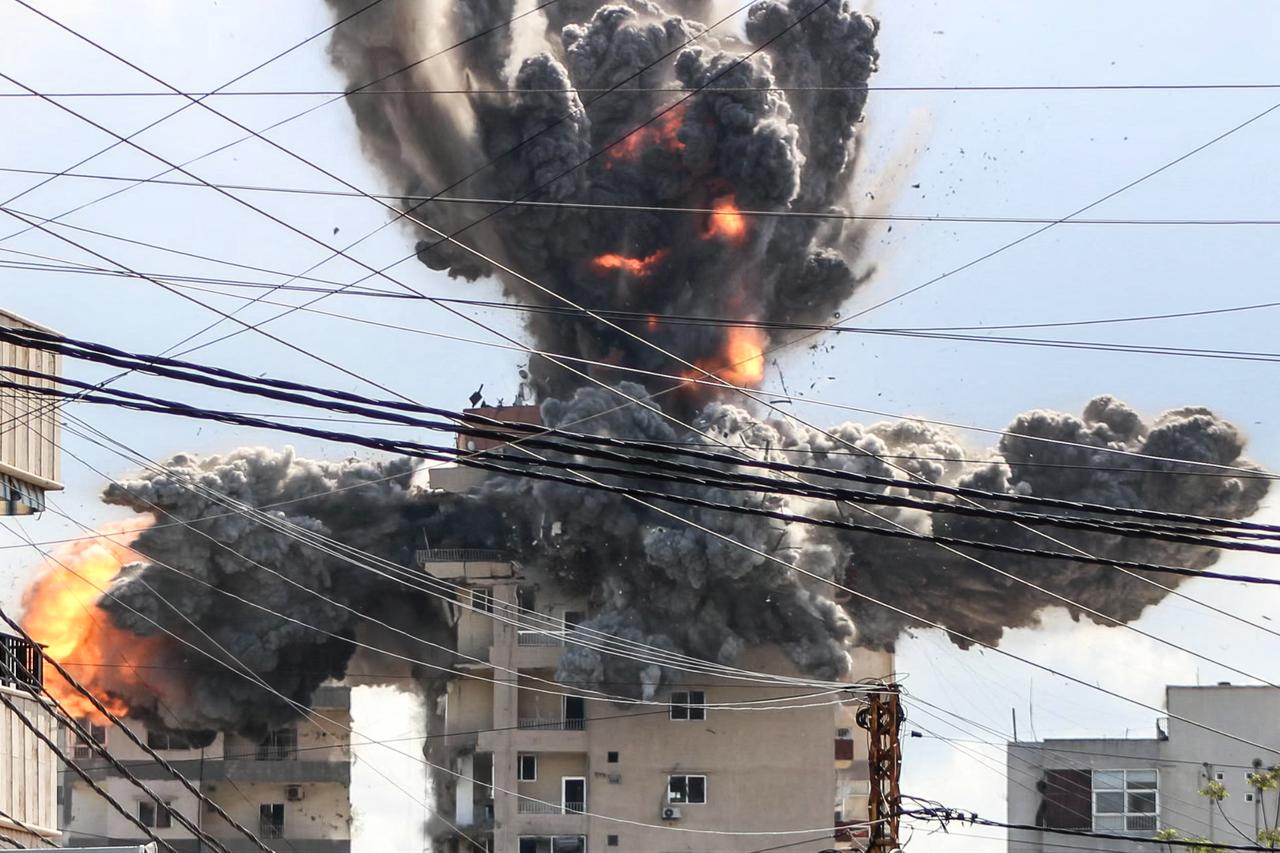


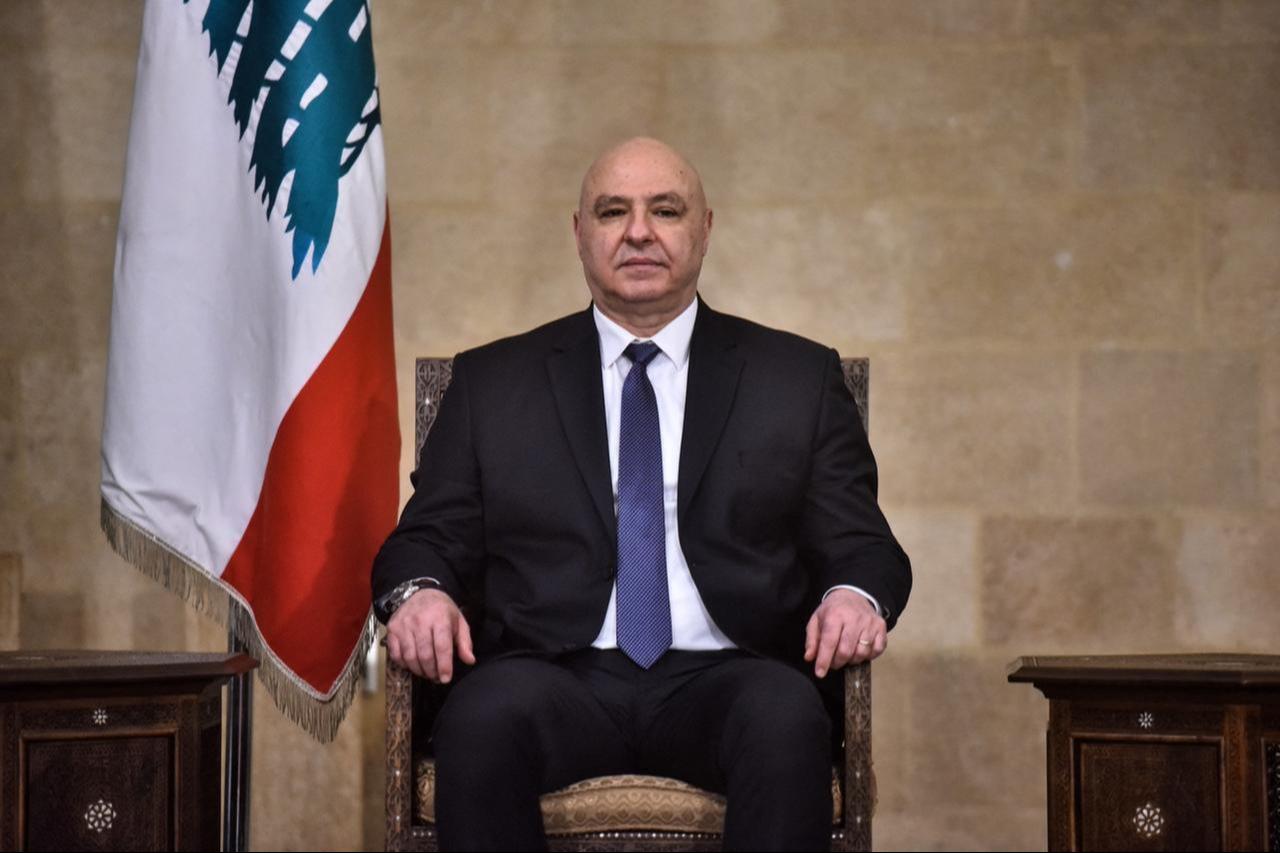
Lebanese President Joseph Aoun is holding contacts to ensure Lebanon is included in the two-week ceasefire between the United States and Iran, a senior Lebanese official told Anadolu Agency, as uncertainty remains over whether Lebanon is part of the temporary arrangement that also involves Israel.
The official, who spoke on condition of anonymity, said Lebanon has not taken a clear position on the ceasefire and that contacts are continuing at various levels. According to the official, Aoun is leading those efforts with the aim of securing Lebanon's inclusion in the truce.
The official also pointed to what he described as contradictory statements in Israeli remarks suggesting that Lebanon is not included in the agreement, and said the U.S. side has not yet taken a clear position on the issue.

Speaking to Anadolu Agency, the Lebanese official said Lebanon had not adopted a clear stance on the ceasefire.
He said contacts were continuing at different levels and that Aoun was conducting those contacts in order to ensure Lebanon is included in the ceasefire.
The official said the issue remains unresolved as discussions continue around the scope of the temporary arrangement.
He also said there was still no clear U.S. position on whether Lebanon is part of the ceasefire.
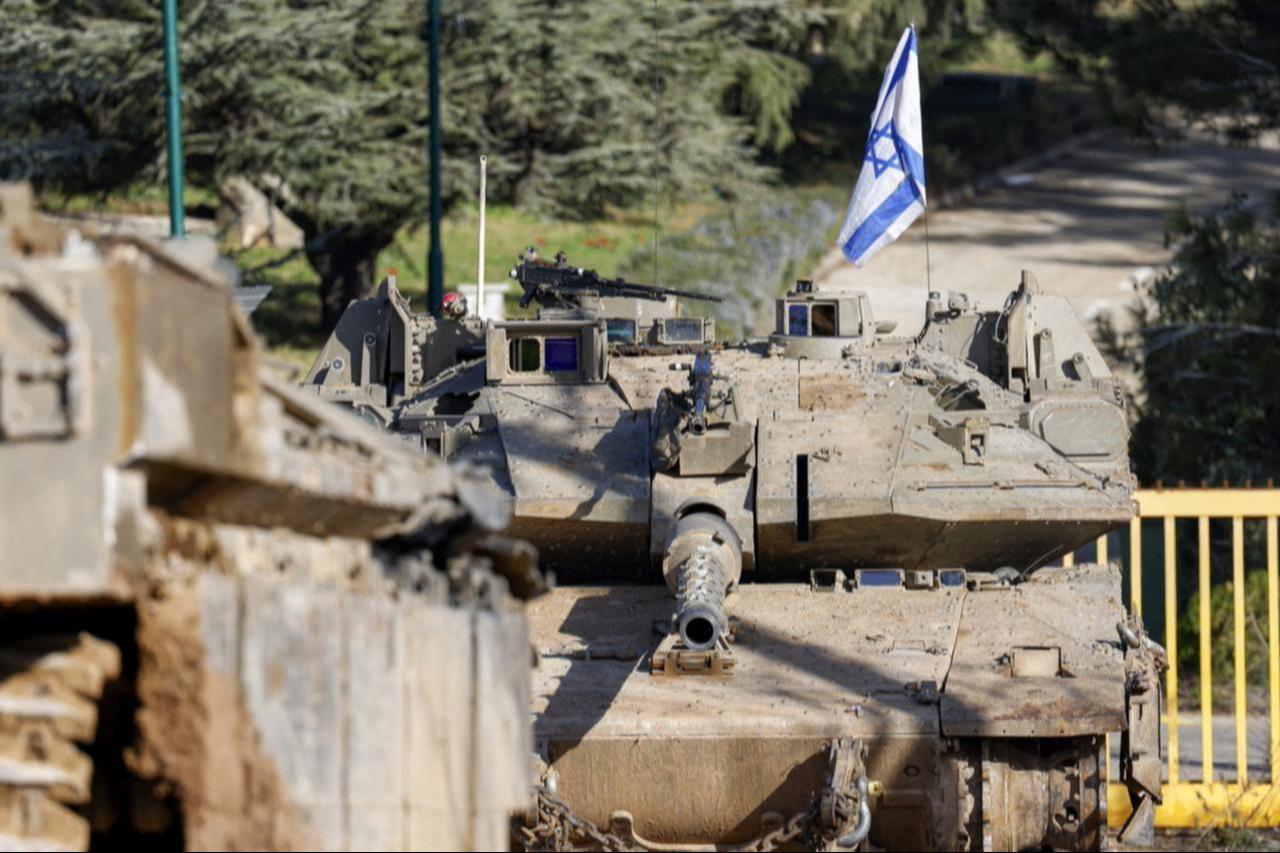
The Lebanese official said Israeli statements contained contradictory language indicating that Lebanon was not included in the agreement.
He said that, in addition to those Israeli remarks, the U.S. side had also not yet presented a clear stance on the matter.
The comments reflected continued uncertainty over Lebanon's status in the ceasefire framework announced between Washington and Tehran.
Israel, while saying it supported the temporary ceasefire, has argued that Lebanon was not included in the arrangement and has continued its attacks on Lebanon.
After the attacks launched by the United States and Israel on Iran on Feb. 28 and Iran's retaliatory strikes, along with attacks on some regional countries that turned the confrontation into a war, U.S. President Donald Trump announced around 1:30 a.m. on April 8 that he had accepted the ceasefire.
Trump said the United States had accepted a two-week ceasefire on condition that the Strait of Hormuz be reopened.
He also said Washington had received a 10-point proposal from Iran and described it as a workable basis for negotiations.
Iran's Supreme National Security Council, which said Iran had achieved its war goals, said final negotiations were intended to be concluded in Islamabad within no more than 15 days.
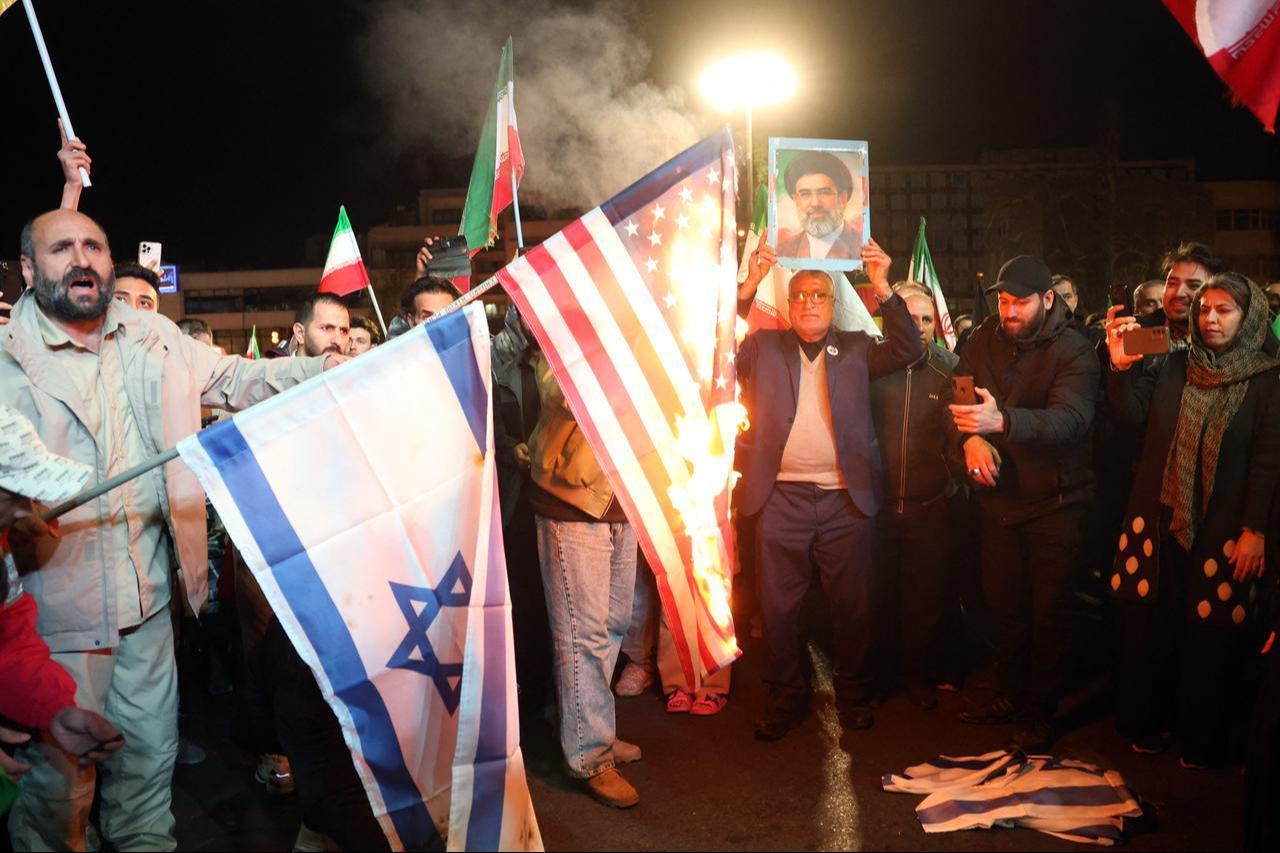
Türkiye, Pakistan and Egypt made intensive efforts to ensure that message exchanges between the United States and Iran continued and produced a result.
The temporary ceasefire was announced as part of that broader diplomatic effort.
Against that backdrop, the Lebanese official said Aoun was trying to ensure that Lebanon would also be covered by the arrangement, as questions remain over whether the current ceasefire framework extends beyond the U.S., Iran and Israel.


 Set as preferred source
 Set as preferred source


 1 min read
 1 min read