Newsletters


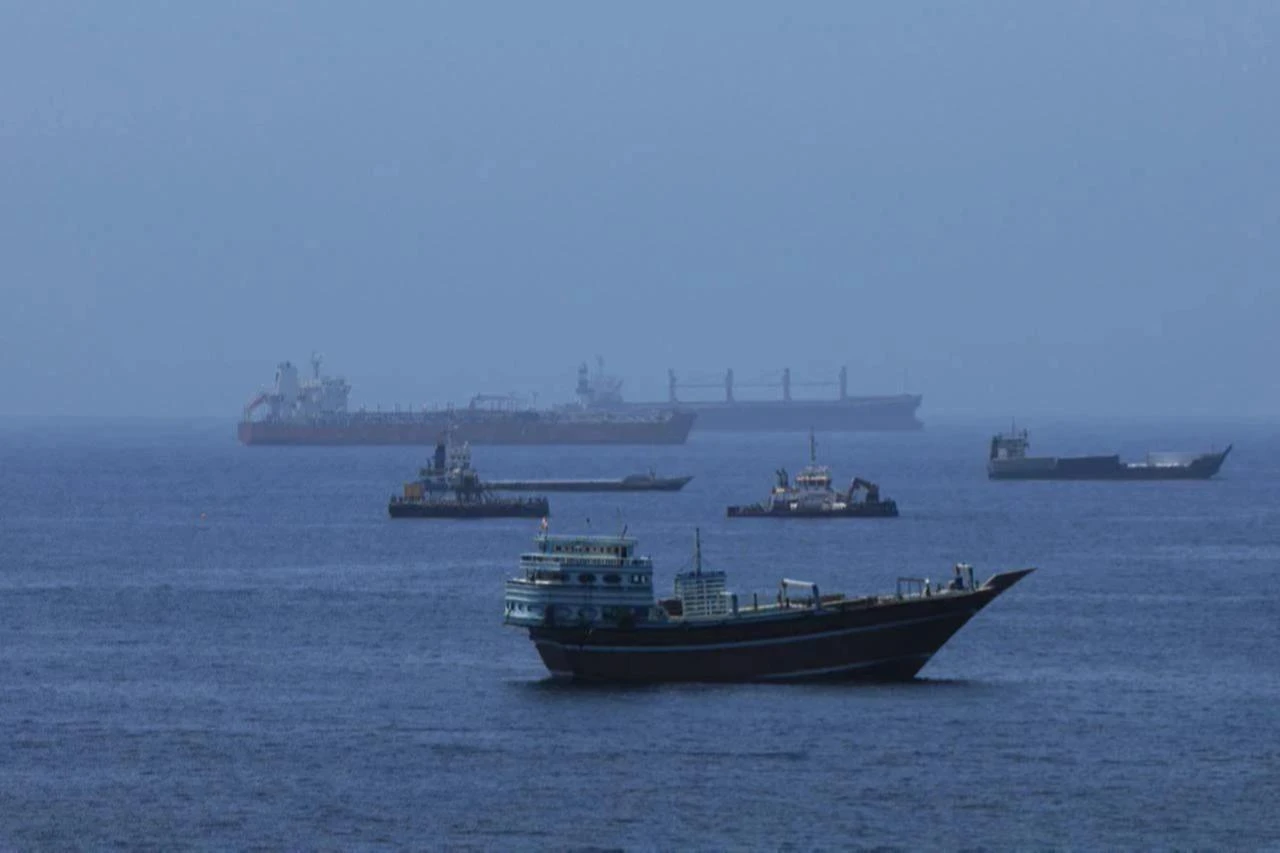


Japanese Prime Minister Sanae Takaichi on Wednesday urged Iranian President Masoud Pezeshkian to support "free and safe navigation" through the Strait of Hormuz without additional costs.
She also urged him to help persuade Yemen's Houthi group to exercise restraint, according to a statement posted on Takaichi's account on the U.S.-based social media platform X.
During a phone call with Pezeshkian, Takaichi stressed the need to quickly de-escalate current military tensions and calm the situation as Iran continues talks with relevant countries on reopening the Strait of Hormuz.
She said Japan's position is that the U.S. and Iran should resume talks in line with the Islamabad memorandum and reach a final agreement at an early stage, including on the nuclear issue.
Takaichi also said she strongly hoped that "de-escalation of the situation through diplomacy" could be achieved soon.
The Japanese prime minister said the Strait of Hormuz should remain open for "free and safe navigation without additional costs."
She also called for discussions with the international community, including countries that use the strait.
Pezeshkian briefed Takaichi on the current status and future outlook of Iran's dialogue with Oman over the Strait of Hormuz.
The U.S. and Iran signed a memorandum of understanding on June 17 and launched negotiations toward a final agreement.
The talks later stalled over disagreements on security guarantees and freedom of navigation through Hormuz, one of the world's most strategic routes for global energy supplies and trade.
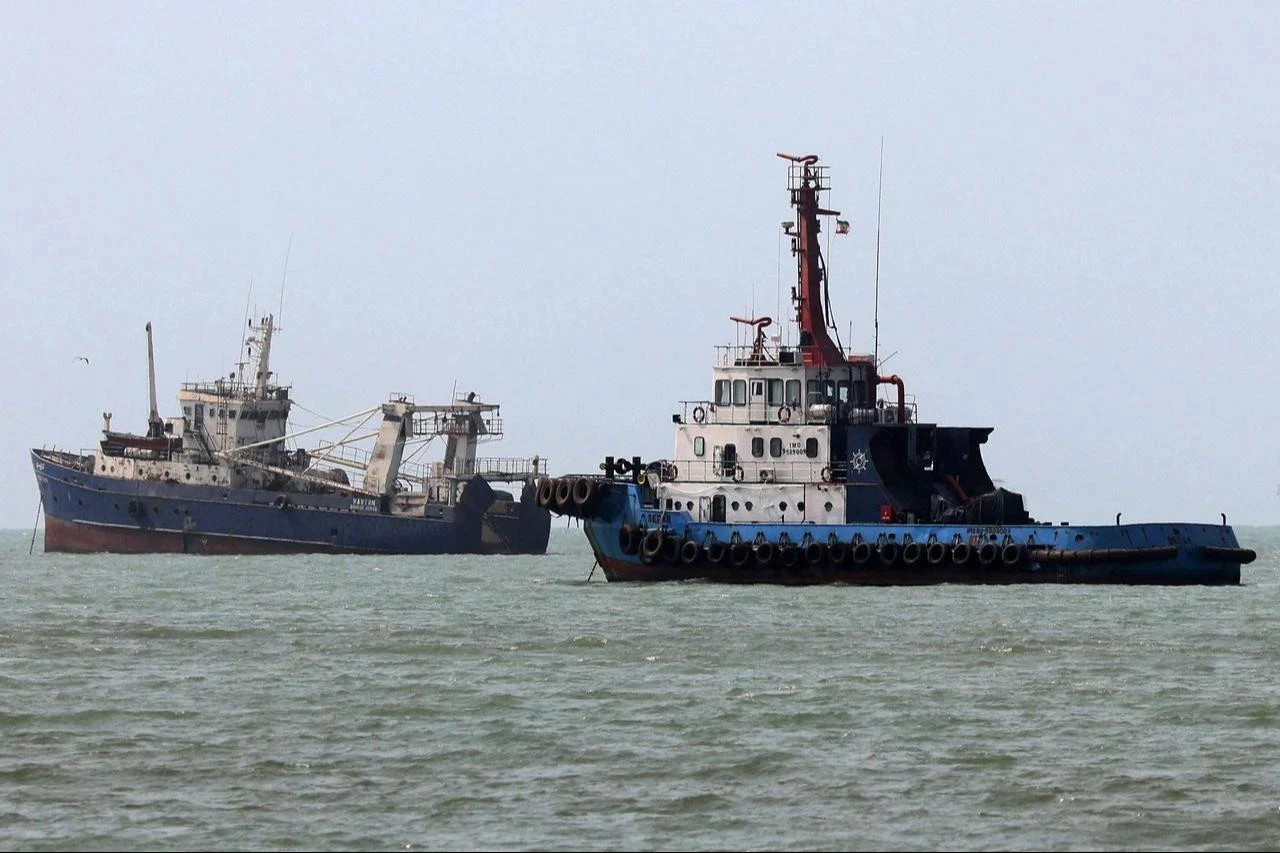

Takaichi also expressed concern about the situation in the Bab el-Mandeb Strait and urged Iran to help persuade the Houthis to show restraint.
Bab el-Mandeb, located on the Arabian Peninsula opposite the Strait of Hormuz, serves as the entryway to the Red Sea.
Pezeshkian said efforts were underway to resolve the issue through dialogue, including with Saudi Arabia.
Takaichi also urged an early resolution in the case of a Japanese national who was released on bail in Iran in April.
From July 8 to July 24, the U.S. and Iran exchanged military strikes.
Washington carried out attacks on targets inside Iran, while Tehran responded by striking what it described as U.S. military facilities and equipment in several Arab countries, including Jordan, Bahrain and Kuwait.


 Set as preferred source
 Set as preferred source


 1 min read