Newsletters


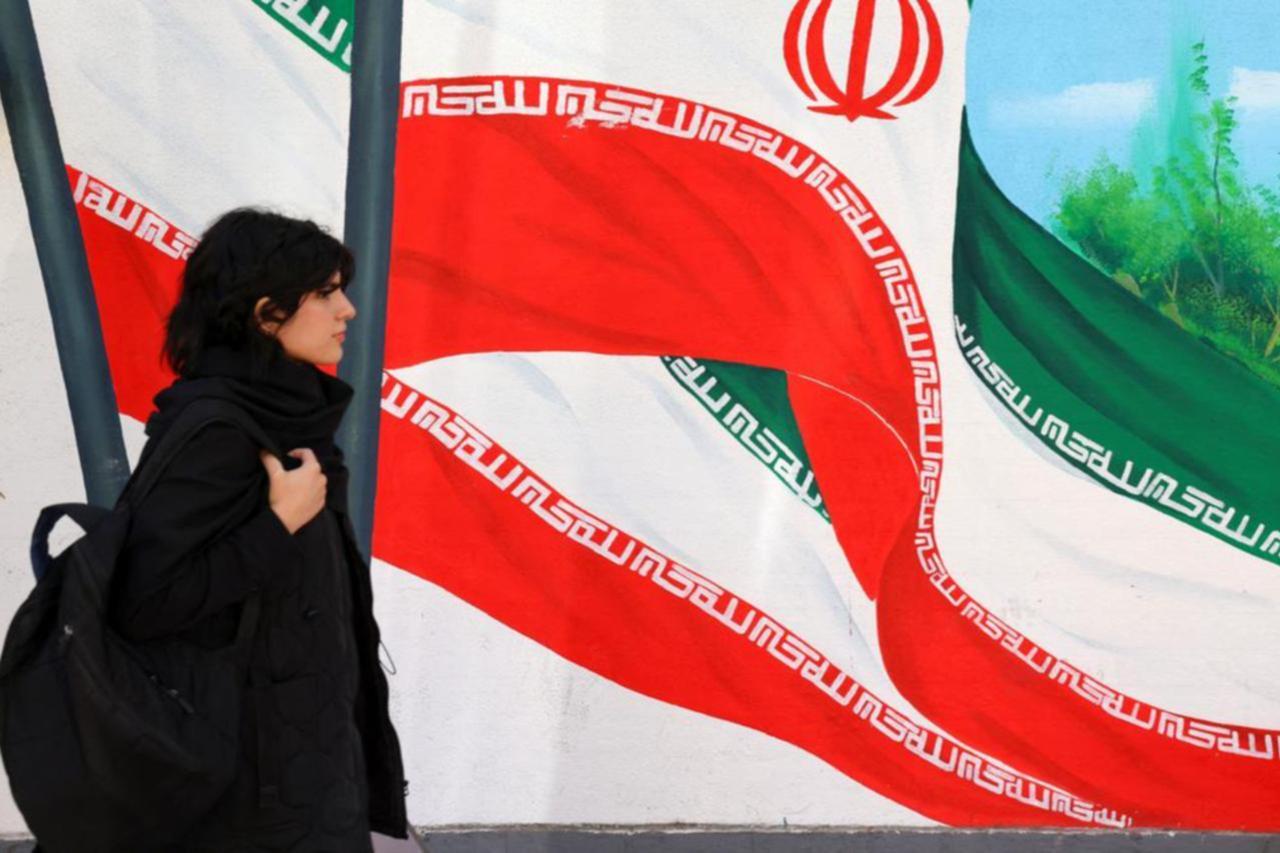


A newly published report titled “The Transformation of Security Perception and Political Discourse in Iran,” by Oral Toga and released by the Ankara-based Iranian Studies Center (IRAM), argues that Tehran has entered a new phase in its security discourse, driven by a combination of external threat perception and internal political necessity.
The report suggests that Iran is recalibrating its long-standing ideological framing, moving from the narrative of ‘Axis of Resistance’ to a nation-state identity built on Iranian history, mythology, and the language of survival.
According to the study, the 12-day conflict with Israel acted as a pivotal catalyst. The confrontation did not expand Iran’s regional mission; instead, it accelerated an inward-looking redefinition rooted in national cohesion.
The shift was visible in daily life and symbolic decisions that followed immediately, most notably the performance of the national anthem “Ey Iran” during an Ashura ceremony, recording a departure from decades in which religious and revolutionary anthems dominated state occasions.
The move was reinforced through a public messaging campaign, including widespread billboards and media headlines invoking the anthem. The report describes this as a deliberate state project aimed at reframing loyalty around the physical homeland rather than a transnational revolutionary cause.
This recalibration does not reject Iran’s Islamic character but introduces a layered identity, where the nation, not the ummah, is the primary reference point when articulating security and survival.
The conflict, which many analysts expected to inflame domestic grievances, instead produced a degree of social consolidation in Iran. The report highlights that the public rallying was not rooted in ideological enthusiasm but in a pragmatic response driven by fear of state failure. Comparisons to Syria and Libya, societies fractured by proxy wars and internal collapse, acted as a deterrent for broad-based unrest.
A striking dynamic identified in the report is the growing separation between the concepts of “Iran” and “the Islamic Republic.” For many citizens, including critical voices, Iran represents cultural continuity and identity, while the Islamic Republic represents the governing system responsible for political and economic difficulties. External threat perception elevated the value placed on the former, giving the state a temporary but significant buffer from pressures targeting the latter.
This atmosphere allowed authorities to temporarily de-prioritize contentious ideological debates, including enforcement measures such as the hijab law. Security, acknowledged as existence and survival, took precedence over social regulation. The recalibration suggests that the Iranian state considers internal cohesion no longer a desirable condition but an essential strategic requirement under the current wave of external threats.
The report notes that this does not reflect public acceptance of governance but recognition of national vulnerability. In effect, Iran’s population demonstrated resilience for the sake of the homeland, not necessarily for the regime.
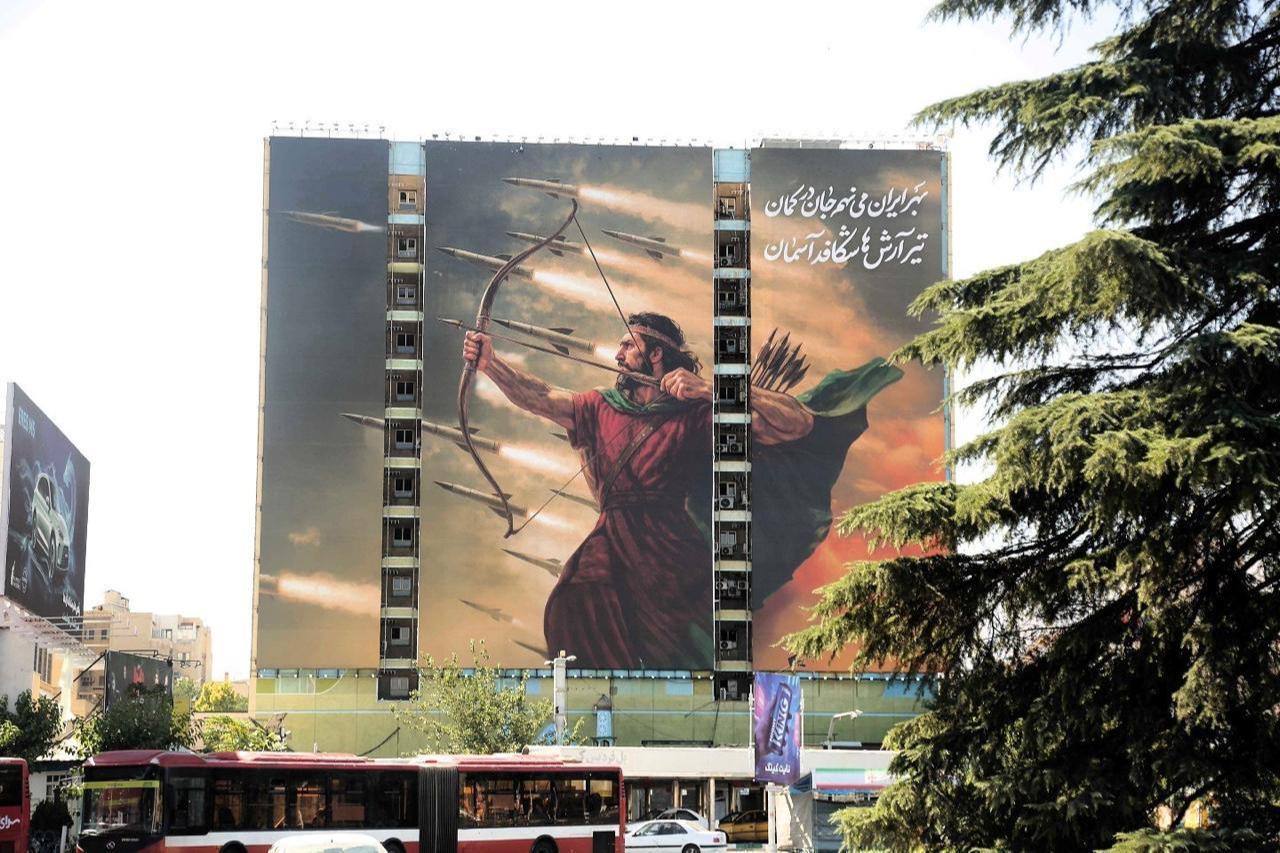

Faced with a legitimacy deficit and changing public expectations, Iran appears to be constructing a new, multifaceted national narrative that merges Islamic revolutionary identity with the deeper historical memory of Iran as a civilization-state. The report points to the regime’s active use of ancient Persian symbolism to reinforce continuity and resilience.
Mythological figures serve as bridges between past and present. Arash the Archer, symbolizing sacrifice for the homeland, is strategically linked to modern missile and drone capabilities, presenting Iran’s indigenous weapons programs as contemporary expressions of ancient defense traditions.
King Shapur’s historical victory over a Roman emperor reappears in state imagery to contextualize current tensions with Western powers within a longer arc of confrontation and endurance.
The installation of public sculptures depicting Rostam, the dragon-slaying hero of the Shahnameh, further illustrates how mythology is used to reflect modern aspirations and challenges. These statues are not placed in cultural or touristic spaces, but in central political hubs such as Revolution Square and Venek Square, reinforcing that the narrative shift is political, not merely cultural folklore.
This identity architecture reflects a public relational stunt: embedding the state within the civilizational depth of “Iran” may prove more durable and inclusive than the narrower revolutionary narrative that defined past decades.
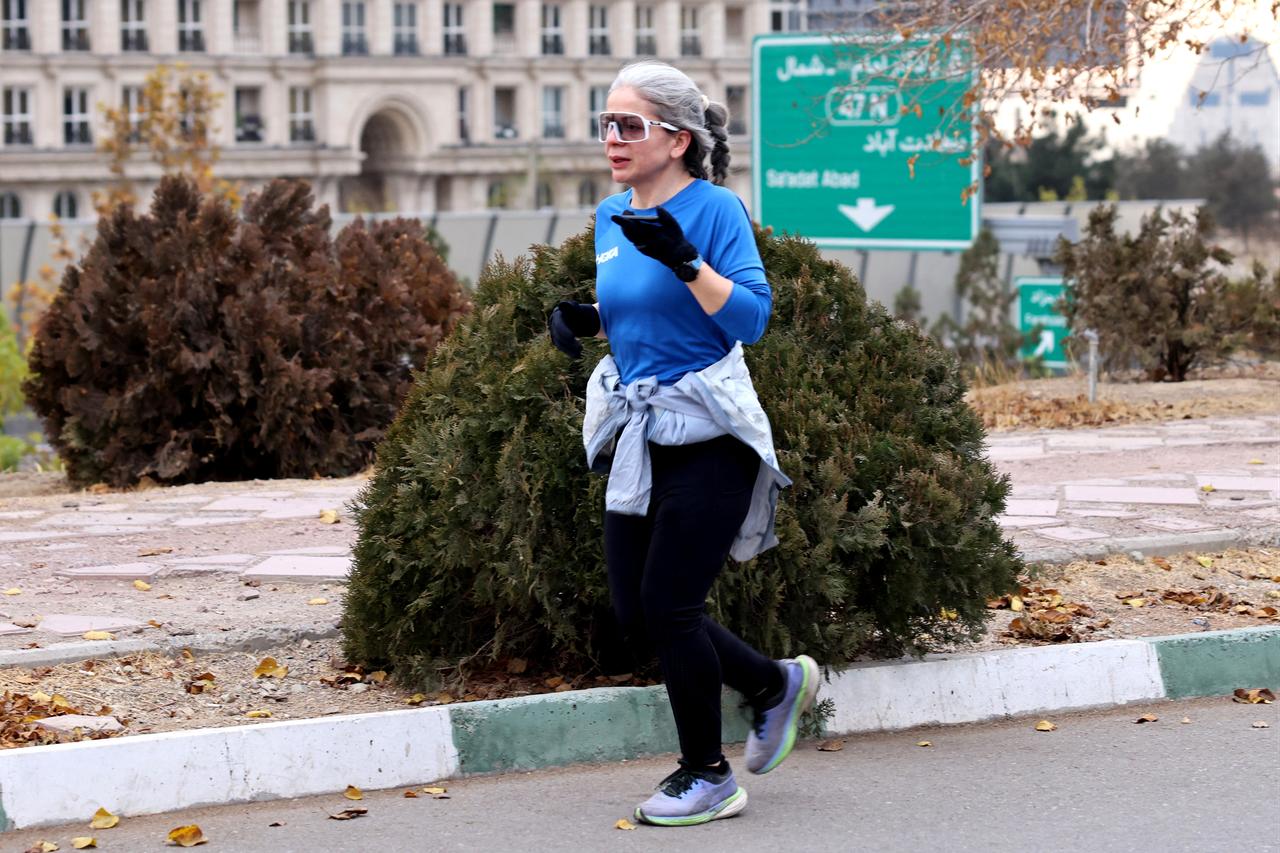
The report argues that this narrative transformation extends into policy. Iran’s political messaging around a “National Consensus Government” and the subsequent election of Masoud Pezeshkian align with the state’s priority of consolidating disaffected segments and narrowing ethnic and socio-political fault lines.
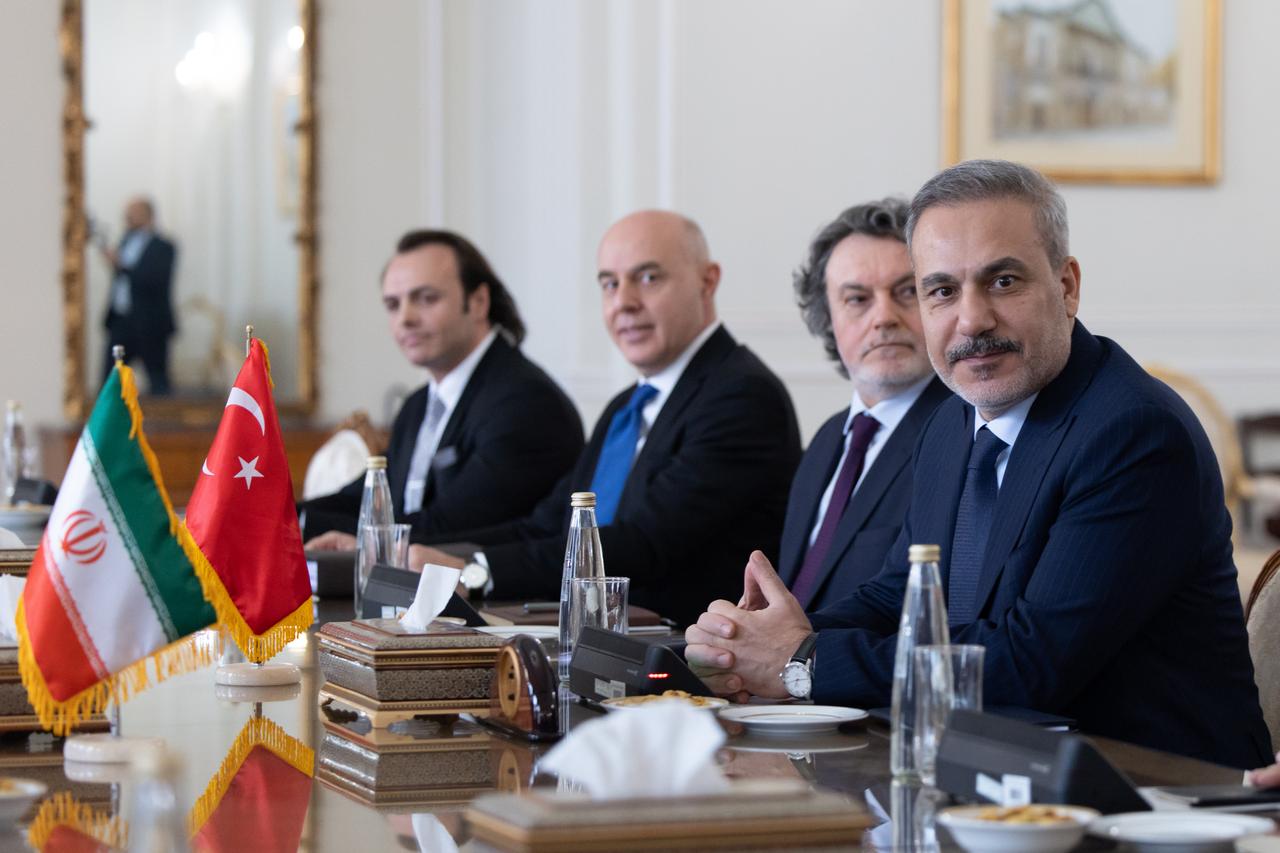
Externally, the emphasis on homeland security reshapes regional behavior. While the “Axis of Resistance” remains a strategic asset, resources and attention have been redirected toward border security, crisis prevention, and stability management. Rhetorical adjustments toward neighbors, including a softer tone with Azerbaijan and Türkiye, suggest a preference for de-escalation over ideological confrontation.
Diplomatic outreach to Pakistan, Iraq, and Gulf states aligns with an approach centered on perimeter security rather than regional expansionism. The report also notes renewed engagement efforts with the United States, signaling that pragmatism may outweigh posture when framed within national preservation rather than ideological export.
All this does not constitute a departure from the Islamic Republic’s foundational identity, but it does reflect a prioritization shift, from exporting revolution to protecting the state.


 Set as preferred source
 Set as preferred source


 1 min read
 1 min read