Newsletters


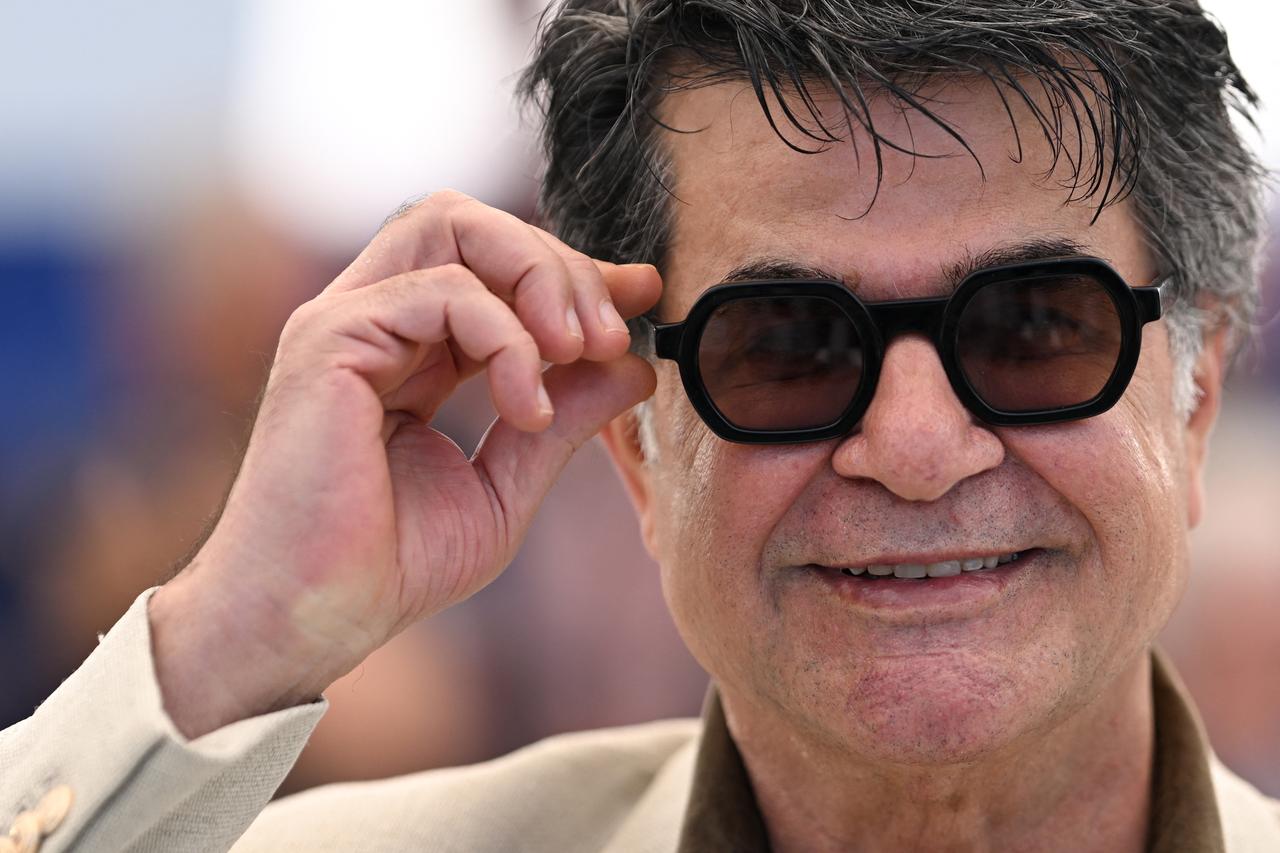


Palme d’Or-winning director Jafar Panahi has been sentenced in absentia to one year in prison and handed a two-year travel ban over what authorities describe as “propaganda activities” against the state, according to his lawyer Mostafa Nili.
The decision, which also bars the 65-year-old filmmaker from joining any political or social groups, comes as Panahi continues to live outside Iran. His legal team has already announced plans to appeal the ruling.
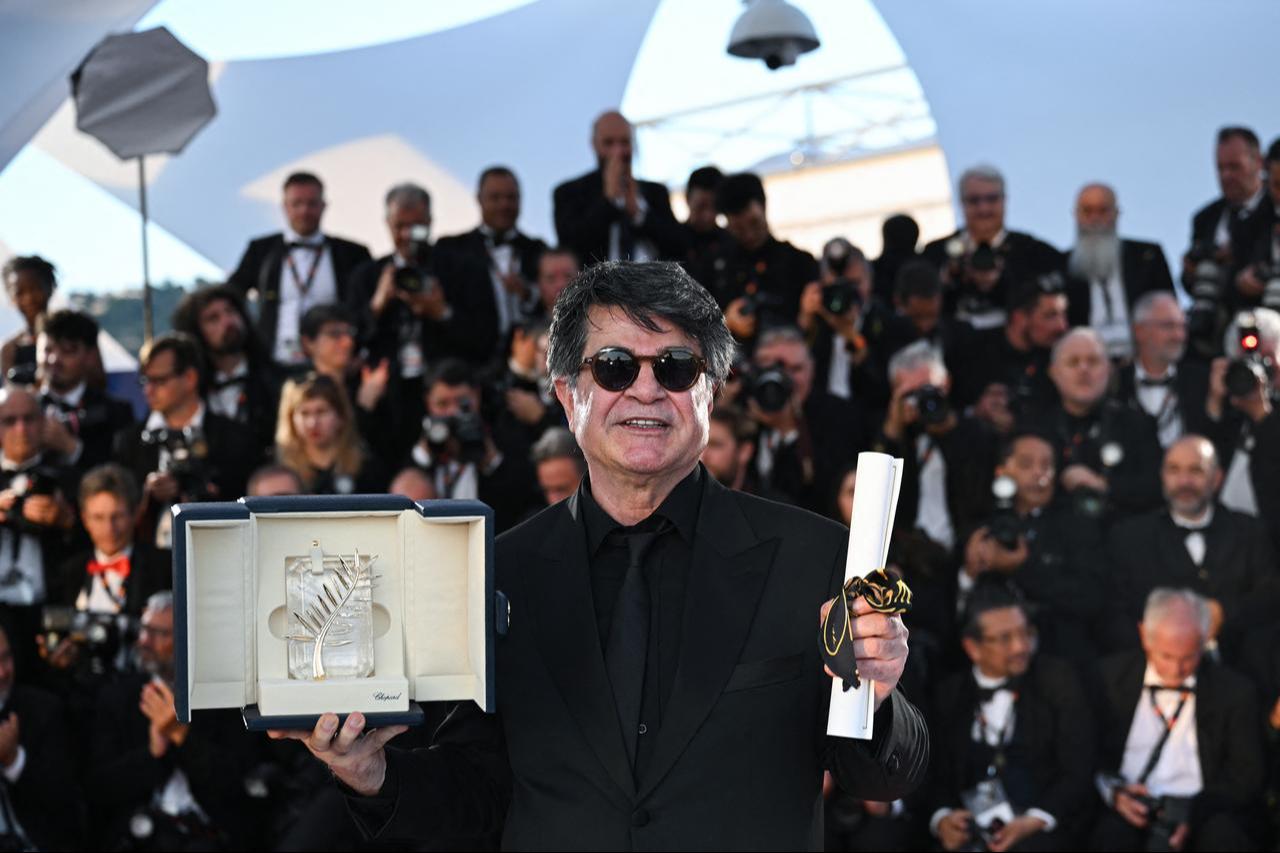
Nili said Panahi had been accused of engaging in “propaganda activities” but did not specify the details. The director is currently abroad, having recently toured Los Angeles, New York and Telluride to promote "It Was Just an Accident," the Cannes Palme d’Or winner that France has submitted as its official Academy Awards entry.
The film, centred on five former inmates debating whether to take revenge on a man they believe was once their jailer, is considered a strong contender for the Best International Feature shortlist at the Oscars.
Iranian media celebrated Panahi’s Cannes victory earlier this year, publishing his photograph after the award announcement.
But despite his international acclaim, beginning with his 1995 debut The White Balloon, which won Cannes’ best first feature award, Panahi has repeatedly faced state censorship and legal sanctions.
He was banned from filmmaking and foreign travel in 2010 after supporting mass anti-government protests. Convicted of “propaganda against the system”, he received a six-year prison sentence but spent only two months behind bars before being released on bail.
Even under the filmmaking ban, he continued to produce work, famously sending "This Is Not a Film" to Cannes on a flash drive hidden inside a cake. His later film "Taxi," shot entirely inside a car with Panahi himself behind the wheel, won the Berlinale’s top prize in 2015.

Panahi was detained again in 2022 during protests involving a group of filmmakers and spent nearly seven months in custody before his release.
Iran’s cultural sector remains tightly controlled, with directors, media figures and actors routinely monitored for content seen as critical of the Islamic Republic.
Last year, fellow award-winning director Mohammad Rasoulof fled the country to avoid serving a prison sentence on charges of “collusion against national security”.


 Set as preferred source
 Set as preferred source


 2 min read