

 Newsletters


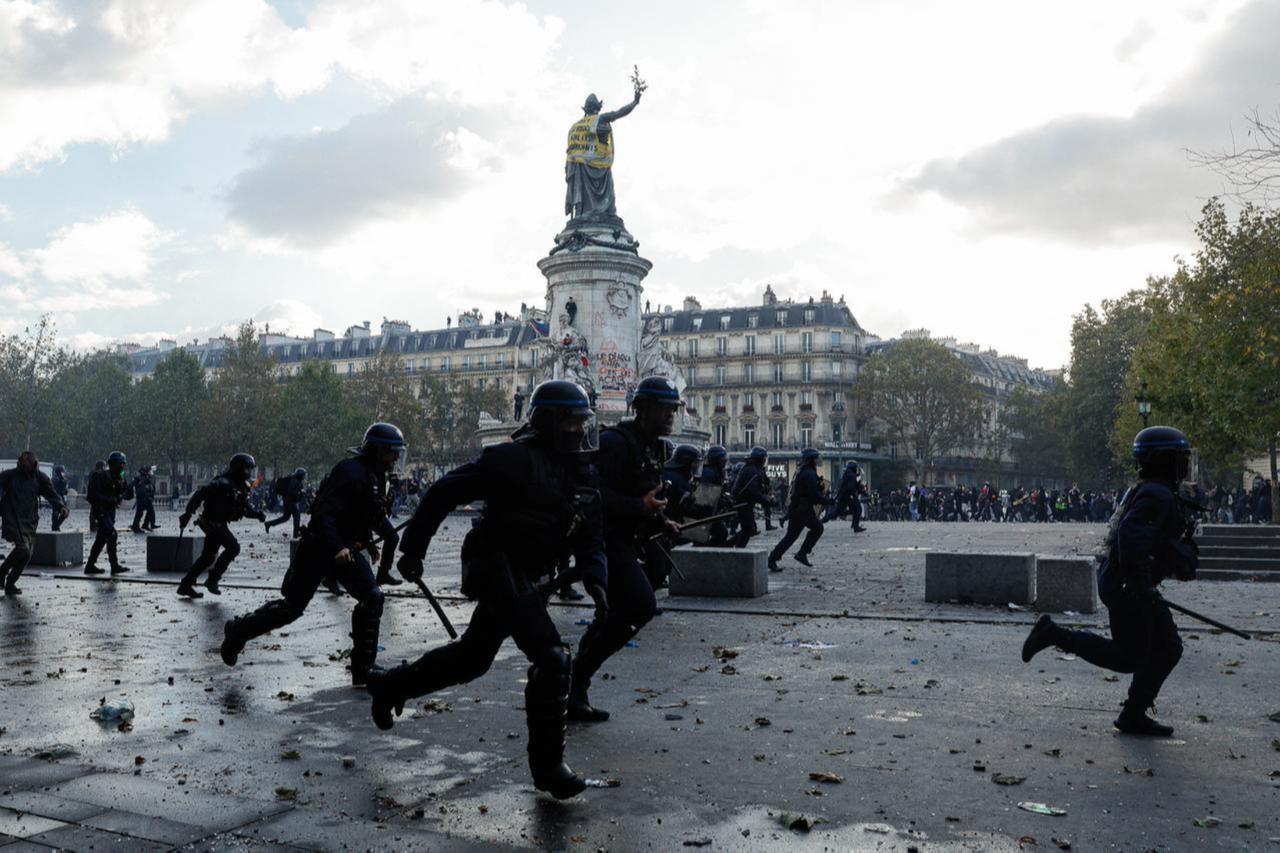


Paris remains open to tourists despite widespread protests and violent unrest across France, but visitors are being advised to avoid demonstration areas, monitor transport disruptions and remain flexible with their travel plans as safety concerns prompt some vacationers to postpone their trips.
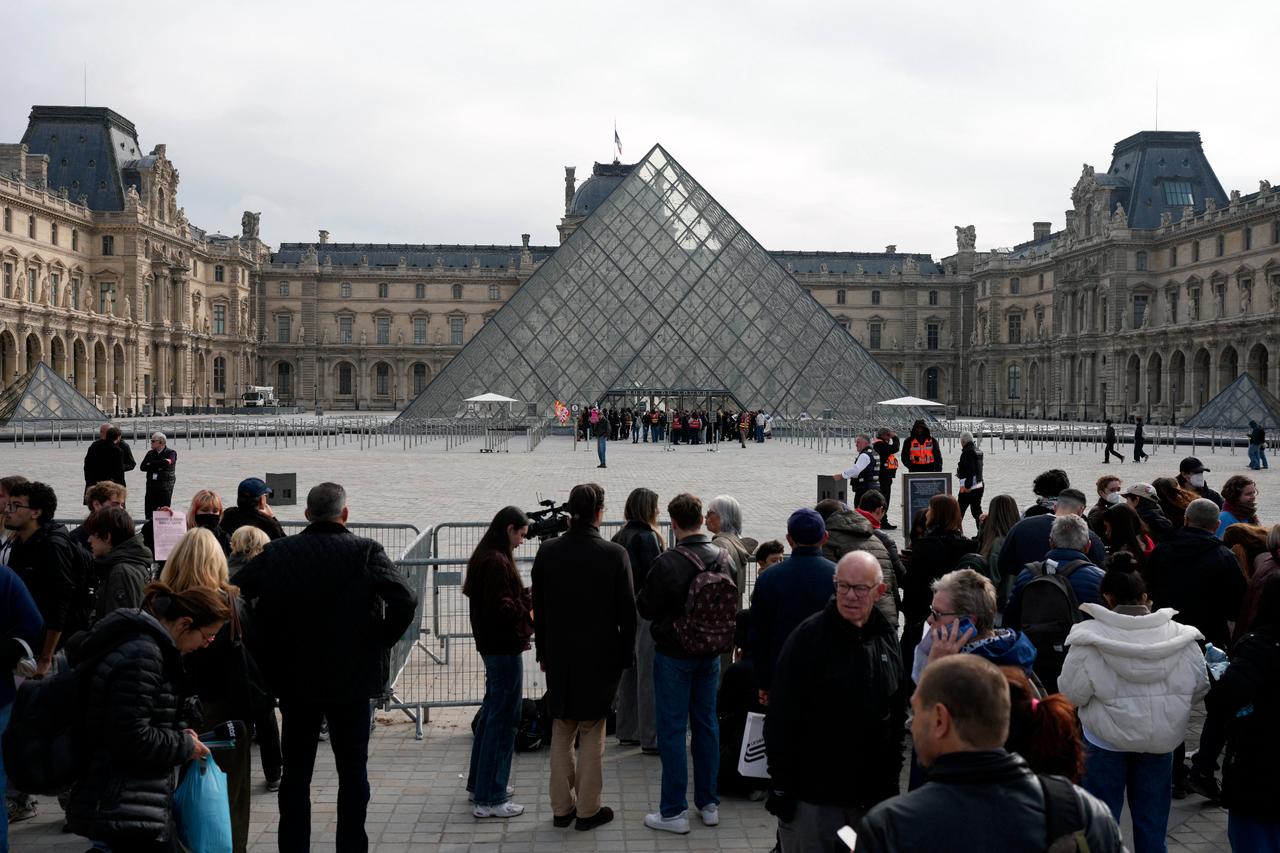
The French capital, one of Europe's most popular tourist destinations, has experienced clashes between protesters and police, vandalism and temporary closures of major attractions, including the Louvre Museum, which was blocked by student demonstrators on Monday, Oct. 19.
Although the disturbances have raised concerns among international travelers, the disruption has not affected every part of Paris, and tourists who stay away from protest locations have reported being able to explore the city without major difficulties.
According to Turkish newspaper Hurriyet, some hotels have advised visitors from Türkiye to remain indoors because of security risks in certain areas, while travel agencies have begun receiving requests to postpone scheduled vacations.
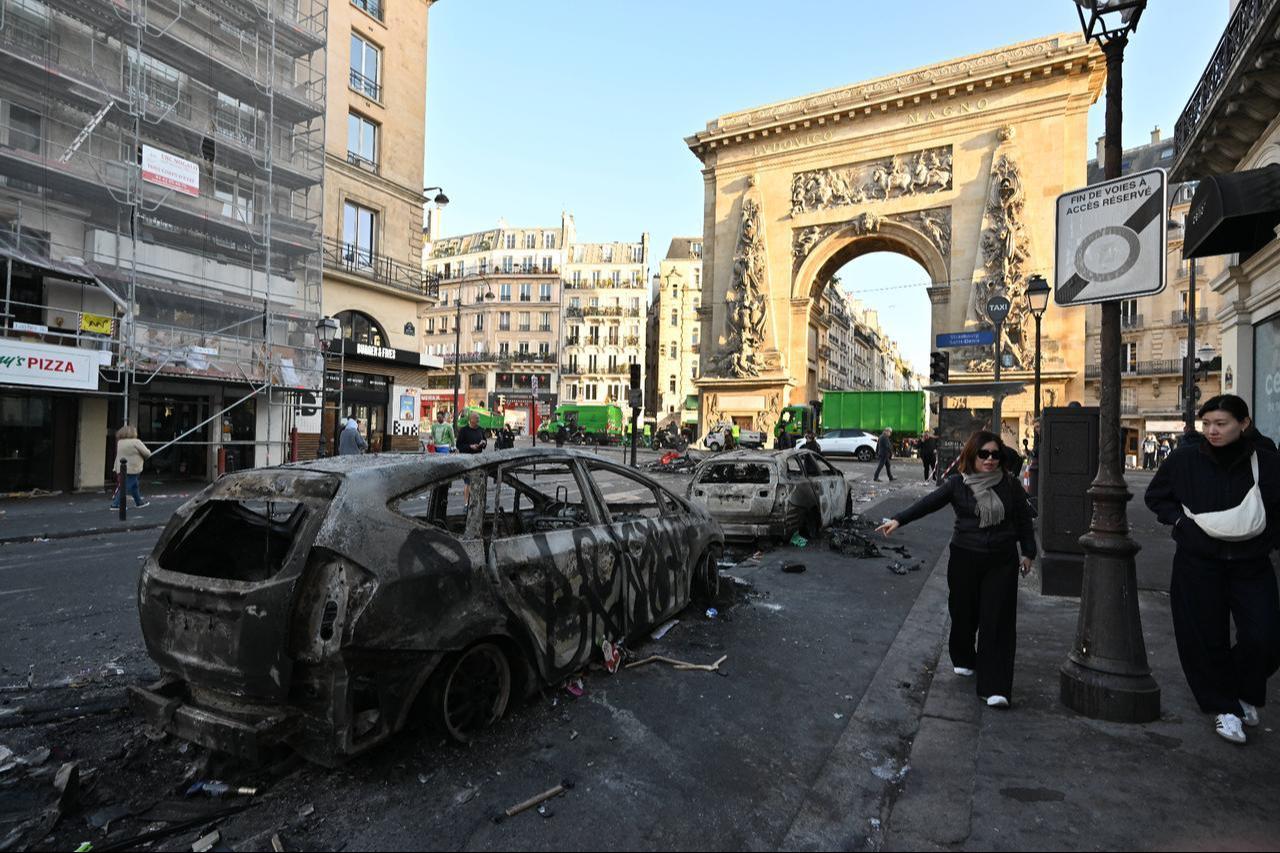

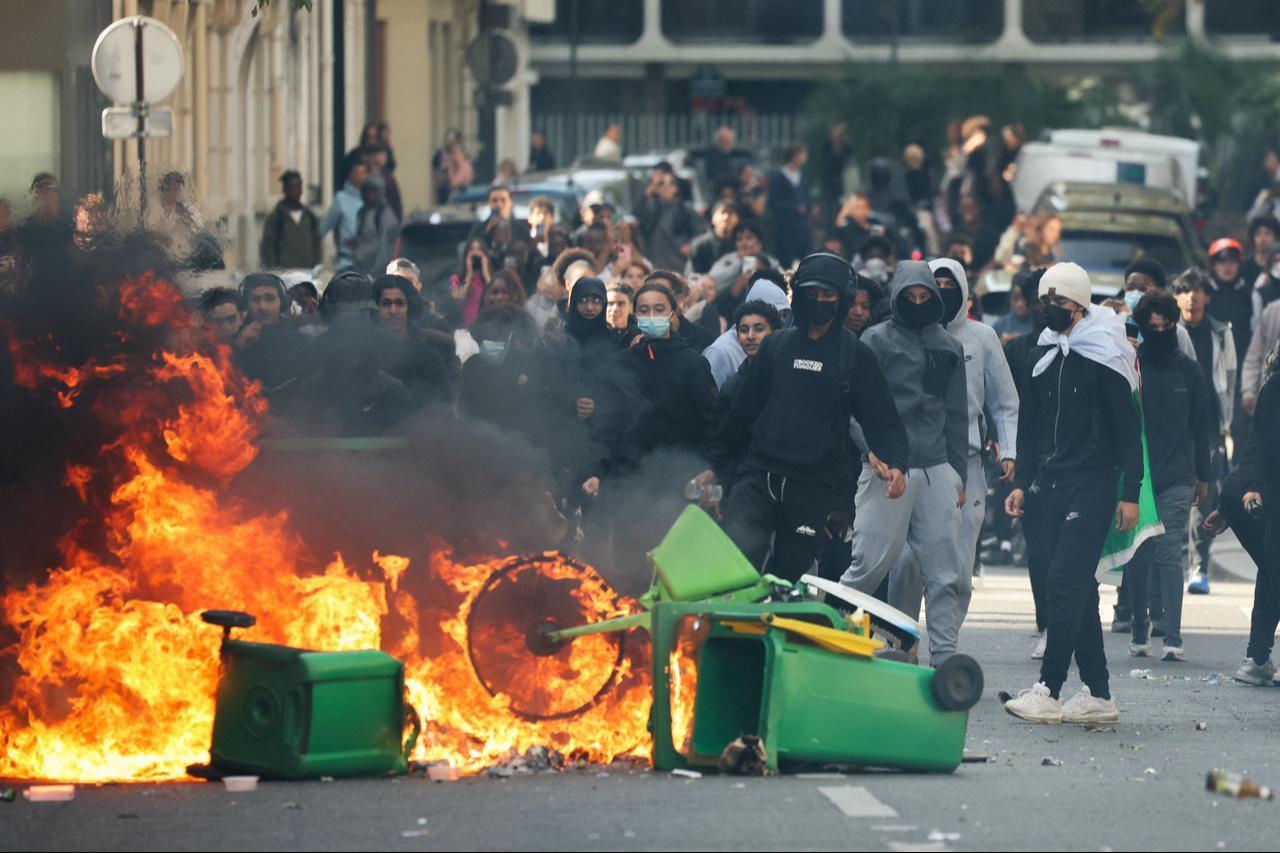
The demonstrations, which began in September with high school students demanding better educational conditions, have expanded into nationwide protests over rising living costs, public services and government economic policies.
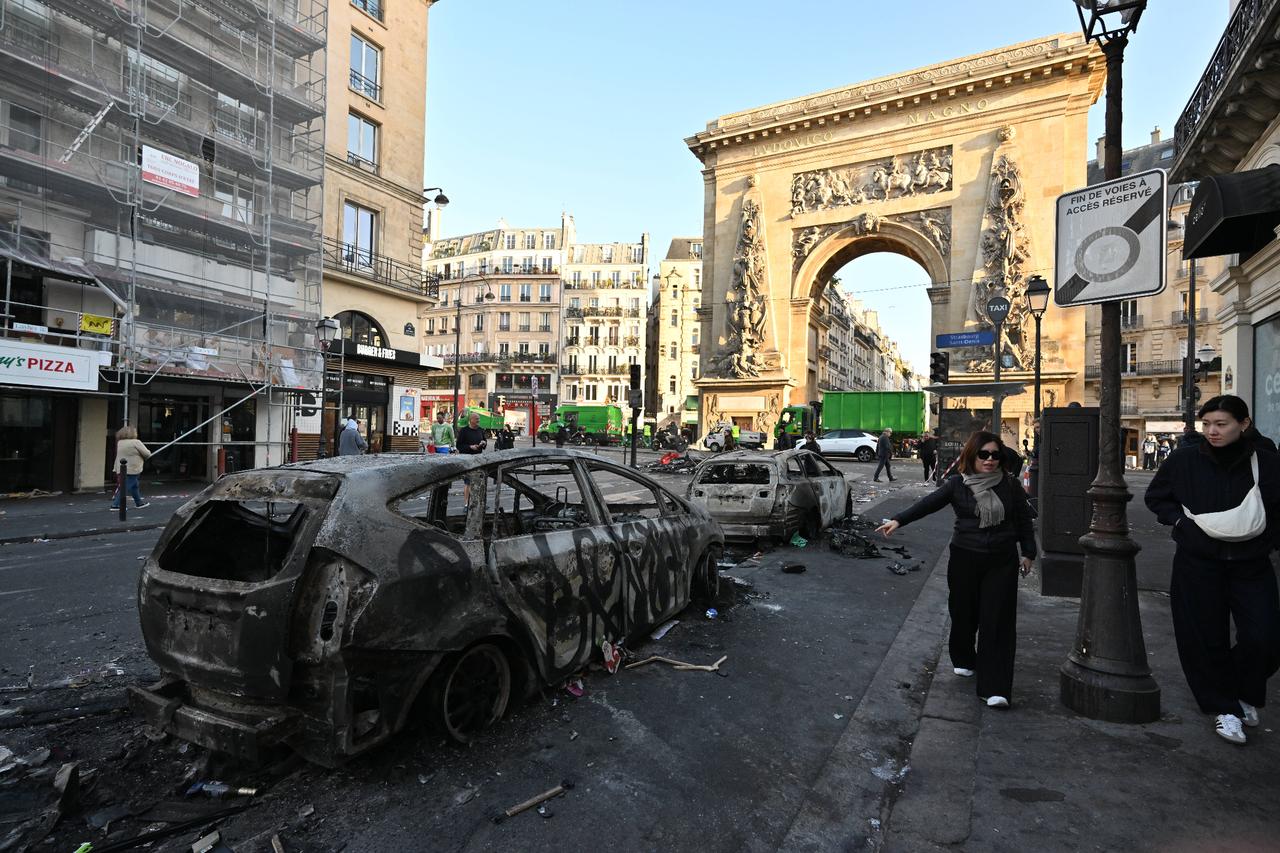
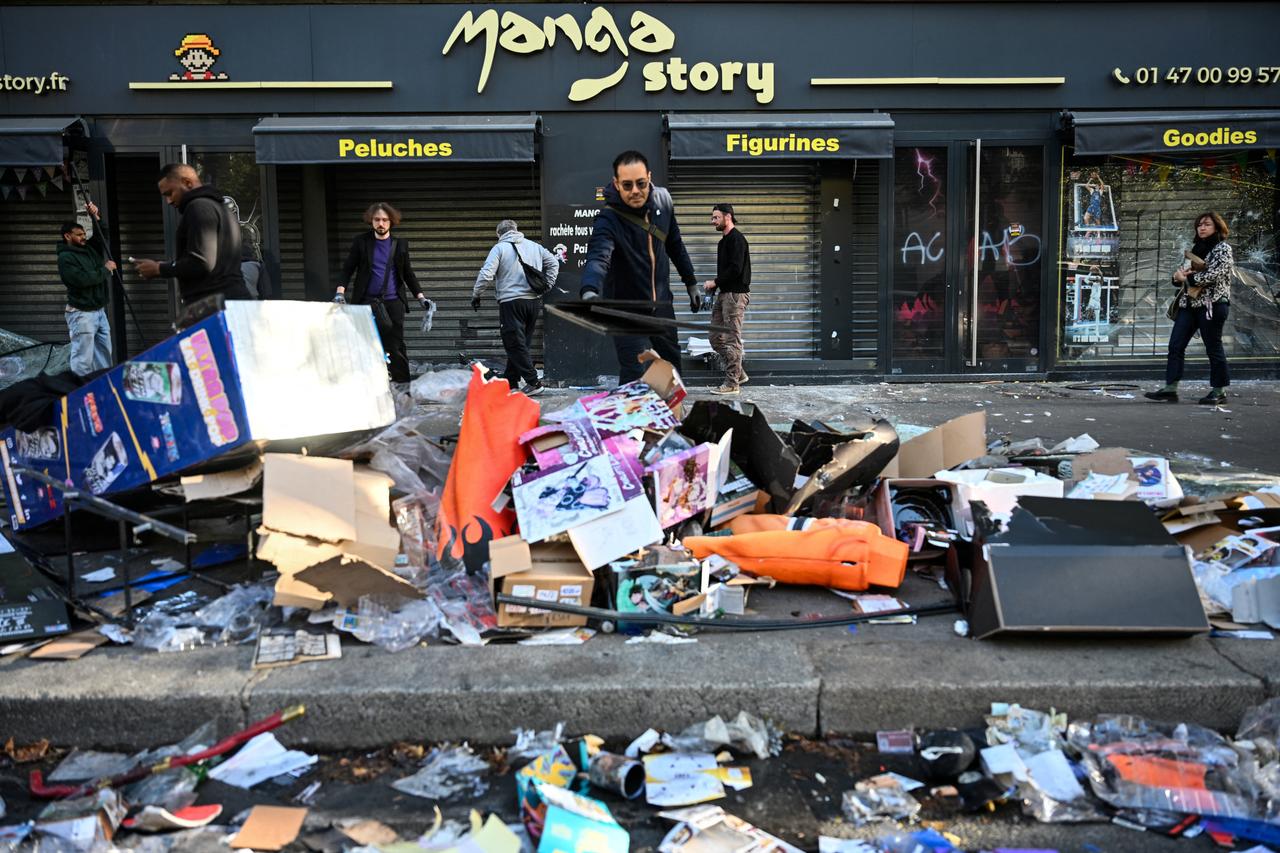
Violence broke out during demonstrations on Oct. 17, with clashes reported in Paris, Marseille and Lyon, while several businesses were looted and public buildings damaged.
In Paris, access to the Louvre Museum was blocked Monday by students supporting the wider protest movement, preventing the institution from opening as scheduled. The incident highlighted how demonstrations could unexpectedly disrupt visits to major cultural attractions.
However, travel magazine Conde Nast Traveler emphasized that Paris should not be treated as an entirely unsafe destination, explaining that disruptions are concentrated in particular streets and neighborhoods rather than spread uniformly across the city.
The magazine recommended avoiding accommodation near major gathering points, including Place de la Republique, Bastille, Nation and Place de Clichy, where demonstrations could affect movement and access.
Instead, travelers were encouraged to consider quieter residential neighborhoods, particularly the 13th, 14th and 15th arrondissements, the administrative districts that make up Paris.
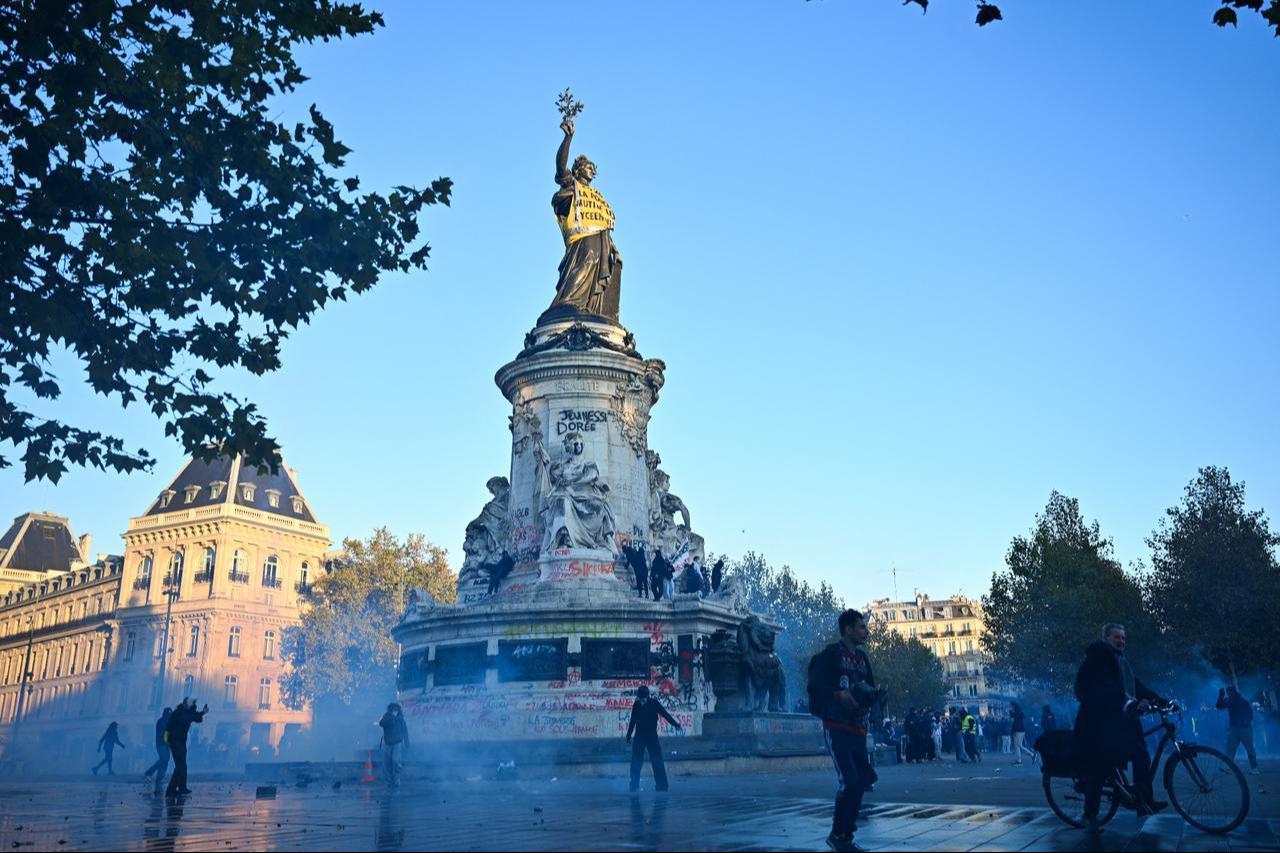
The unrest has begun to influence travel decisions, particularly among tourists planning autumn vacations in the French capital.
Tolga Tekin, international tours manager at Turkish travel company Jolly, told Hurriyet that approximately eight to 10 customers had postponed their vacations, although the company had not received cancellation requests.
Tekin explained that obtaining a visa for European travel can be difficult, making travelers reluctant to cancel trips after completing the application process. As a result, some visitors, particularly families with children, have preferred to change their travel dates.
Despite the uncertainty, demand for European vacations remains strong ahead of Türkiye's Oct. 29 Republic Day holiday, with relatively attractive prices continuing to encourage bookings.
Tourists already in Paris have reported differing experiences. Some interviewed by French newspaper Le Parisien described transport disruptions and police warnings that prevented them from going out for evening walks, while others said they had continued sightseeing without problems by avoiding demonstration areas.
Travelers planning to visit Paris during the protests are being encouraged to make adjustments rather than automatically cancel their trips.
Visitors should check for demonstrations and possible transport disruptions before leaving their accommodation, particularly when traveling to major tourist attractions or areas where large gatherings are expected.
Conde Nast Traveler recommended several precautions:
The Eiffel Tower was reported to be operating and receiving visitors in Conde Nast Traveler's Oct. 19 guide, although travelers should continue checking for changes before setting out.
 1 min read
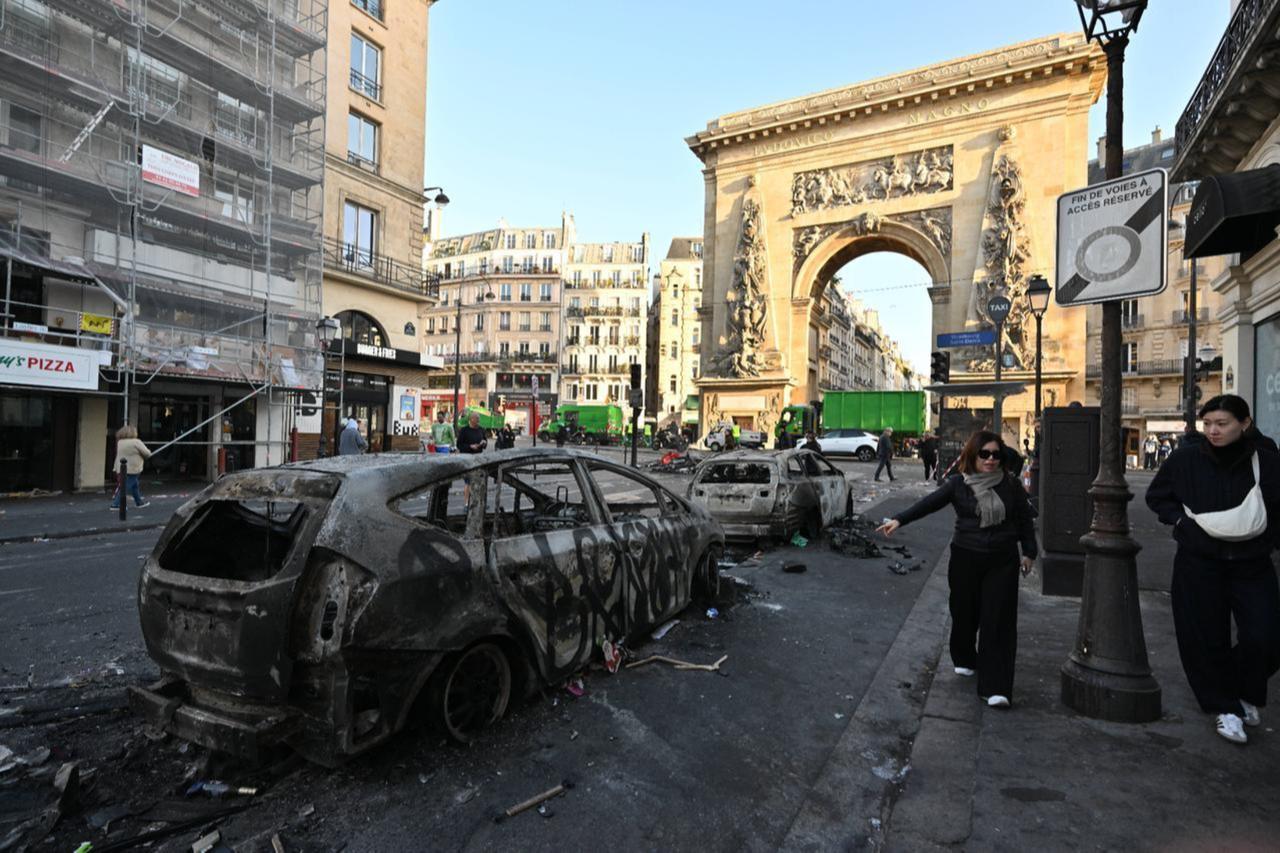
France remains one of the world's leading tourism destinations, having welcomed 102 million international visitors in 2025, according to Atout France, the country's tourism development agency.
For travelers considering Paris in the coming days, the available reports suggest that visiting the city remains possible, but avoiding demonstration areas, following local authorities' instructions and preparing for unexpected changes are particularly important while the unrest continues.


 Set as preferred source
 Set as preferred source


 1 min read


