Newsletters


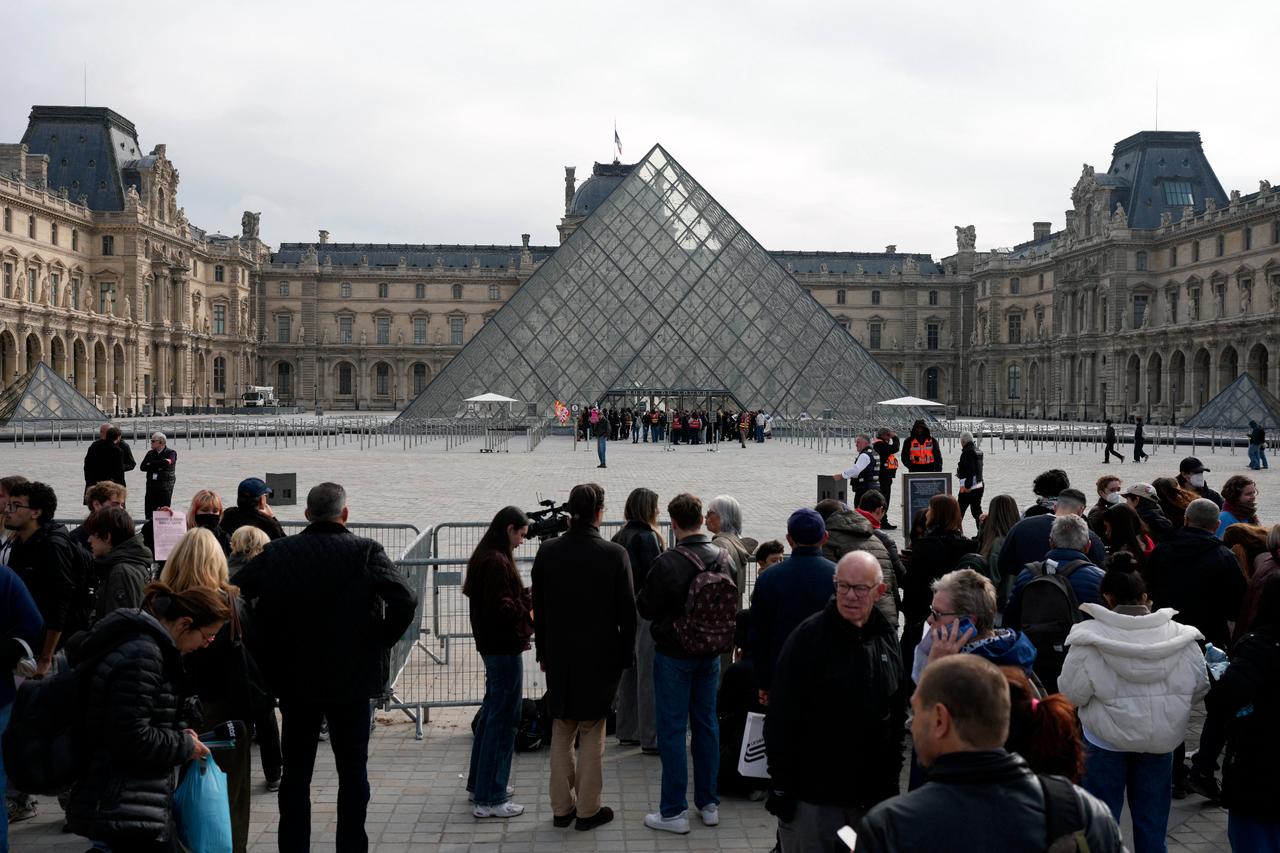


Students blocked access to the Louvre Museum in Paris on Monday, Oct. 19, preventing the world's most visited museum from opening on schedule as demonstrations over education conditions, rising living costs and allegations of police repression continued across France.
The protest was led by students from the Ecole du Louvre, an institution based within the museum grounds that specializes in art history, archaeology, anthropology and museum studies.
According to museum management and trade unions cited by French newspaper Le Parisien, demonstrators prevented the Louvre from opening at its usual time of 9:00 a.m., while students from the National School of Fine Arts also joined the action.
A leaflet displayed outside the museum declared: "We are proud to announce that we are blocking the world's largest museum."
Museum management said the demonstration was not directly related to the Louvre's operations, describing the institution as an "echo chamber" for broader public grievances.
The CGT trade union, which supported the demonstration without taking part, said the museum would remain closed until at least noon.
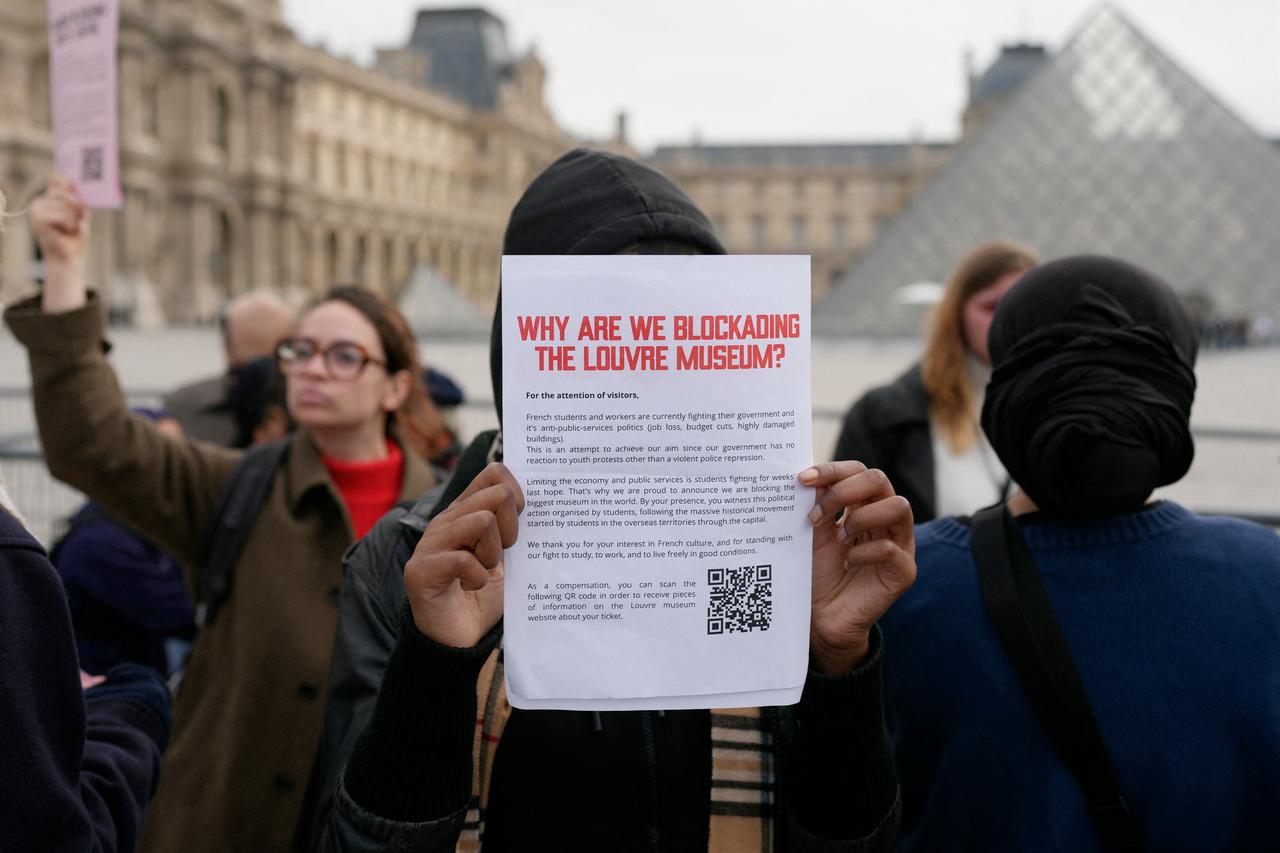

The blockade formed part of a nationwide high school protest movement that began in mid-September, with students initially demanding better conditions in educational institutions before the demonstrations expanded into wider concerns over living standards.
Protesters at the Louvre said their action also challenged what they described as police repression and supported the right to study, work and live freely under decent conditions.
The museum demonstration followed nationwide cost-of-living protests on Saturday, when approximately 500,000 people took to the streets across France.
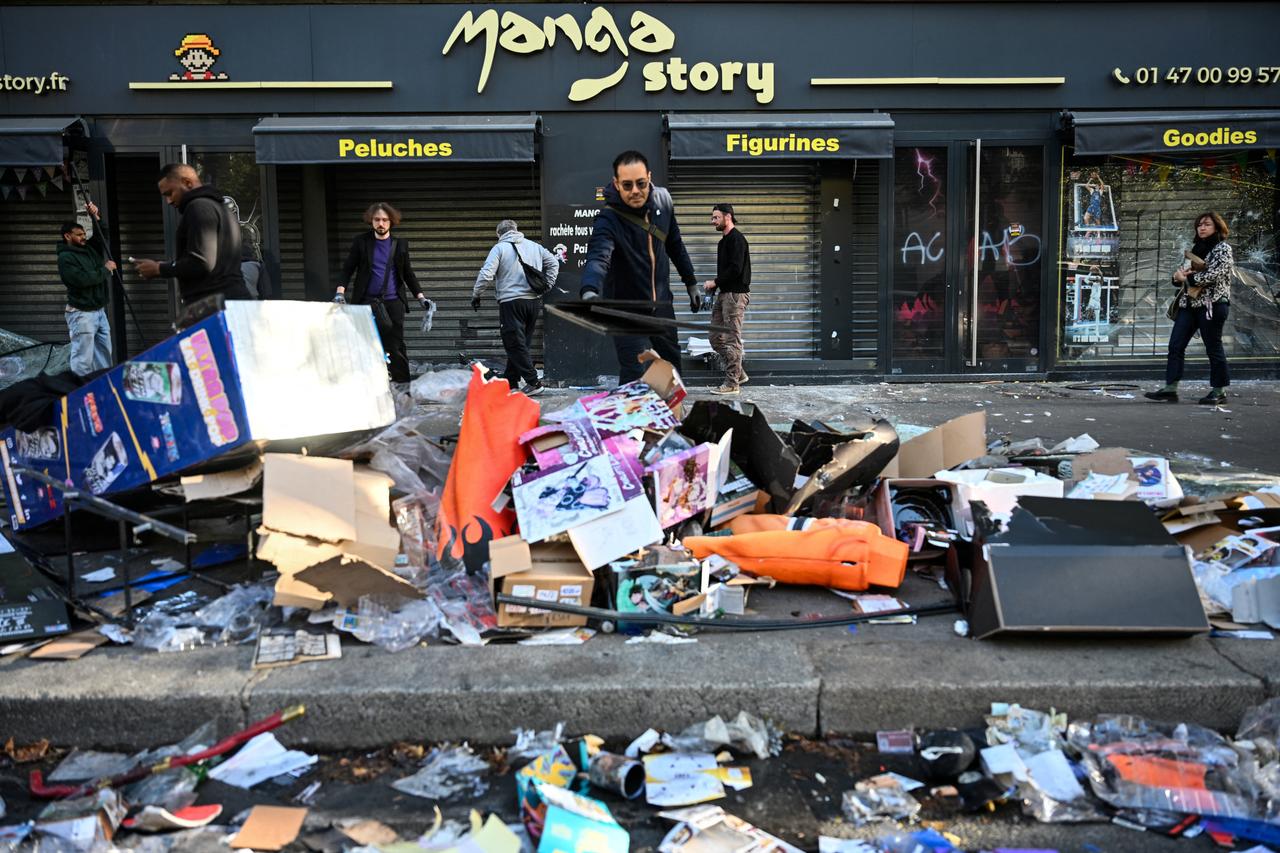
Organized by the Yellow Vests movement, which first emerged as a protest movement over fuel taxes and living costs, the demonstrations were accompanied by serious violence in several cities.
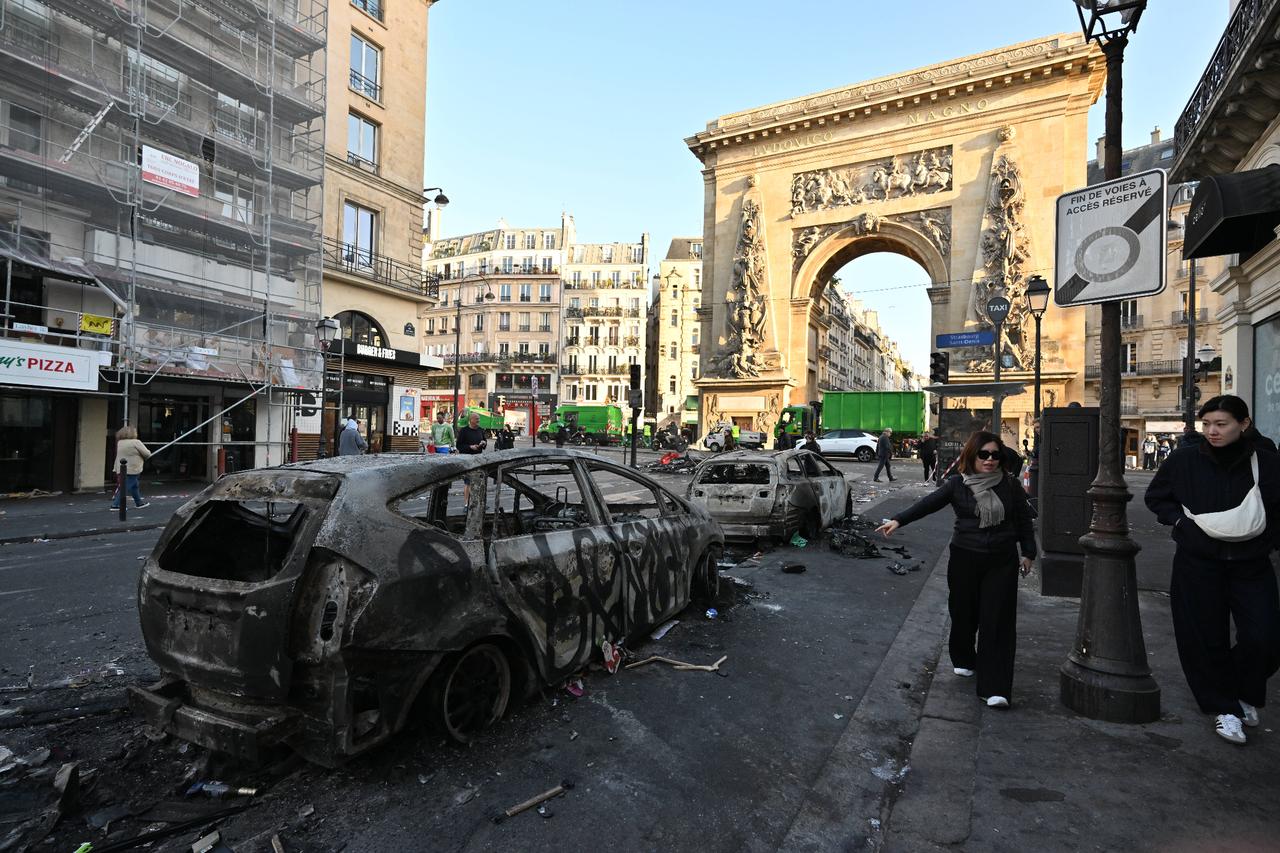
Masked groups attacked police officers, broke into public buildings, looted businesses and set vehicles on fire. More than 2,500 people were arrested over the weekend, while nearly 1,000 security personnel were injured.
As the unrest continued, French Prime Minister Sebastien Lecornu called on regional authorities Monday to introduce partial, localized curfews to protect businesses and prevent further violence.
The prime minister also said the government was prepared to declare a state of emergency if necessary, following reports that thousands of shops had been affected by the weekend's disturbances.
Interior Minister Laurent Nunez offered to resign after acknowledging that police had lost control in several major cities, but President Emmanuel Macron refused his resignation.
The government faces further demonstrations after the Yellow Vests movement called for another round of nationwide protests next Saturday.
Rising prices have added to public frustration, with diesel prices increasing by nearly 40% and gasoline prices by 25% since March, while food prices have climbed by 25% since 2021.
The unrest has also drawn international attention, with the European Union condemning the violence while emphasizing that the right to peaceful protest must be protected. Germany updated its travel advice for France, warning that further demonstrations and violence could occur.
The protests come months before France's presidential election, in which Macron is constitutionally barred from seeking another consecutive term.


 Set as preferred source
 Set as preferred source


 1 min read
 1 min read