Newsletters


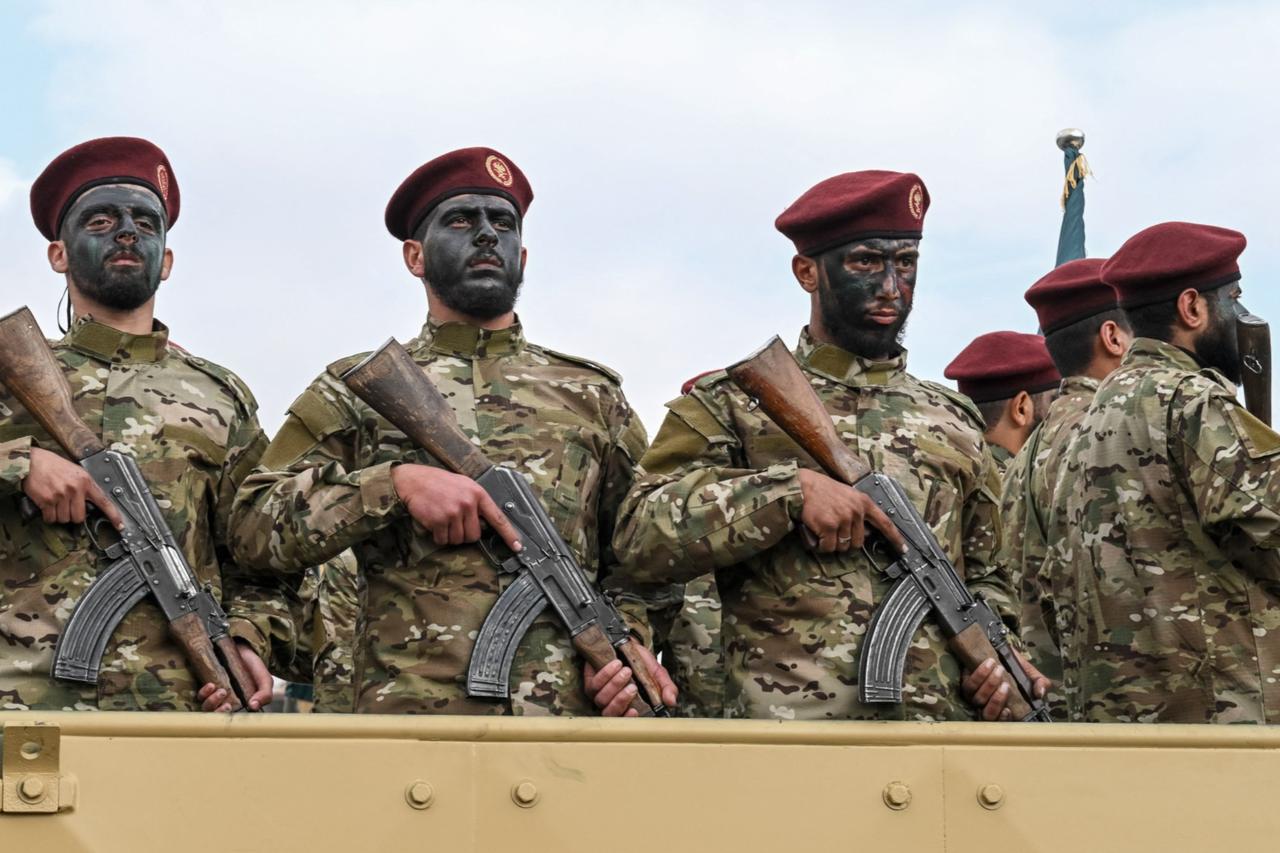


On Nov. 8, a military parade marked the first anniversary of the fall of Bashar al-Assad and showcased Syria’s emerging leadership, with interim president Ahmad al-Sharaa presiding over the ceremony.
The footage showed Syrian soldiers chanting in support of Palestinians in Gaza with phrases invoking resistance and sacrifice. Shortly after the video spread, Israel’s Minister of Diaspora and Combating Antisemitism Amichai Chikli reposted the clip online and declared, “War is inevitable.”
But analysts argue that this declaration reflects political posturing, not the strategic direction of the region. According to Syrian-American diplomatic and economic advisor Tarek Naemo, talk of “inevitability” is more reflective of political sentiment than strategic reality for several reasons. .
Naemo describes the minister’s warning as detached from the broader regional trajectory. “The region is moving toward stabilization, not escalation,” he said, noting that the United States, Gulf states, and even key Israeli security circles “recognize that long-term stability will come from economic integration and clear security arrangements, not from opening a new warfront.”
These views align with recent diplomatic activity across the Middle East, where governments are prioritizing security coordination and reconstruction over conflict expansion. Efforts to establish trade corridors, energy cooperation, and security de-confliction mechanisms reflect a growing consensus that escalation would jeopardize shared economic and political gains.
Naemo emphasized that current policymaking is shaped by cost-benefit calculations rather than historical rhetoric. “Talk of inevitability,” he said, “is more reflective of political sentiment than strategic reality.”
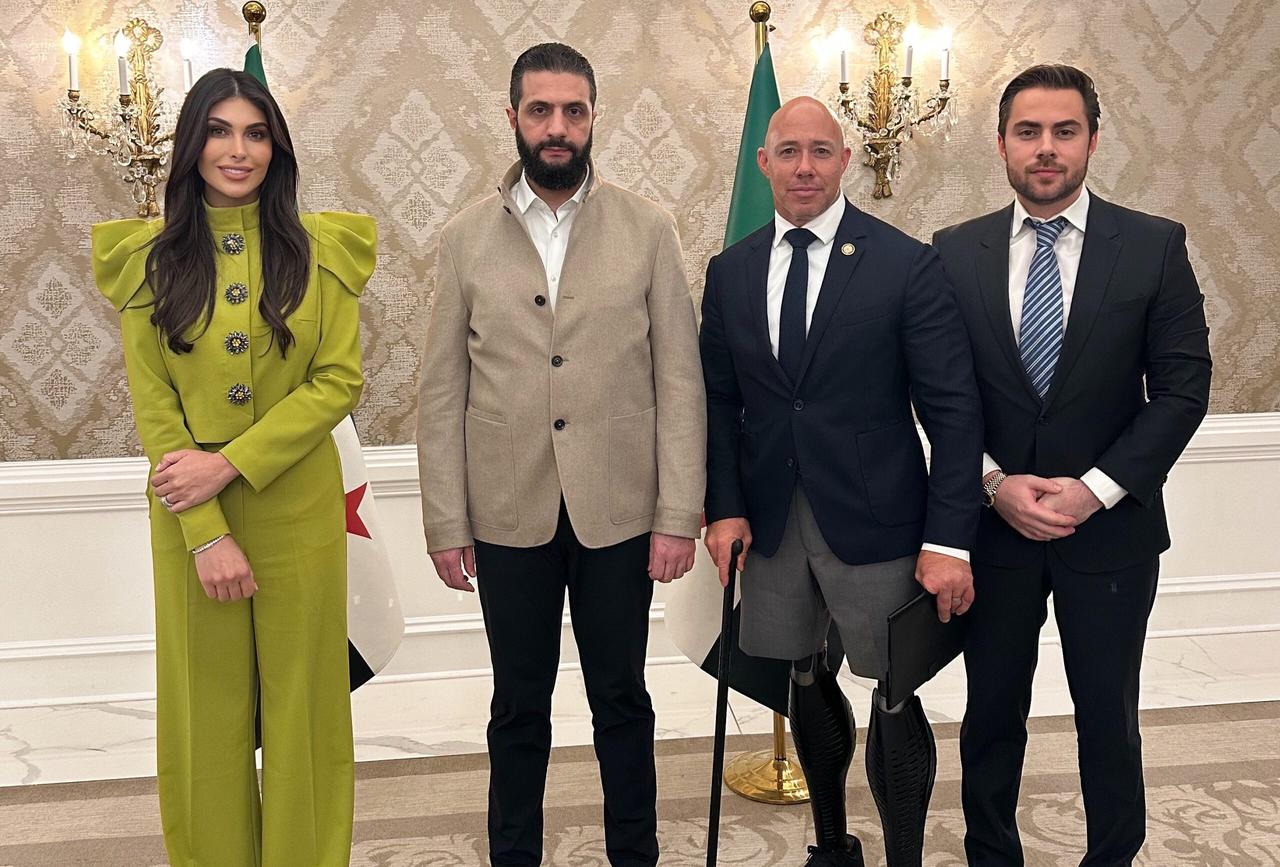

Syria’s internal transformation is a central factor in dampening the likelihood of a confrontation. According to Naemo, “The emerging Syrian leadership has shifted the equation.” With new governance structures consolidating power and new diplomatic tracks in motion, Damascus is turning outward economically rather than militarily.
“With the economic track and de-escalation channels now active, Syria has no incentive for conflict,” he explained. “The priority is reconstruction, re-integration, and attracting investment, all of which are incompatible with war.”
This recalibration is also reflected in Syria’s regional outreach efforts. Renewed ties with Arab states, early reconstruction dialogues, and a tentative normalization process are shaping Damascus’s strategic calculations.
Beyond political rhetoric, Naemo argues that Israel is in no position to initiate a large-scale confrontation. “Israel understands the cost of a direct confrontation,” he said. “A full war would stretch Israel militarily at a moment when its focus is divided on multiple fronts.”
From Gaza to the northern border, Israeli planners are already dealing with overlapping crises. In this environment, military and intelligence institutions prefer risk-reduction mechanisms over a new war. Naemo noted that “Israeli decision-makers, beyond the political rhetoric, continue to engage in quiet security messaging, not preparations for a major confrontation with Damascus.”
These back-channel communications are part of longstanding arrangements designed to prevent miscalculations. They act as stabilizers even when political discourse becomes heated.
The advisor stressed that the United States plays a decisive role in shaping the boundaries of conflict. “The new U.S.–regional framework discourages escalation,” he said. Washington’s current agenda centers on consolidating stability across Iraq, Jordan, Lebanon, and the Gulf, priorities that would be upended by a Syria–Israel war.
“Washington’s posture today is centered on preventing the emergence of new conflicts,” he added. A war involving Syria, in his view, is “highly unlikely to be permitted or supported,” making political predictions of inevitability even less credible.
This framework also influences Gulf capitals, which are channeling resources toward economic transformation and regional connectivity projects that depend on sustained calm.
When asked why an Israeli minister would label war with Syria as “definite,” Naemo argues that Chikli’s remark must be viewed through a political lens rather than a military one. “The minister’s language aligns more with domestic and regional signaling than with operational planning.”
He outlined several drivers behind such rhetoric. The first is domestic politics: “Israeli ministers sometimes make maximalist statements during moments of internal political pressure. Declaring that conflict is ‘inevitable’ projects toughness and shifts the public conversation away from domestic criticism.”
A second factor is signaling to Washington and regional actors. “Such rhetoric is often intended to influence U.S. debates or deter regional actors,” Naemo explained. By amplifying the threat environment, officials can strengthen their leverage in ongoing negotiations or convey pressure toward Syria’s allies.
Another layer stems from outdated assumptions within parts of Israel’s political class. “Some Israeli political figures are still operating with outdated assumptions, viewing Syria through the lens of 2013, not 2025,” he said. They may not fully grasp changes in Syrian leadership, the focus on reconstruction, or the U.S.–Syria diplomatic track. This disconnect can produce statements that sound detached from the current strategic landscape.
Naemo added that aggressive statements frequently serve as deterrence rather than a signal of actual intent: “Israel sometimes uses rhetoric like this to signal ‘don’t test us,’ even when it has no real intention or capability to open a full war.”
He also noted the internal fragmentation within the Israeli government. Different ministries have long communicated in different registers, with security professionals usually avoiding predictions of “inevitable war,” while political appointees often make bolder claims.
Despite the public rhetoric, Naemo insists that the real momentum is moving in the opposite direction. “The actual trend in Washington, the Gulf, and even inside Israel is toward de-escalation, economic integration, and clear security arrangements with Damascus, not toward war,” he said.
He described the minister’s comment as “political noise” that does not reflect the calculations shaping the region’s future. Agreements that reduce risk, deepen economic cooperation, and stabilize borders are the driving forces behind current policy.
In this context, a viral chant and a ministerial remark may generate headlines, but they do not alter the foundational dynamics pushing regional actors toward stability.


 Set as preferred source
 Set as preferred source


 2 min read
 1 min read