Newsletters


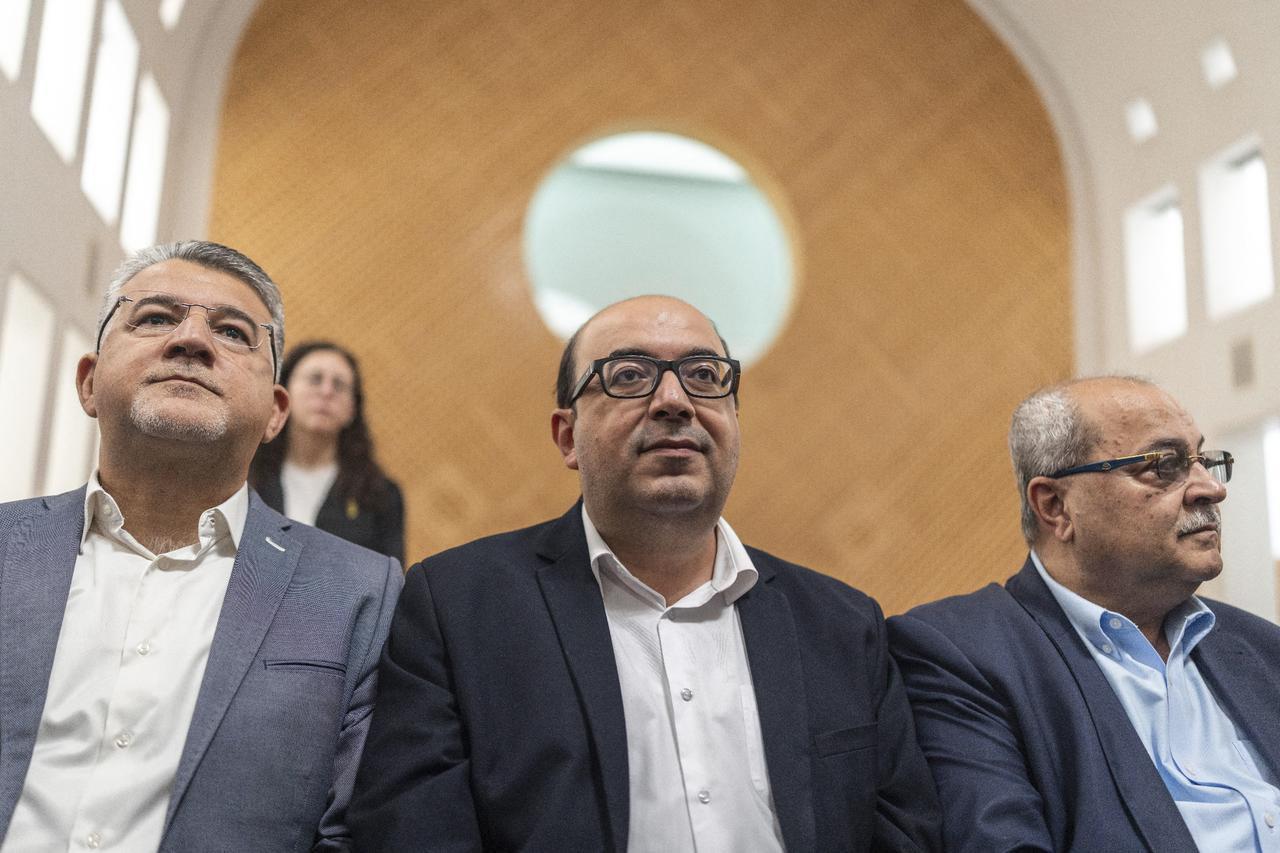
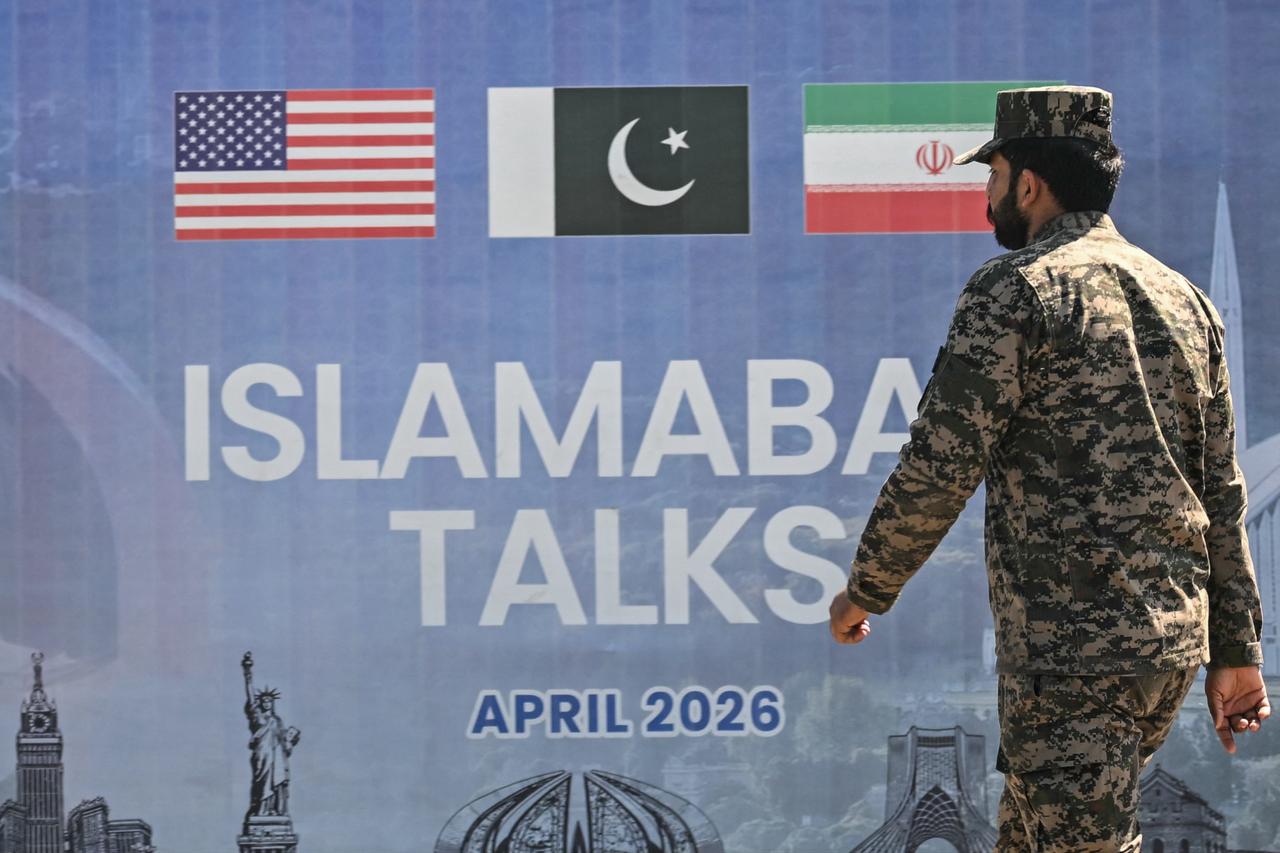
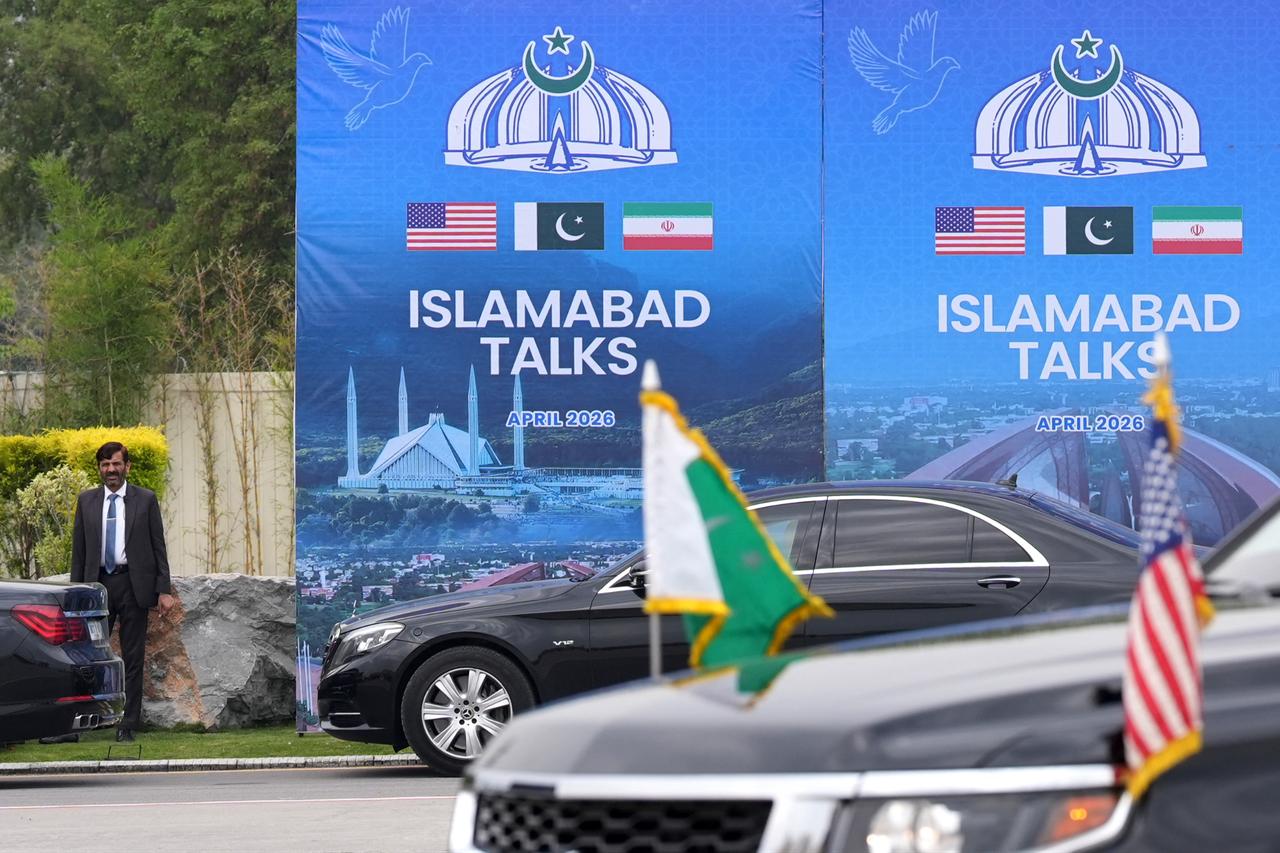
Iran's negotiating delegation departed Islamabad for Tehran on Sunday after 21 hours of talks with the United States concluded without an agreement.
Fars News Agency reported that a source close to the Iranian team said Iran has "no plans for a next round of negotiations," as Iranian state media accused the U.S. of using the talks as a pretext, and both sides traded blame for the collapse.
A source close to the Iranian negotiating team told Fars News Agency's correspondent in Pakistan that Washington had not come to negotiate in good faith.
"The U.S. team was looking for an excuse to leave the negotiating table. It seems the Americans needed the negotiation for their lost prestige in the international arena and were unwilling to lower their expectations despite failure and deadlock in the war with Iran. The negotiating team, as representatives of the people, protected the gains of the battlefield. Iran has no plans for the next round of negotiations," the source said.
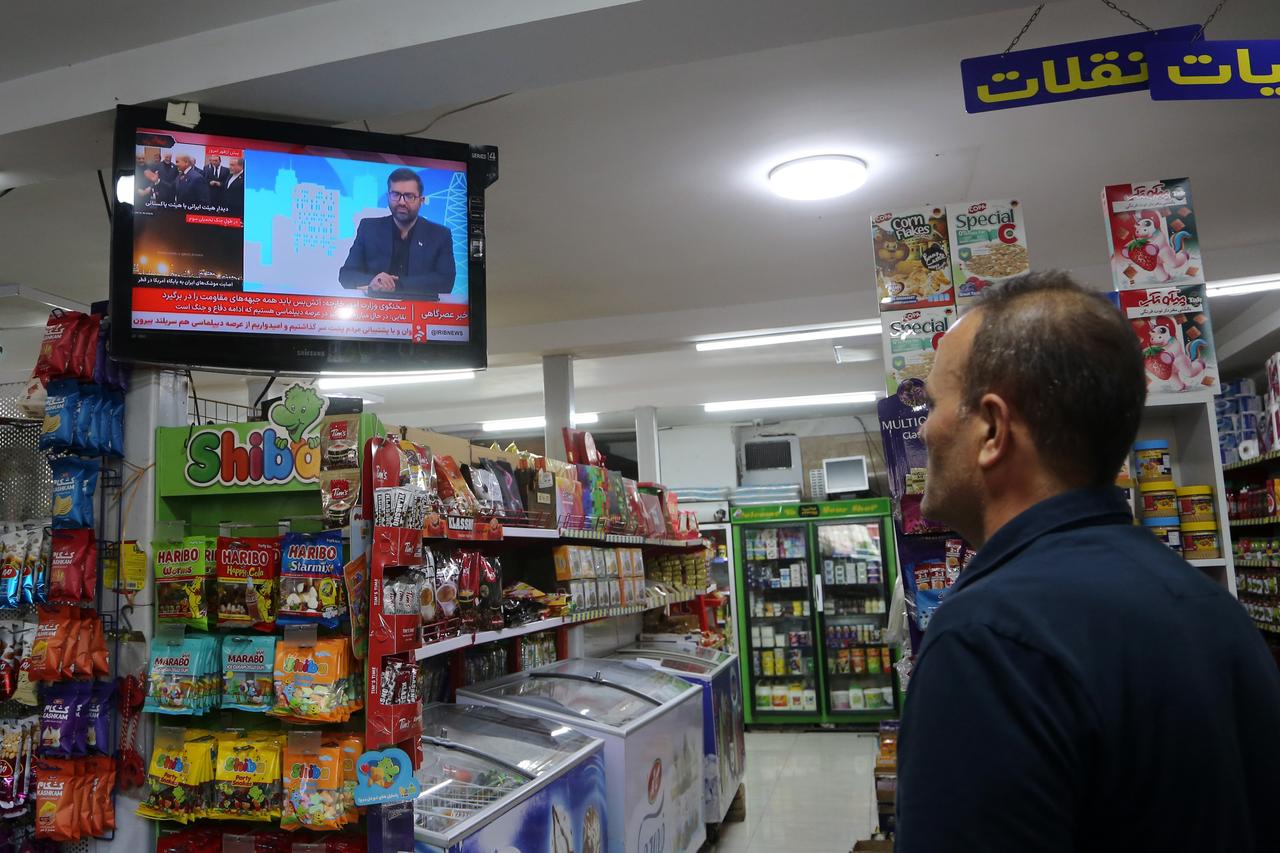
Iranian state broadcaster IRIB added: "Americans do not come to negotiate; under the name of negotiation, they seek to impose their own objectives."
The Supreme National Security Council's news agency, Nour, also said, "No program has yet been announced for the time, place, or next round of negotiations."
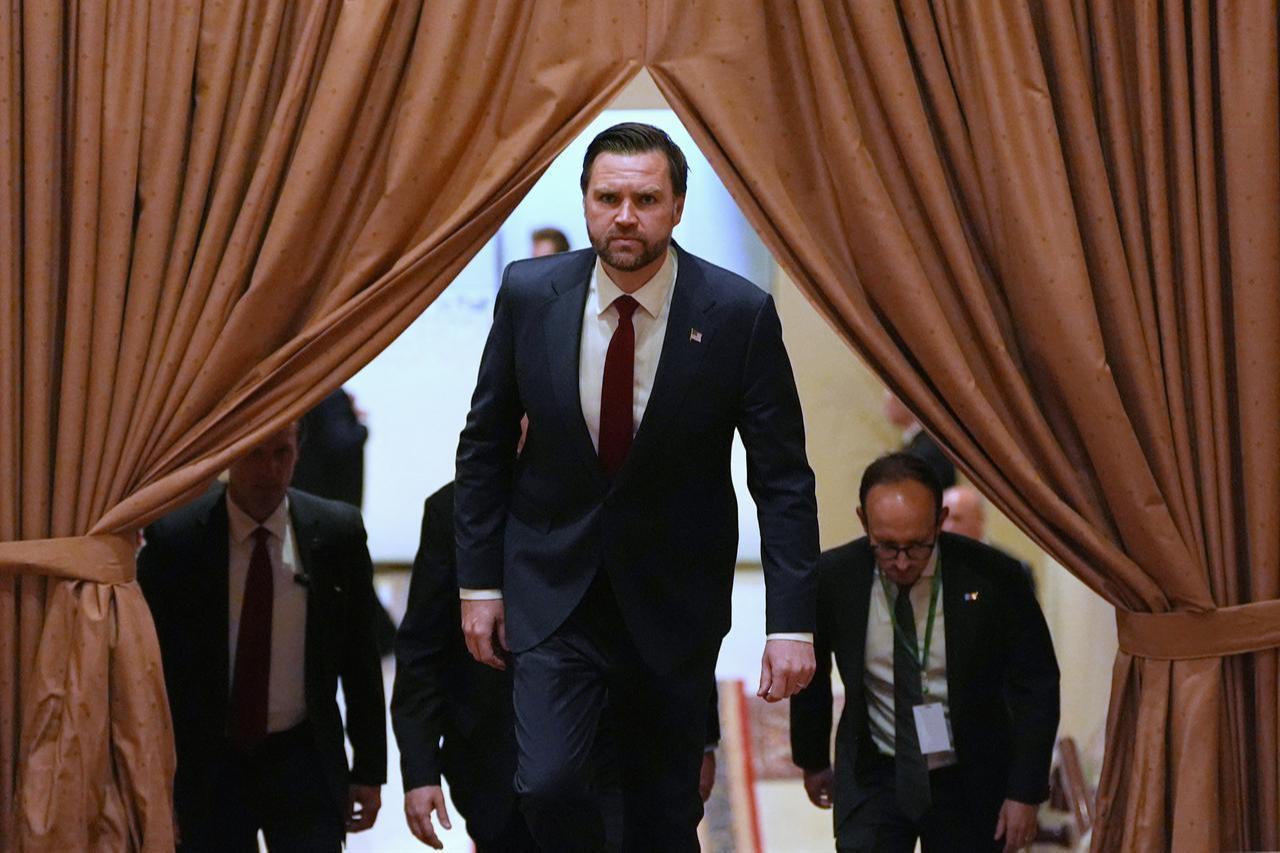

Iranian media reported that some issues were agreed upon but that the Strait of Hormuz and Iran's nuclear program were the main points of difference.
Tehran's demands include control of the Strait of Hormuz, transit fees in the waterway, payment of war reparations, lifting of all sanctions, the release of frozen assets, and a ceasefire across the region, including Lebanon.
A senior Iranian source told Reuters before the talks began that the U.S. had agreed to release frozen assets in Qatar and other foreign banks, but later a U.S. official denied any such agreement.
Despite the collapse of talks, three supertankers fully laden with oil passed through the Strait of Hormuz on Saturday, appearing to be the first vessels to exit the Gulf since the ceasefire deal.
Hundreds of tankers remain stuck in the Gulf awaiting passage.
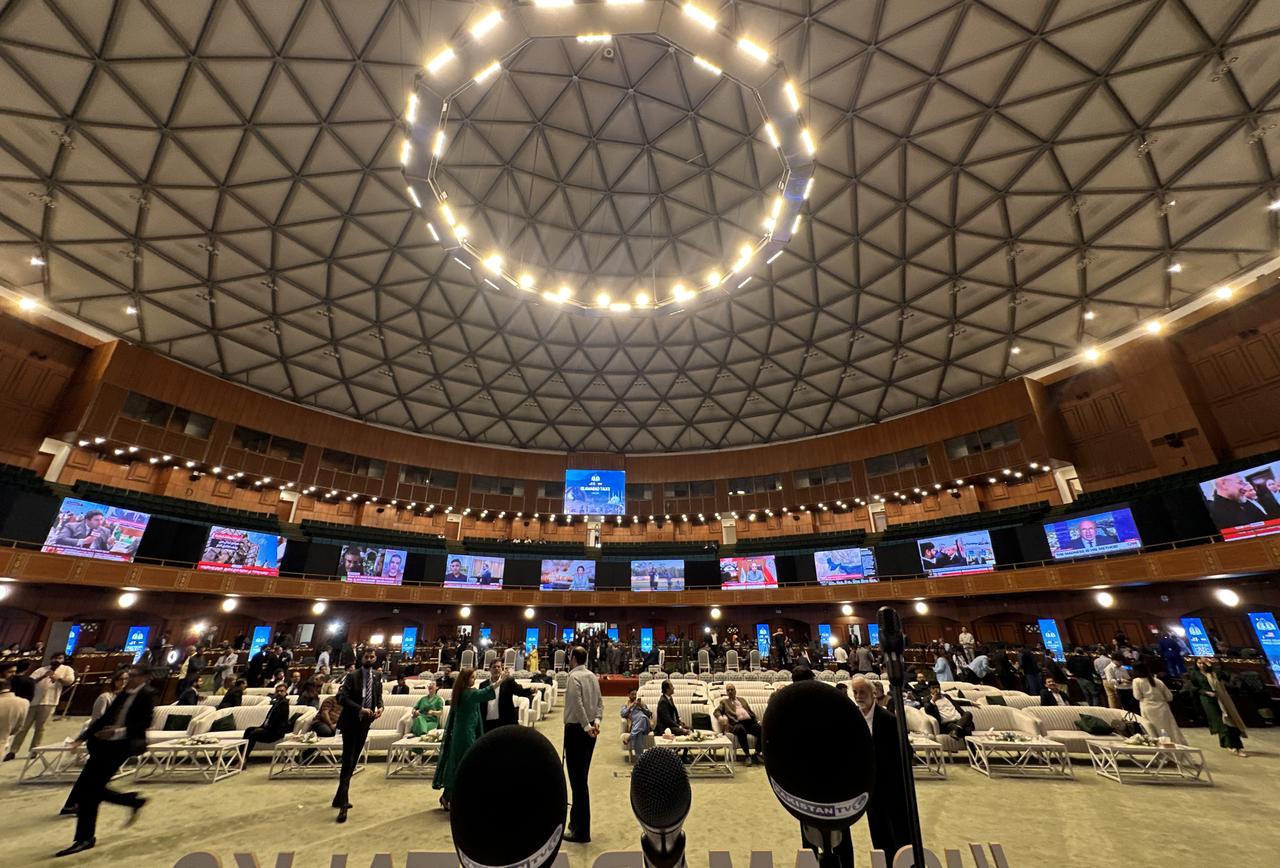
Vance told reporters before departing that the U.S. had made "our final and best offer" and would wait to see if Iran responds. He said the core demand, an affirmative long-term commitment from Iran not to seek a nuclear weapon or the tools to build one, was not met.
Trump said Saturday that reaching a deal was not essential from Washington's perspective.
"We're negotiating, whether we make a deal or not makes no difference to me, because we've won," he told reporters.
Vance spoke with Trump as many as a dozen times during the 21 hours of talks.
The Iranian delegation, led by Parliament Speaker Mohammad Bagher Ghalibaf and Foreign Minister Abbas Araghchi, has now left Islamabad.
The U.S. delegation departed earlier.


 Set as preferred source
 Set as preferred source


 1 min read
 1 min read