Newsletters


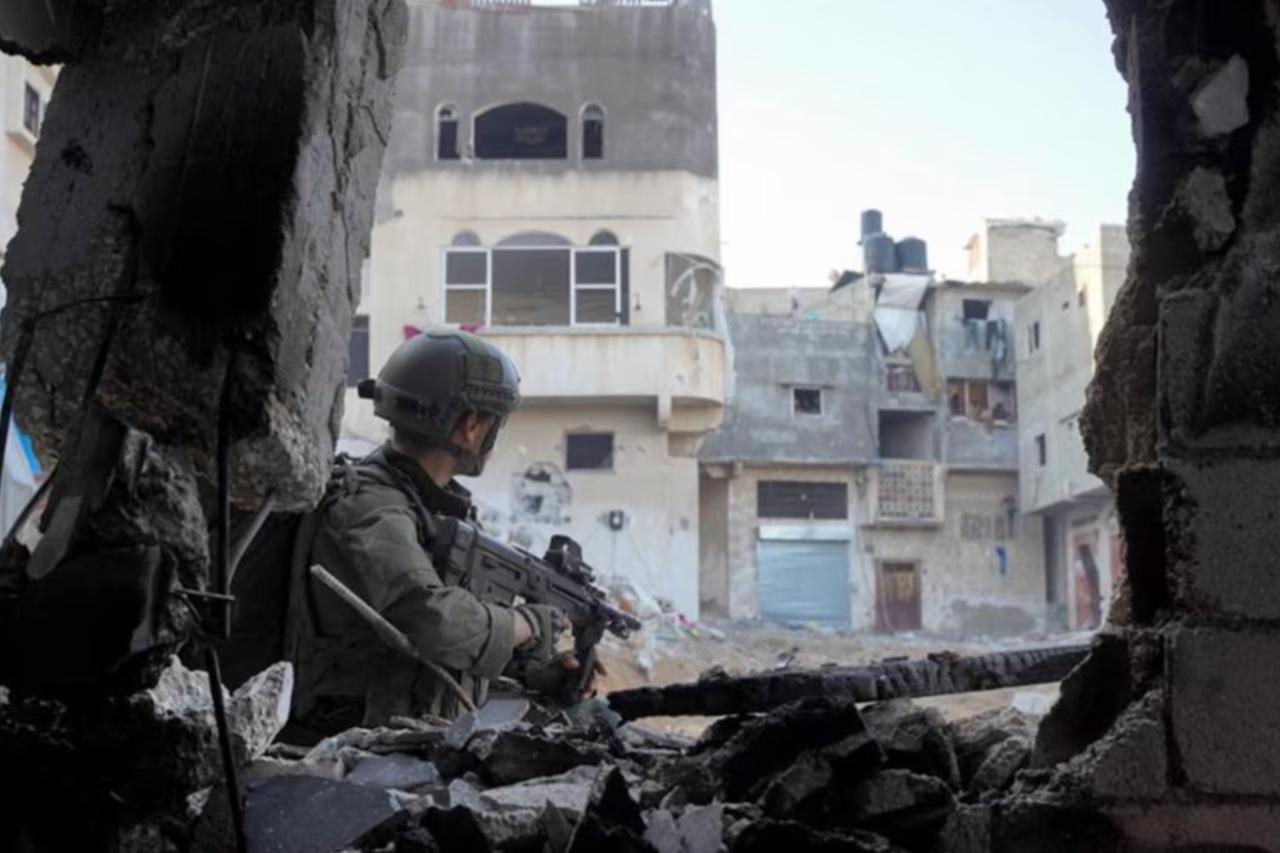


Israel has been relying unofficially on new Palestinian militias inside the Gaza Strip to confront Hamas, in what the newspaper described as an effort to bypass restrictions on the Israeli military under a ceasefire agreement, according to the Wall Street Journal report.
According to the report published on Saturday, these armed groups operate in Israeli-controlled areas but carry out attacks inside zones that are supposed to be off-limits to Israeli troops.
The newspaper said they benefit from direct support, including intelligence, drone air cover and various supplies.


The report said Israel's reliance on these groups became public when Hussam al-Astal, described as a militia leader, claimed responsibility for killing a Hamas police officer in the al-Mawasi area and threatened further attacks.
Al-Astal told the newspaper in a phone interview that the officer "was causing problems for people who wanted to come to us," adding, "He was hurting us. Anyone who tried to reach us, he shot at them. Whoever replaces him will be killed."
In a recorded message shown in the report, al-Astal appeared holding an assault rifle and said: "We tell Hamas and everyone who belongs to Hamas: Just as we reached them, we will reach you too."
The report said al-Astal's group includes dozens of gunmen living in a part of Gaza controlled by Israel. Hamas described the team that carried out the killing as "tools of the Israeli occupation" and threatened to punish anyone cooperating with Israel, saying "the price of betrayal is high and costly."
Al-Astal denied receiving any help from Israel beyond food, but the report cited accounts from Israeli officials and soldiers describing close coordination and Israeli intervention to protect him and his group when needed.
The newspaper quoted Yaron Buskila, who served as a senior operations officer in the Israeli army's Gaza Division until the ceasefire took effect in October, as saying Israeli forces monitor these groups when they conduct activities against Hamas and sometimes assist them.
"That means helping them with information," he said, adding that if Hamas tries to threaten them or approach them, "we intervene actively."
The report said Israel has also used other militias, including a group it called the Popular Forces, in complex field operations such as attempts to lure Hamas fighters out of tunnels in Rafah and in killings of Hamas members that were documented in videos posted on social media.
The newspaper quoted an Israeli reservist as saying he escorted aid convoys that supplied a militia in Rafah during the summer. The shipments included food, water, cigarettes, and sealed boxes with unknown contents, which he said were placed in vehicles by Israel's internal security agency, Shin Bet.
According to the report, this policy comes as the Israeli government rejects replacing Hamas with the Palestinian Authority in Gaza, after earlier attempts to work with local clans failed when Hamas eliminated figures proposed for local rule.
The newspaper said some militias have managed to hold out and form small population clusters in Israeli-controlled areas, but they have not yet become a real alternative to Hamas due to limited popularity, alleged links by some groups to looting and criminal activity, and Hamas' continuing ability to reassert influence.
The report added that many Gazans view these groups as collaborators with Israel, limiting their ability to gain local legitimacy.


 Set as preferred source
 Set as preferred source


 2 min read