

 Newsletters


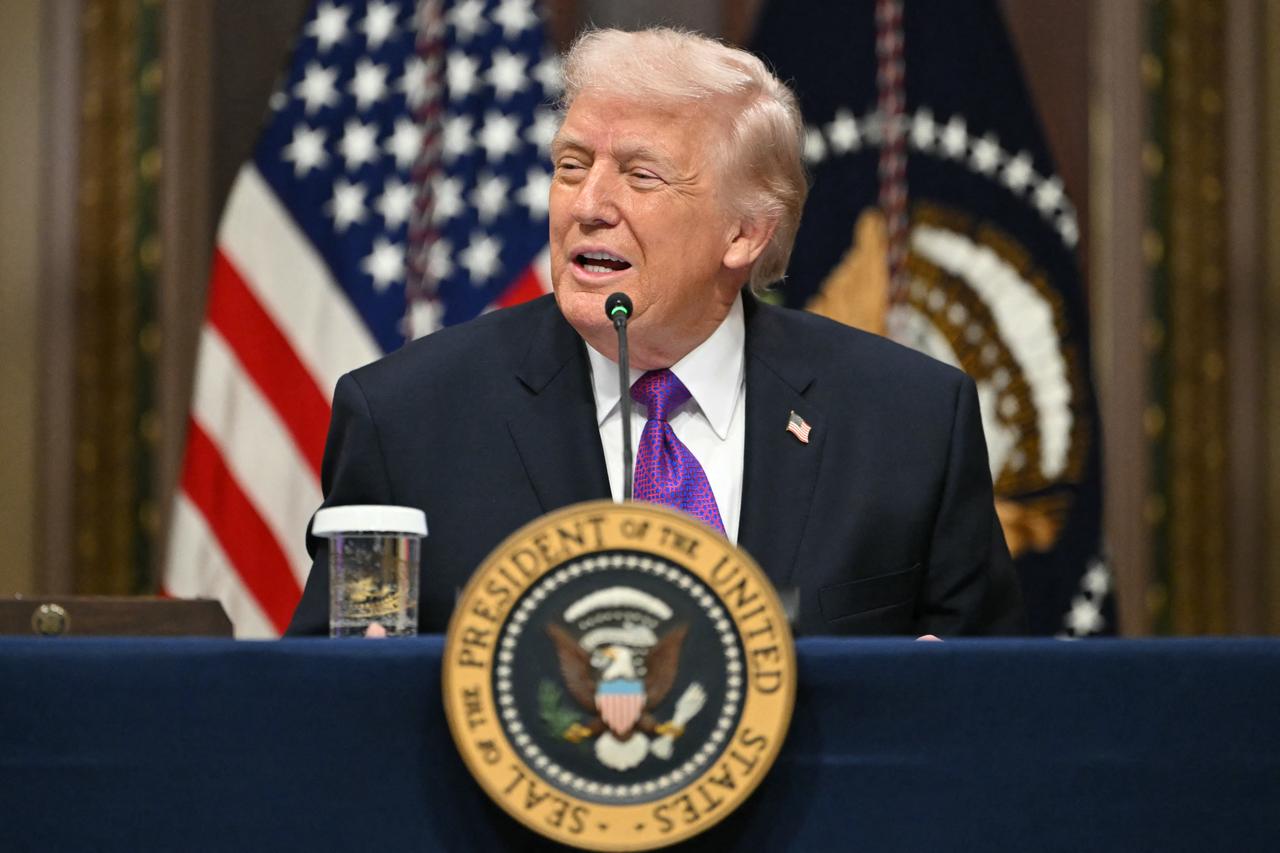


U.S. President Donald Trump stated on Thursday that the United States must be involved in choosing the next leader of Iran.
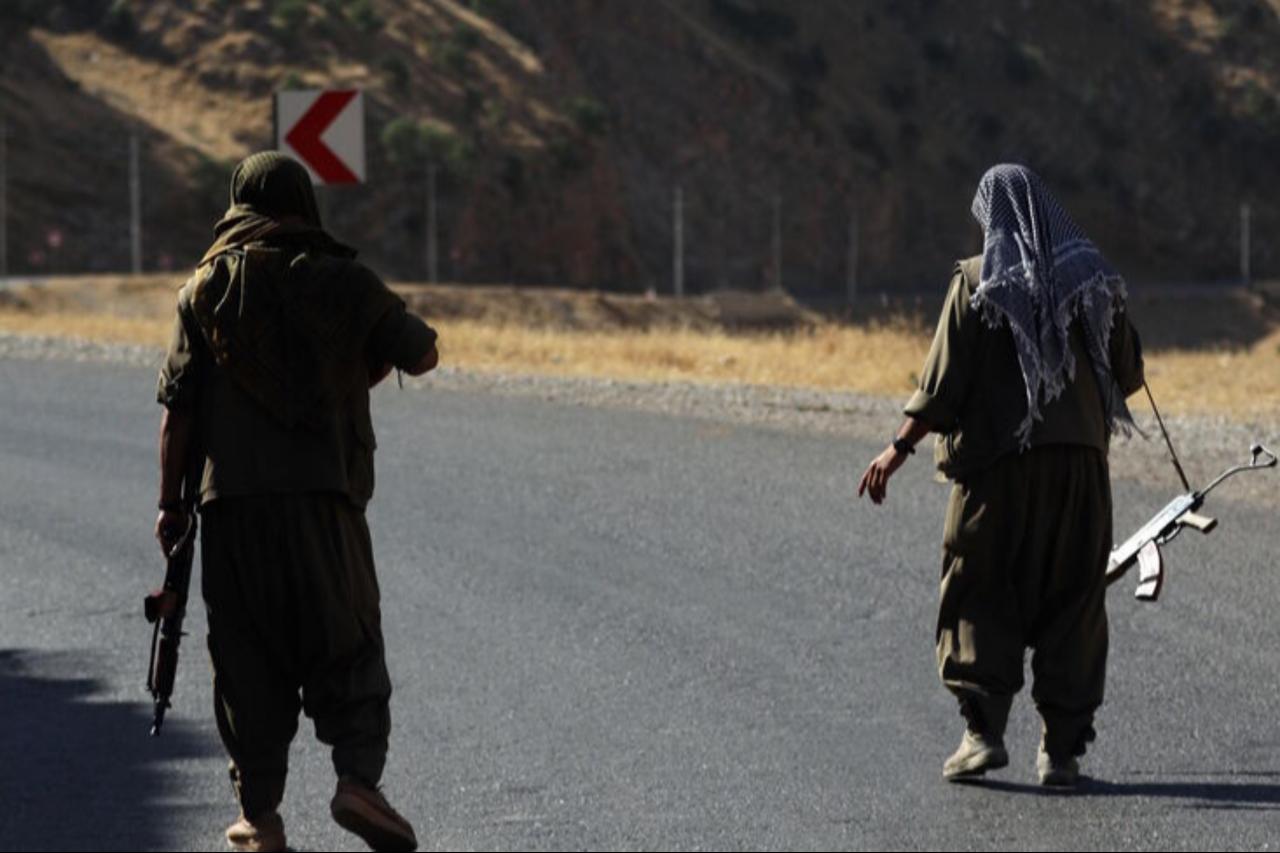
He stated that it would be "wonderful" if Iranian Kurdish armed groups based in Iraq crossed into Iran to attack Iranian security forces, as the war entered its seventh day with more than 1,000 people killed.
"We're going to have to choose that person along with Iran. We're going to have to choose that person," Trump told Reuters in a telephone interview.
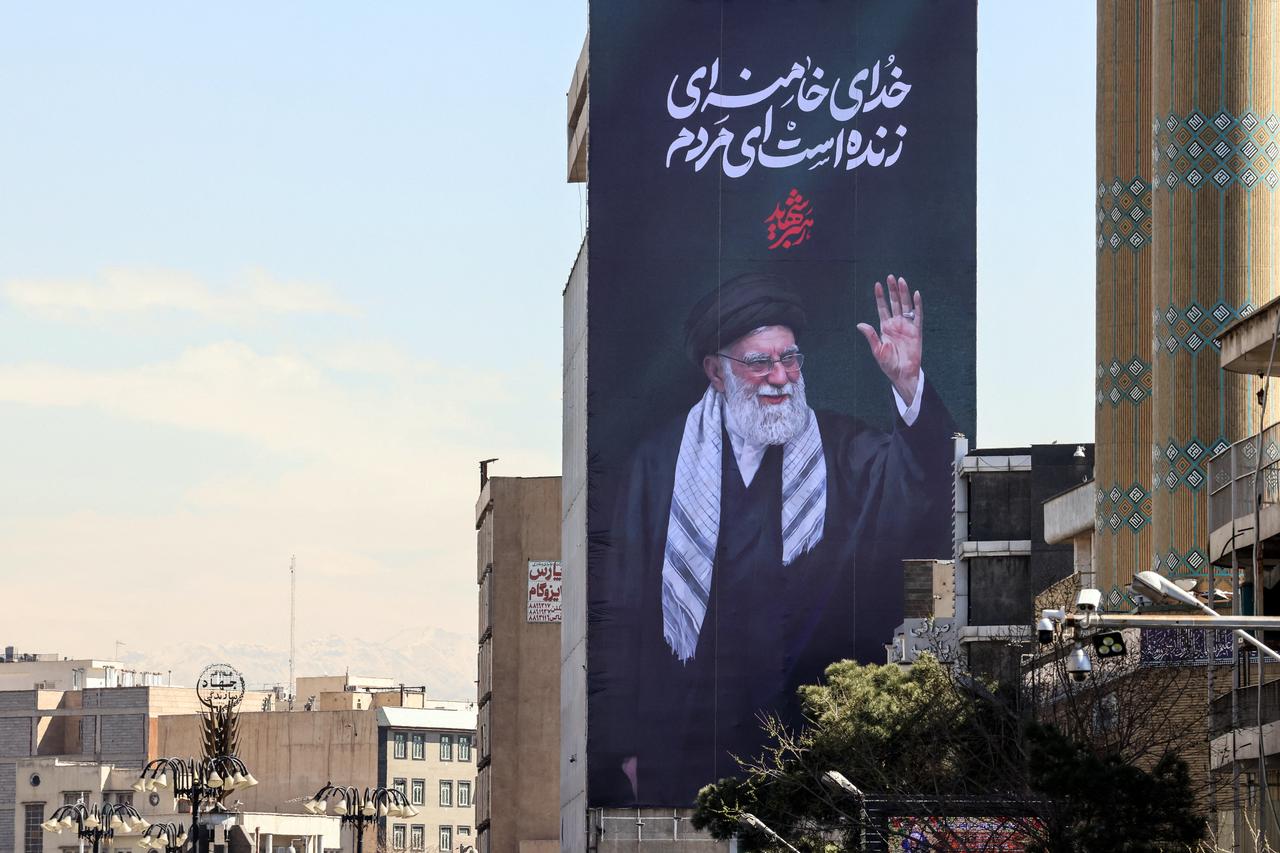
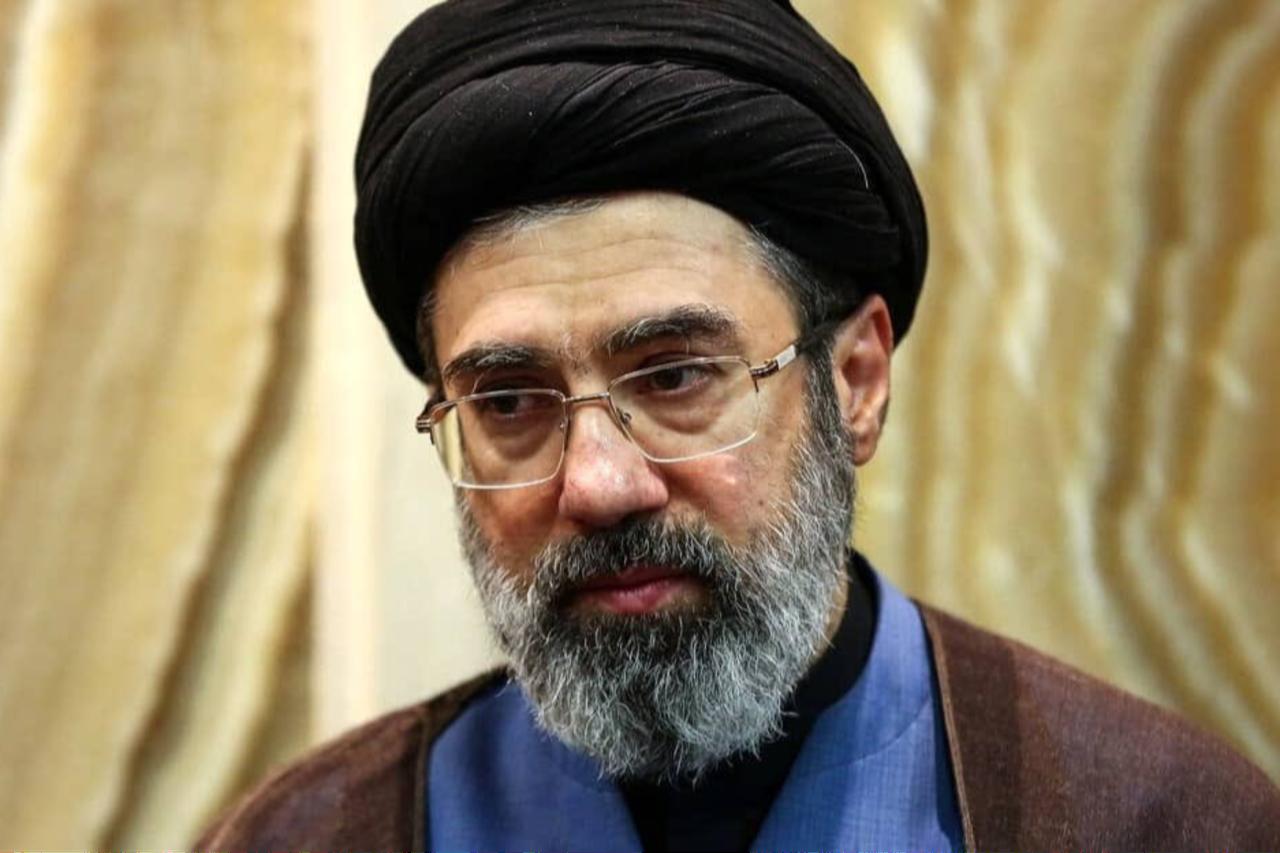
Trump said the late Supreme Leader Ali Khamenei's son Mojtaba, who has emerged as a frontrunner to succeed his father, was an "unlikely choice."
He told Axios separately that Mojtaba was "a lightweight." Though he holds no formal public office, Mojtaba Khamenei is widely regarded as the most influential of Khamenei's children and was sanctioned by the U.S. Treasury in 2019. He has also been linked to the Basij force used to suppress protests after Iran's disputed 2009 election.
Asked whether exiled Iranian Crown Prince Reza Pahlavi, son of the last shah, was a possibility, Trump said, "I think everybody's in the mix. It's very early."
"We want to go in and clean out everything," Trump also told NBC News in a phone call, adding that, "We don’t want someone who would rebuild over a 10-year period."
"We want them to have a good leader. We have some people who I think would do a good job," he added, declining to name anyone.
Trump also said he is taking steps to make sure the people on his list make it through the war alive.
"We are watching them, yeah," he said.
 2 min read
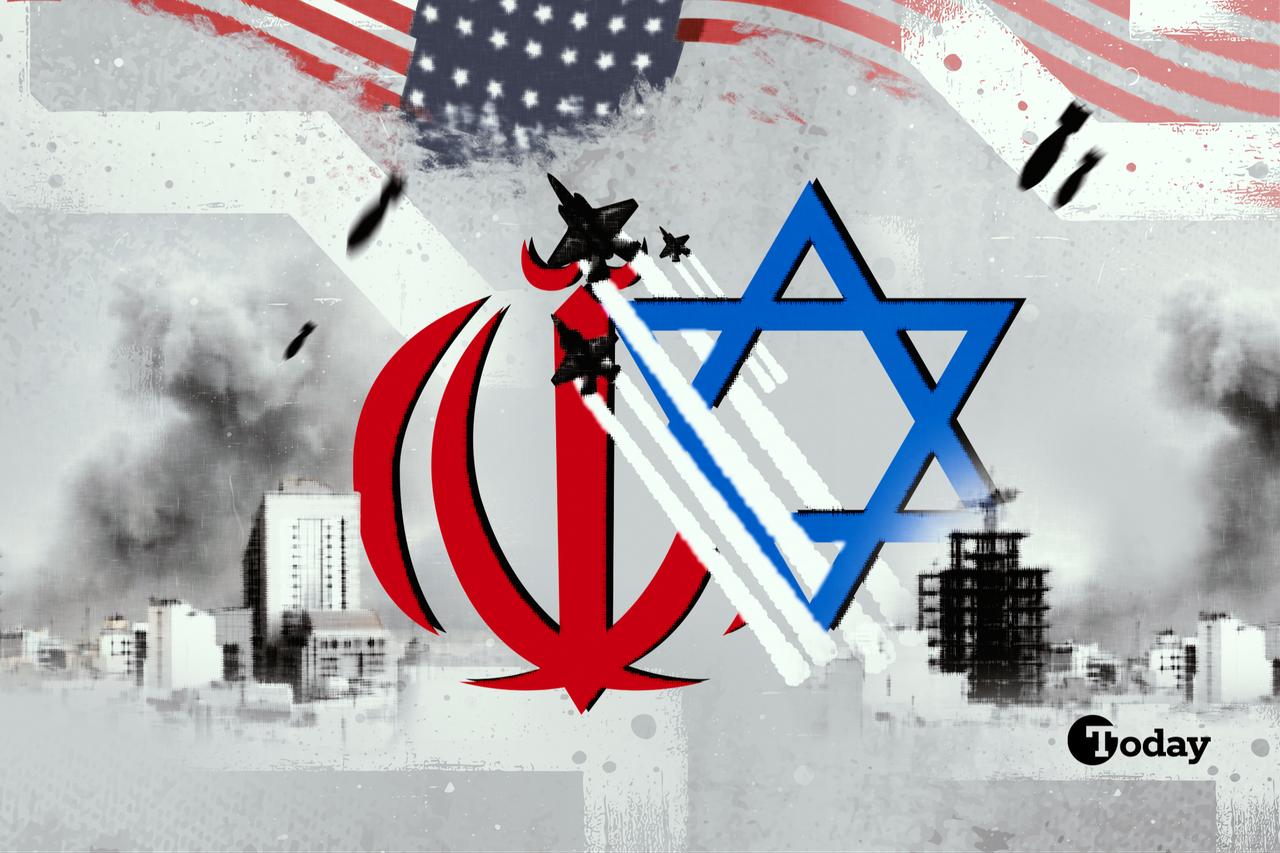
"We want to be involved in the process of choosing the person who is going to lead Iran into the future, so we don't have to go back every five years and do this again and again. We want somebody that's going to be great for the people, great for the country," Trump told Reuters.
At the White House, Trump said the United States would "ensure that whoever leads the country next, Iran will not threaten America or its neighbors, Israel, anybody."
He called on Iranian military, police and diplomatic officials to defect, offering immunity.
"We also urge Iranian diplomats around the world to request asylum and to help us shape a new and better Iran with great potential," Trump stated.
Trump claimed that 60% of Iran's missiles and 64% of its missile launchers had been destroyed in U.S. and Israeli strikes.
He said 24 Iranian ships had been hit.
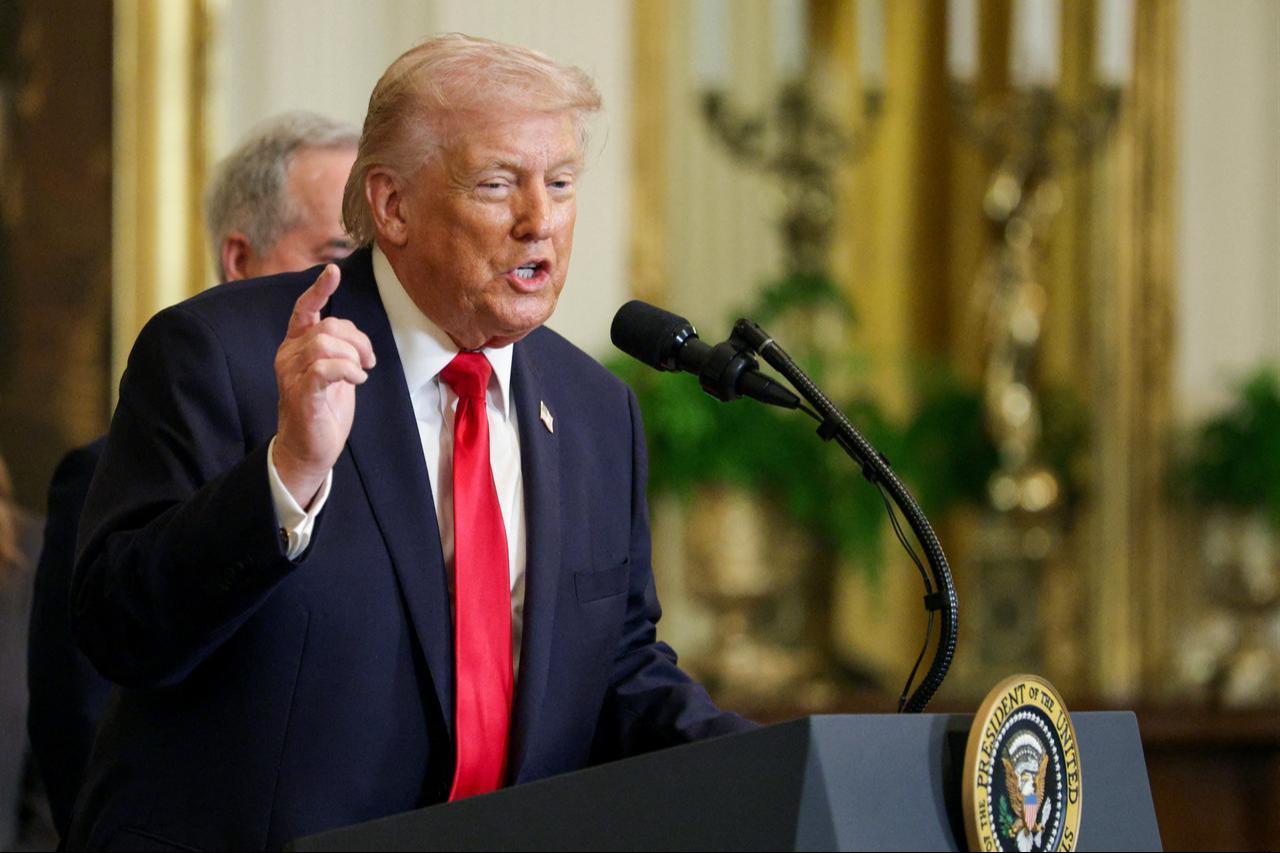

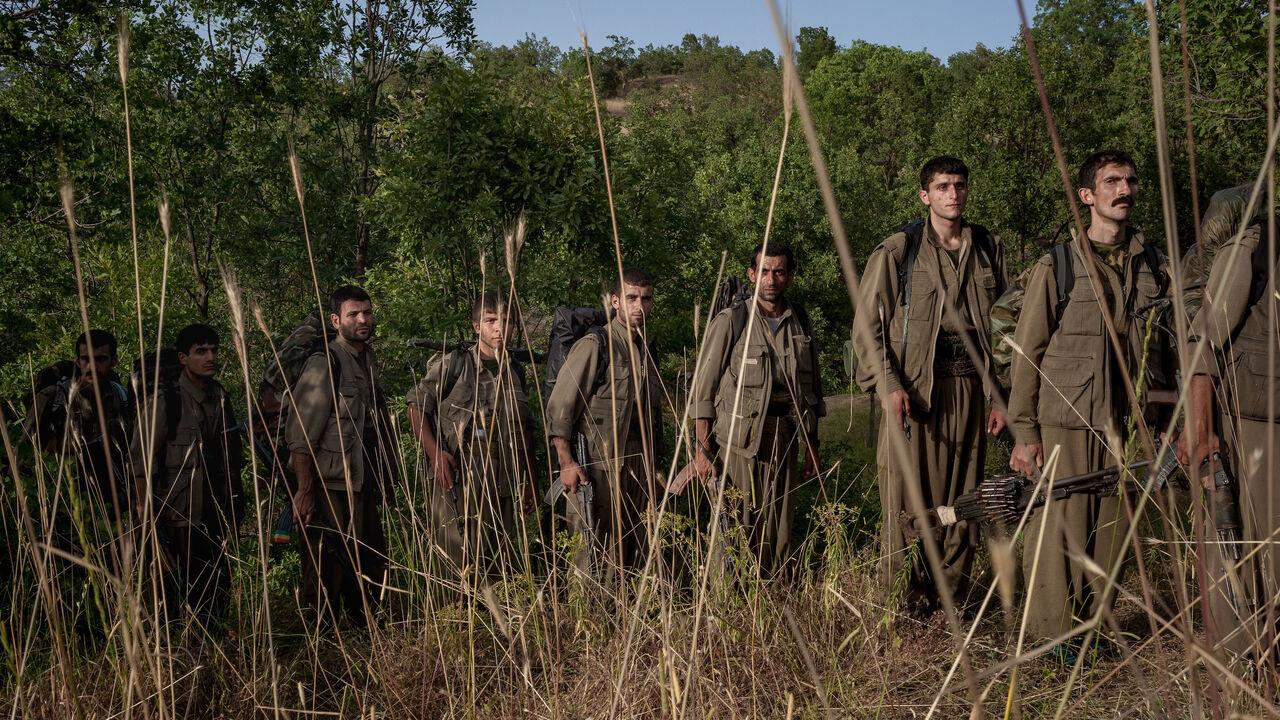
Trump openly encouraged Iranian Kurdish armed groups to launch operations inside Iran. "I think it's wonderful that they want to do that, I'd be all for it," he said.
Asked whether the U.S. would provide air cover for the Kurdish groups, Trump responded, "I can't tell you that," but added the objective would be "to win."
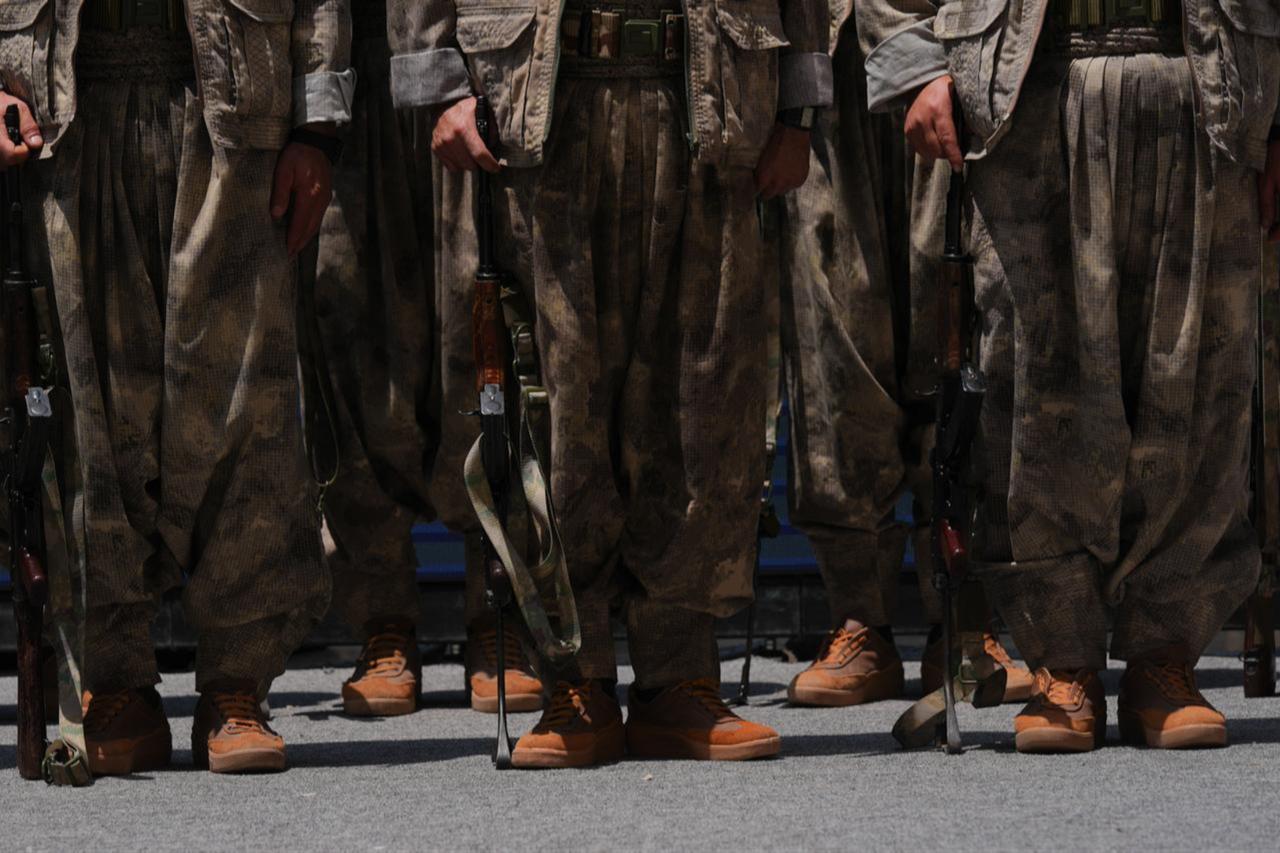
"Iranian Kurdish armed groups have consulted with the United States in recent days about whether and how to attack Iran's security forces in western Iran," according to three sources with knowledge of the matter who spoke to Reuters.
The coalition of Kurdish groups based on the Iran-Iraq border has been training for such an attack.
However, Iraq's Kurdish Regional Government (KRG) rejected the claims. KRG spokesperson Peshawa Hawramani said: "We are part of no plan to arm Kurdish opposition parties and send them into Iranian territory. These claims are entirely unfounded."
Iraq's Kurdistan Democratic Party (KDP) also said the KRG was not part of the conflict between the U.S., Israel and Iran, stressing that Iraq and the Kurdish region should be kept away from wars and conflicts.
White House spokesperson Karoline Leavitt dismissed reports suggesting the U.S. was considering arming Kurdish armed groups in the region.
Trump signaled confidence that the Strait of Hormuz, a critical shipping route through which a fifth of the world's crude oil and liquefied natural gas passes, would remain open.
"They have no navy, you know the navy is now at the bottom of the sea," Trump said. "I'm watching Hormuz very closely."
Shipping through the strait has ground to a near halt after Iranian attacks on six vessels.
More tankers came under attack in Gulf waters on Thursday, and Iranian drones entered Azerbaijan, threatening to spread the crisis to more oil producers.
Trump said he was not concerned about rising gasoline prices. "They'll drop very rapidly when this is over. And if they rise, they rise. But this is far more important than having gasoline prices go up a little bit," he said.
The U.S.-based NGO Human Rights Activists News Agency reported that more than 1,000 people have been killed in U.S.-Israeli strikes on Iran since Saturday.
At least six U.S. service members have also been killed. Trump said the operation was "moving along ahead of schedule, and much stronger than anybody would have ever expected."
He also said the U.S. would next turn its attention to Cuba. "We want to finish our job with Iran first," Trump said, adding that steps regarding Cuba would follow.


 Set as preferred source
 Set as preferred source


 1 min read


