Newsletters




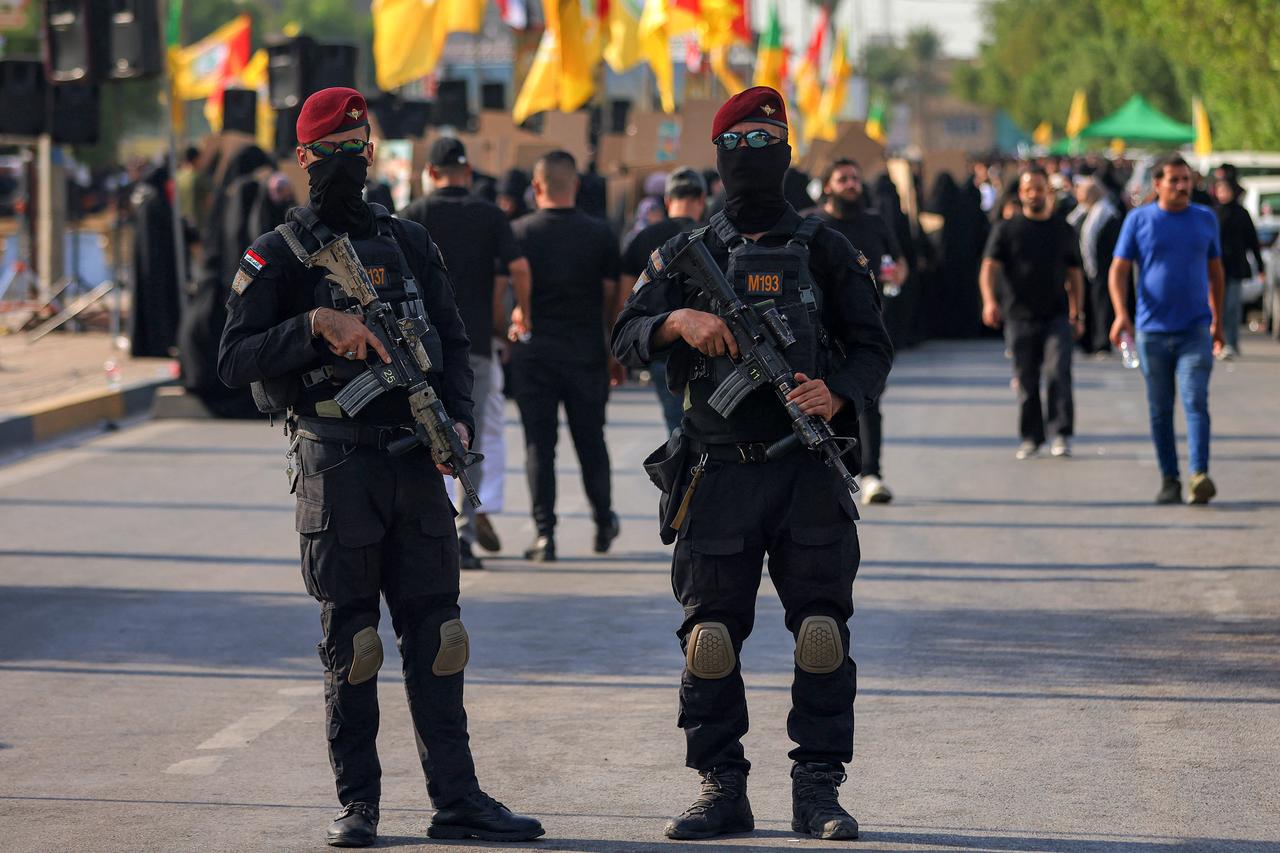
Iran-aligned armed groups and local tribal factions in southern Iraq mobilized rapidly on Thursday to hunt for a missing American pilot in Basra province, with Telegram channels linked to the militias circulating calls for the pilot's capture or killing and at least one tribe allegedly offering a $1 million bounty, as the fate of the airman and his aircraft remained mired in conflicting accounts.
Within hours of reports that a U.S. aircraft had come down in Basra, local sources reported that the Al-Karamashe tribe offered a reward of one million dollars to anyone who brings the pilot's head.
Telegram channels associated with Iran-backed militia factions, including accounts linked to Ashab al-Kahf, issued calls directing their members in Basra province to locate the crash site, find the American pilot, and, in the words of one message, "liquidate him" if they could not take him captive. Other messages circulating on militia channels urged Basra's tribal communities to mobilize en masse to find what they described as the "fleeing American pilot."
The messages represented an extraordinary convergence of Iran-backed paramilitary networks and southern Iraq's powerful tribal structures, both of which maintain deep reach across Basra, Iraq's oil-rich southern port province bordering Iran and Kuwait.
Ashab al-Kahf first emerged in 2019 and has a documented history of attacking U.S.-linked targets using rockets and improvised explosive devices. Security analysts have assessed the group as a facade entity with particularly strong connections to Asaib Ahl al-Haq, one of Iraq's most powerful Iran-backed militias and a U.S.-designated foreign terrorist organization.
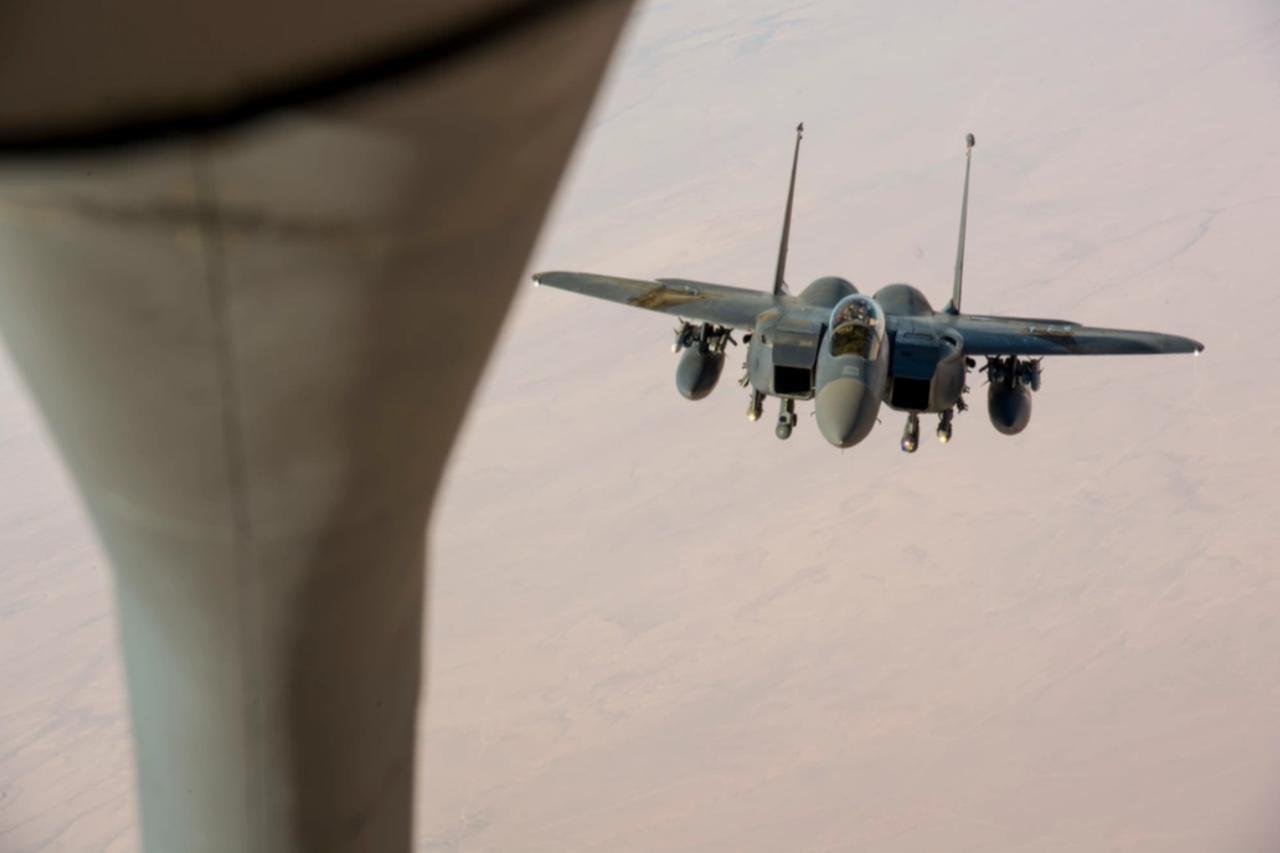

The Basra Police Command confirmed to Al Jazeera Arabic that its units had been dispatched to search for "an American pilot who crashed within the province's borders and has not been found yet," language that neither confirmed nor denied hostile fire but clearly indicated an active search operation for a missing airman.
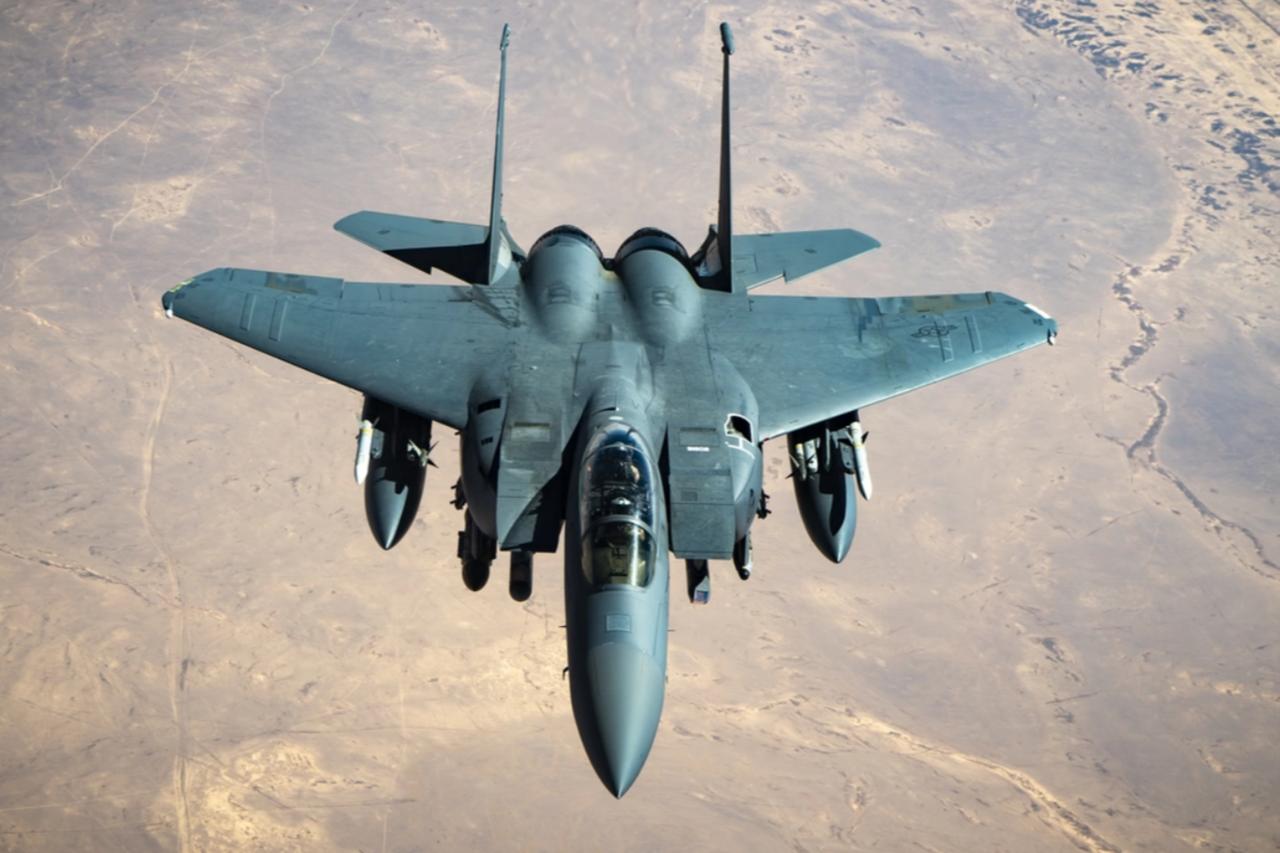
A U.S. official speaking to Al Jazeera denied reports that a fighter jet had been shot down over Basra. Defense Secretary Pete Hegseth echoed the denial at a press conference, calling the reports "false" and accusing Iran of spreading disinformation. CENTCOM has not, however, offered an alternative explanation for the Iraqi police deployment or addressed the pilot search directly.
The distinction matters. While Washington has categorically rejected the shootdown claim, it has not confirmed or denied that an aircraft came down in the province for other reasons, whether mechanical failure, an accident, or any other cause.
The Basra police statement, originating from an Iraqi government institution rather than an Iranian or militia source, adds a layer of credibility that previous Iranian claims about downed American jets have lacked.
The speed with which armed groups and tribal networks activated across Basra underscores the particular danger American pilots face in southern Iraq, a region saturated with Iran-aligned paramilitary infrastructure.
Unlike open desert or contested airspace where combat search and rescue teams can operate with relative freedom, Basra's urban sprawl and tribal networks present a hostile environment where local intelligence moves faster than any military extraction operation.
Asaib Ahl al-Haq, the parent organization believed to operate behind Ashab al-Kahf's facade, commands an estimated 10,000 fighters and operates three brigades within Iraq's state-sanctioned Popular Mobilization Forces.
The group has claimed responsibility for over 6,000 attacks on American and coalition forces over the past two decades, and its networks across Iraq's nine southern Shia-majority provinces are among the most deeply embedded of any militia in the country.


 Set as preferred source
 Set as preferred source


 1 min read
 1 min read