Newsletters


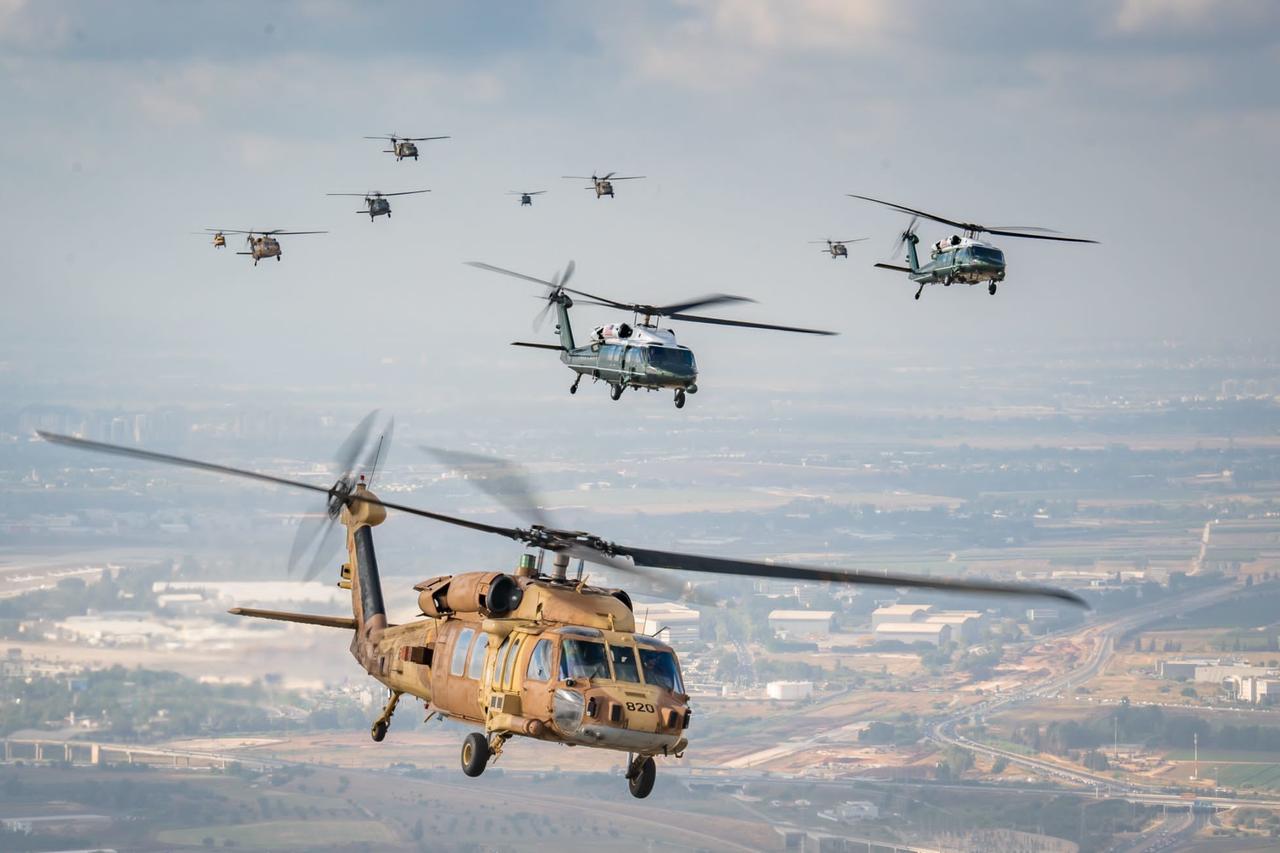


Israel established a clandestine military outpost in Iraq's western desert to support its air campaign against Iran, launching airstrikes against Iraqi troops who nearly discovered the site in early March to keep it hidden, The Wall Street Journal (WSJ) reported Saturday.
The publication cited people familiar with the matter, including U.S. officials.
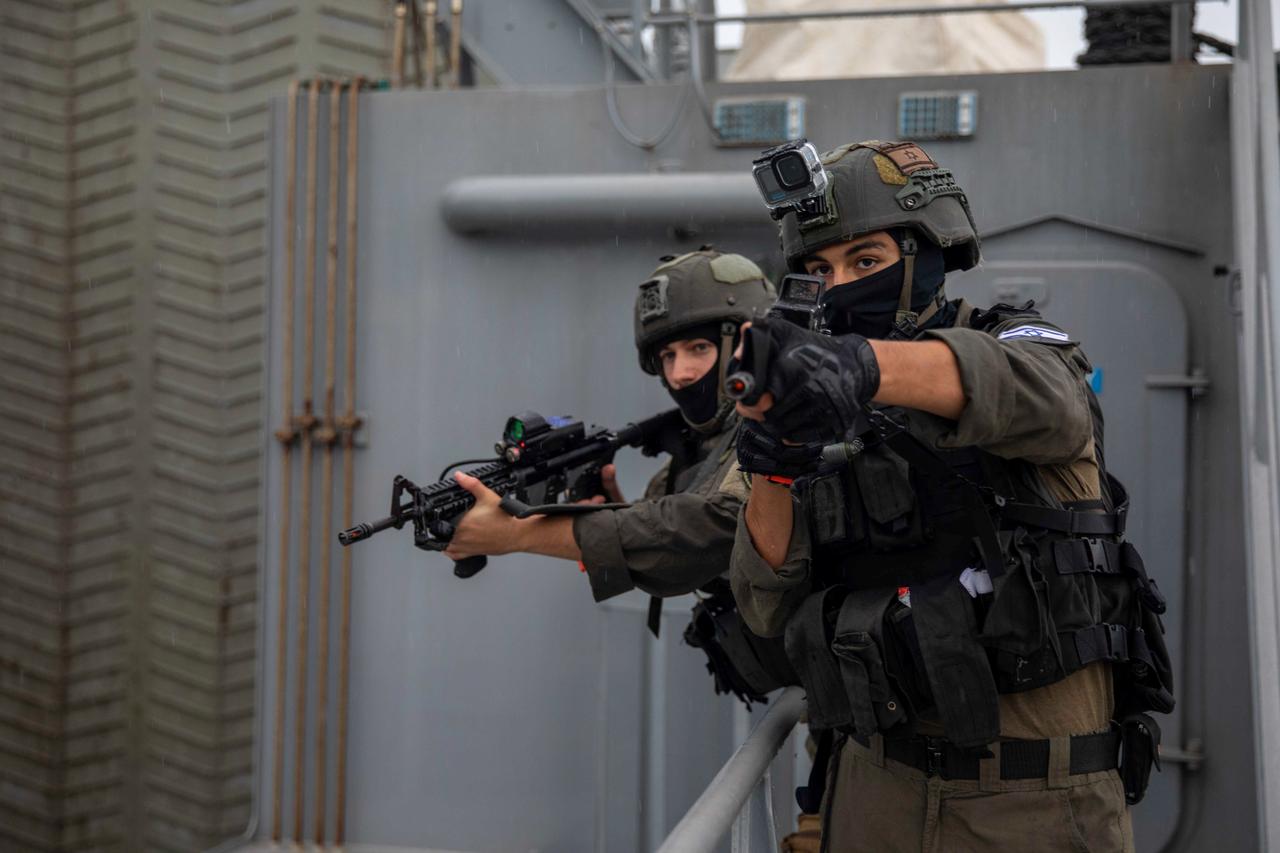
The base, built shortly before the war began with U.S. awareness, housed Israeli air force special forces and served as a logistics hub.
Search-and-rescue (SAR) teams were pre-positioned there to recover downed Israeli pilots, none of whom ultimately needed rescue.

The outpost was nearly exposed in early March when a local shepherd reported unusual military activity in the area, including helicopter movements, prompting Iraqi troops to investigate.
"After the initial report from the shepherd, Iraqi soldiers set out in Humvees and drove at dawn toward the site," the WSJ reported.
Israeli forces responded with airstrikes that drove Iraqi units back, killing one soldier and wounding two others.
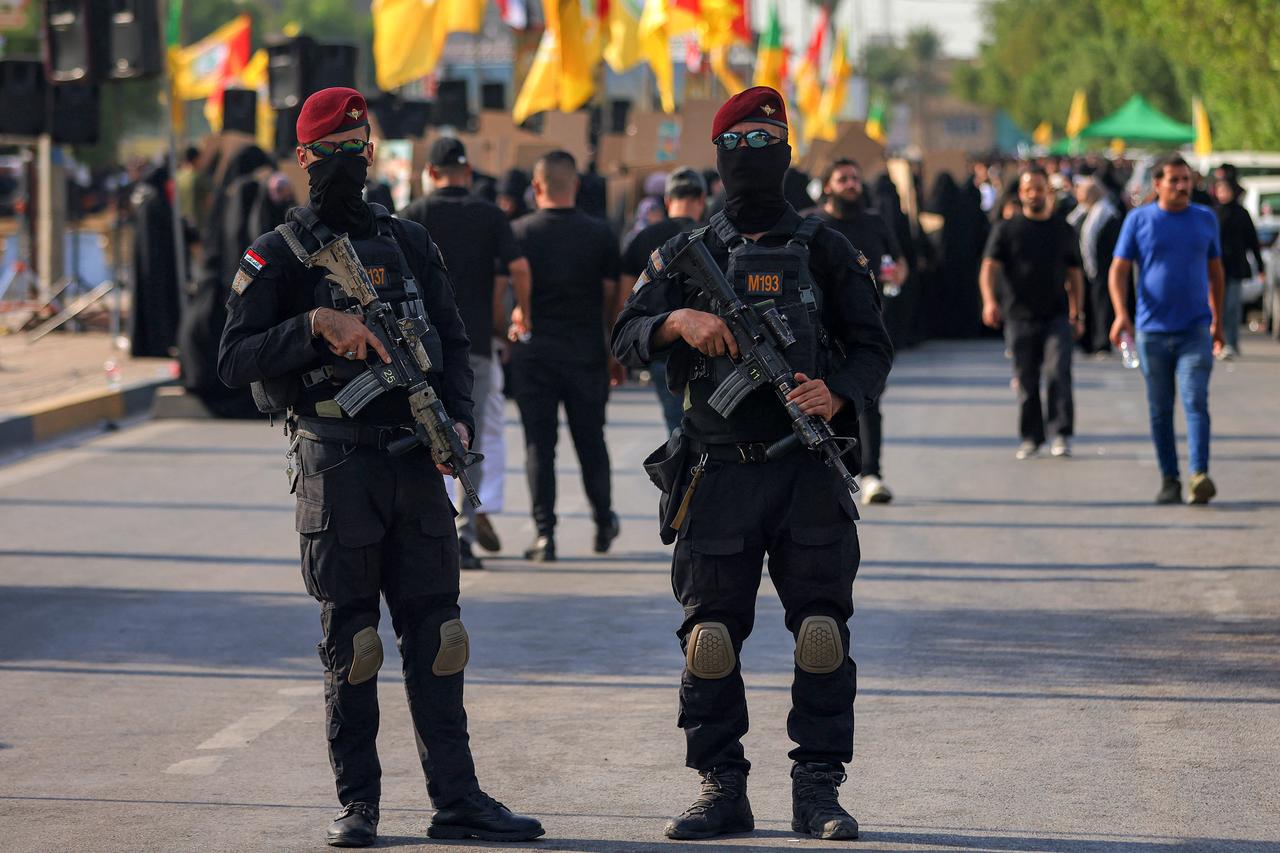
Deputy Commander of Iraq's Joint Operations Command Lt. Gen. Qais al-Muhammadawi told Iraqi state media: "This reckless operation was carried out without coordination or approval."
Iraqi authorities subsequently dispatched two Counter Terrorism Service units to search the area, finding evidence that military forces had been present.
"It appears there was a certain force on the ground before the strike, supported from the air, operating beyond the capabilities of our units," Muhammadawi said.
Iraq later filed a complaint with the United Nations, attributing the attack to the U.S., though a person familiar with the matter told the Journal that Washington was not involved in the strike.
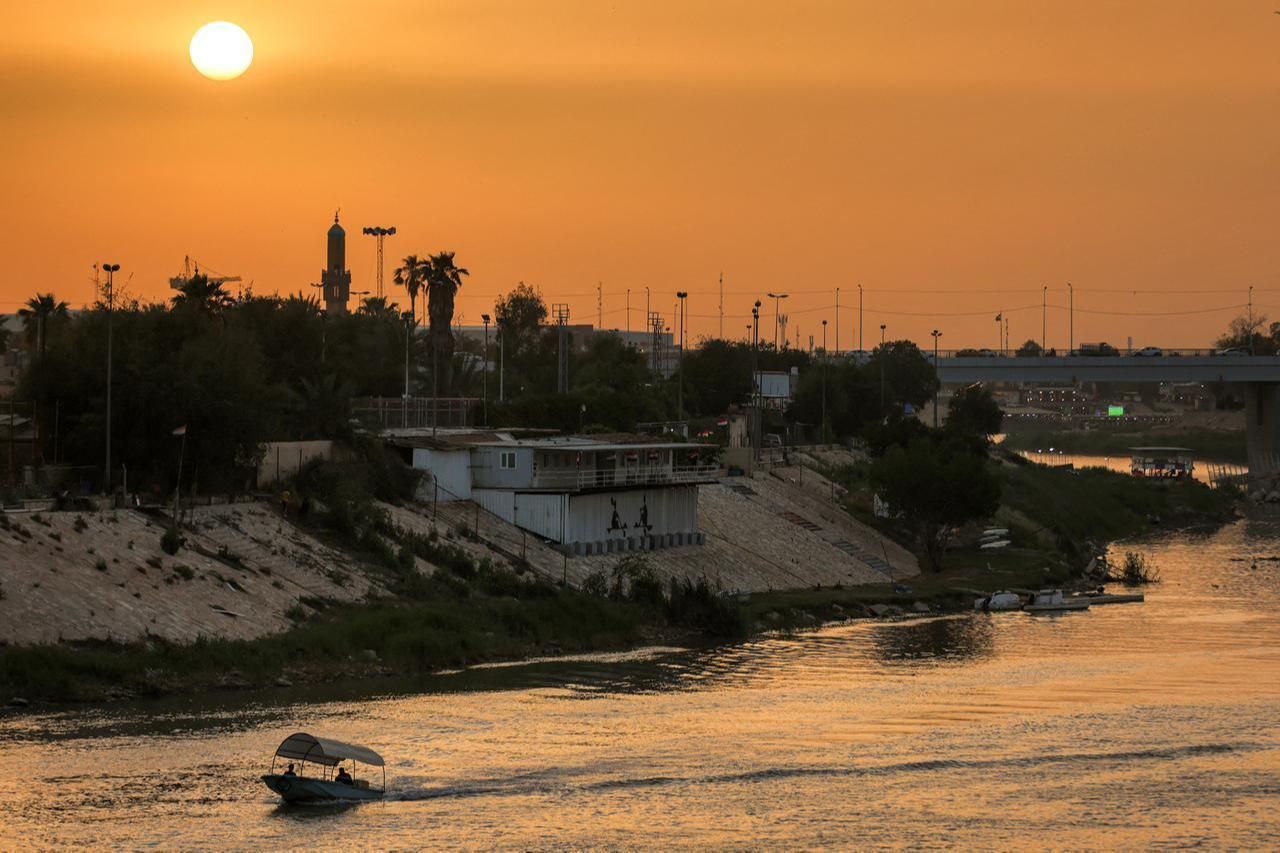
When a U.S. F-15 fighter jet was shot down near Isfahan, Iran, Israel offered assistance from the base.
U.S. forces ultimately rescued the two downed airmen independently, but Israel carried out airstrikes to help protect the operation.
A makeshift forward operating base was also set up inside Iran itself to support the mission; U.S. forces destroyed aircraft and helicopters left behind at the site when the operation concluded.
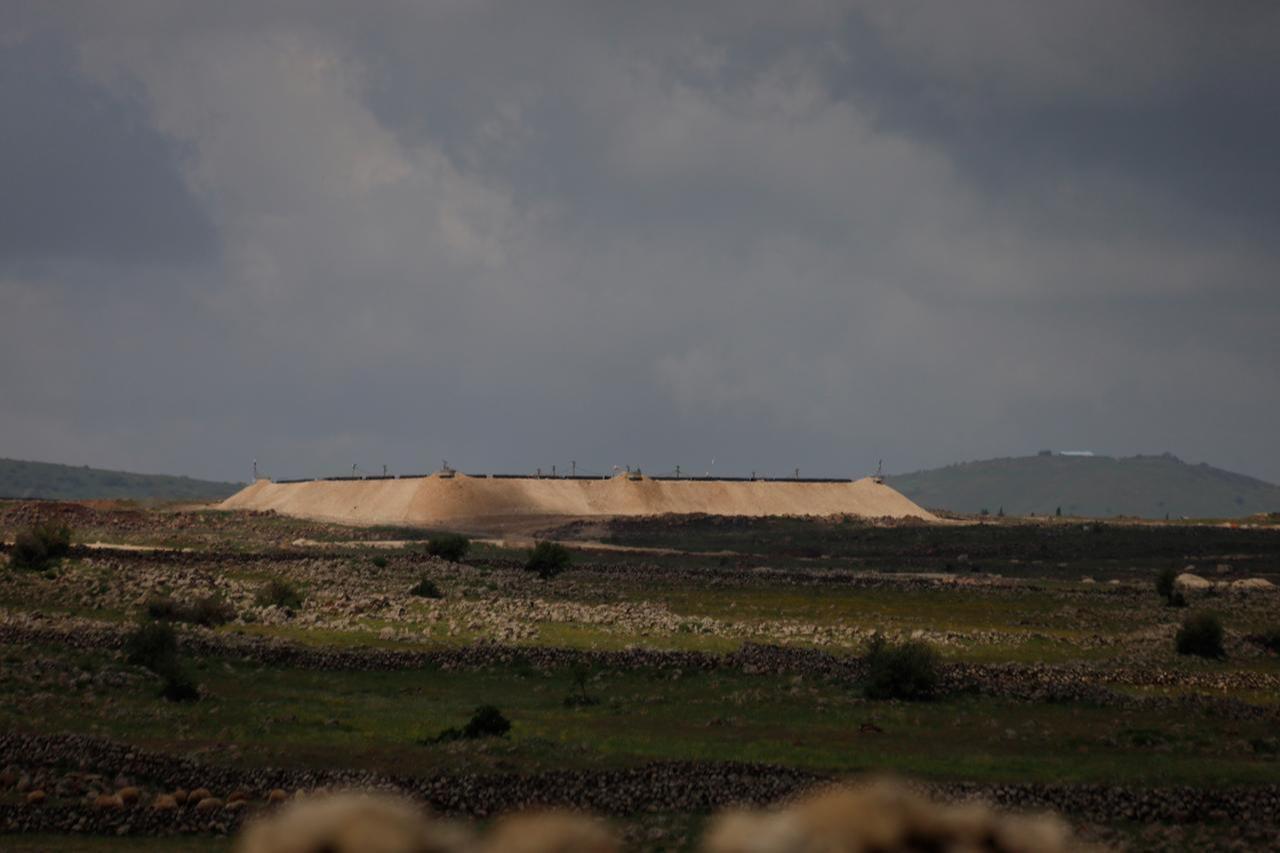
Speaking to the WSJ, Michael Knights, head of research at Horizon Engage, said the Iraq-based outpost was a textbook pre-operation move.
"It's normal that before operations you reconnoiter and set up these kinds of locations," he said.
Iraq's western desert is vast and sparsely populated, making it an ideal location for temporary outposts, a fact U.S. Special Forces exploited in operations against Saddam Hussein in 1991 and 2003.
Knights said locals told him they had spotted unusual helicopter activity in the area during the current war.
Israeli Air Force (IAF) chief Tomer Bar, who ended his term in early May, had alluded to covert operations in a letter to servicemen in early March: "These days, fighters from special units of the air force are conducting special missions that could ignite the imagination."
Israel's air force carried out thousands of strikes against targets in Iran over the five-week campaign.


 Set as preferred source
 Set as preferred source


 2 min read