Newsletters





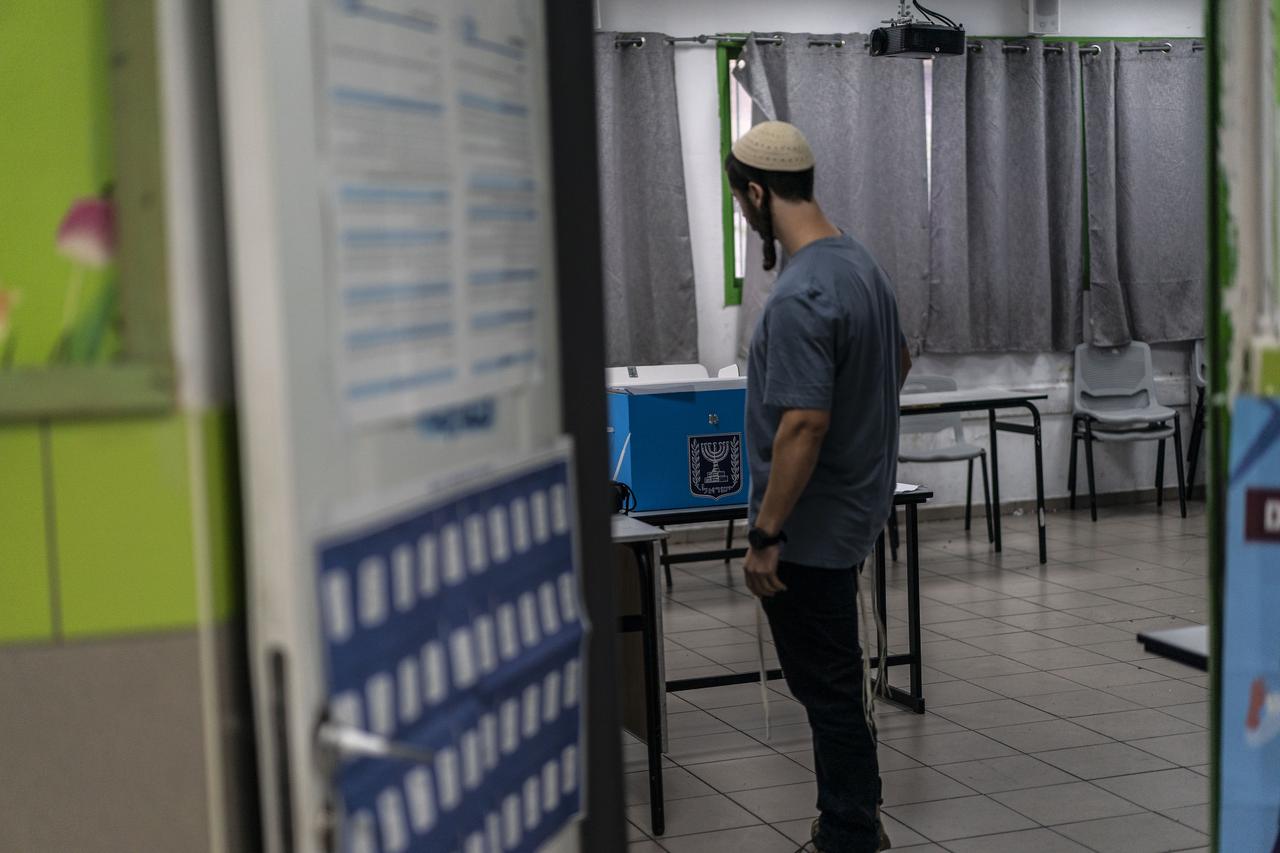
Israel’s Central Elections Committee said Wednesday that an audit of more than 9,000 polling stations found no evidence that the integrity of last week’s election had been compromised, rejecting fraud allegations by Prime Minister Benjamin Netanyahu’s camp against Arab voters.
"An audit has been completed. All complaints submitted by political factions have been reviewed and there were no findings indicating harm to the integrity of the election," the committee said, hours before results were due to be presented to President Isaac Herzog.
The review examined records from 9,069 of 12,018 regular polling stations, about 75% and 78% more than in the previous election, with in-depth checks of ballots and voter registers at 350.
About 250 public-service lawyers worked on it over six days.
The committee reviewed 2,452 complaints from parties regarding 1,350 polling stations and 1,239 complaints from the public involving 750 stations.
Likud alone filed about 1,200 complaints about irregularities in Arab communities.
"An unprecedented number of polling stations were thoroughly examined. The scope and quality of the operation attest to the committee’s high commitment to reflecting the will of the voter as accurately as possible," committee chairman Justice Noam Sohlberg said.
"Every complaint received from the factions, candidate lists and the public was examined on its merits. Where corrections were needed, they were made based on the records and voting materials," acting director-general Dean Livne said.

Likud lawmaker Amit Halevi resigned as the party’s representative on the committee, citing Likud’s decision to abstain from approving the results.
"Until the serious suspicions of interference by foreign states, which have a security aspect, as Justice Sohlberg defined it, are removed, the Elections Committee has no authority to discuss or approve them," Halevi said.
In a letter, he wrote that committee members must approve only "the free choice of Israeli citizens, and not the choice of the rulers of Qatar, Iran or Türkiye."
Türkiye and Qatar have rejected claims that they interfered in the election as baseless.
Itamar Ben-Gvir’s Otzma Yehudit said it would vote against approving the results. "The elections were tilted, the results are false, foreign states interfered," the party said.
Herzog will begin two days of consultations Wednesday evening, starting with Religious Zionism, followed by Shas, Yisrael Beytenu and Zehut.
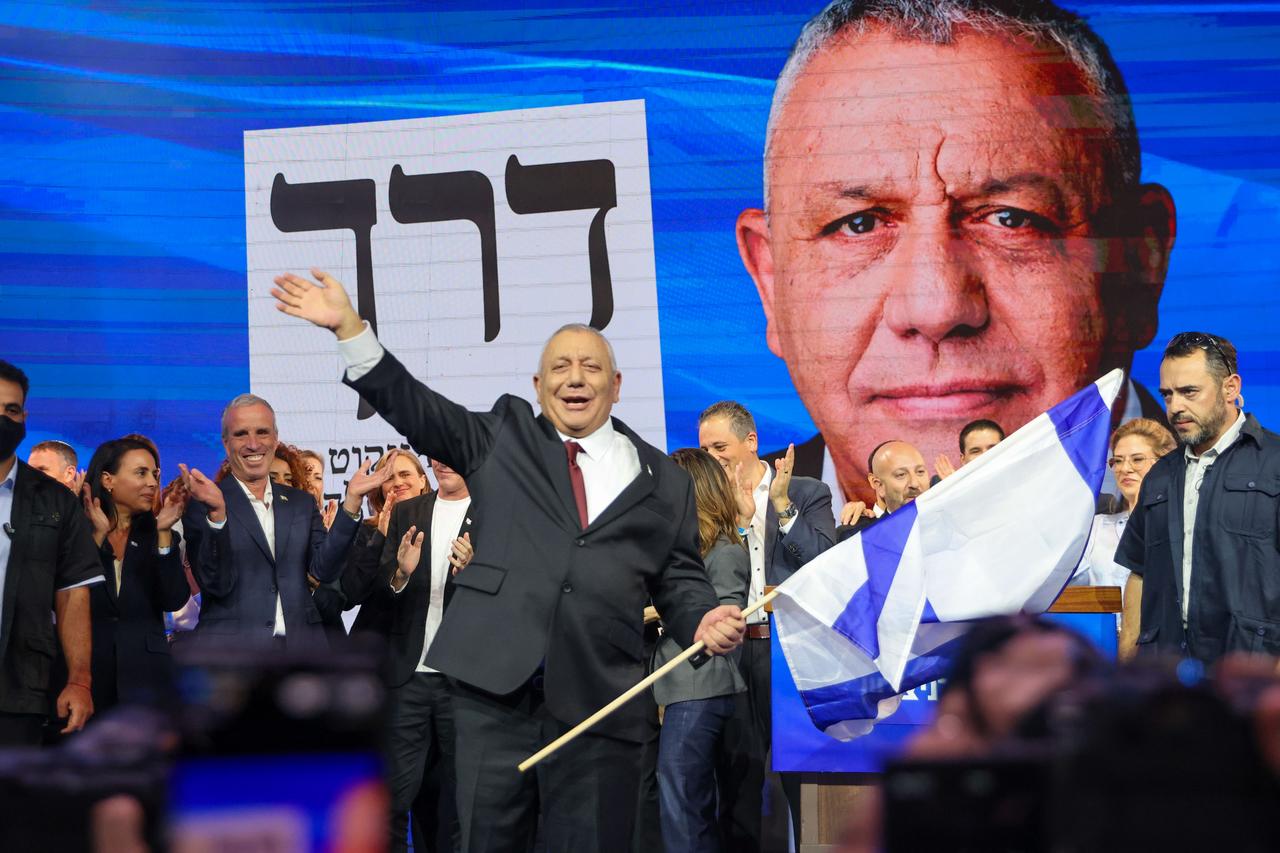
Netanyahu’s bloc won 53 seats, the opposition led by Gadi Eisenkot 48 and Arab parties 19. Shas, Otzma Yehudit, Religious Zionism and Zehut will recommend Netanyahu, while United Torah Judaism may recommend no one. The opposition will back Eisenkot, and the Arab lists are expected to do the same, potentially giving him 67.
The designated candidate will have 28 days, extendable by 14, to form a government, as the election integrity dispute shifts to the coalition talks.


 Set as preferred source
 Set as preferred source


 1 min read


 1 min read