Newsletters


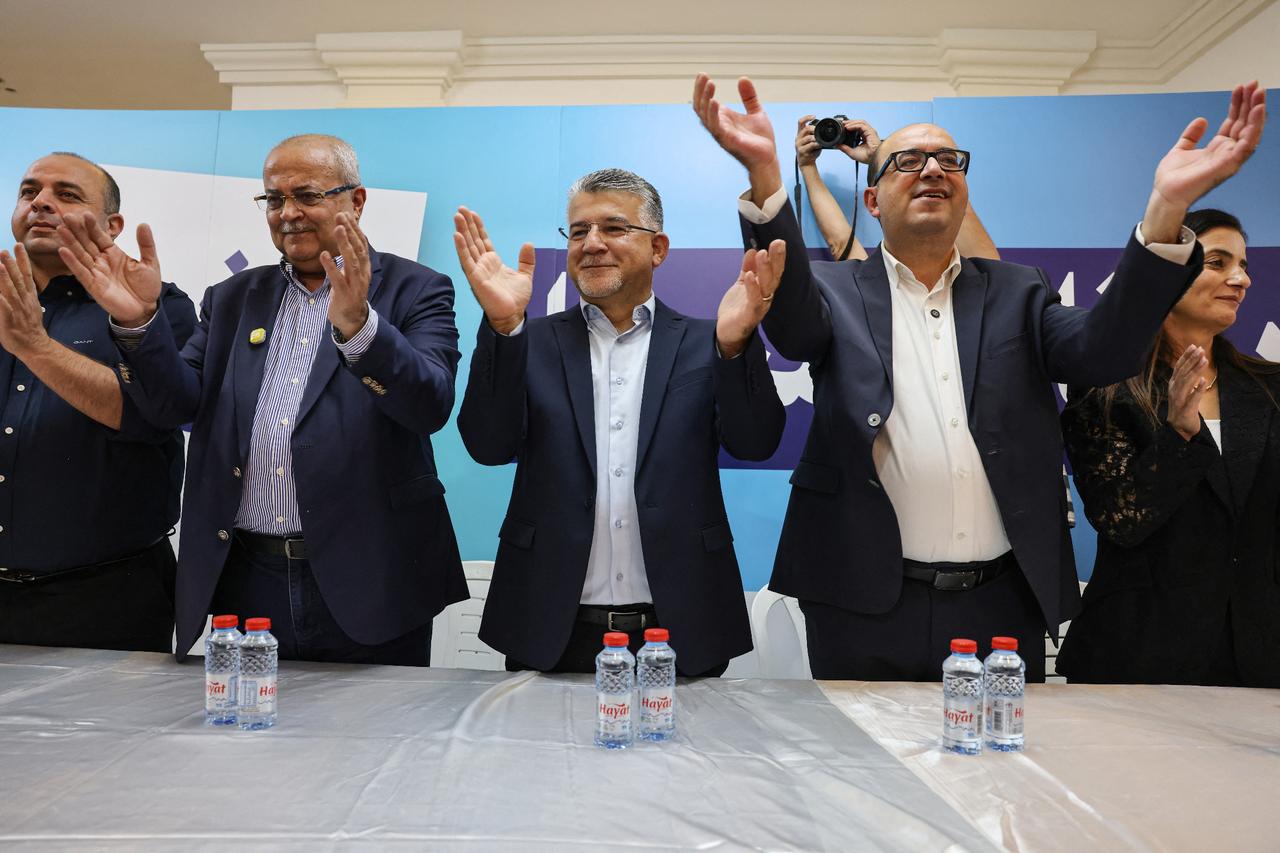


Arab-led parties won a record 19 seats in Oct. 27's Israel election, enough to decide who governs, yet analysts say that a government resting on their support remains a long shot.
The Joint List and Ra’am nearly doubled their combined seats as overall turnout reached its highest level since 1999, while Israeli Prime Minister Benjamin Netanyahu's camp has accused them of fraud without providing evidence.
The Central Elections Committee released final results that gave Netanyahu’s bloc 53 seats and his main challenger, former military chief Gadi Eisenkot, 48. Both fall short of the 61 needed for a majority in the 120-seat Knesset.
The Joint List won 11 seats and Ra’am eight, up from 10 combined in 2022.
Three people told Türkiye Today, what the result means and what comes next: Mairav Zonszein, senior Israeli-American analyst on Israel at the International Crisis Group; Gokhan Batu, an Israel analyst; and Amnon Lord, a veteran Israeli journalist.
Zonszein called the result a setback for Netanyahu despite his first-place finish.
"The final results are in and we know that a majority of seats in the parliament, 67, are against the current Netanyahu government. And Netanyahu has 53, and he has lost 15 seats for his bloc. So in some ways it’s actually a loss for Netanyahu," Zonszein said.
"But of course, the Palestinian Arab parties who received a record 19 seats are the main story of this election," Zonszein said, noting, "So you have a very divided Jewish Zionist society and you have a very clear turnout of Palestinian citizens of Israel who are very, very serious and determined to oust this government."
Batu said the Arab vote caught observers off guard.
"The Arab parties’ high turnout was another surprising issue," he said.
The 19 Arab-held seats would have given the opposition a comfortable majority. But most Jewish opposition parties, including Eisenkot’s, ruled out cooperating with them before the vote. The exception was Democrats leader Yair Golan, who urged Eisenkot’s bloc to work with the Arab-majority parties to oust Netanyahu.
In an opinion piece on Haaretz titled "I'm an Israeli Opposition Leader,. It's Time to Form a Government With Arabs," Golan wrote: "They, who did everything possible to form a government with the United Arab List, are now trying to make us believe that no alternative government should be formed and that partnership with the Arab parties is illegitimate. They call it 'Ra'amgate', their latest false narrative."
"This is the end of an era," he said, adding that "In a democratic Israel, citizenship isn't conditional. The ballot cast by an Arab citizen in the cities of Sakhnin or Rahat carries exactly the same weight as the one cast by a Jewish citizen in Tel Aviv or Sderot."
Both Arab lists have signaled openness.
Ra’am leader Mansour Abbas, whose party once joined a short-lived coalition, has said it is willing to do so again. Joint List head Yousef Jabareen has said he would support Eisenkot in parliament without joining his government, citing discomfort with the war in Gaza among other concerns.
Zonszein said the Arab parties "have to figure out a way together with the opposition bloc if they can actually form some kind of minority government."
"It can be done, but of course, many of the politicians in the opposition are just as anti-Palestinian as the current coalition,” she noted.
Lord said Eisenkot’s camp had signaled before the vote that it would go that far.
"The main surprise was on the part of what is called ‘The Change’ bloc led by Gadi Eisenkot. He and his partners prepared the Israeli public that in order to unseat Netanyahu they will resort to any means available and it was understood, using the Arab political power if necessary," he said.
"If they could get a majority with five Knesset members of Mansour Abbas, they’d do it. But they ended up in a very weak position: only 48 Knesset members for the entire bloc," he said, adding, "So one option: leaning on the huge Arab bloc (19) and form a minority government. It doesn’t seem realistic now."
Batu also saw that path as unlikely.
"Cooperation between the Arab parties and the opposition and a minority government: It seems difficult, because Avigdor Lieberman spoke clearly on this," he said.
Relying on the Arab lists would also mean Eisenkot going back on a campaign promise and gambling on a fragile minority government that observers say would be unlikely to last. His pledge to end Hamas' rule in Gaza within 18 months could prompt any new allies to pull their support.
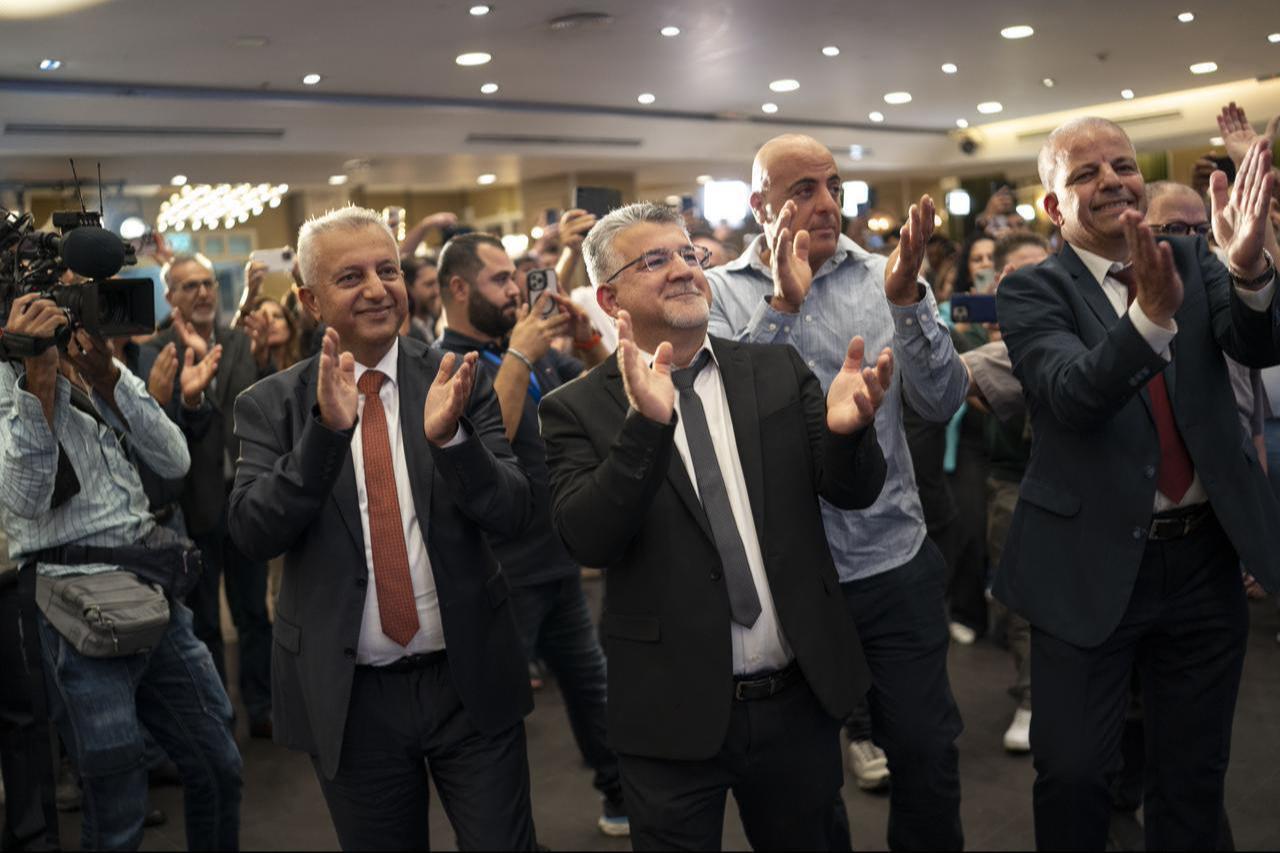

Netanyahu's camp spent the post-election period amplifying allegations that Arab-Israeli groups received foreign funding to influence the vote. The claims center on allegations that Ra’am received money from Qatar to finance vote-buying.
"The Ra’amgate scandal is a political earthquake. Israel’s elections have been stolen!" Likud said Thursday.
Government officials have provided no evidence to back the allegations. The Shin Bet domestic security service said it was investigating suspected irregularities. It stressed that its probe was not meant to "cast aspersions or place blame on an entire sector that went out to vote in a democratic and lawful manner."
Dean Livne, the election committee’s acting director general, called any suggestion of widespread problems "entirely groundless." Police arrested three suspects in what the commission described as an isolated local case.
Abbas denied any wrongdoing and welcomed an investigation. The Joint List accused Netanyahu and his allies of a "campaign of incitement," and Qatar called the accusations "ridiculous and dangerous."
Eisenkot said it was "too early to understand what happened, and whether anything happened at all." He added: "It’s already clear that Likud and Netanyahu have embarked on a coordinated, organized campaign seeking to delegitimize the results of the election."
Batu said the episode is a tactic, not a turning point.
"No, it cannot be called a new threshold, but we can call it a new strategy, a move shaped by current circumstances. Netanyahu is deliberately criminalizing Arab participation," he said.
"In this way, he both makes it harder for them to cooperate with the center and the left and, if he cannot form a government himself, tries to ensure that the opposition cannot form one either," he added.
Lord said the result is broadly accepted but argued that the funding allegations damage the Arab parties.
"In general there is acceptance of the elections results. But now the political interference by Arab powers like Saudi Arabia and Qatar is in the open. In the past the PLO and Egypt interfered. It definitely erodes legitimacy for partnering politically with Tibi and Abbas," Lord said.
The foreign-funding claims remain unproven, and Qatar and both Arab lists have rejected them.
 1 min read
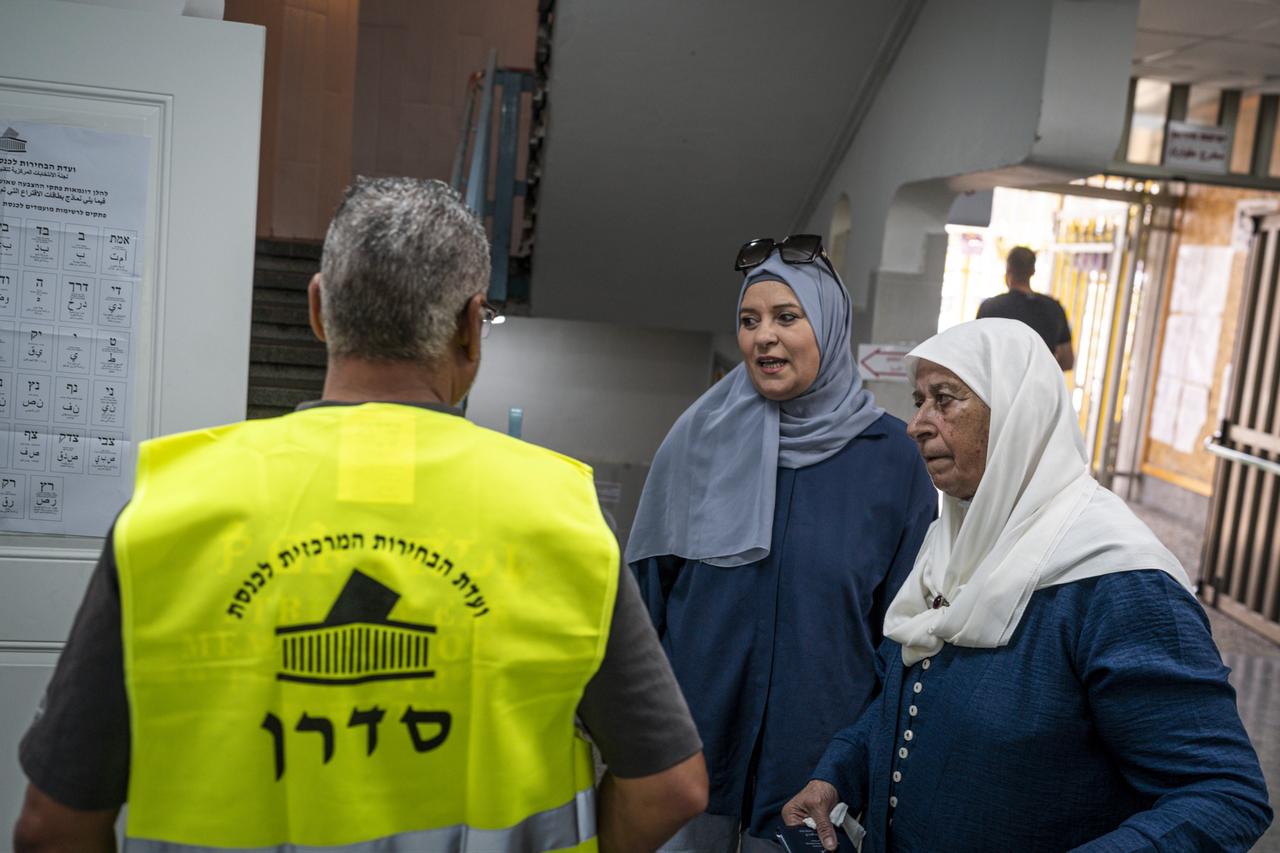
Batu said the right's rhetoric against Arab citizens is nothing new.
"The right-wing parties’ rhetoric toward Arabs is not new. Those who have changed their stance here are not the right-wing politicians either, but especially the Arab parties that are members of the Joint List: Balad, Ta’al and Hadash," he said.
"Arabs are citizens on paper and can benefit from some rights, but in politics they face far more glass walls compared with the Druze," he added.
Lord said relations would stay the same even as policy shifts.
"The relationship between Arabs and Jews will not change; but on the legal level and the way the government power is implemented in Arab towns and villages, there will be a great change," he said.
"Israelis expect Muslims to recognize the Jewish sovereignty and independence, and not weaponize the democratic process in order to undermine those pillars and of course to recognize security imperatives that Israel has," Lord added.
"That’s why it is too challenging to invite Arab ministers in the Cabinet, not because they are Muslims. But because they are not going to be able to accept responsibility for military actions by the IDF. They could definitely share responsibility for police activity decided by a government in which they are partners," he said.
Lord argued that Arab voters would still be 'rewarded' outside the Cabinet.
"All of this is only in regard to government. The Arabs will certainly gain a lot through the Knesset and the coalition’s decisions in terms of large budgets, new openings for Arabs in the Israeli bureaucracy and in every state position," he said.
"Arabs are already very dominant in Israel’s health system. Their electoral achievement will be rewarded, even by a right-wing government," he said, adding, "In any constellation Arab Knesset members will take important positions in the Knesset, like chairman or deputy chairman. They will take positions as heads of one or two important committees."
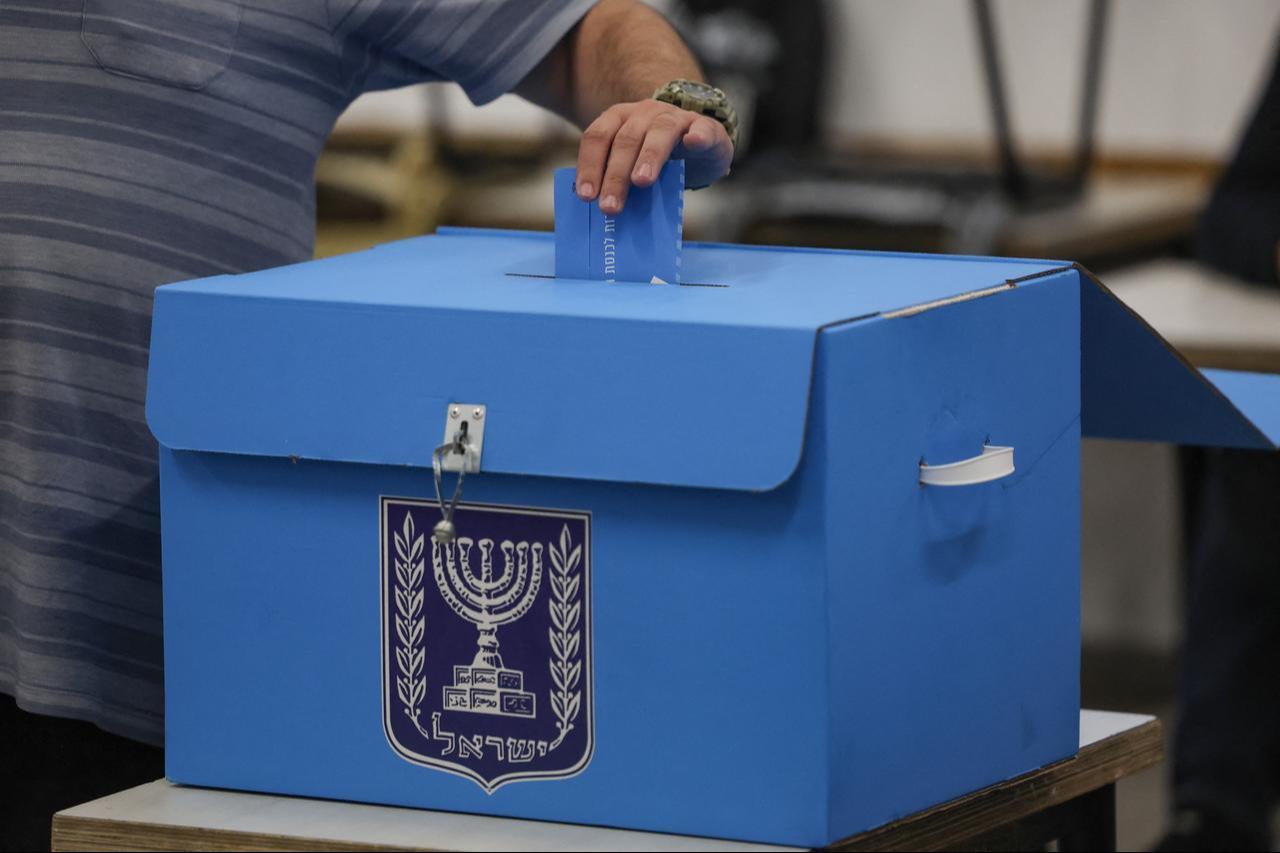
The final results are expected to be presented to Israeli President Isaac Herzog on Nov. 4. Herzog would then consult party leaders, who recommend a candidate to form a government. The new Knesset is scheduled to be sworn in Nov. 10, and coalition talks could last more than two months.
Herzog has said a new vote must be avoided at all costs.
"Frankly, Israeli politics has exceeded the threshold of unpredictability. Three scenarios come to the fore," Batu said.
Beyond an Arab-backed minority government, he said, "the possibility of a unity government has become even more pronounced, but there are serious problems on this too. The third possibility is going back to elections."
"One additional possibility: If the process drags on, a possible war with Iran under Netanyahu’s premiership could bring about an emergency government," he noted.
Zonszein outlined similar options, saying, "So in terms of the scenarios, it’s either another snap election in the next four to six months, or Eisenkot somehow forms a government, even if it doesn’t last long. If he forms a government, then it forces the Netanyahu government out of office. And another option is some kind of national government that both sides go in on."
Lord said the opposition could act even without a government.
"They can start a legislative blitz without forming a government, in order to undo some reform by the Netanyahu government, including a special law against Netanyahu personally," he said.
"Netanyahu is also short of a majority (61). He commands a 53-member bloc. He could theoretically offer a lot to either Naftali Bennett (and Lapid) or Avigdor Lieberman to form a right-wing coalition. It’s hard to see it happen," Lord noted.
Amnon Lord sees a power-sharing deal as the likeliest outcome.
"So most realistic political solution would be a unity government led by Netanyahu and Eisenkot. Many in the Israeli public wish for the two leaders to start to negotiate this natural coalition in which Netanyahu will start as prime minister to conclude his partnership with the American President Trump," he said.
"Then he will be replaced by Eisenkot as PM of the same coalition between the Likud and Eisenkot’s party. Both will bring in their political satellites," he noted.
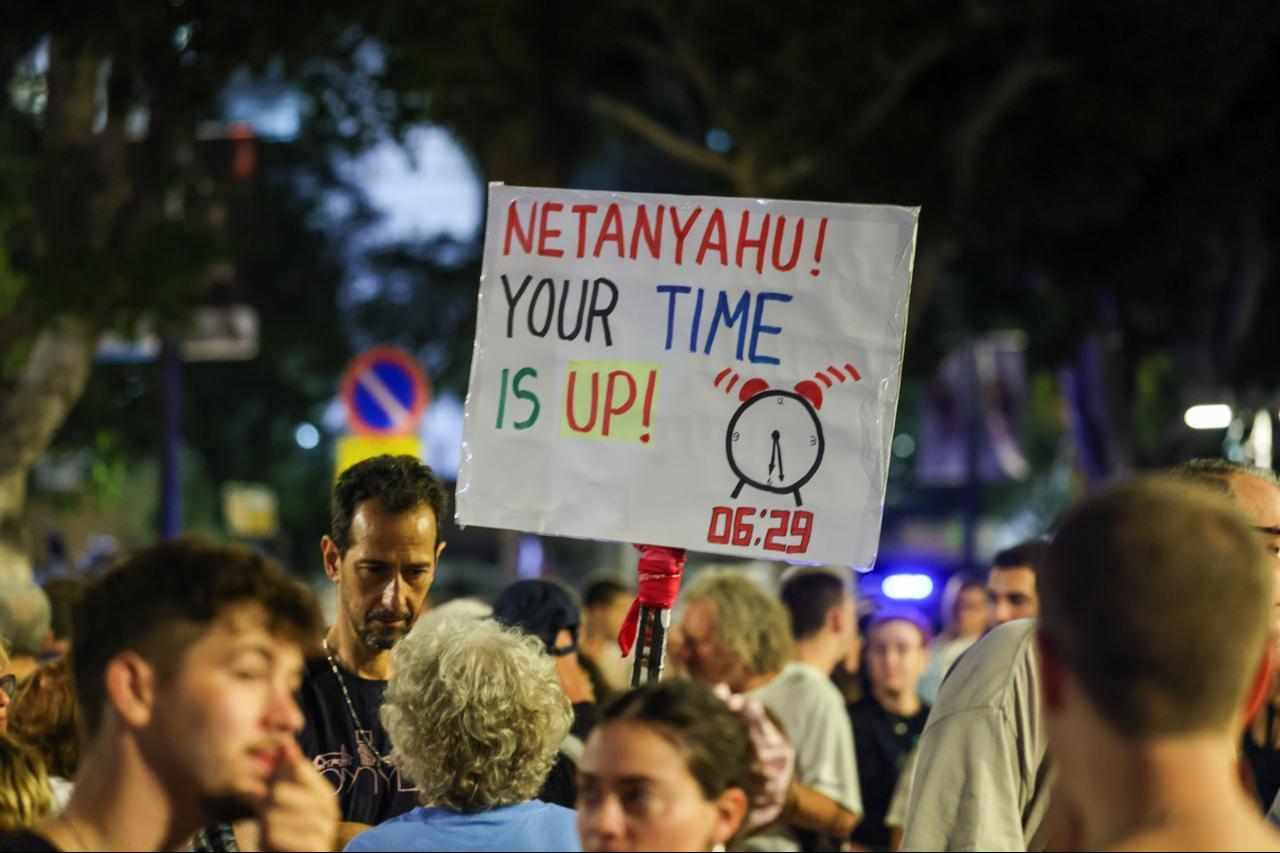
The Jerusalem Post has reported that Netanyahu may offer Eisenkot a senior ministerial portfolio instead of a rotation. Likud officials have also weighed a rotation in which Netanyahu would serve first and then hand the post to Eisenkot, according to an earlier report.
Eisenkot has ruled out both.
"There will be no form of rotation in the post of prime minister. There will be only one prime minister, and it will be me," he said before the vote. He told Radio 103FM he would not serve under Netanyahu in a rotation and would quit within an hour if that happened.
The last such deal ended badly.
In 2020, Netanyahu and centrist Benny Gantz agreed to rotate the premiership, but the partnership collapsed after a year.
Batu said a deal would put Eisenkot on the same path.
"If he becomes part of this scenario, Eisenkot will be no different from Benny Gantz. He will be subjected to the same cycle," he said, noting, "Eisenkot still has credit in Israeli politics; I do not rule out the possibility of a new election."
Zonszein said a national government would come at a steep price for Eisenkot.
"But in almost any scenario of a national government, Netanyahu would want to be prime minister, and that would probably be political suicide for Eisenkot, because his entire campaign is to get Netanyahu out of power," she noted.
"And in general, the entire opposition, even though they don’t want to work with Arabs, they don’t want to work with ultra-Orthodox, ultimately their main campaign promise was to unseat Netanyahu," she added.
Lord expects public pressure to win out.
"It’s true that Eisenkot’s language towards Netanyahu since the elections is nasty and projects rejectionism. But I think that public pressure to solve this problem should bring the two together," he said, adding, "Eisenkot will have a lot to gain in the negotiations in which most concessions will be made by the Right."
The ultra-Orthodox parties offer Eisenkot another possible route, though a narrow one. They hold 14 seats, but he has argued forcefully for ending their community’s military service exemptions.
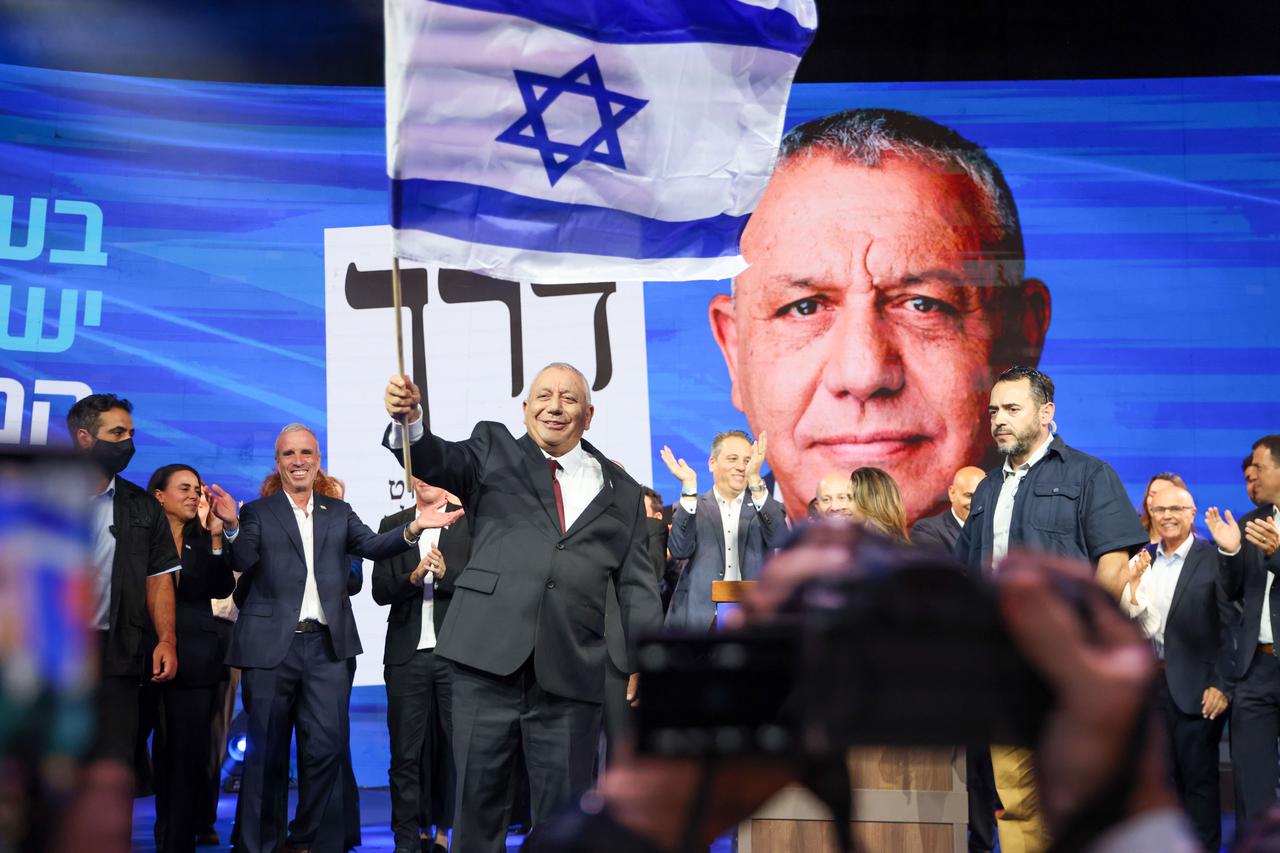
Likud remains the largest party with 27 seats, down from 32 in 2022. Netanyahu’s bloc held 68 seats in the outgoing Knesset.
Batu said the order of finish defied most forecasts.
"Netanyahu finishing ahead of the opposition in the elections was the main surprise factor. While polls had been saying the exact opposite with almost the same figures for nearly a year, it was the marginal Channel 14 polls that showed the result closest to the actual outcome. In that respect, it was surprising," he noted.
"However, the failure of both sides to obtain a majority to form a government was the expected outcome. One way or another, this happened. We can say that the deadlock in Israeli politics has once again consolidated. Its main actor is Netanyahu," he added.
The record Arab vote has turned 19 seats into the hinge of Israeli coalition politics.
Zonszein said any leader who hopes to replace Netanyahu now faces a choice the campaign avoided.
"And it’s too early to tell what will happen, but the situation has forced anyone who wants to replace Netanyahu and take Israel into a more moderate and liberal direction, at least a little bit, even if on the security issues, they’re quite similar," Zonszein said, noting, "But if the liberal opposition camp wants that, they’re going to have to work with the Palestinian parties on some level. And that’s where we are right now."
Whether the Arab parties' Israel election breakthrough turns into lasting influence remains open.
"Is it going to lead to some new Palestinian initiative, time will tell," Lord said.


 Set as preferred source
 Set as preferred source


 1 min read