Newsletters


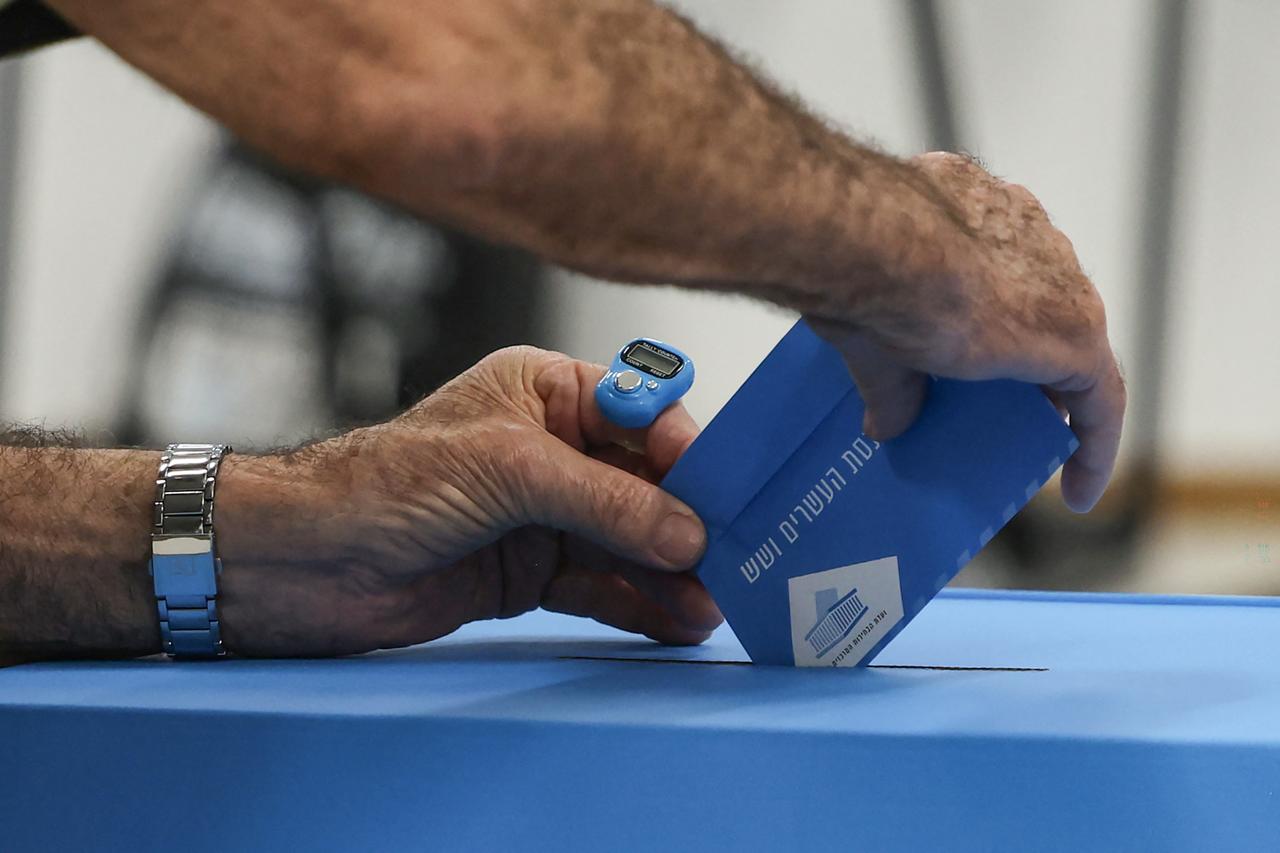
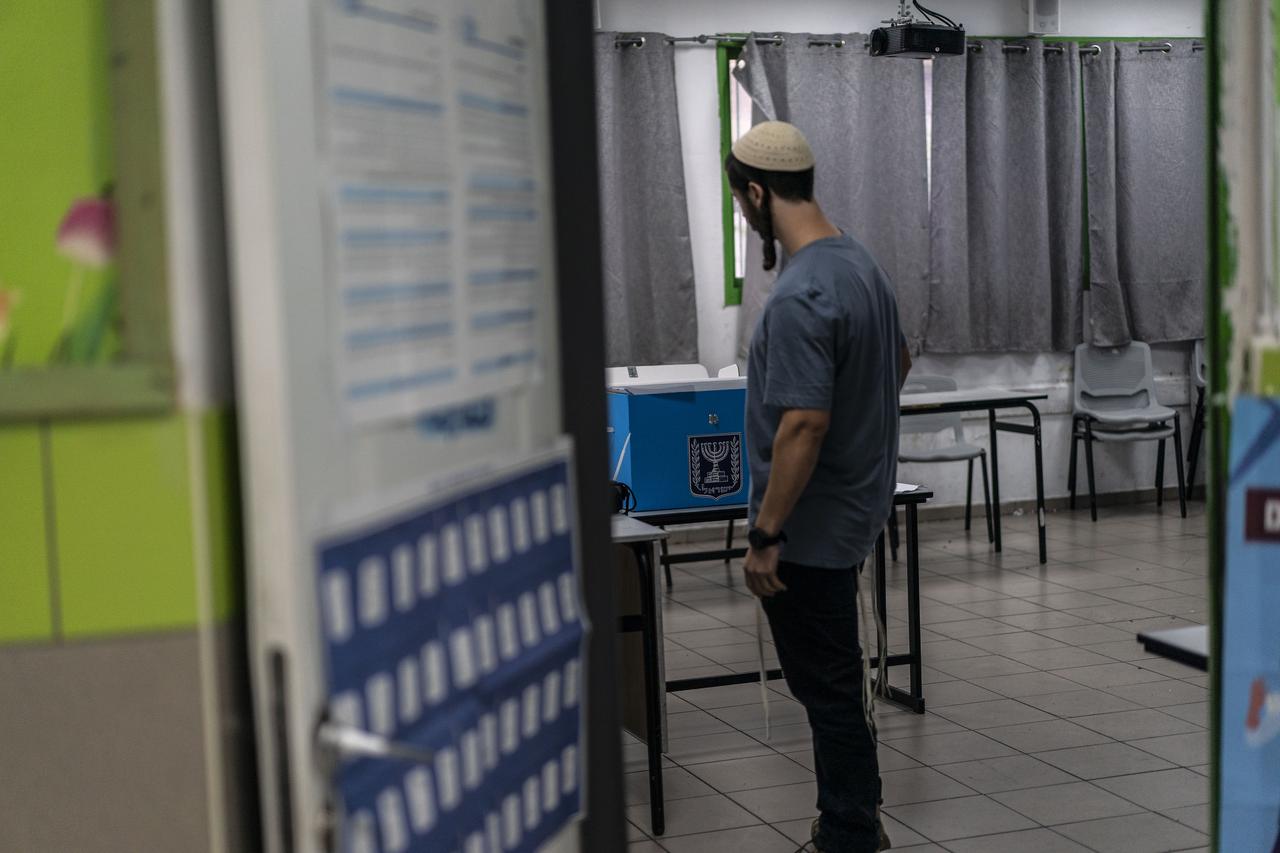
Israel election turnout reached 16.68% by 10:00 a.m. Tuesday, with more than 1.2 million people casting ballots in the first three hours, the highest at that stage of voting since 1981, the Central Elections Committee said.
The early surge comes in a closely fought race between Prime Minister Benjamin Netanyahu and former military chief Gadi Eisenkot, with polls showing neither bloc reaching the 61 seats needed to govern.
"By 10 a.m., more than 1,200,000 Israelis had voted. The nationwide voter turnout stands at 16.68%," Dean Livne, acting director general of the committee, said in a televised statement.
Livne said the figure marked an increase of 0.78 percentage points from the previous election.
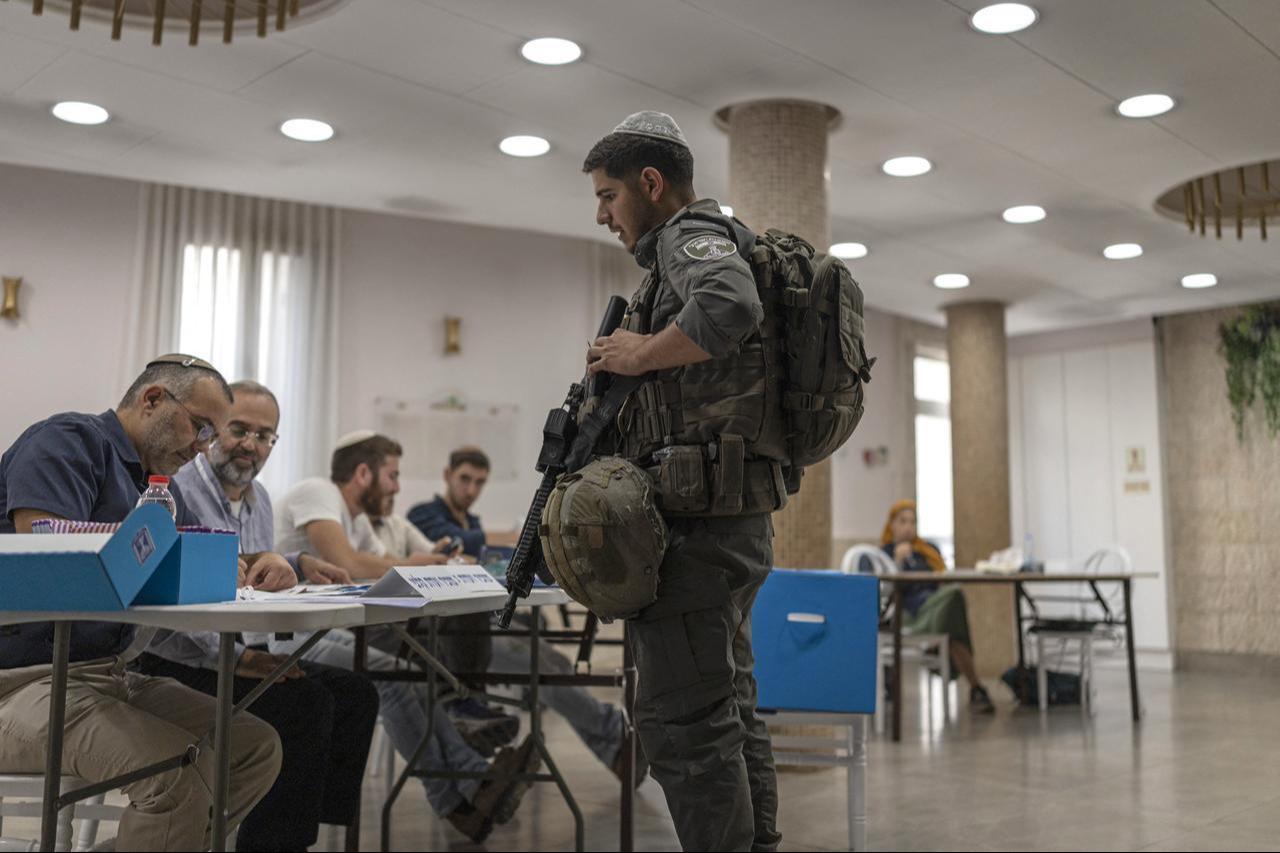
Turnout at the same hour in 2022 was 15.9%. The military says voter turnout among Israeli soldiers stands at 30% as of 10:00 a.m.
In the last election, in 2022, it was 25.7% at this hour. The Israeli army began voting in the national election a week ago, with 850 polling stations deployed at military bases.

For the first time, the committee published regional turnout data. Ein Hod led with 25.7%, followed by Sde Nehemia at 25.4% and Nes Harim at 23.2%.
Tel Aviv-Jaffa recorded 9.3%, or 31,962 votes, the most of any city, followed by Jerusalem at 9%, or 30,260 votes, and Haifa at 8.7%.
At 10:00 a.m. in 1981, turnout stood at 17%. Final turnout in 2022 was 70.6%.
Far-right Finance Minister Bezalel Smotrich said on X that high turnout stood out in areas with large populations of Palestinian citizens of Israel and left-leaning voters.
He urged voters to back parties certain to clear the threshold.
About 7.3 million people are eligible to vote in Israel’s first general election since the Oct. 7, 2023, attack. Polls close at 10:00 p.m. local time (08:00 p.m. GMT), when broadcasters Kan 11, Channel 12 and Channel 13 are expected to release exit polls.
Several parties are polling close to the 3.25% threshold, and a party falling just short would win no seats, potentially shifting the balance between blocs.
About 650,000 special ballots from soldiers, diplomats, patients and others, enough to affect around 14 seats, are expected to take 24 to 36 hours to count.
The final tally is expected by Friday, with official results due Nov. 4.
Final polls projected Netanyahu’s bloc at around 50 seats and the main opposition parties at 52 to 56, with Arab-led parties expected to win 14 to 16.
President Isaac Herzog will consult all elected factions before assigning a lawmaker to form a government, who will have 28 days, with a possible 14-day extension.
Government formation has historically taken 20 to 100 days.


 Set as preferred source
 Set as preferred source


 3 min read