Newsletters


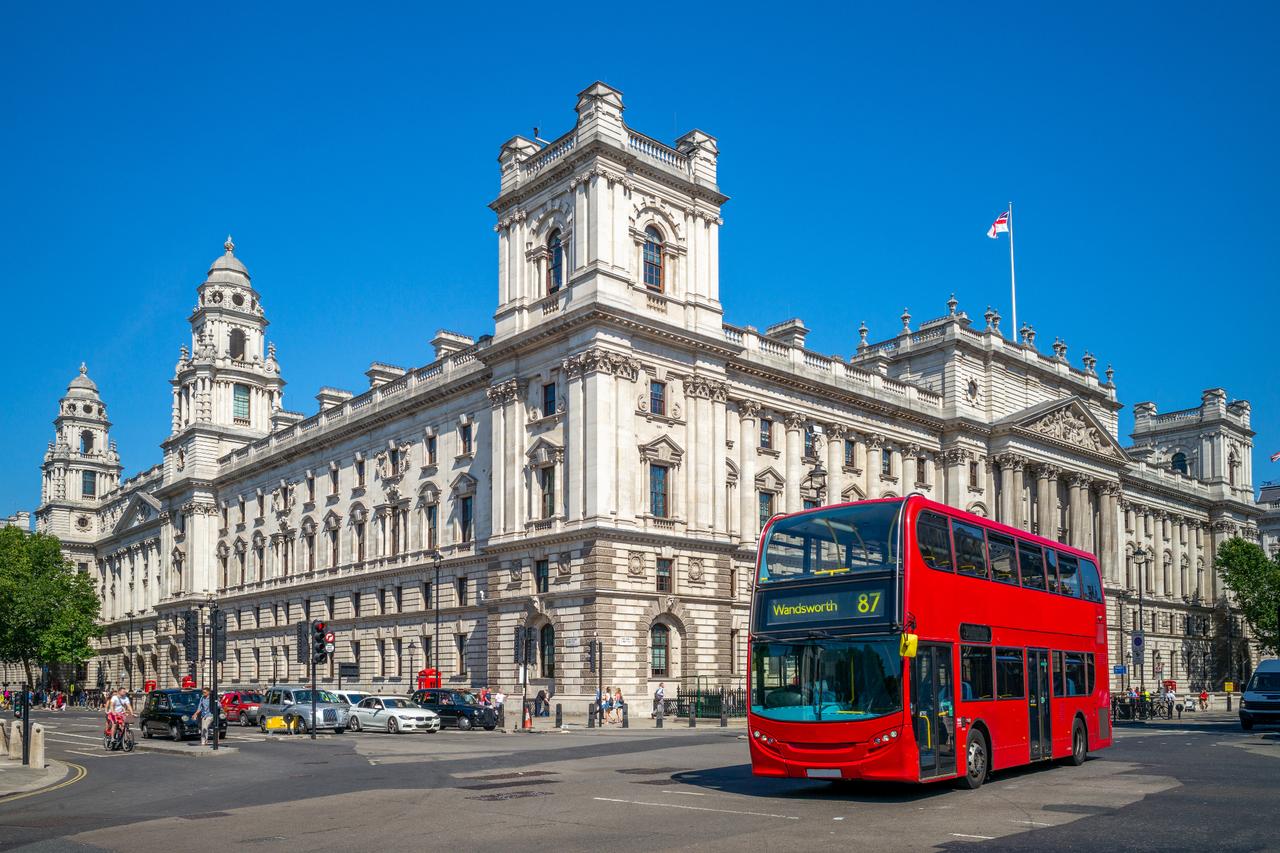


Part of Oxford Street, London’s busiest shopping street, was permanently closed to vehicle traffic on Monday as part of a plan to revive the area and create new public space for pedestrians.
According to a statement from the office of London Mayor Sadiq Khan, buses, cars, taxis, bicycles, scooters and pedicabs, three-wheeled passenger vehicles, are not permitted on the roughly 1-kilometer (0.6-mile) section between the Selfridges and IKEA stores.
Reuters reported that the measure, on the agenda for more than 20 years, is the first stage of a wider transformation plan. The plan aims to make Oxford Street a leading shopping and tourism destination, like Times Square in New York, the Champs-Elysees in Paris and La Rambla in Barcelona.
Khan said reviving Oxford Street will support jobs and economic growth in the capital. He said earlier attempts to change the street failed and that he is now working with a government that shares his goals for scale.
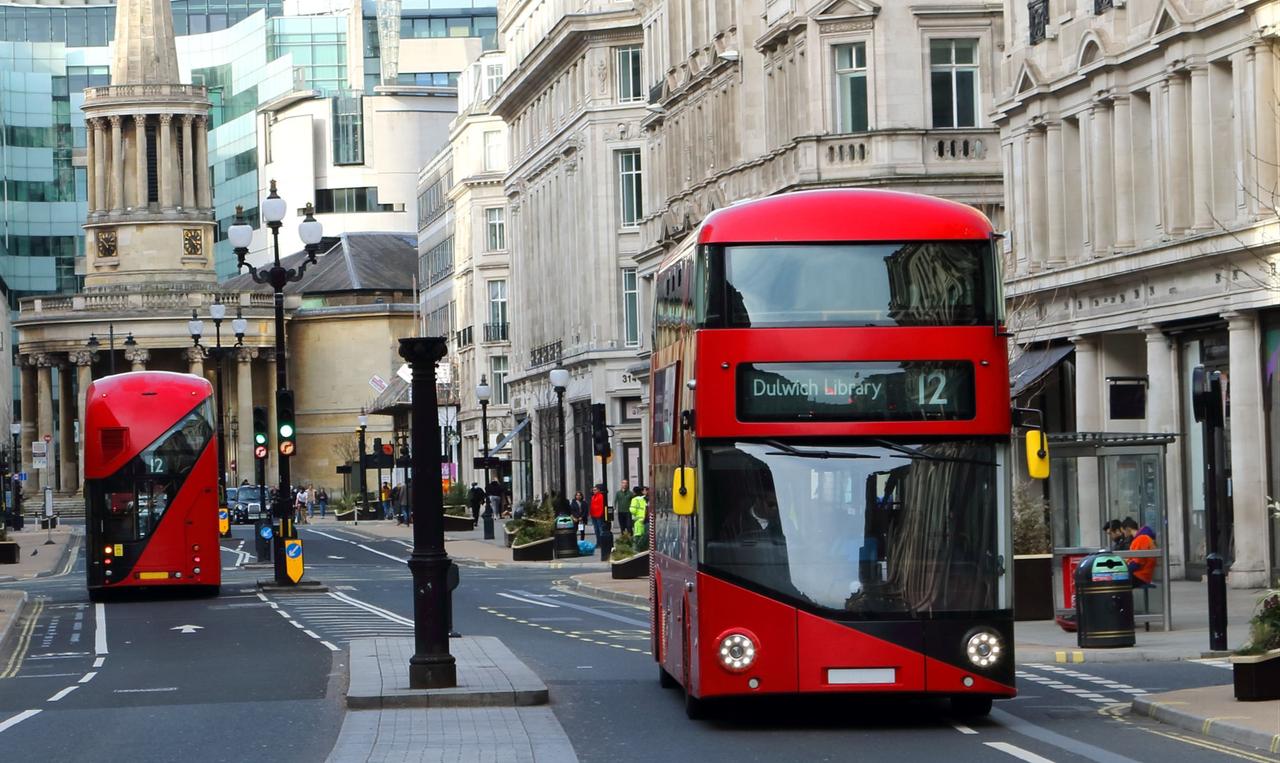

Oxford Street, home to brands such as John Lewis, Marks & Spencer and Tiffany & Co., is one of London’s main shopping districts along with Bond Street and Regent Street. The street has lost some of its appeal since the COVID-19 pandemic and the recent closures of several large stores. House of Fraser and Topshop are among the major retailers that have closed in the area.
U.S.-based candy shops that opened on the street have also been reported to affect the shopping experience. The mayor’s office said about 500,000 people visit Oxford Street every day. Khan said the area had been neglected for a long time.
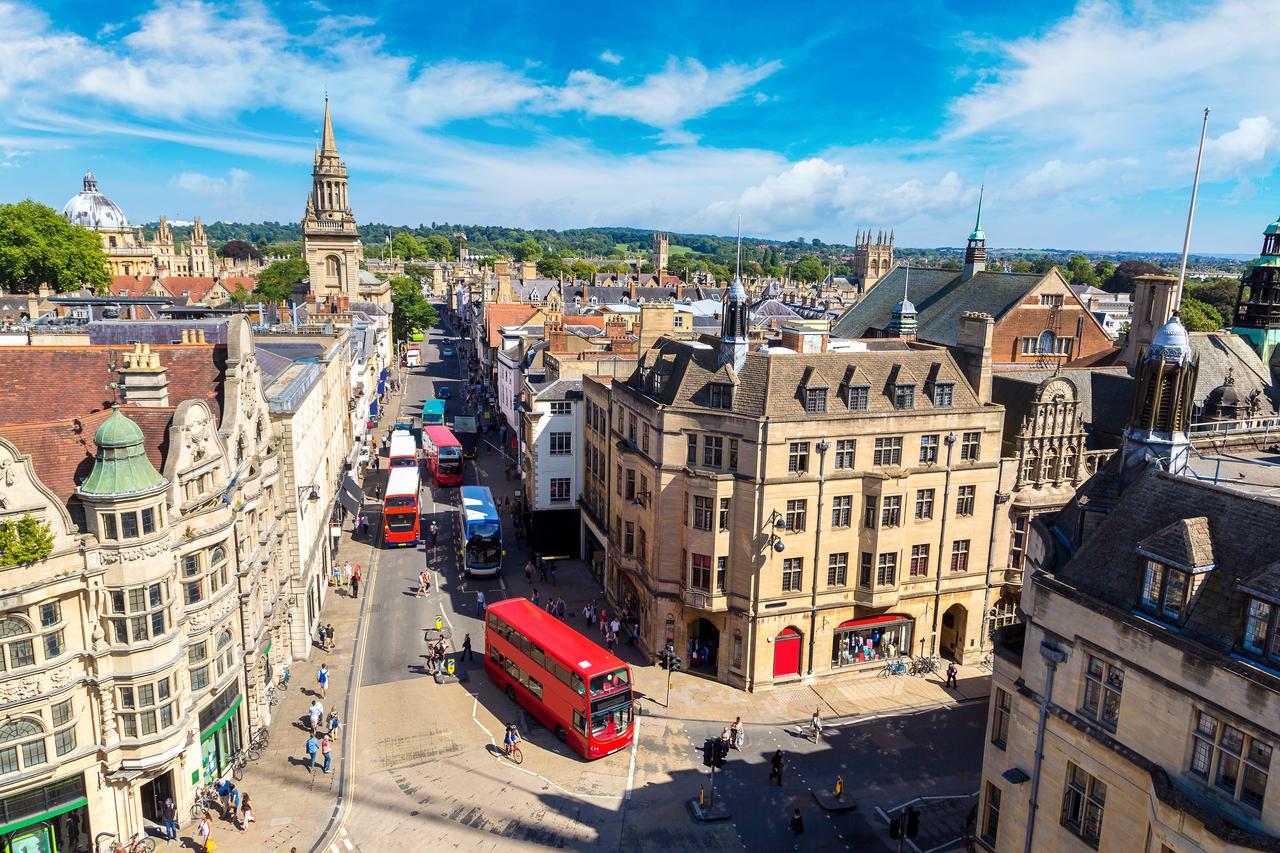
The closure is seen as the beginning of a broader transformation. Large-scale construction is planned to remain limited in the first phase because of the busy pre-Christmas shopping period.
Under the 2027 plan, more than 50 trees will be planted, 100 new seating areas created, two public squares built, and rest areas expanded. Signage and lighting are also planned for improvement.
Angela Rayner, U.K. Housing, Communities and Local Government Secretary, said the move marks the start of a new era for Oxford Street. She said a greener, livelier public space could attract visitors and investment, support businesses and jobs, and boost economic growth in central London.


 Set as preferred source
 Set as preferred source


 3 min read