Newsletters


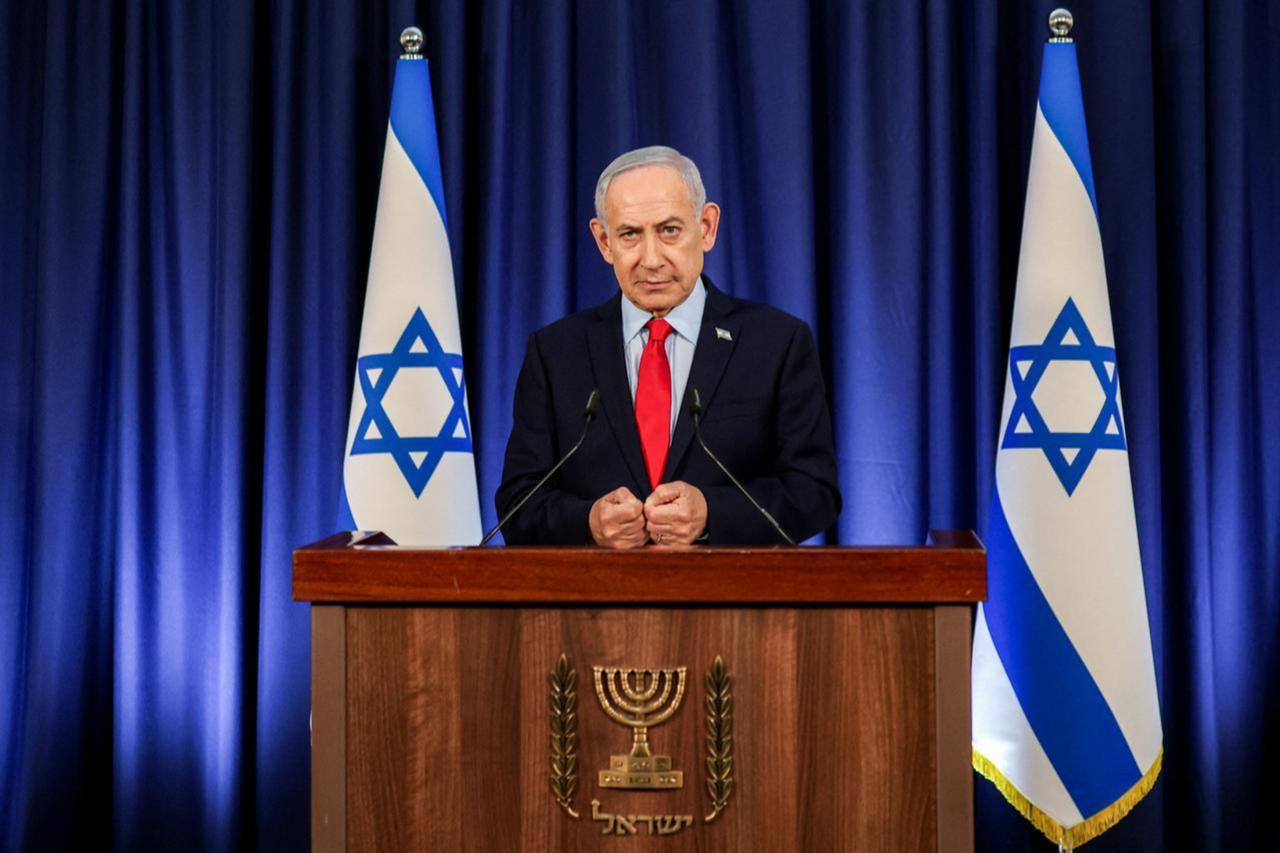


Israeli political and security officials are operating under the assumption that U.S. President Donald Trump could announce a ceasefire with Iran as early as this Saturday, Israel's Channel 12 News reported on Wednesday.
The report, delivered through the broadcaster's correspondents' chat by senior journalist Yaron Avraham, comes as a sweeping 15-point American peace proposal has been transmitted to Tehran through Pakistani intermediaries, and as fighting across the region shows no sign of slowing.
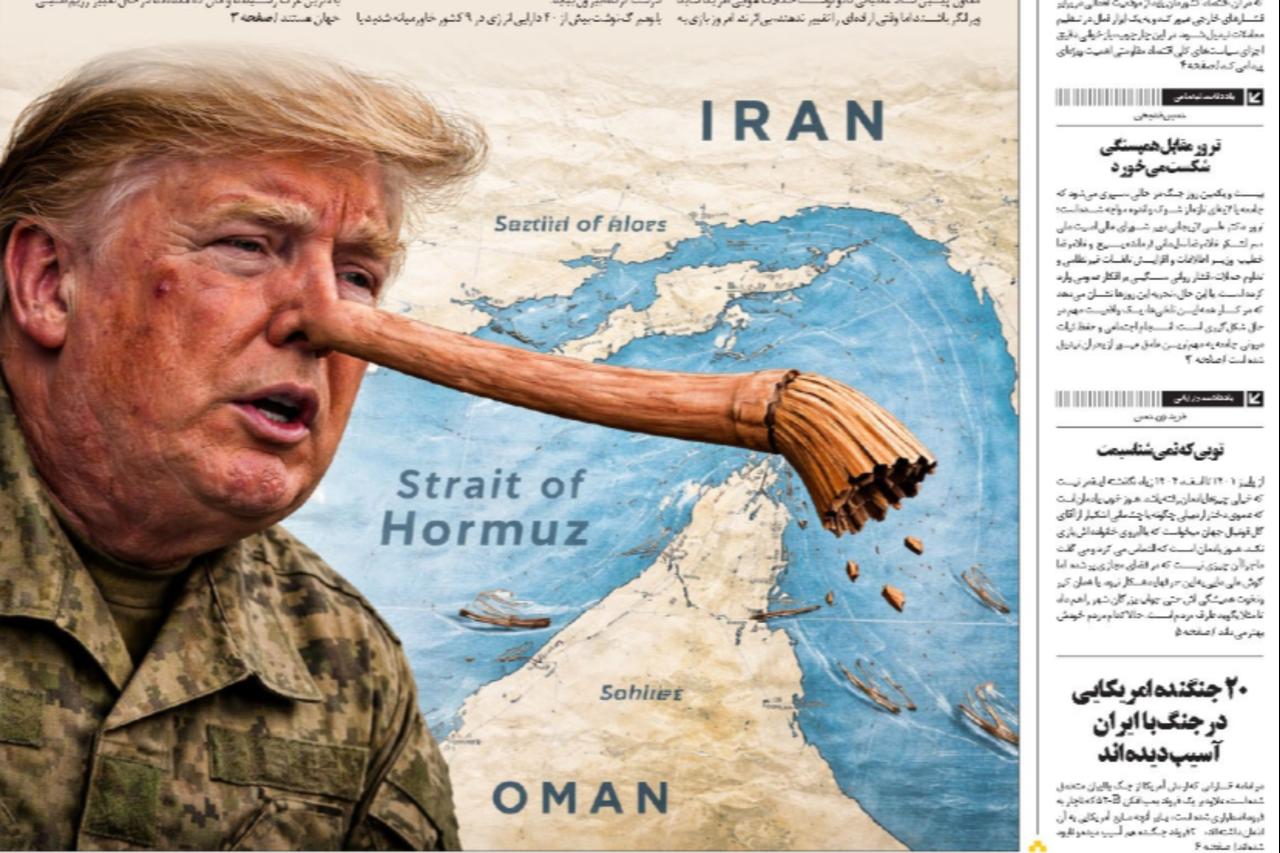
The Saturday timeline aligns with the extended deadline Trump set for Iran to reopen the Strait of Hormuz. After initially issuing a 48-hour ultimatum and then postponing planned strikes on Iranian power plants, Trump gave Tehran until the end of the week to comply with his demands, a window that closes this weekend.
The Channel 12 report outlined 14 of the 15 conditions Washington has laid before Iran as terms for ending the nearly month-long conflict. According to three sources familiar with the details, Trump's top aides Jared Kushner and Steve Witkoff have fashioned a mechanism that would begin with a monthlong ceasefire period, during which the two sides would negotiate the terms of the broader agreement, a framework the report compared to the Trump administration's earlier ceasefire models in Gaza and Lebanon.
Yet far from calming nerves in Jerusalem, the prospect of a rapid deal is generating deep anxiety. Channel 12 reported that the possibility of a quick, loosely defined agreement in principle was causing sleepless nights among Israel's political and security leaders, who fear the Iranians could emerge from a halt in fighting without having committed to concrete concessions.
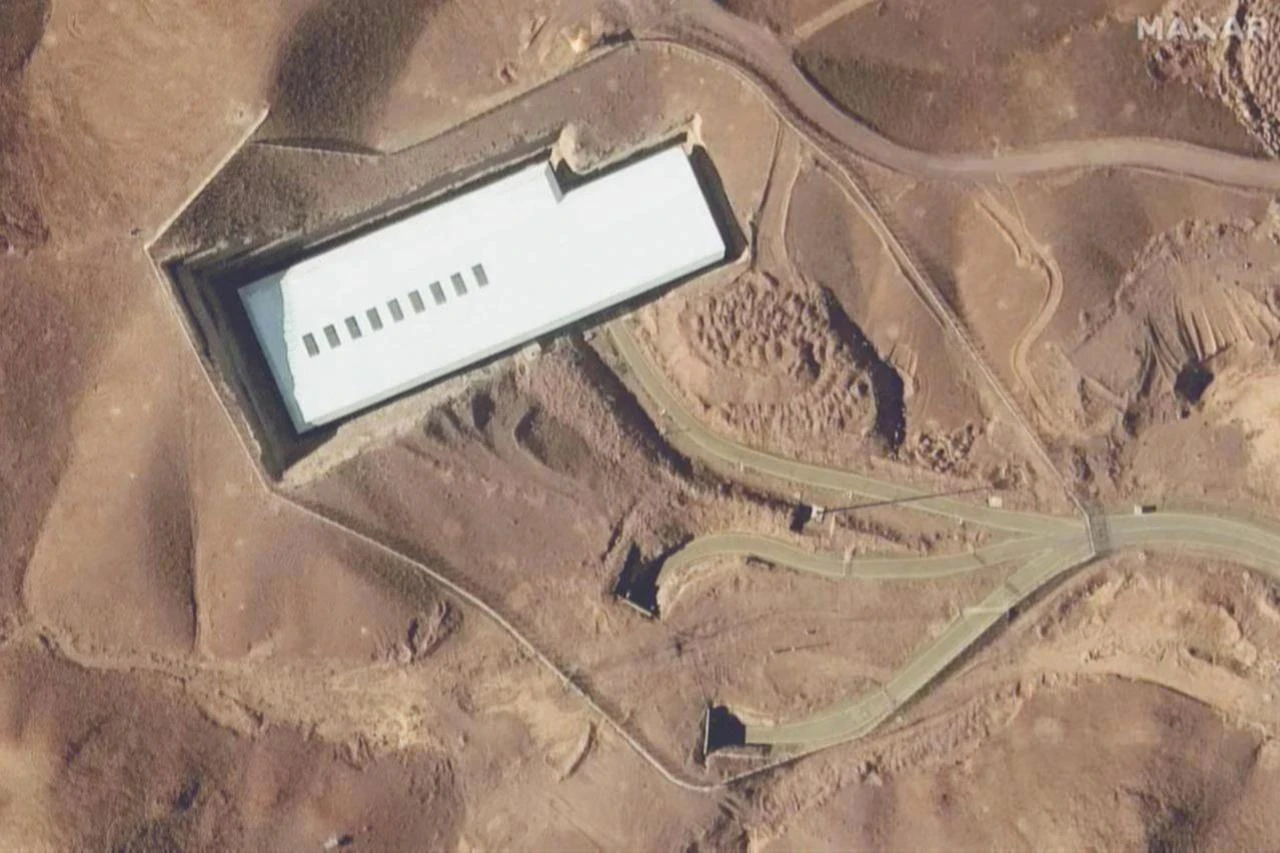
The conditions outlined in the U.S. proposal include the dismantling of Iran's nuclear capabilities, a ban on uranium enrichment on Iranian territory, the handover of Tehran's enriched uranium stockpile to the International Atomic Energy Agency, and the decommissioning of key nuclear facilities at Natanz, Isfahan, and Fordow.
The plan also demands that Iran abandon its network of regional armed proxies, halt the funding and arming of allied militias, and keep the Strait of Hormuz open as a free maritime corridor. In return, Washington has offered full sanctions relief, support for Iran's civilian nuclear energy program including the Bushehr plant, and the removal of the so-called snapback mechanism for reimposing sanctions.
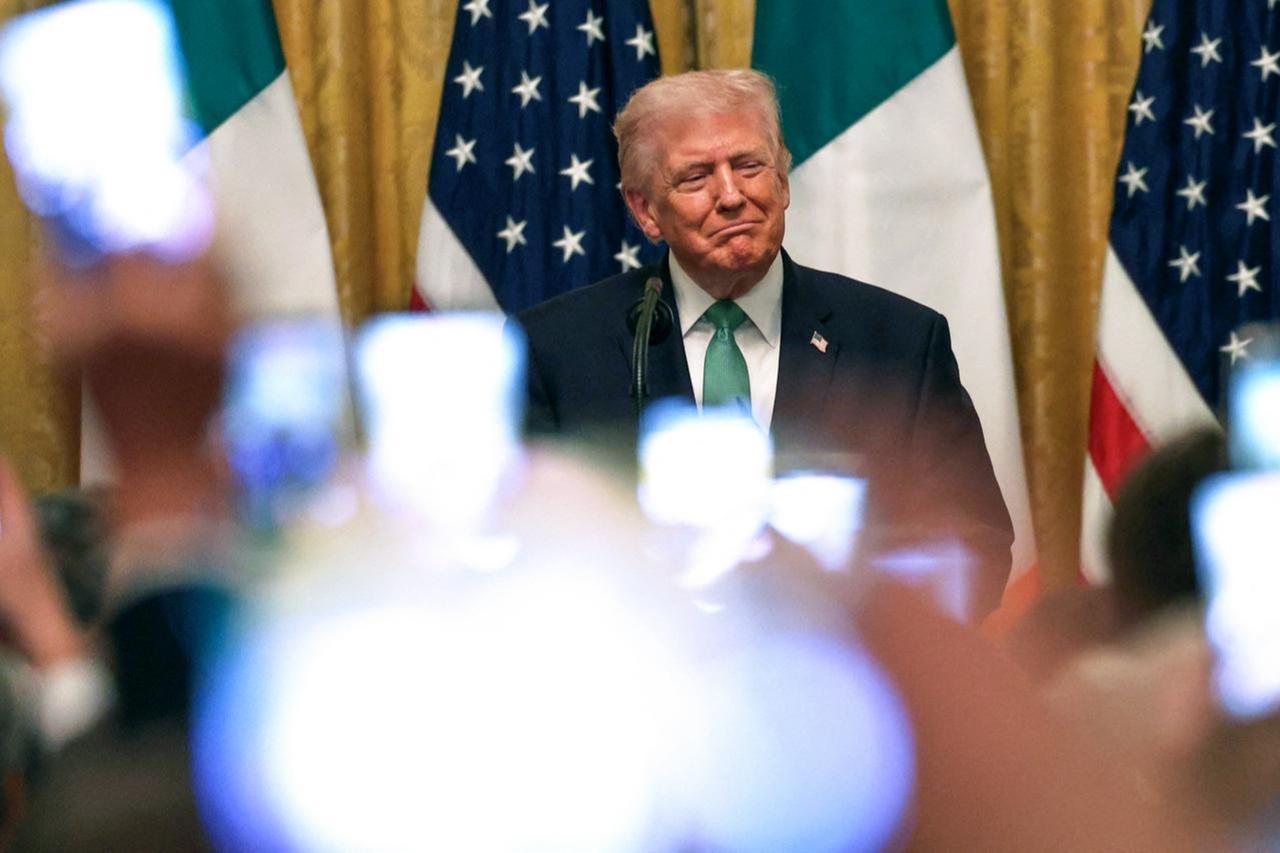
The plan was submitted to Iran by intermediaries from Pakistan, which has offered to host renewed negotiations between Washington and Tehran. Trump told reporters at the White House on Tuesday that the U.S. was in active discussions with what he called "the right people" in Iran, expressing confidence that Tehran was eager to reach a deal.
But Iran moved swiftly to shut the door, at least publicly. State broadcaster Press TV, citing a senior official, reported on Wednesday that Tehran had rejected the 15-point proposal and instead laid out five conditions of its own. Those conditions include a complete halt to attacks and assassinations by the U.S. and Israel, mechanisms to guarantee the war will not resume, payment of war reparations, an end to operations against Hezbollah in Lebanon and pro-Iranian militias in Iraq, and international recognition of Iran's sovereign authority over the Strait of Hormuz.
An Iranian military spokesperson underscored the defiant tone. Lt. Col. Ebrahim Zolfaghari, in a recorded video aired on state television, mocked Washington's diplomatic effort, asking whether America's internal divisions had reached a point where it was negotiating with itself.


 Set as preferred source
 Set as preferred source


 1 min read
 1 min read