Newsletters


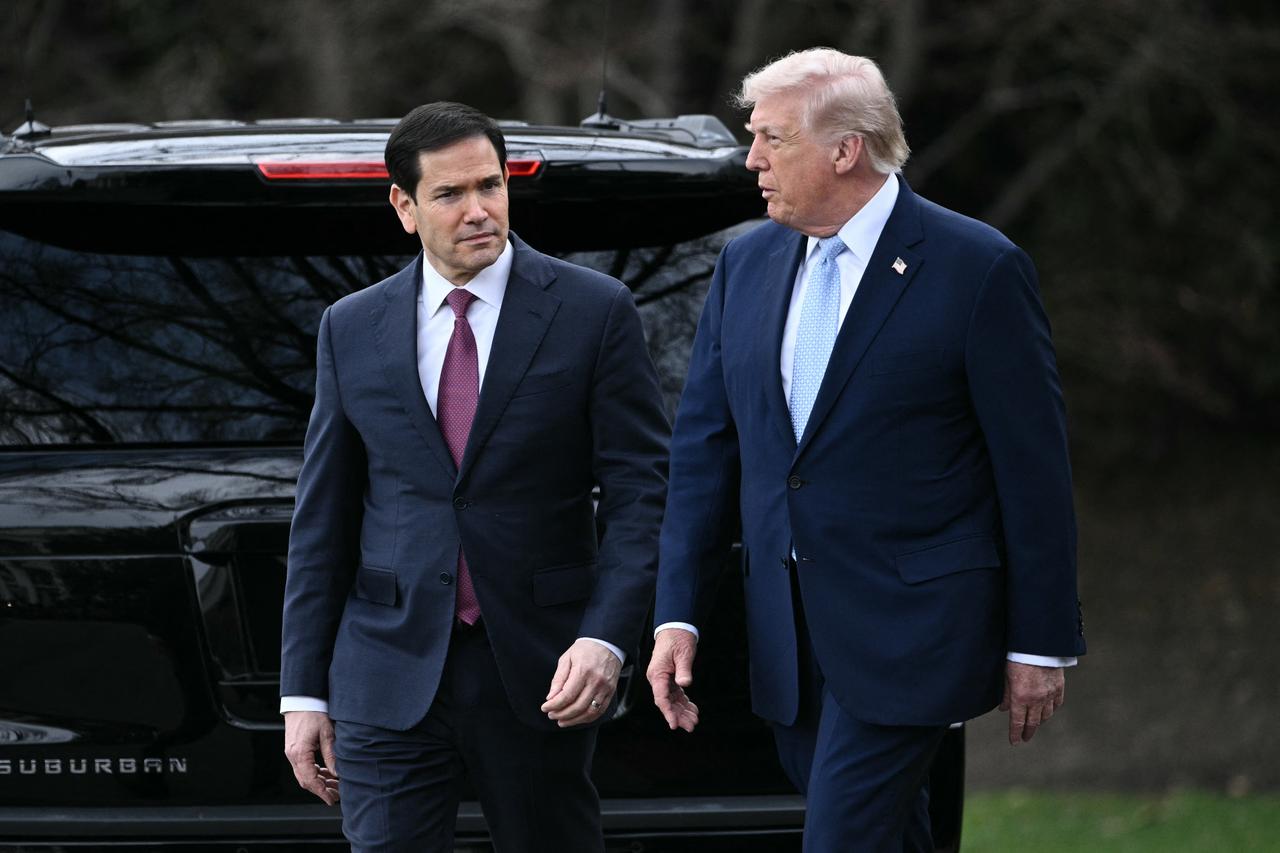


The Trump administration has begun preliminary internal discussions on what potential peace talks with Iran could look like after three weeks of war, Axios reported, citing U.S. officials and sources familiar with the matter.
The report came before U.S. President Trump issued a 48-hour ultimatum threatening to destroy Iranian power plants if the Strait of Hormuz is not reopened.
Trump's advisers are seeking to lay the groundwork for diplomacy while fighting is expected to continue for another two to three more weeks, the report said.
Trump's envoys, Steve Witkoff and Jared Kushner, are involved in the early discussions.
Any agreement to end the war would likely require the reopening of the Strait of Hormuz, addressing Iran's stockpile of highly enriched uranium, and establishing a long-term arrangement covering Tehran's nuclear program, ballistic missiles, and support for regional proxy groups, according to the report.
"Witkoff and Kushner's terms are expected to be similar to those presented in Geneva two days before the war started," according to sources cited by Axios.
There has been no direct contact between Washington and Tehran in recent days. However, Egypt, Qatar, and the U.K. have relayed messages between the two sides.
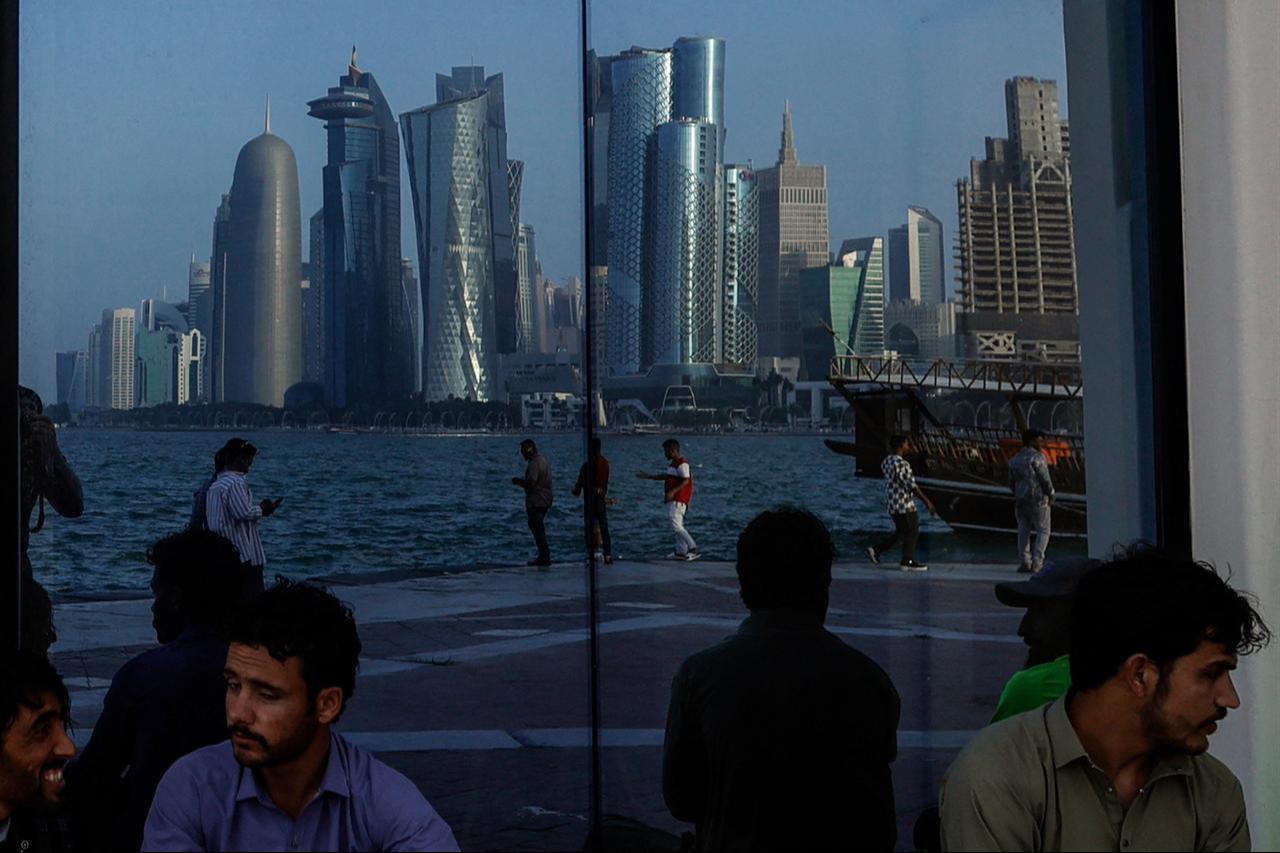
Egypt and Qatar have reportedly informed the U.S. and Israel that Iran is interested in negotiations, but under strict conditions.
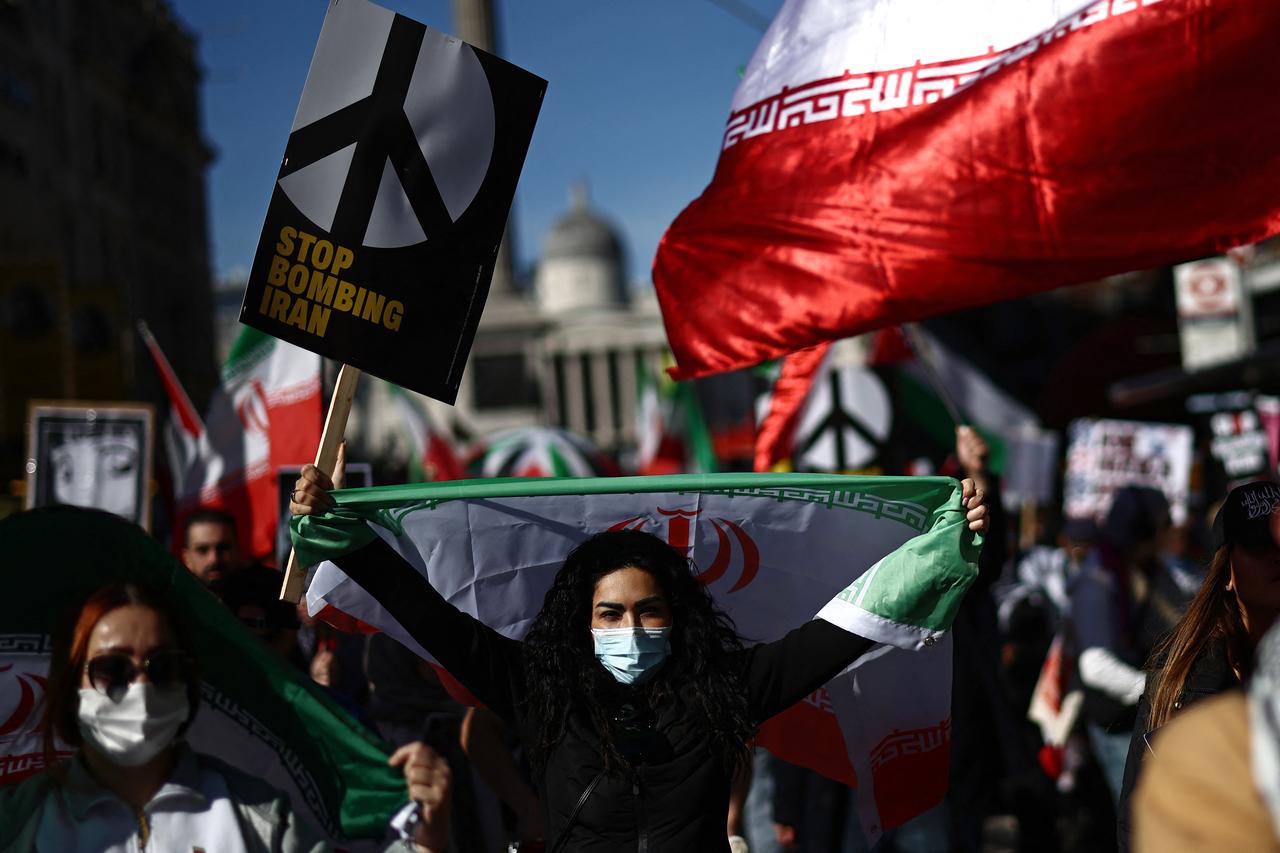

Iran's conditions include a ceasefire, guarantees against a resumption of hostilities, and compensation for damages.
Trump has dismissed the compensation demand as a "non-starter," though one U.S. official suggested the issue could be reframed differently.
"They call it reparations. Maybe we call it the return of frozen money. There are many different ways that we can wordsmith so that it solves politically what they need to solve, to develop consensus in their system," the official said.
A second official noted, "There could be room to negotiate over returning frozen Iranian assets."
Iranian Foreign Minister Abbas Araghchi told his Indian counterpart on Saturday that normalizing the situation in the Strait of Hormuz would require the U.S. and Israel to stop attacking Iran and commit not to resume attacks in the future, the Iranian foreign ministry said.
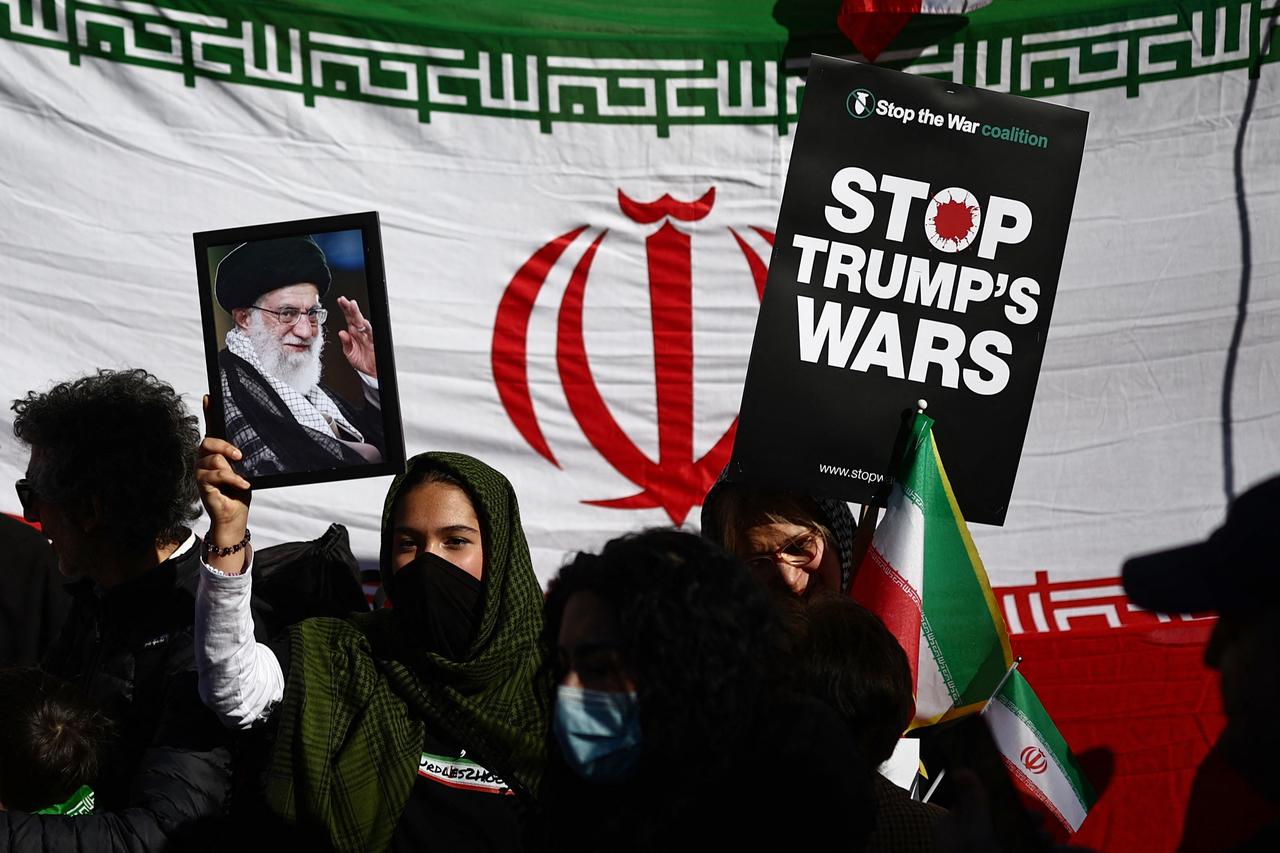
The U.S. is seeking six specific commitments from Iran as part of any deal, according to the report.
These are:
"Our view is we've stunted Iran's growth," one U.S. official told Axios, expressing belief the "Iranians will eventually come to the table."
However, Iran has repeatedly rejected several of those demands in the past, and Iranian leaders have noted the difficulty of negotiating with a president who engaged in talks before suddenly bombing them.
Trump's team is currently trying to answer two key questions: who in Iran is the best point of contact for negotiations, and which country would best serve as mediator?
Araghchi has been the primary intermediary in past talks, but Trump advisers view him as a "fax machine" rather than someone empowered to actually deliver a deal.
U.S. officials say they are trying to determine who actually makes decisions in Iran and how to reach them.
While Oman mediated the last round of nuclear talks, the U.S. is seeking a different mediator, ideally Qatar, due to mutual distrust with the Omanis.
U.S. officials said Qatar proved itself as an effective and trusted mediator in Gaza negotiations.
"The Qataris are willing to help behind the scenes but do not want to serve as the main official mediators," two sources said.
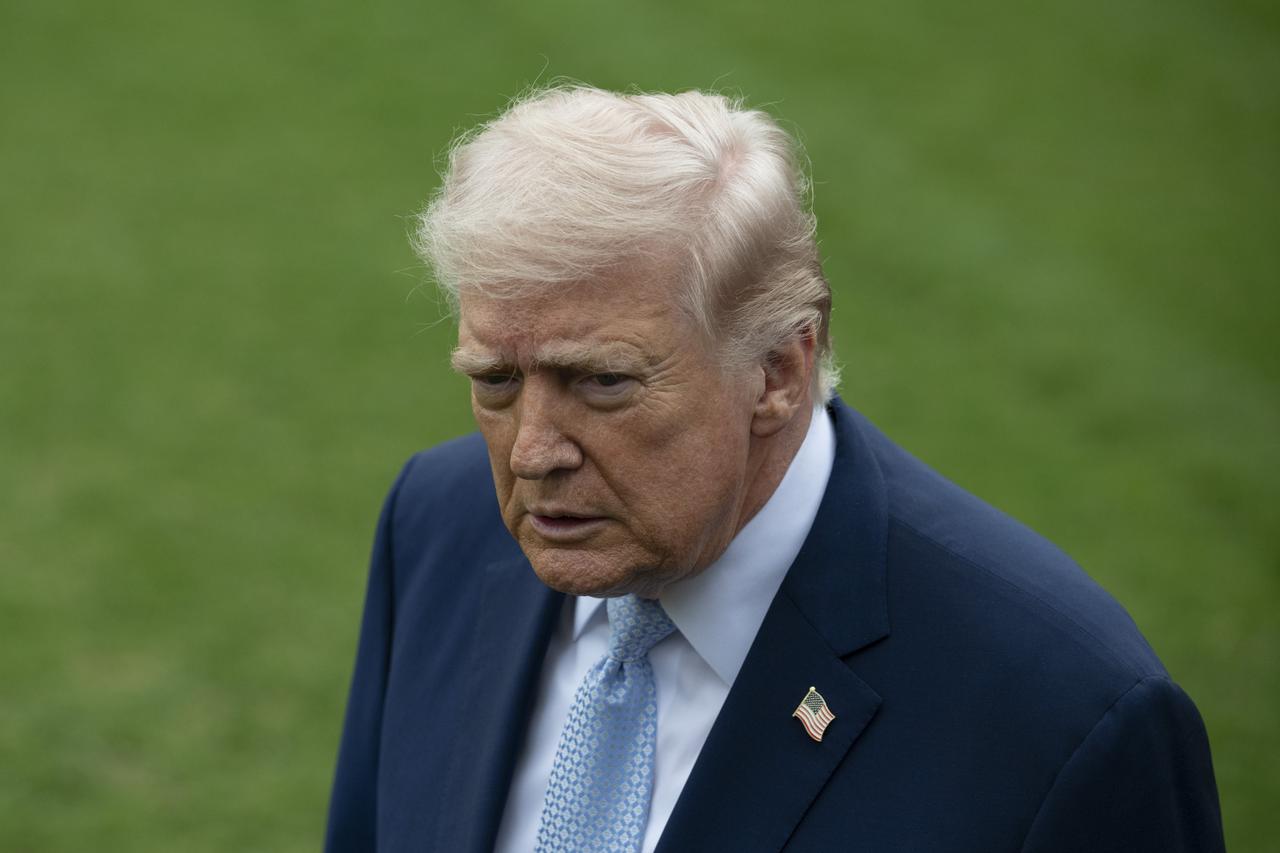
Despite the diplomatic groundwork, Trump simultaneously issued a 48-hour ultimatum Saturday, threatening to "hit and obliterate" Iran's power plants, starting with the largest, if Tehran does not fully reopen the Strait of Hormuz.
"If Iran doesn't fully open, without threat, the Strait of Hormuz, within 48 hours from this exact point in time, the United States of America will hit and obliterate their various power plants, starting with the biggest one first," Trump wrote on Truth Social.
Araghchi had stated on Friday that Iran would show "zero restraint" if its infrastructure came under attack.


 Set as preferred source
 Set as preferred source


 1 min read
 1 min read