Newsletters


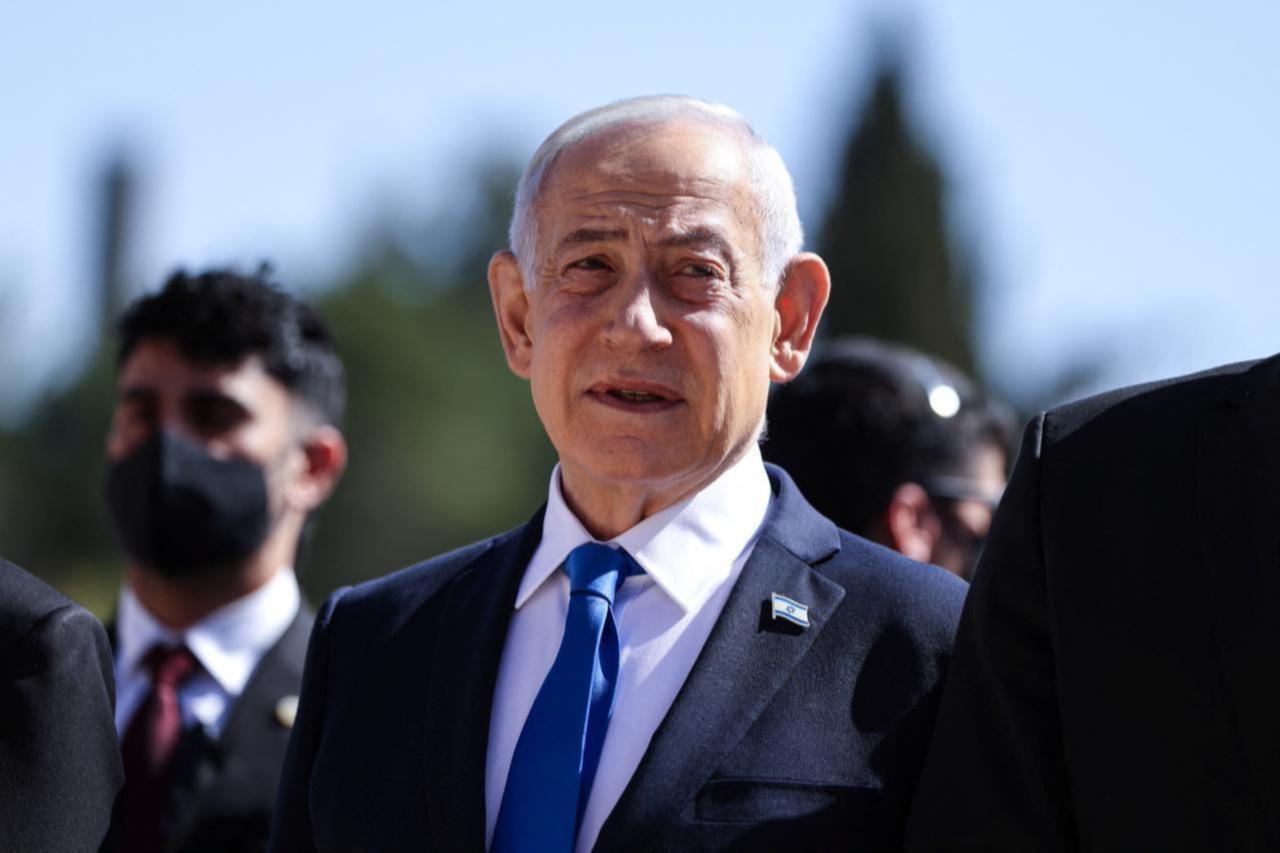


Israel is being pushed toward a dangerous debt path as the cost of its multi-front attacks and rising defense demands place heavy pressure on public finances, Israeli outlet Ynetnews reported Tuesday, citing an analysis by Calcalist.
The report said Prime Minister Benjamin Netanyahu’s government is struggling to contain defense spending after Oct. 7, 2023, while a proposed $95 billion defense plan and continued military operations have raised concerns over higher debt and weakened fiscal stability.
Ynetnews said Netanyahu’s classified “Doctrine and Policy Guidelines for 2025-2026,” prepared in late 2025, reshaped Israel’s security strategy by instructing the military to prepare for multiple arenas and scenarios.
According to the analysis, the document effectively became an open-ended procurement list, with Netanyahu reportedly approving every military demand.
Defense officials estimated that the broadest interpretation of the policy sought by Netanyahu would cost about 800 billion shekels, or $271 billion.
Two alternative plans were later presented to Netanyahu, one costing $152.6 billion and another $84.8 billion.
Following negotiations between the Finance and Defense ministries, a compromise was reached for $94.5 billion over 10 years, the report said.
Part of the plan, including the purchase of two new air force squadrons, was approved Sunday by the ministerial procurement committee.
 1 min read
The report warned that the economic implications of the plan are “dramatic,” noting that Bank of Israel Governor Amir Yaron has already said the country is on a rising debt path.
With the $118.7 billion plan and efforts to reduce dependence on U.S. aid, Israel’s debt-to-GDP ratio is expected to reach 83% by 2035, according to the report.
The projection assumes the war ends soon, an assumption the report said should be treated with skepticism because similar expectations have continued since early 2024.
The report warned that a prolonged war would carry more severe consequences for living standards, including physical and psychological casualties, the cost of reserve duty days, and wider damage to the economy and public finances.
The Finance Ministry and Defense Ministry have also been locked in a budget dispute, with the Defense Ministry demanding an additional 30 billion shekels for 2026 unrelated to the war, the report said.
The two ministries agreed in December 2025 on a defense budget of $37.6 billion, plus an additional $1.3 billion to be transferred later. The Defense Ministry had sought nearly $48.85 billion.
After the war, the budget was revisited and another $10.8 billion was allocated for war needs, alongside a $2.3 billion reserve still awaiting a decision, according to the report.


 Set as preferred source
 Set as preferred source



 1 min read