Newsletters


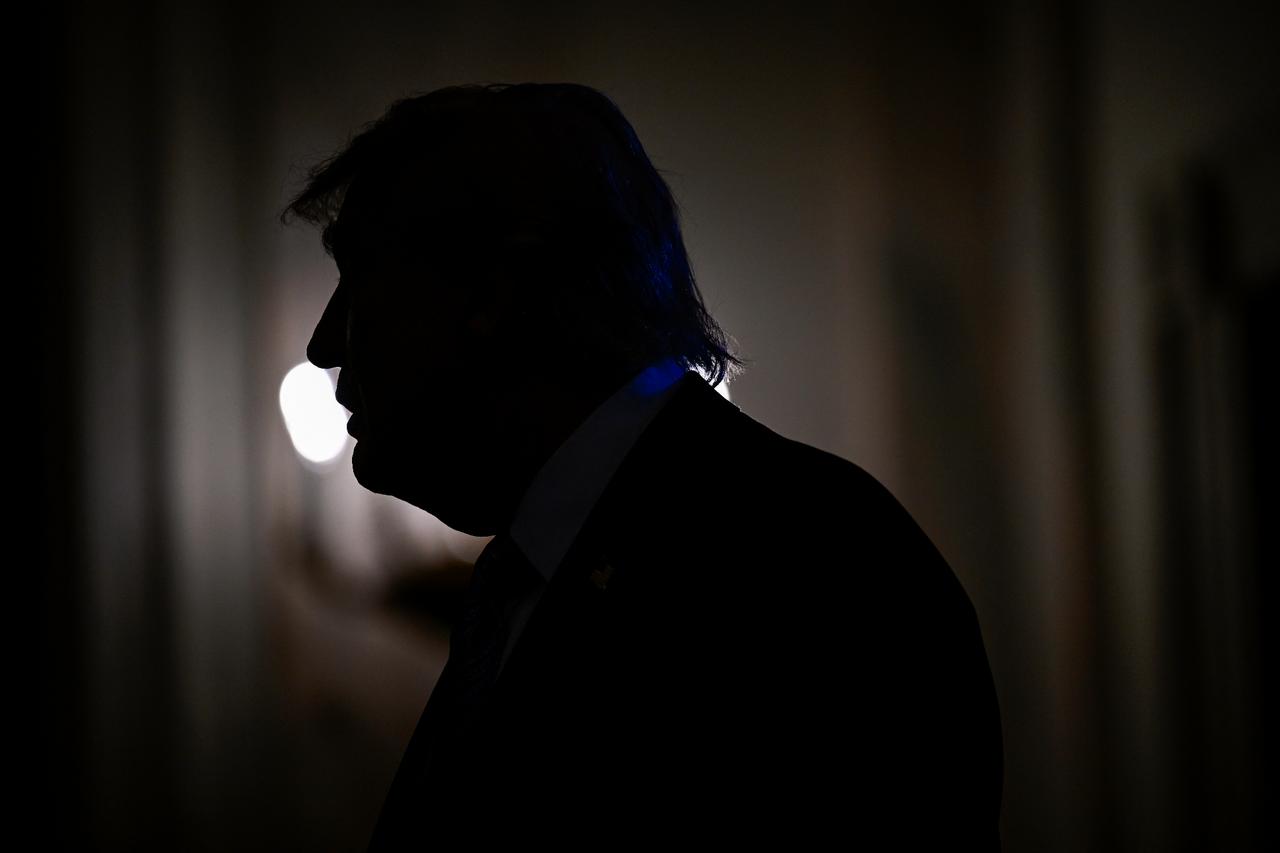


U.S. President Donald Trump stated on Monday that the United States has "already won" the military conflict with Iran while refusing to confirm whether the ceasefire was still in effect.
He projected that hostilities could continue for "another two weeks, maybe three weeks" and declared that "time is not of the essence for us", in a wide-ranging interview with Hugh Hewitt.
"One way or the other, we win. We either make the right deal, or we win very easily from the military standpoint," Trump told Hewitt, adding, "We've already won that."
When pressed directly on whether the ceasefire was over following Iran's strikes on the UAE and the launch of Project Freedom, Trump declined to answer.
"Well, I can't tell you that," he said, adding that "you wouldn't, if I answered that question, you'd say this man is not smart enough to be leading the United States of America."
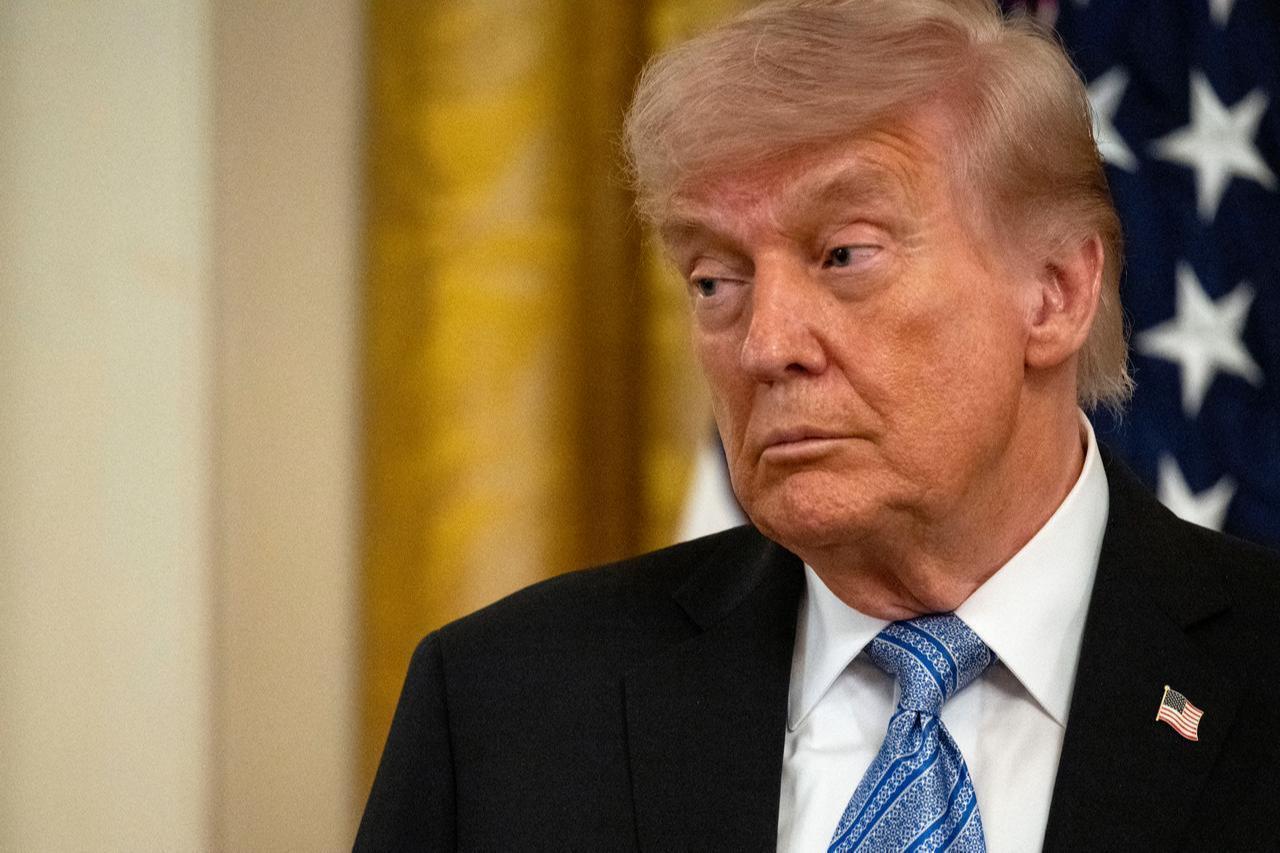

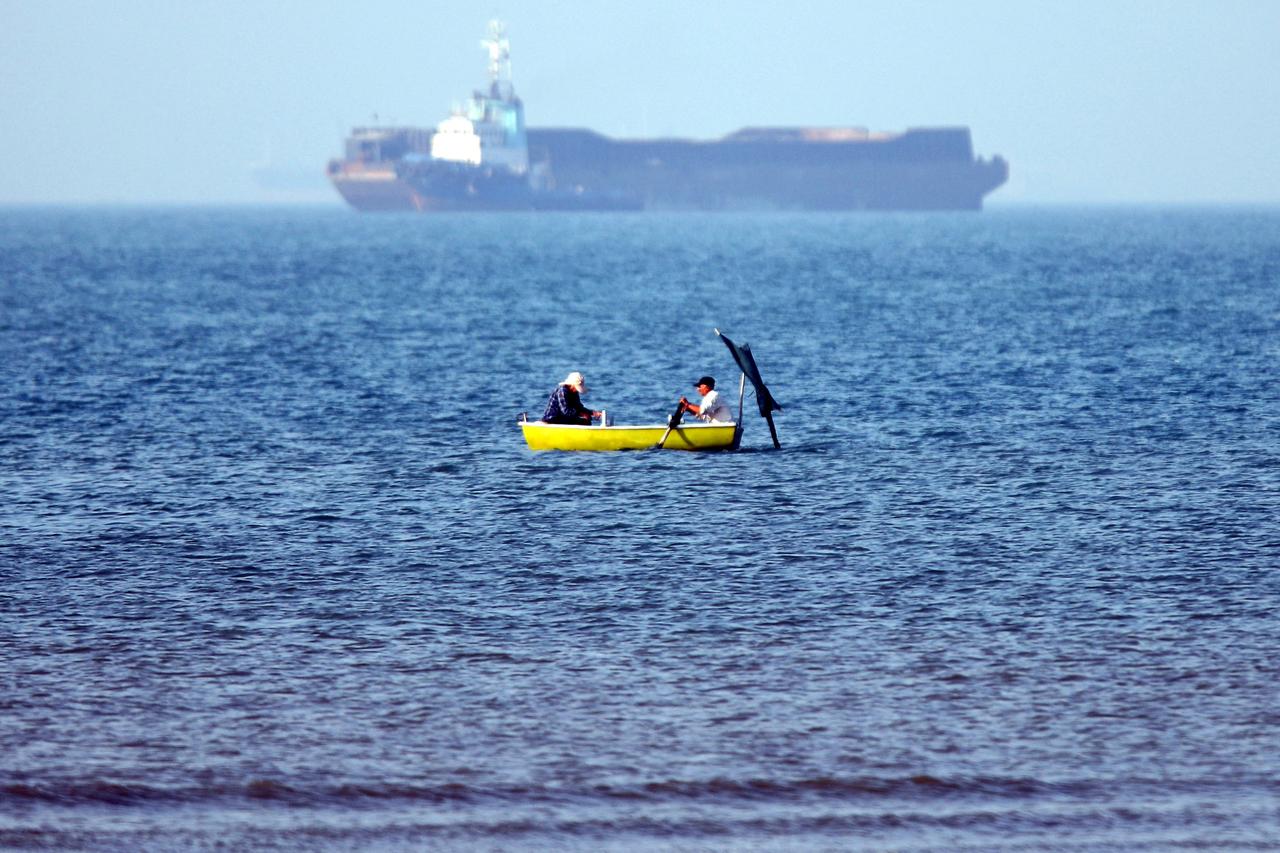
Trump said Iranian forces had been reduced to "small, little, fast ships" with machine guns attached, claiming U.S. forces destroyed eight of them on Monday.
"Everyone that was available got knocked out very quickly and very efficiently," he said, adding that Iran's original fleet of 159 ships had been eliminated.
"They're all at the bottom of the sea," Trump said.
He claimed Iran's leadership structure had similarly been decimated, saying, "We knocked out their first team. We knocked out their second team. And we knocked out half of their third team," Trump said, adding that remaining Iranian leaders "talk a lot differently when they're talking to me than they talk when they're talking to the media or the television set."
Trump confirmed to Hewitt that the return of Iran's stockpile of highly enriched uranium is a non-negotiable condition of any deal, though he downplayed its military utility.
"From a standpoint of value, it's not very valuable. Probably can't be used. They may not be able to get it," he said of the uranium stockpile, adding, "We want it back. We want it back 100%."
Trump also confirmed that Iran must cap its missile program and renounce nuclear weapons as conditions of any agreement, while indicating these were secondary to the core nuclear demand. On proxies such as Hamas, Hezbollah and the Houthis, Trump said Iran's economic destruction meant it could no longer sustain them.
"If we left today, it would take them 20 years to build back their country," he said.
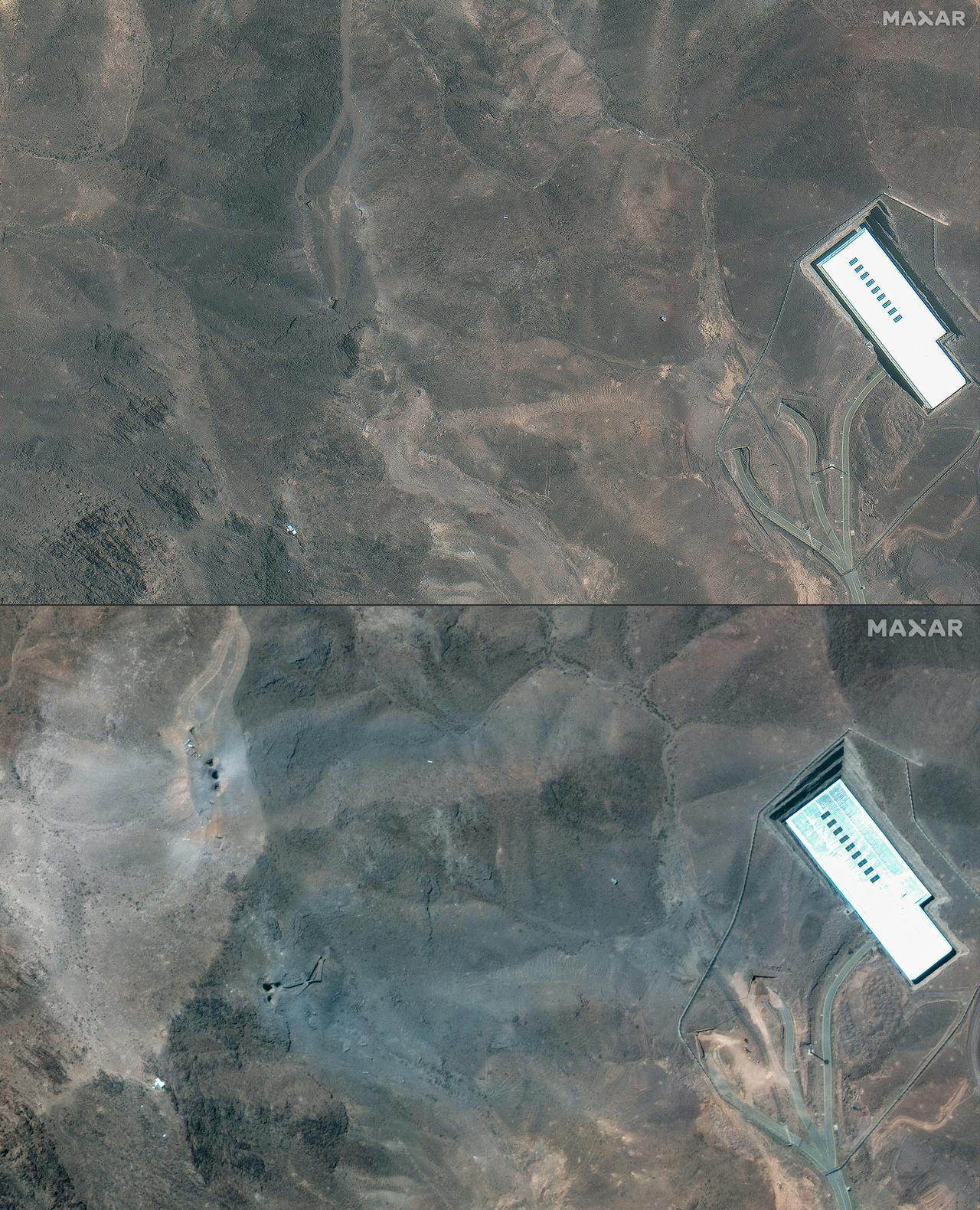
Trump said the U.S. had "purposefully" refrained from targeting Iran's conventional military, describing it as "much more moderate" than the Revolutionary Guards and drawing a comparison to the post-Iraq mistake of dismantling the Iraqi army.
He said the IRGC was likely no longer paying its soldiers. "We don't think they're paying their soldiers and their Guard anymore," he said.
In a remark drawing immediate attention, Trump suggested Cuba could be a future target of U.S. action, saying "perhaps on the way back from Iran, as we finish that one, you'd like to do one after the other."
He said it would be "an honor" to free Cuba, citing obligations to Cuban-Americans who voted for him.
Trump also criticized NATO's response to the Iran conflict, saying the alliance "was not there for us" and warning that if "the big one", an apparent reference to China, came, he did not believe NATO would show up.
He praised Ukrainian President Volodymyr Zelenskyy, saying Ukrainians "fight like nobody's business" against "a very big monster."


 Set as preferred source
 Set as preferred source


 1 min read
 1 min read