Newsletters


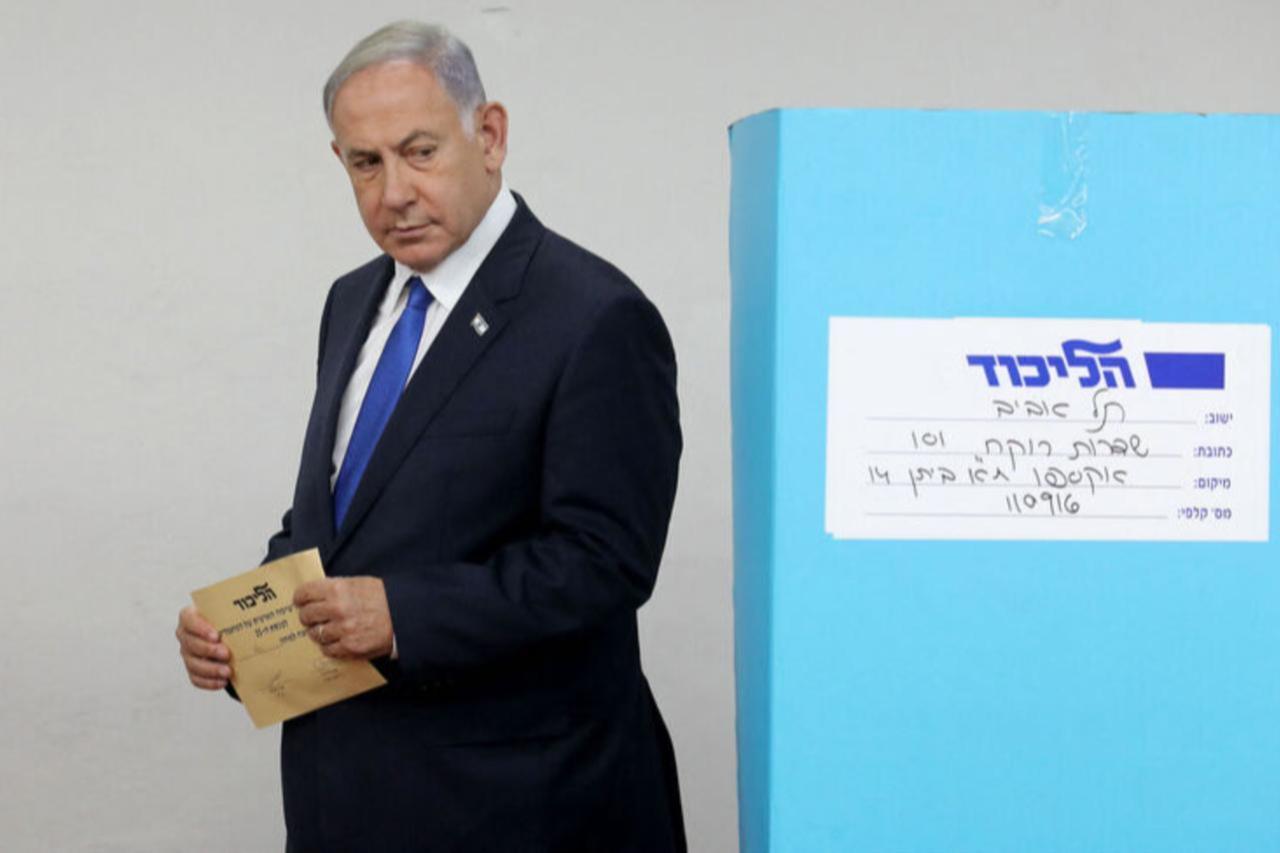


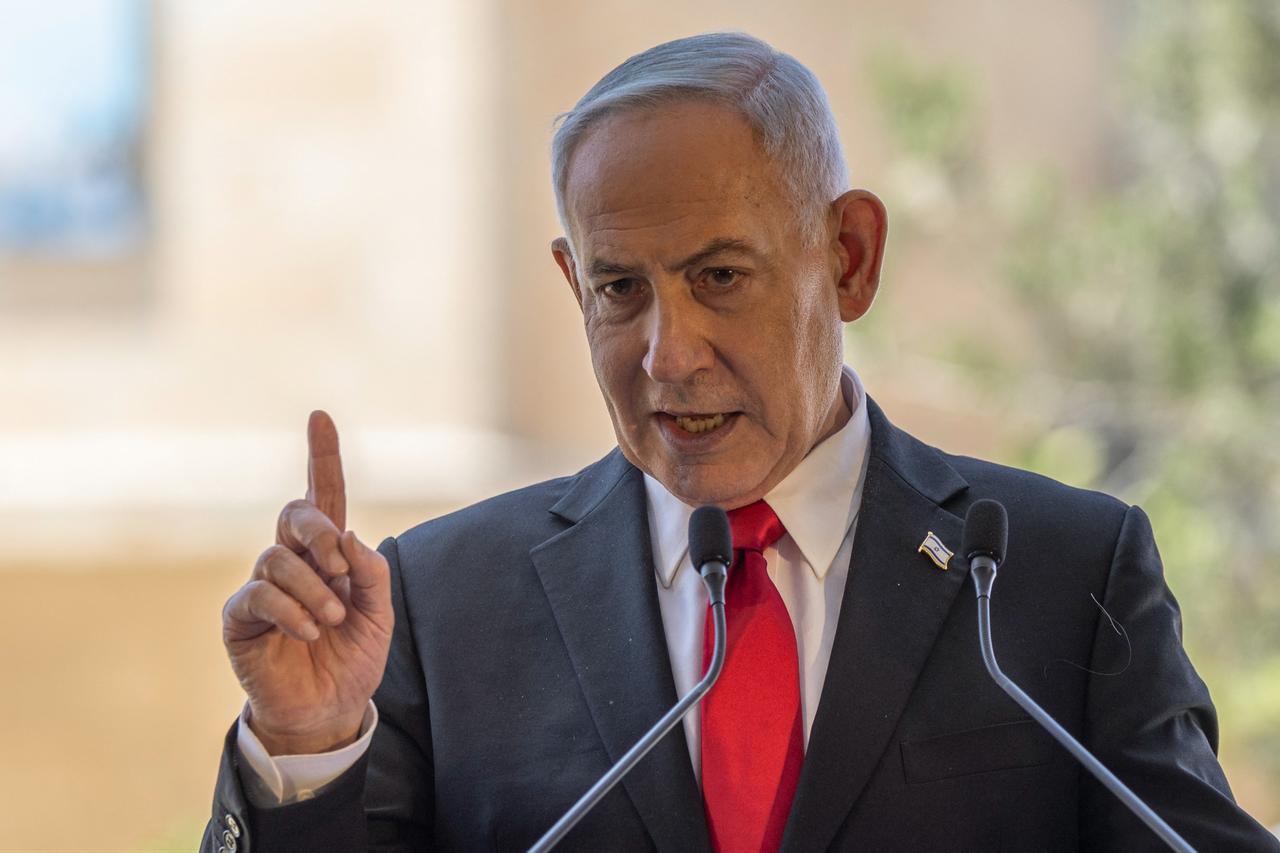
Israel will hold a general election on October 27, parliament announced Sunday, setting the stage for a high-stakes contest in which Prime Minister Benjamin Netanyahu will seek to extend his hold on power against a field of experienced and, in some cases, personally scarred challengers.
The vote comes as Israel remains engaged in its prolonged military campaign in Gaza and navigates deep domestic divisions over the direction of the war, the fate of remaining hostages, and the future of the country's judiciary.


Among the most emotionally resonant figures in the race is Gadi Eisenkot, 66, a former chief of staff of the Israel Defense Forces whose son Gal and two nephews were killed fighting in Gaza.
The son of Moroccan immigrants, Eisenkot has drawn considerable public sympathy, though critics point to his limited political resume.
After serving as military secretary to prime ministers Ehud Barak and Ariel Sharon, Eisenkot entered politics in 2022 alongside centrist Benny Gantz, his predecessor as army chief.
He joined Netanyahu's war cabinet in October 2023 but resigned in June 2024, becoming a sharp critic of the prime minister's wartime leadership.
In 2025, he founded his own party, Yashar, meaning "Straight," which brings together a politically diverse group including the daughter of two former Gaza hostages and the former director of the Shin Bet internal security agency.
His positions on resolving the Israeli-Palestinian conflict have remained deliberately vague.
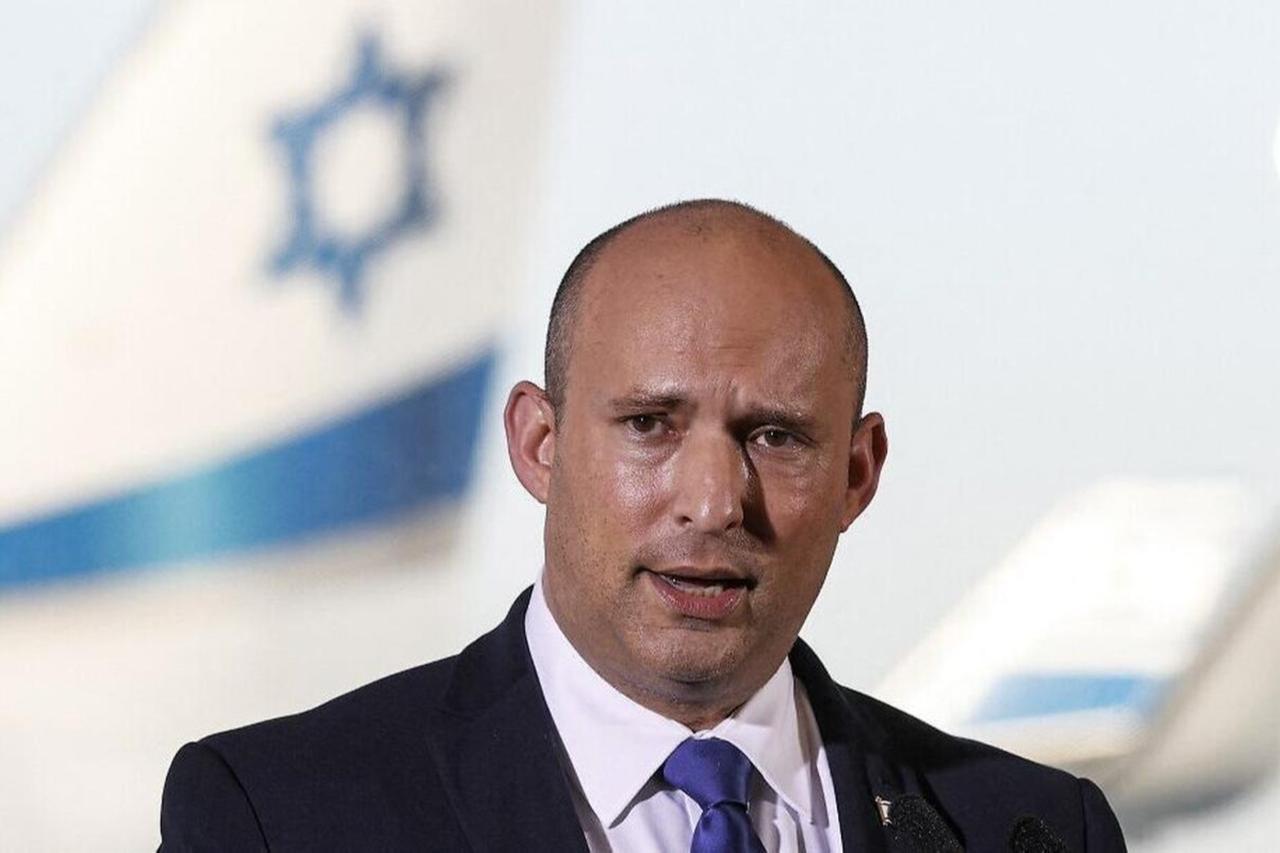
Former Prime Minister Naftali Bennett, 54, is widely regarded in current polling as Netanyahu's most formidable potential challenger.
A former tech entrepreneur and one-time head of the Yesha Council, the main body representing Israeli settlers in the occupied West Bank, Bennett built his career in the national-religious camp before serving as both education and defense minister.
In 2021, he surprised the political establishment by assembling a broad coalition, backed for the first time by an Arab party, that ended Netanyahu's 12 consecutive years in office.
His government lasted only a year, but Bennett returned to public life following October 7, 2023, and is seen by analysts as capable of drawing right-wing voters disillusioned with Netanyahu who are unwilling to shift toward the center or left.
Though firmly opposed to Palestinian statehood and hawkish on security, he is perceived by some as a more pragmatic and less polarizing alternative to the incumbent.
He has formed an electoral alliance with opposition leader Yair Lapid, aiming to consolidate votes across a broad anti-Netanyahu front.
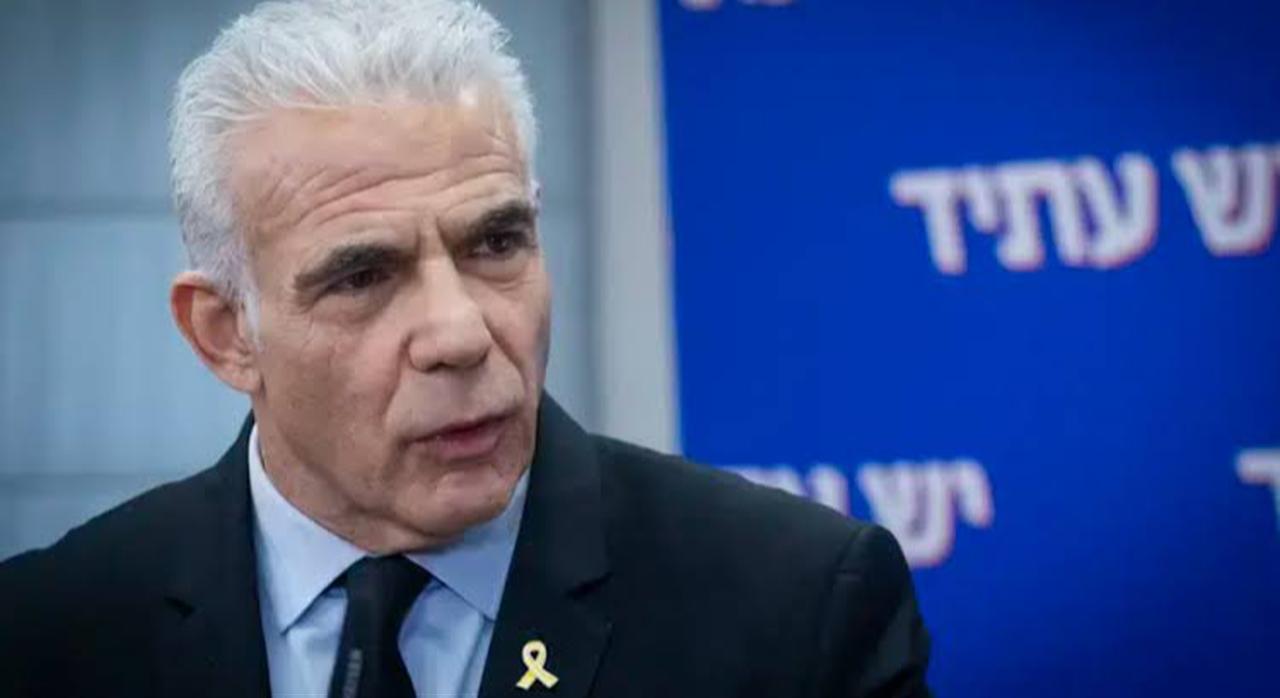
Lapid, 62, is one of the most recognizable faces in Israeli politics. A former star television presenter, he founded the centrist Yesh Atid party in 2012 and has since served as finance minister, foreign minister, and briefly as prime minister in 2022 under a rotation deal with Bennett.
A secular liberal and vocal opponent of Netanyahu, Lapid led major mobilizations against the government's judicial overhaul before October 7 reshaped the national agenda.
Despite his visibility and experience, he has struggled to expand beyond a core base of urban, secular and moderate voters, and few analysts see him as a frontrunner for the top job on his own.
His alliance with Bennett, however, could again position him as a decisive kingmaker.
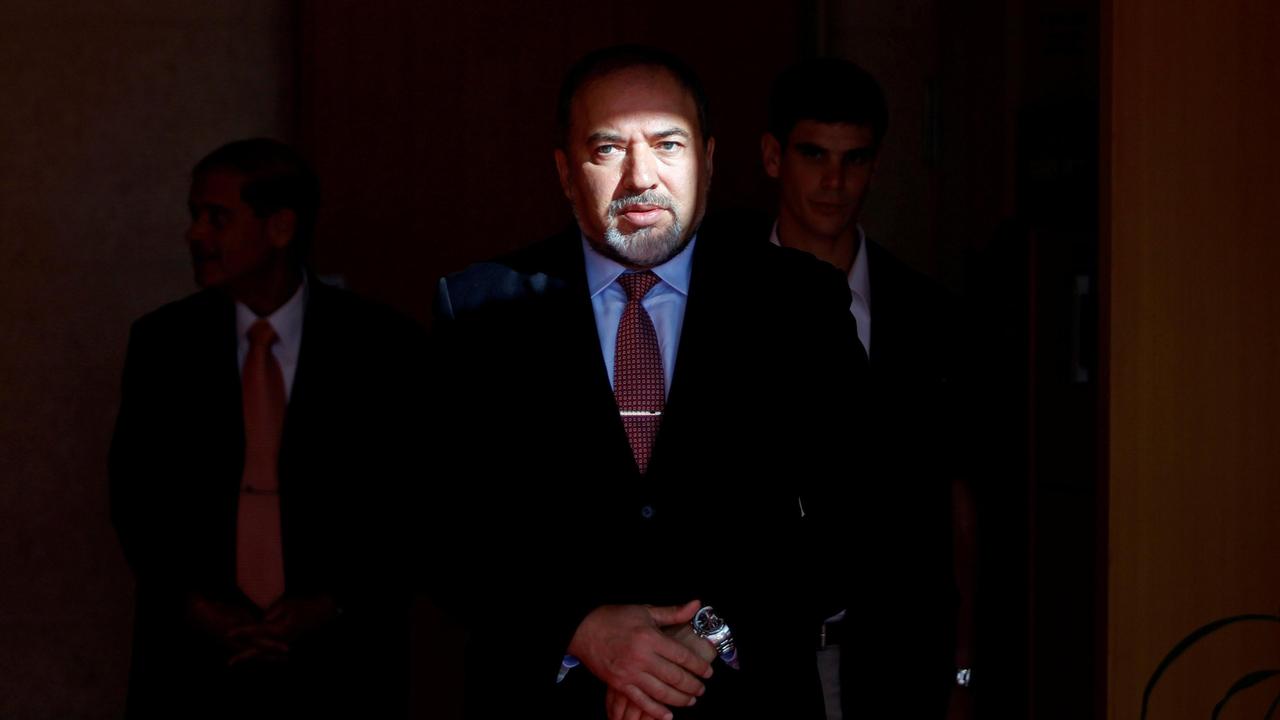
Rounding out the main field is Avigdor Lieberman, 66, a Soviet-born veteran who immigrated to Israel in the late 1970s after growing up in what is now Moldova.
He began his career as Netanyahu's chief of staff and is credited by some observers with playing a significant role in the prime minister's 1996 election victory.
Lieberman later founded the secular nationalist Yisrael Beiteinu party, initially drawing support from Russian-speaking Israelis before broadening his coalition base.
He has held the foreign, defense, and finance portfolios, making him one of a small number of politicians to have led three of Israel's top ministries.
A persistent and sometimes provocative critic of Netanyahu, Lieberman has long campaigned against state privileges for ultra-Orthodox Jews, including their exemption from mandatory military service, a fault line that has grown sharper during the Gaza war.


 Set as preferred source
 Set as preferred source


 1 min read
 1 min read