Newsletters


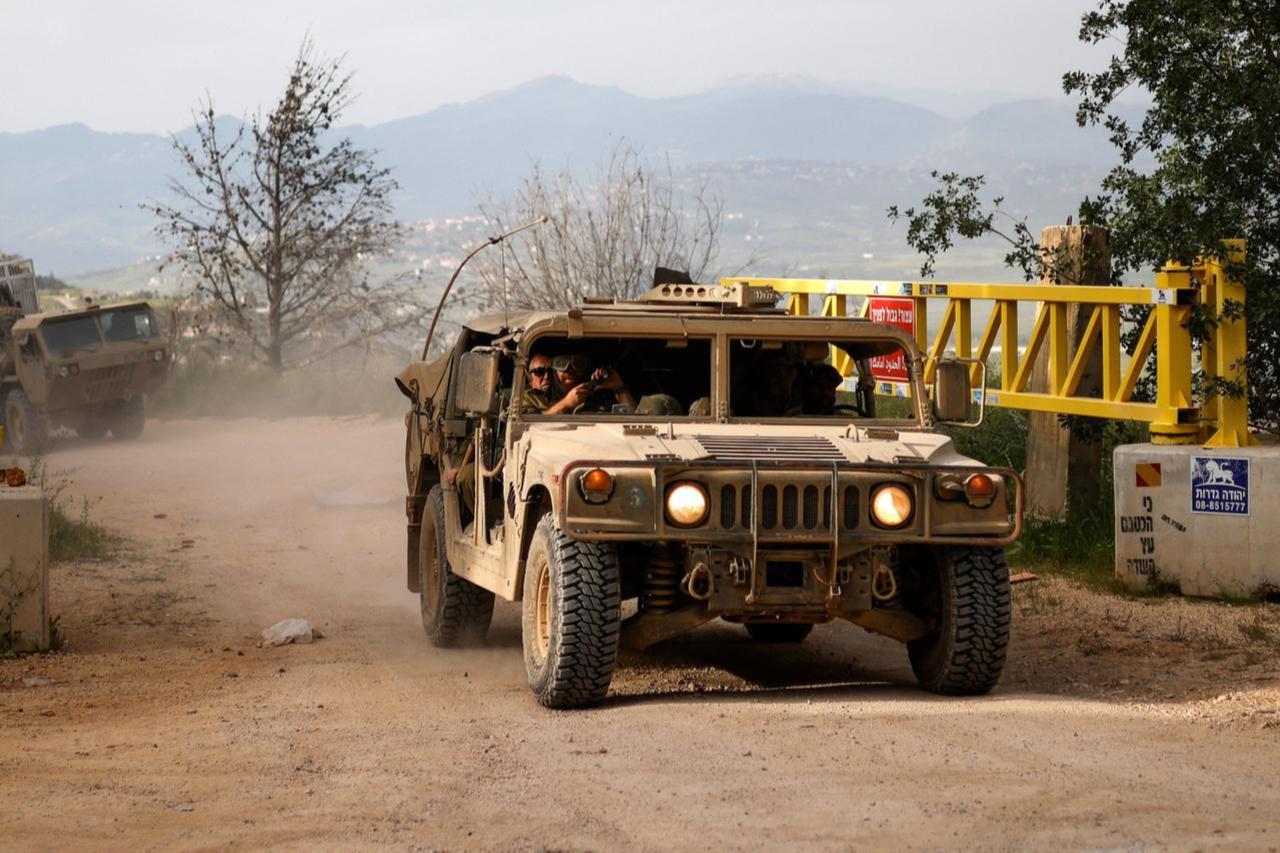


A security deal between Israel and Lebanon risks entrenching a stalemate rather than ending Israel's conflict with Hezbollah, as it ties Israel's withdrawal from southern Lebanon to the Iran-aligned group's disarmament, analysts quoted by Reuters say.
At the center of the deal is a condition few see as workable: Hezbollah has rejected disarmament, and no Lebanese government has the power to enforce it.
With Hezbollah unlikely to disarm, analysts say Israel has the political cover to keep an open-ended military presence in southern Lebanon, which it invaded after Hezbollah fired at Israel on March 2 in solidarity with Tehran over the war in Iran.
The framework leaves the Lebanese state caught between obligations it cannot meet and sovereignty it cannot fully reclaim, analysts say.
The deal also collides with Lebanon's political realities as it asks a fragile sectarian state to confront the country's most powerful armed faction, despite a post-civil war system built on power-sharing rather than coercion.
"This is not an agreement, it is an imposed settlement," said a senior Lebanese politician who declined to be named, quoted by Reuters.
The Lebanese army, he said, was neither structured nor equipped to disarm Hezbollah. Expecting it to do so, he added, ignored the group's entrenched military capacity and the fragile sectarian balance on which Lebanon's stability rests.
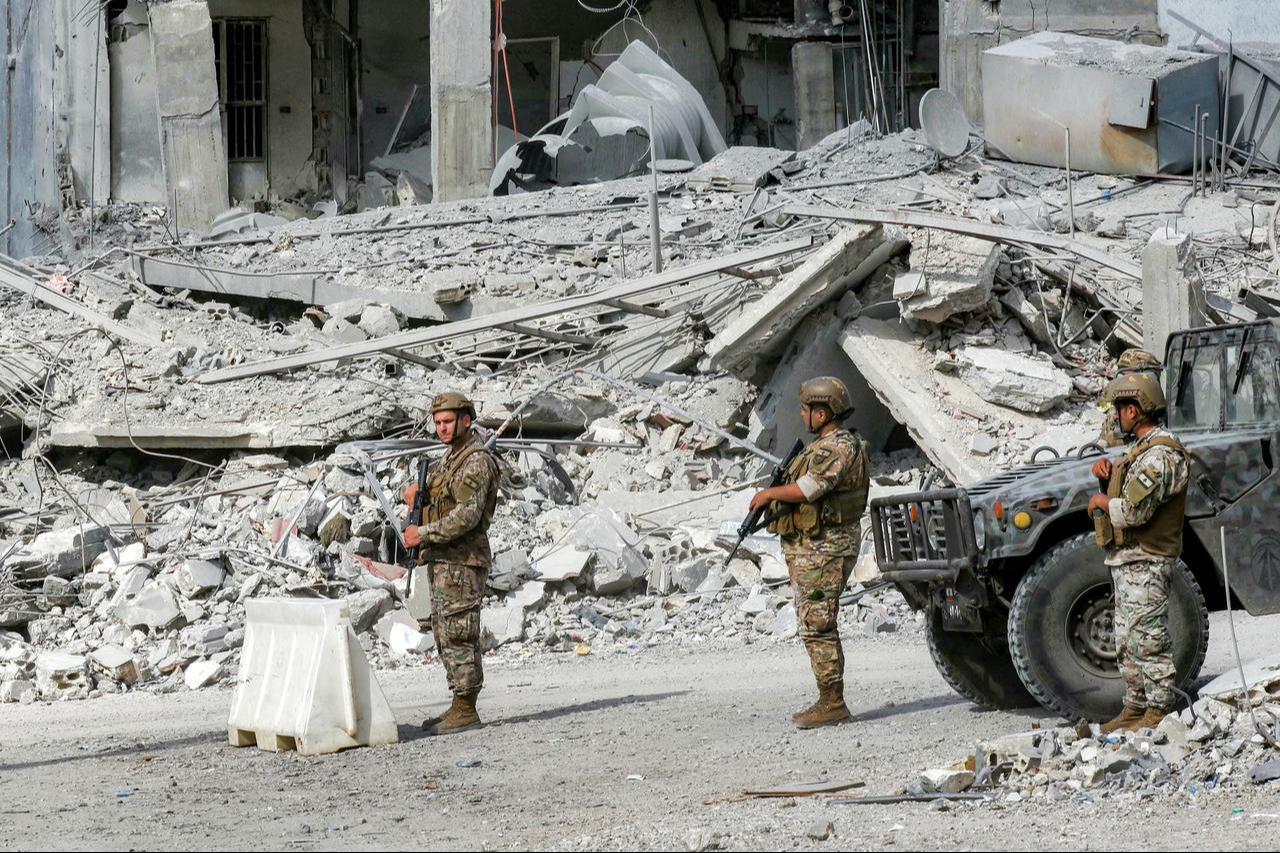

Political analysts say the imbalance is built into the agreement's design, with broad obligations placed on Lebanon but no reciprocal guarantee of Israeli withdrawal.
"This agreement has put all the burden on Lebanon," said Michael Young, a Beirut-based analyst, adding that it "creates a structure that allows the Israelis to remain (in southern Lebanon) indefinitely."
Fawaz Gerges, a Lebanese scholar at the London School of Economics and Political Science, said the deal was "born dead" and structurally flawed because it depends on a condition that is impossible to meet in practice.
Gerges said Israel had already consolidated a buffer zone in southern Lebanon about 8 to 10 kilometers deep, or 5 to 6 miles, while linking any future withdrawal to Hezbollah's disarmament.
The terms of the deal risk making the buffer zone long-term and giving it diplomatic legitimacy, he said, describing it as a political "gift" to Israel.
The conflict in Lebanon has been a central part of diplomacy aimed at ending the wider U.S.-Iran war. Gerges said Washington's deliberate decoupling of the conflicts gave Israel greater freedom of action in Lebanon.
The framework agreement signed in Washington affirms that Israel has no claim to Lebanese territory and makes the Lebanese army's authority in the south contingent on the verified disarmament of non-state armed groups, including Hezbollah.
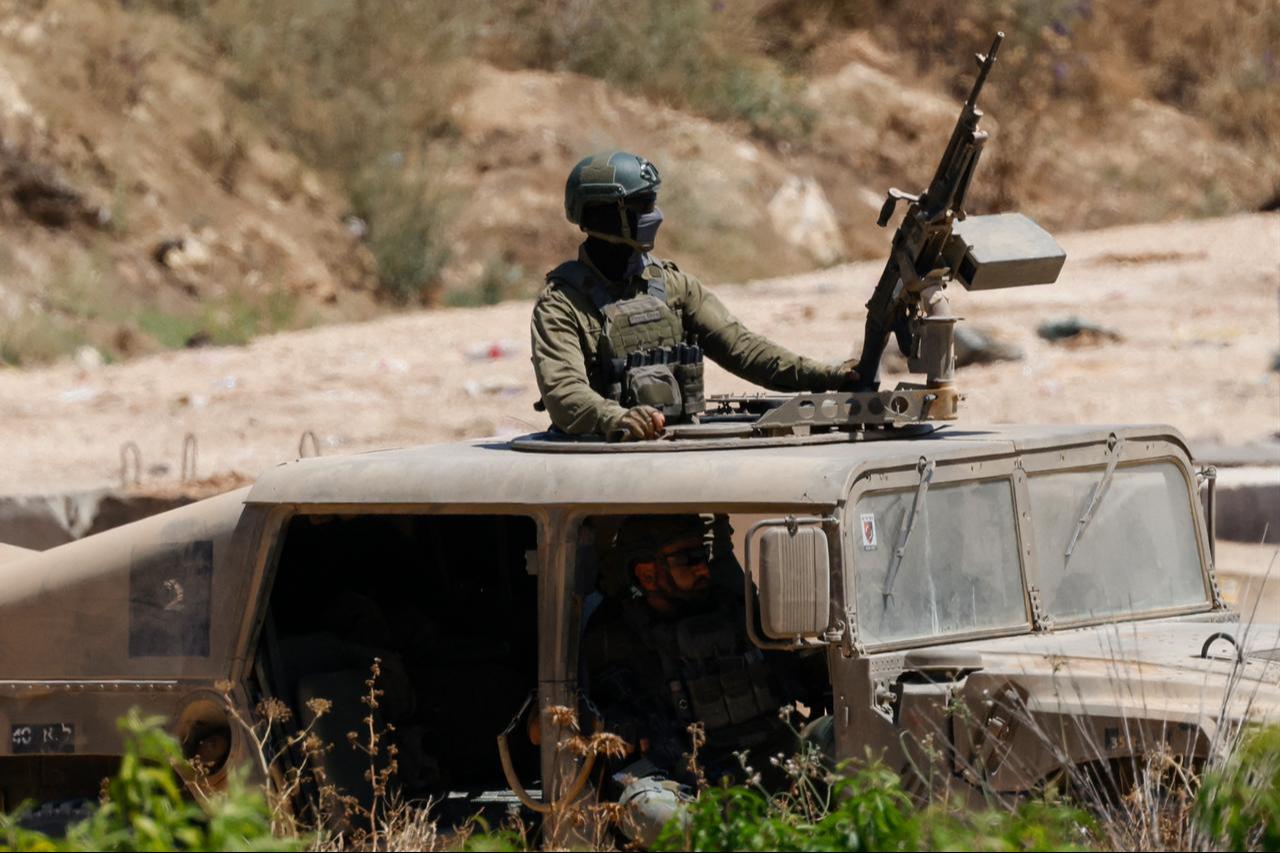
Israeli Prime Minister Benjamin Netanyahu has described the deal as a historic achievement that could lead to broader peace, while Israeli troops remain deployed in a so-called security zone that Israel says is designed to protect its north from potential attack.
Netanyahu stated on Saturday that Israel will maintain control over territory within the security zone until Hezbollah and other militant factions are completely disarmed and no longer pose a threat to the country from Lebanon.
Three senior Israeli officials said Israel has little faith in Lebanon's ability to disarm Hezbollah but sees the deal as a vital diplomatic step toward building peace with Lebanon in the long run.
About 4,000 people have been killed in Lebanon and 1 million displaced during Israel's military campaign against Hezbollah.
Lebanese President Joseph Aoun welcomed the agreement as a first step toward restoring Lebanon's sovereignty, saying it should allow Lebanese people to return to a fully liberated land.
Parliament Speaker Nabih Berri said it amounted to an "agreement of dictates, not one that preserves Lebanon's rights" and said it would not be implemented.
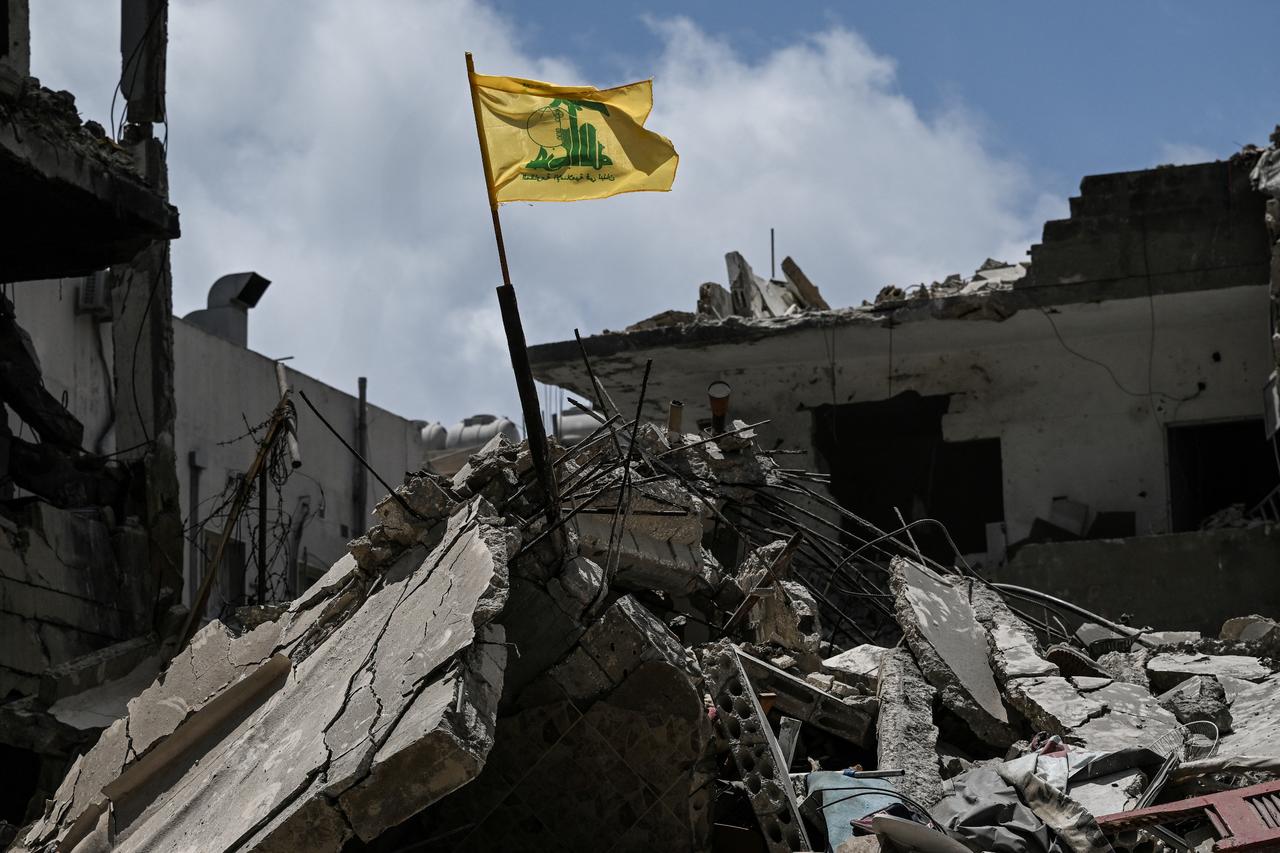
Hezbollah chief Naim Qassem declared the deal "null and void" and a "surrender" and said his group would keep fighting until Israel is forced to leave.
Hezbollah lawmaker Hassan Fadlallah warned of "internal conflict" in Lebanon.
Any attempt to forcibly disarm Hezbollah would risk deepening sectarian tensions.
Young said the deal "won't lead us anywhere except to civil conflict, and maybe an insurrection by the Shi'ite (Muslim) community."
Danny Citrinowicz, a regional analyst and former Israeli military intelligence officer, said Hezbollah's dismantlement was "something that would never happen" and that the deal effectively legitimized an open-ended Israeli military presence.
"Nothing will happen. Israel won't withdraw, and Hezbollah won't dismantle," he said.
Citrinowicz said no Israeli prime minister has the domestic political space to withdraw while Hezbollah remains armed and northern Israeli communities remain displaced.
He said a narrower pact focused on Hezbollah's pullout from south of the Litani River, an expanded Lebanese army deployment and an extension of state authority would have had a better chance of success.
Lebanese political analyst Mohammed Obeid also said the deal was unlikely to be implemented, adding that its provisions were "like explosives" capable of detonating Lebanon's internal stability because they depend on state action to disarm Hezbollah.


 Set as preferred source
 Set as preferred source


 1 min read
 1 min read