Newsletters


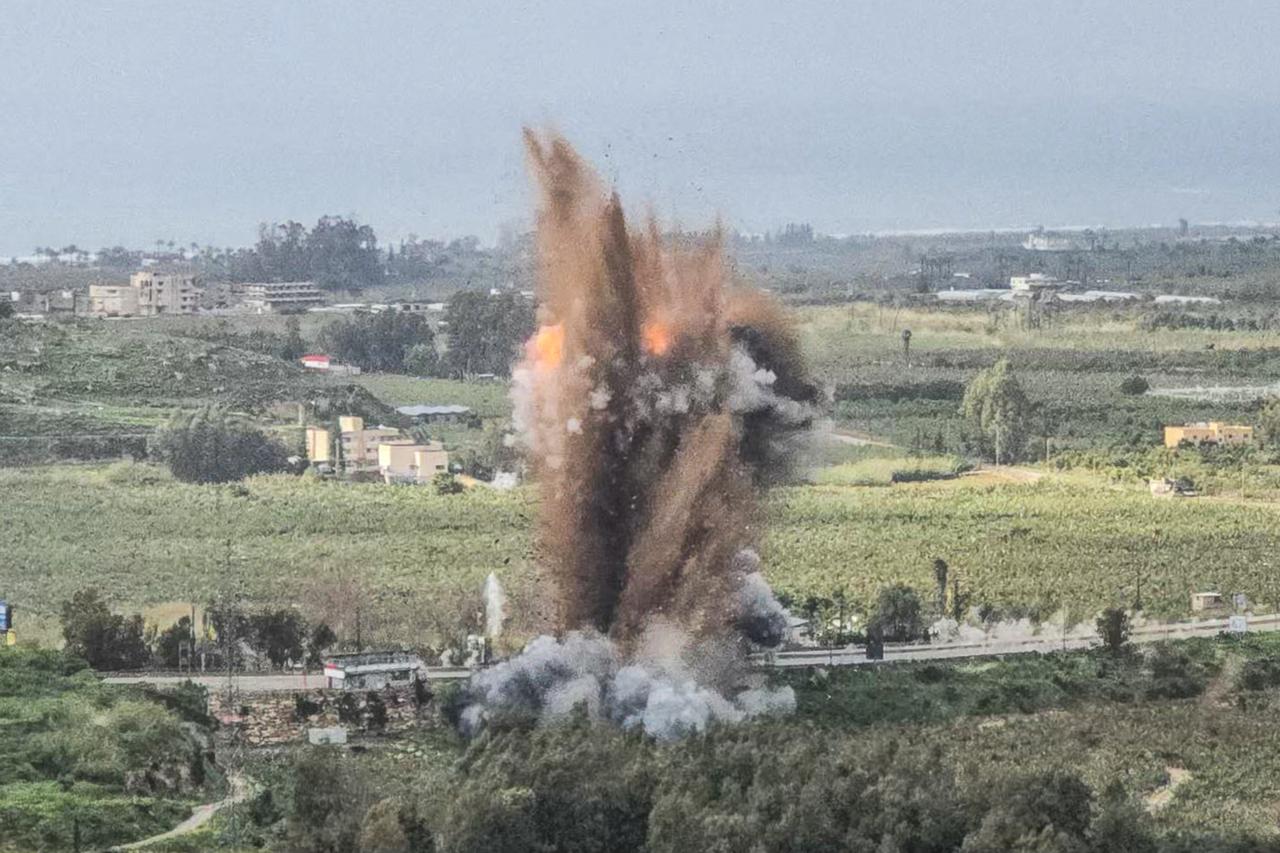


Israel dramatically escalated its military operations in Lebanon on Sunday, ordering the destruction of all bridges spanning the Litani River and warning of a prolonged ground offensive against Hezbollah, as Beirut accused the Israeli military of systematically severing the country's south from the rest of its territory.
Israeli military struck the Qasmiyeh Bridge near the southern city of Tyre multiple times on Sunday, rendering it impassable, according to Lebanon's state-run National News Agency. The NNA reported three initial strikes caused extensive damage before a fourth strike followed.
"The operation against the Hezbollah terrorist organisation has only begun... This is a prolonged operation," Lieutenant General Eyal Zamir said in a statement. "We are now preparing to advance the targeted ground operations and strikes according to an organised plan."
The strikes came as Defence Minister Israel Katz announced that he and Prime Minister Benjamin Netanyahu had instructed the military to "immediately destroy all the bridges over the Litani River that are used for terrorist activity, in order to prevent Hezbollah terrorists and weapons from moving south." Katz also ordered the military to accelerate the demolition of Lebanese homes in frontline border villages.
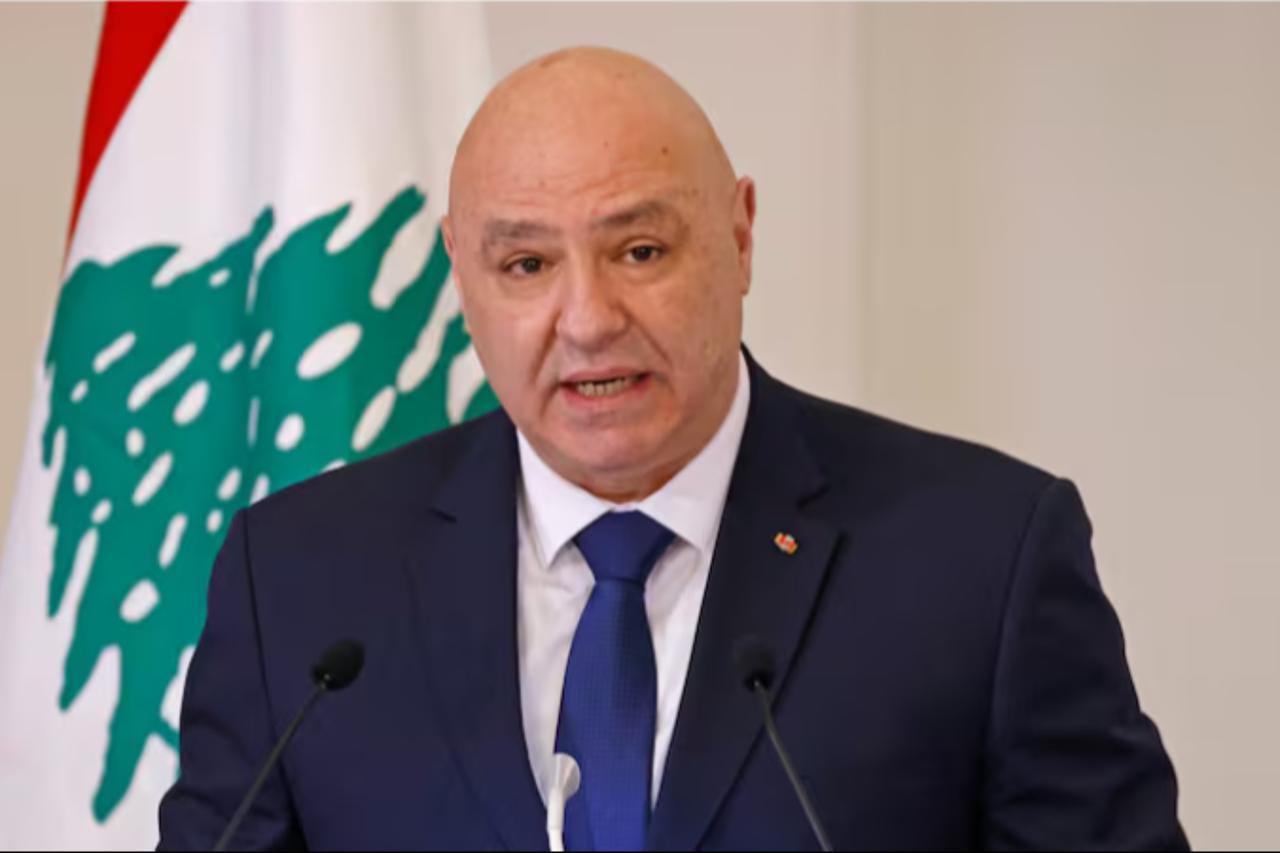

Lebanese President Joseph Aoun responded sharply, condemning Israel's targeting of the Qasmiyeh Bridge and other crossings as a dangerous escalation that amounts to a flagrant violation of sovereignty. The attacks, he warned, "are considered a prelude to a ground invasion."
Aoun said the systematic destruction of bridges over the Litani, which flows roughly 30 kilometres north of the Israeli border, represents "an attempt to sever the geographical link between the area south of the Litani and the rest of Lebanon's territory."
The Litani River has long served as a strategic geographic boundary in the Israeli-Lebanese conflict. It featured prominently in UN Security Council Resolution 1701, passed after the 2006 war, which called for the area between the river and the border to be free of armed groups other than the Lebanese military and UN peacekeepers. Israel carried out Operation Litani in 1978 with a similar aim of pushing Palestinian armed groups north of the river.
Sunday's strikes were not the first against river crossings in the current conflict. Earlier this week, Israel attacked two other bridges spanning the Litani, also alleging they were being used by Hezbollah to transport fighters and weapons.
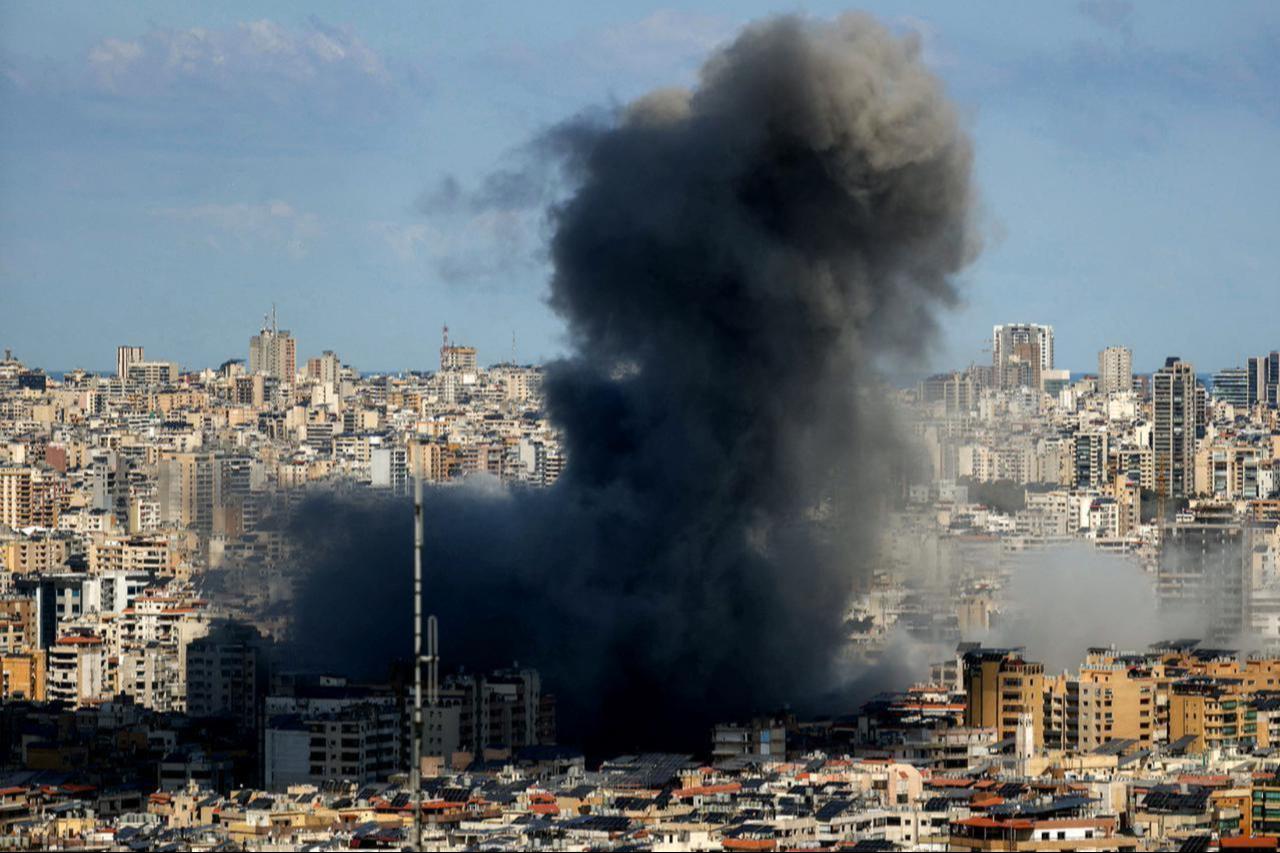
On the ground, fighting between Israel and Hezbollah intensified in multiple areas. The NNA reported Israeli military were demolishing houses in the border town of Taybeh, while Hezbollah claimed repeated attacks on Israeli soldiers and vehicles in or near Taybeh and the strategic town of Khiam. The group also said its fighters clashed with Israeli military in the coastal town of Naqura on Saturday, the same area where the NNA reported Israeli incursions and heavy bombardment on Sunday.
The Israeli military said it had launched "a wide wave of strikes" against Hezbollah infrastructure in southern Lebanon and reported killing a fighter it identified as the commander of Hezbollah's Radwan Force special operations unit on Saturday. The Radwan Force is considered Hezbollah's elite commando unit, trained for cross-border infiltration operations.
Hezbollah also claimed attacks on targets inside northern Israel, including an air defence system in Maalot-Tarshiha, where Israeli public broadcaster Kan 11 reported three people were lightly wounded. The NNA reported at least one strike on the Bekaa Valley in eastern Lebanon.
The human toll continued to climb. Lebanon's health ministry reported four people killed on Sunday in two strikes in the south, while authorities have recorded 1,029 dead in three weeks of fighting and more than one million people displaced.
On the Israeli side, two soldiers have been killed in southern Lebanon since the ground campaign began. A civilian was initially reported killed by rocket fire from Lebanon earlier Sunday, but the Israeli military later said it was investigating whether the death may have resulted from fire originating from its own military.
Lebanon was drawn back into open conflict on March 2, when Hezbollah launched rockets into Israel for the first time since a US-brokered ceasefire took effect in Nov. 2024. The group said its strikes were in retaliation for the assassination of Iran's Supreme Leader Ayatollah Ali Khamenei in a joint Israeli-US operation on February 28. Israel responded with a sweeping air and ground campaign, issuing evacuation orders across swathes of southern Lebanon and stating its intention to create a buffer zone to protect northern Israeli communities.
The order to destroy bridges and accelerate home demolitions drew immediate comparisons to Israeli tactics in Gaza, where the military created buffer zones by razing buildings near the border in areas including Rafah and Beit Hanoun. Defence Minister Katz himself invoked that model in describing the approach being applied in Lebanon.
International law generally prohibits the targeting of civilian infrastructure, and the UN human rights chief has already criticised Israel's actions in Lebanon, particularly its use of widespread evacuation orders.
France, which maintains historic ties to Lebanon dating to the post-World War I mandate period, has also expressed concern. French Foreign Minister Jean-Noel Barrot met his Israeli counterpart in Jerusalem on Friday, where he voiced reservations about a ground operation of "significant scale and duration" and urged both sides to pursue a diplomatic solution.
Israel has warned residents across southern Lebanon to evacuate and has signalled it intends to maintain military pressure until Hezbollah can no longer threaten communities in northern Israel, a goal that military officials have acknowledged could take considerable time.


 Set as preferred source
 Set as preferred source


 1 min read
 1 min read