Newsletters


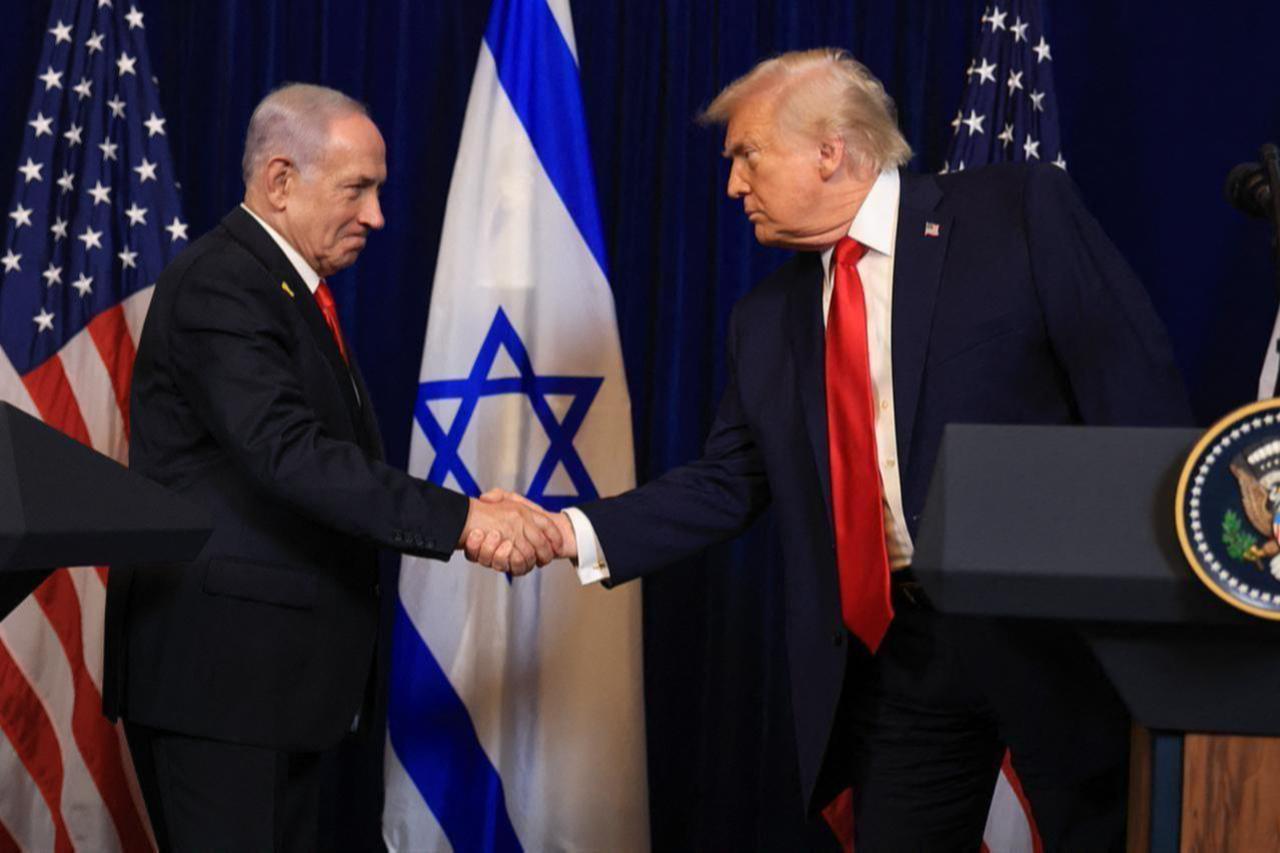


Israeli Prime Minister Benjamin Netanyahu has instructed the country's emergency services and Home Front Command to prepare for war, as Israeli officials increasingly operate under the assumption that a US military strike on Iran may be imminent, according to multiple Israeli media reports.
Netanyahu issued directives to rescue agencies and the Home Front Command, the military body responsible for civilian protection, to gear up for potential conflict scenarios, the daily Yedioth Ahronoth reported Wednesday evening. A state of maximum alert has been declared across Israeli security agencies, the newspaper said, with the defense establishment on edge as Washington weighs military options against Tehran.
The preparations mark a significant escalation in Israel's posture amid a deepening crisis over Iran's nuclear program, and come just hours after a second round of US-Iran nuclear talks in Geneva concluded without a breakthrough.
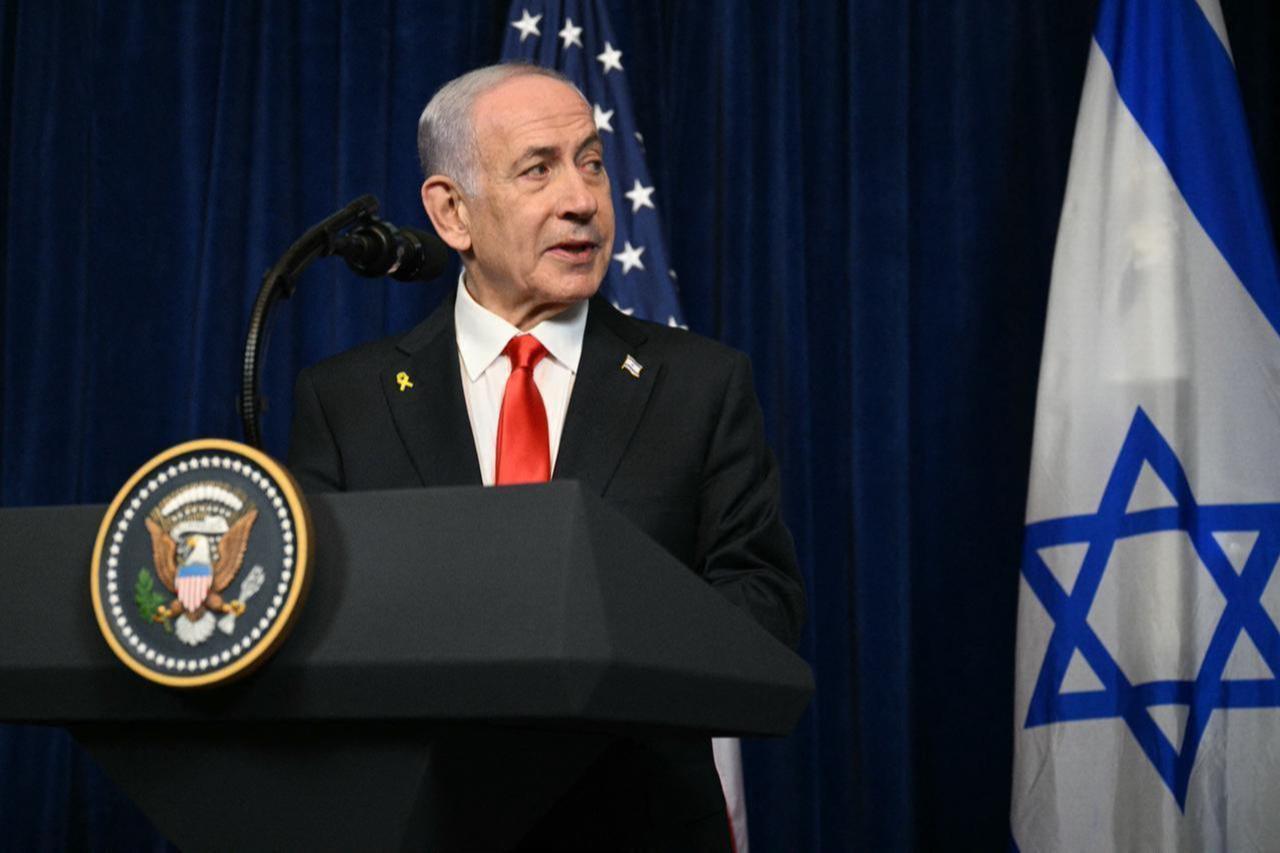

Israeli officials are preparing not only for a direct confrontation but for a wider regional war involving Iranian proxies, according to CNN, which cited two Israeli officials. Israel has raised its alert level and accelerated both operational and defensive planning due to what the officials described as growing indications of a possible joint US-Israeli strike on Iran in the coming days.
One military source told CNN that a potential attack, if approved by President Donald Trump, could exceed the scope of last year's 12-day conflict, involving coordinated strikes targeting Iran's ballistic missiles and possibly elements of the regime itself. The June 2025 war, codenamed Operation Midnight Hammer by the US, saw American B-2 stealth bombers strike three Iranian nuclear facilities at Fordow, Natanz and Isfahan, killing more than 1,000 Iranians and severely damaging Tehran's nuclear capabilities.
Israeli planning now anticipates involvement from Iran's network of regional allies. The Houthis in Yemen are expected to launch missiles and drones at Israel, and there is concern that Hezbollah in Lebanon could also intervene, unlike its limited role during the previous escalation. The security cabinet meeting originally scheduled for Thursday to discuss developments related to Iran has been postponed to Sunday, reportedly to prevent any Iranian miscalculation that could escalate the situation prematurely.
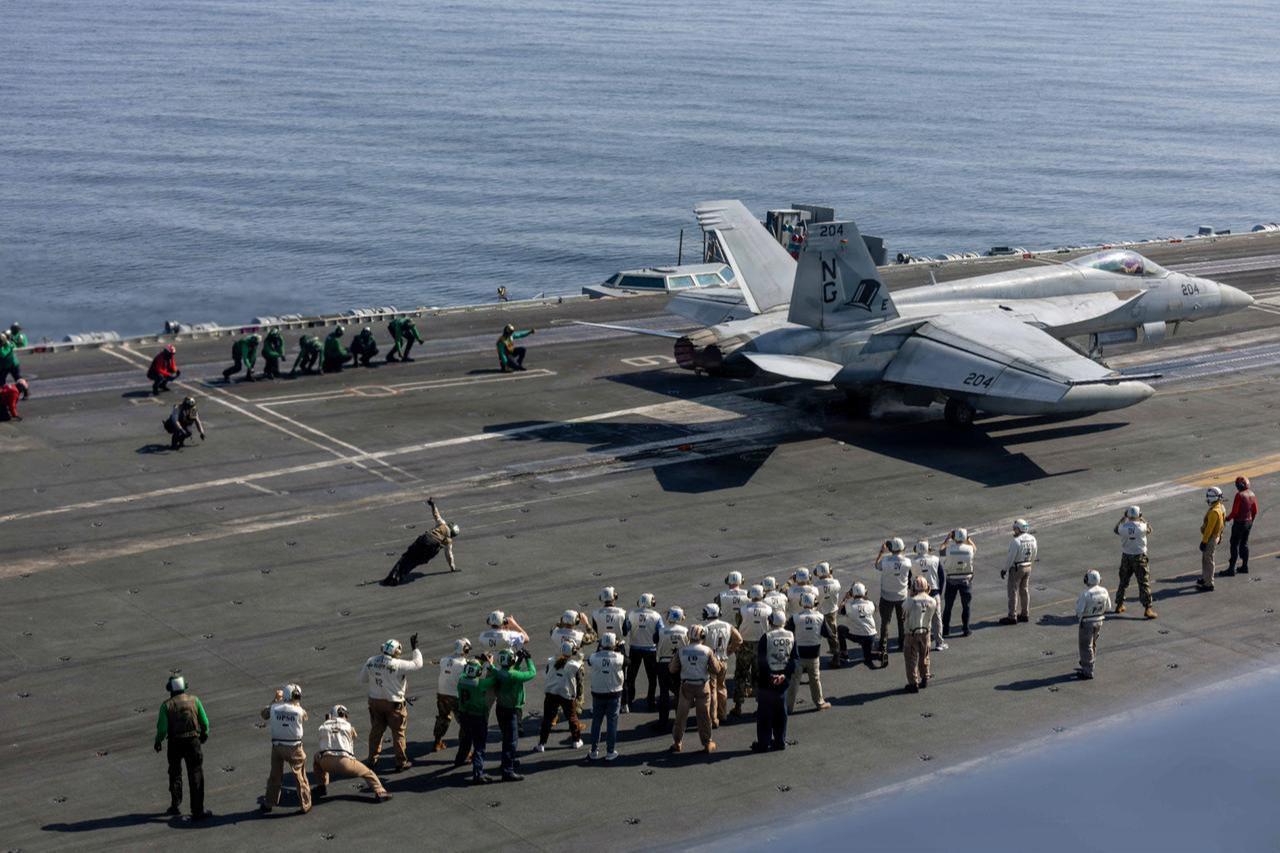
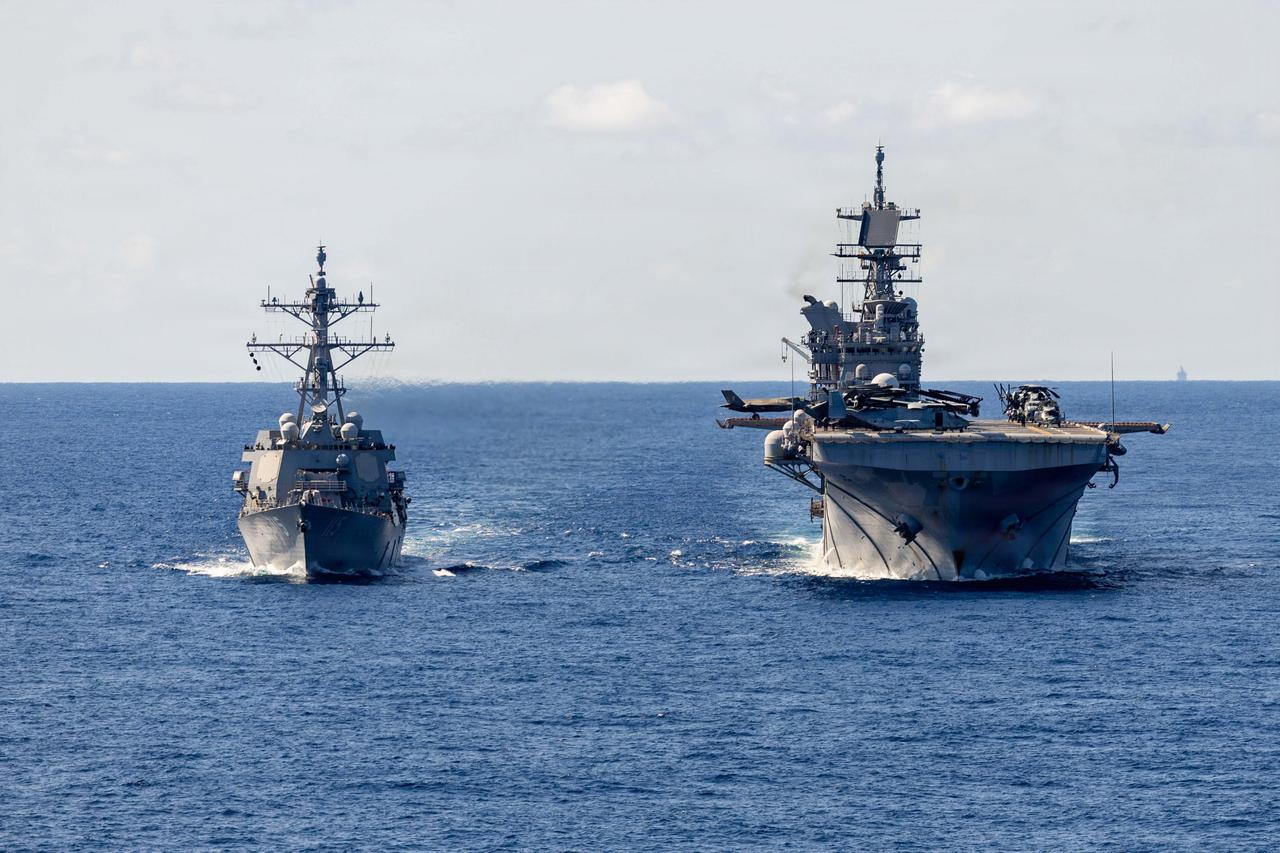
The Israeli preparations unfold against the backdrop of what military analysts describe as the largest American military buildup in the Middle East since Operation Midnight Hammer. The USS Gerald R. Ford aircraft carrier was dispatched to the region in mid-February, joining the USS Abraham Lincoln carrier strike group already positioned in the northern Arabian Sea. More than 50 F-35, F-22 and F-16 fighter jets have moved toward the Middle East in recent days, accompanied by aerial refueling tankers, reconnaissance aircraft and additional missile defense systems including THAAD and Patriot batteries.
Flight tracking data captured on February 17 showed at least a dozen F-22 Raptors departing Langley Air Force Base in Virginia, heading east toward RAF Lakenheath in the United Kingdom, a key transit hub for aircraft moving to the Middle East. The last time F-22s from Langley were spotted making a similar transit was in the days immediately before Operation Midnight Hammer. US officials have described preparations for a potentially prolonged, multi-week campaign if diplomacy fails.
Justin Kramp, CEO of risk intelligence firm Sibylin, told the BBC that the current US preparations are "deeper and more sustained" than those preceding both the Venezuela operation and last June's strikes on Iran, with the force configuration enabling approximately 800 sorties per day.
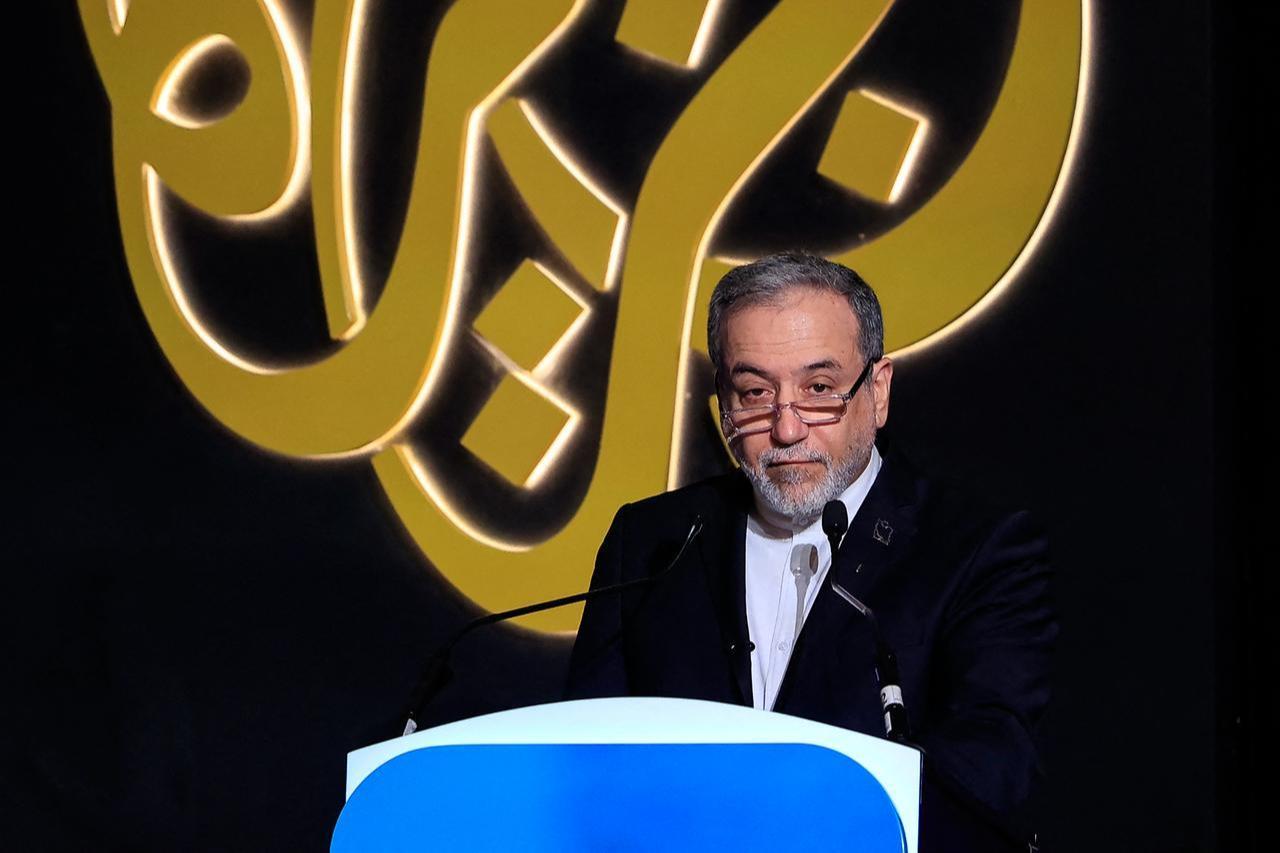
The military preparations coincide with fragile diplomatic efforts. A second round of indirect US-Iran nuclear talks, mediated by Oman, concluded in Geneva on Tuesday. Iran's Foreign Minister Abbas Araghchi said the two sides had reached a general understanding on guiding principles for a potential agreement but cautioned that a deal would not come quickly. A US official described the talks as having made progress but said significant gaps remain, particularly on uranium enrichment and ballistic missiles.
Iran has pledged to return in two weeks with detailed proposals to address the remaining differences. However, US Vice President JD Vance said after the talks that Iran "is not ready yet to recognize Trump's red lines," and Israeli officials have remained pessimistic about the outcome of negotiations.
Trump has kept the threat of military action front and center, warning that if Iran does not agree to a deal, "the next attack will be far worse" than last June's strikes. He has also suggested that regime change in Tehran may be the best outcome, a comment that drew a sharp response from Supreme Leader Ayatollah Ali Khamenei, who told supporters on Tuesday that US attempts to topple his government would fail. Addressing the military buildup directly, Khamenei warned that Iran possesses weapons capable of sinking US warships.
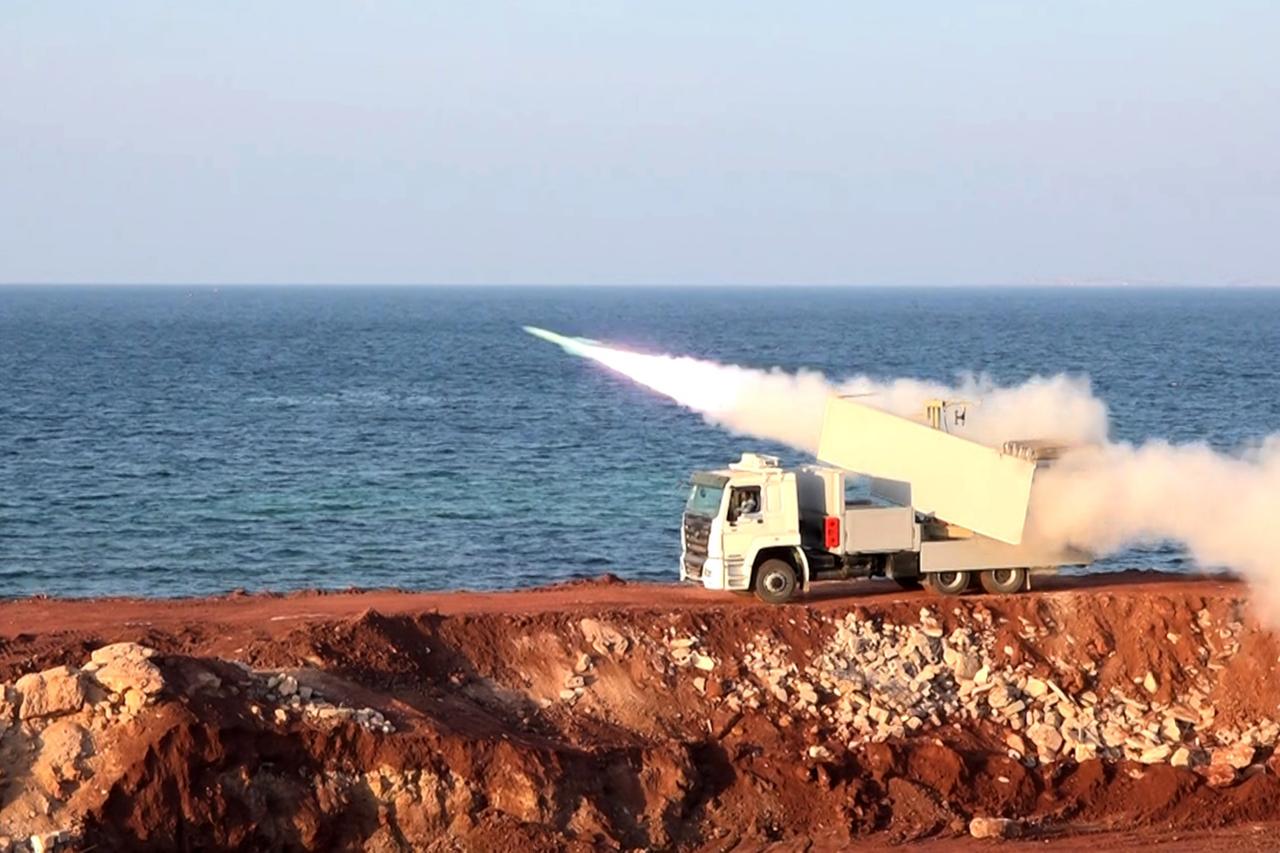
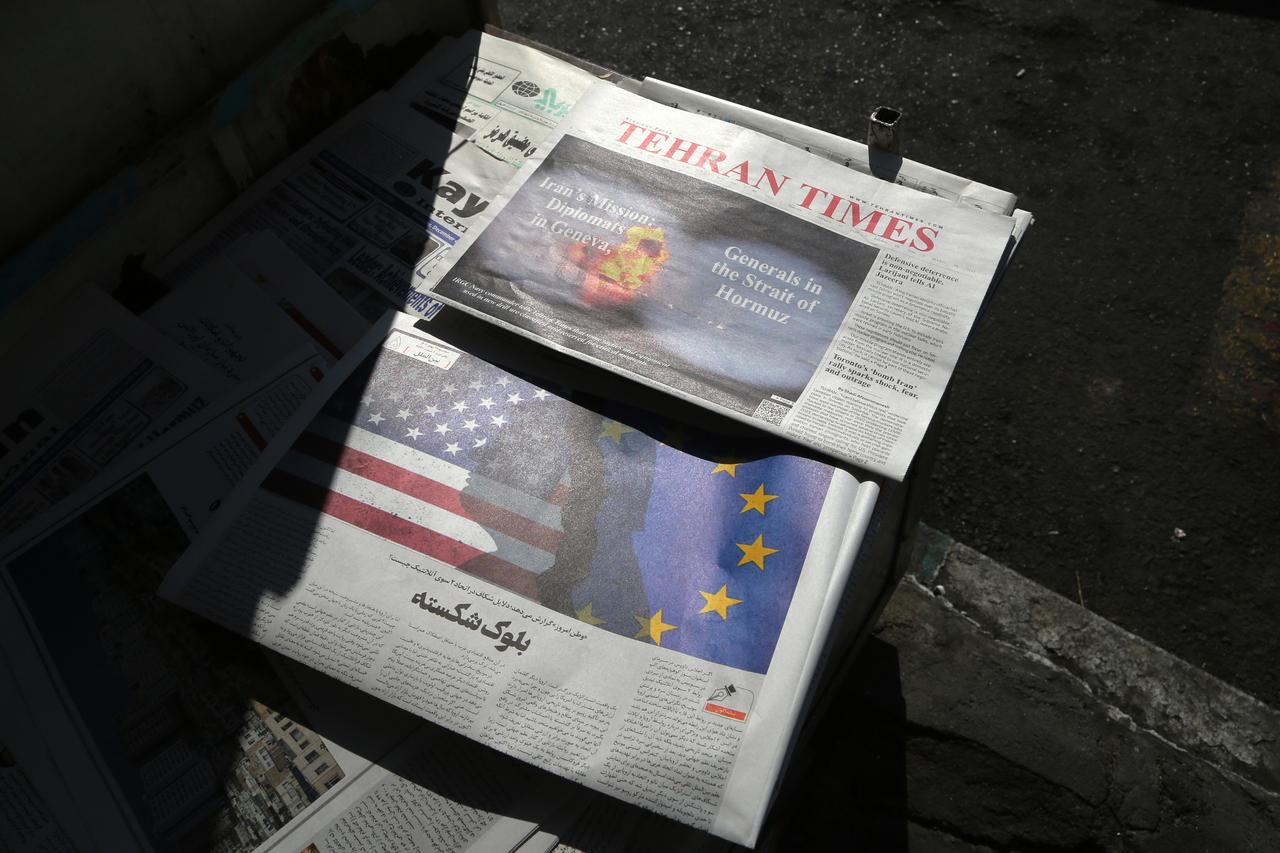
Tehran has matched Washington's military posturing with its own shows of force. The Islamic Revolutionary Guard Corps shut down parts of the Strait of Hormuz on Tuesday for live-fire exercises just as the Geneva talks were beginning, the first such closure since Trump threatened military action in January. The drills, dubbed "Smart Control of the Strait of Hormuz," included anti-ship cruise missile firings and operations involving armed drones, naval vessels and submarines.
The strait is one of the world's most critical maritime chokepoints, carrying roughly a fifth of global oil flows. Tehran has repeatedly threatened to close it permanently in retaliation for any attack, a move that would send crude prices sharply higher and disrupt international energy markets.
No official confirmation of an imminent strike has been issued by the White House or the Pentagon. Trump has emphasized a preference for a negotiated deal while keeping "all options on the table." But as American airpower continues to converge on the region and Israel braces its civilian defenses, the window for diplomacy appears to be narrowing rapidly.


 Set as preferred source
 Set as preferred source


 2 min read
 1 min read