Newsletters




The Trump administration is closer to a major war with Iran than most Americans realize, with one presidential adviser telling Axios there is a "90% chance we see kinetic action in the next few weeks."
"The boss is getting fed up. Some people around him warn him against going to war with Iran, but I think there is 90% chance we see kinetic action in the next few weeks," the adviser said.
A U.S. military operation against Iran would likely be a massive, weekslong campaign that would resemble full-fledged war rather than last month's pinpoint operation in Venezuela, sources told Axios on Wednesday.
The sources said it would likely be a joint U.S.-Israeli campaign much broader in scope and more existential for the Iranian regime than the Israeli-led 12-day war last June, which the U.S. eventually joined to destroy Iran's underground nuclear facilities.
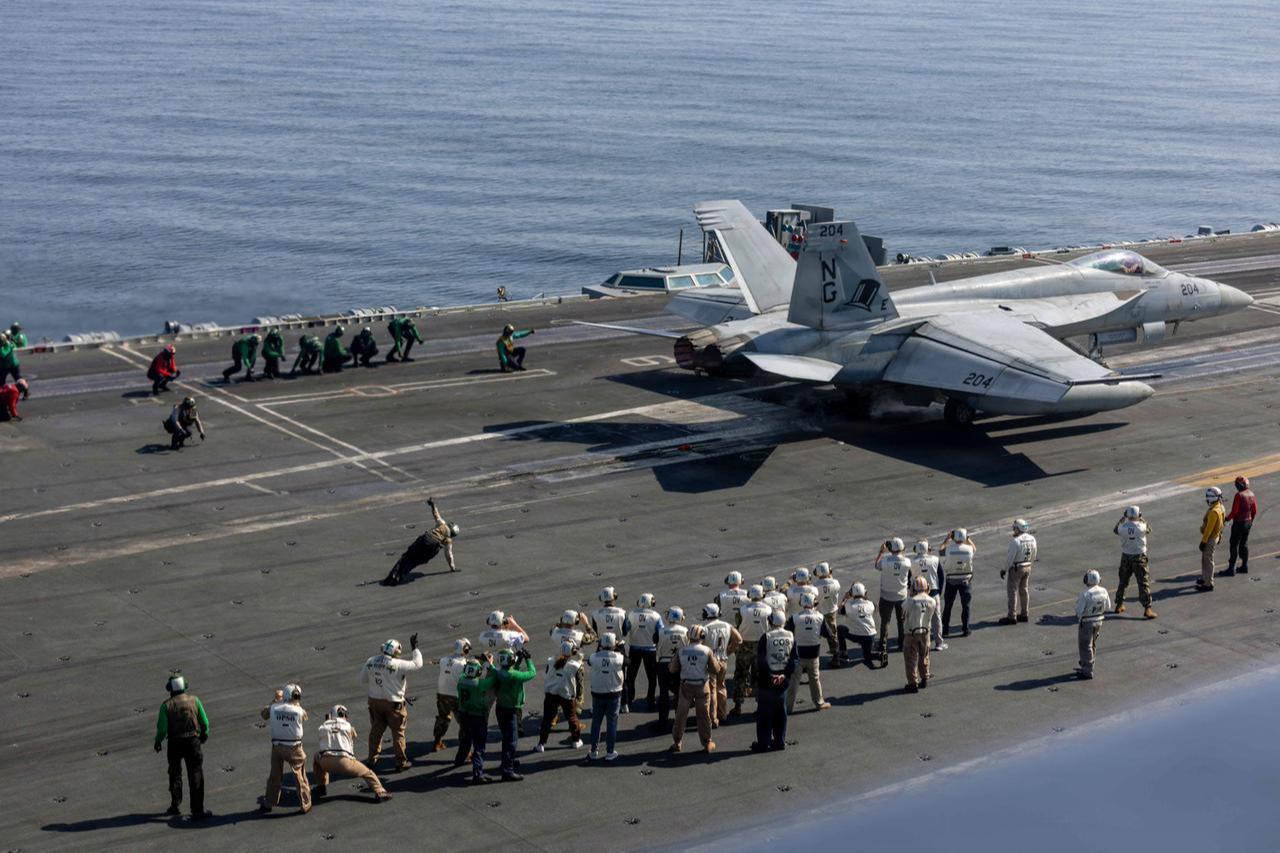

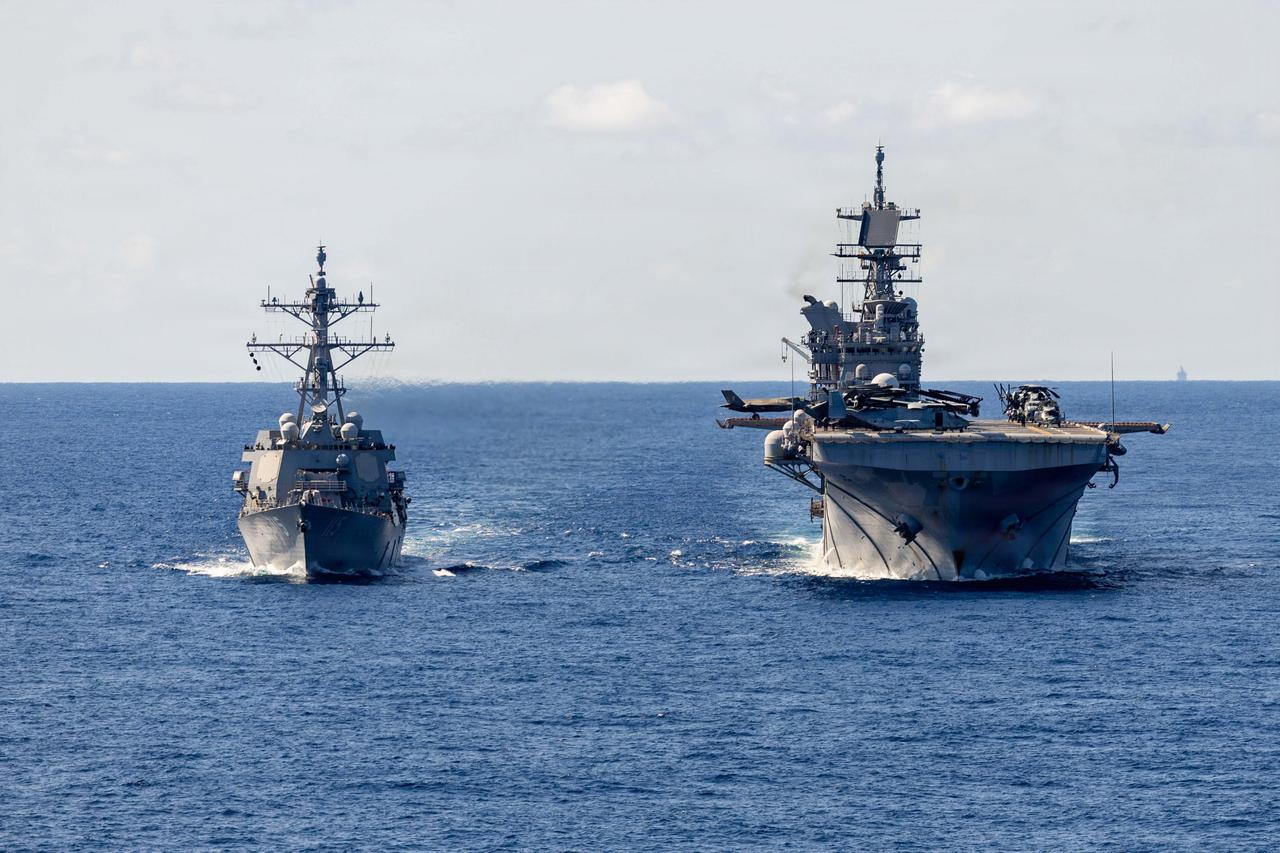
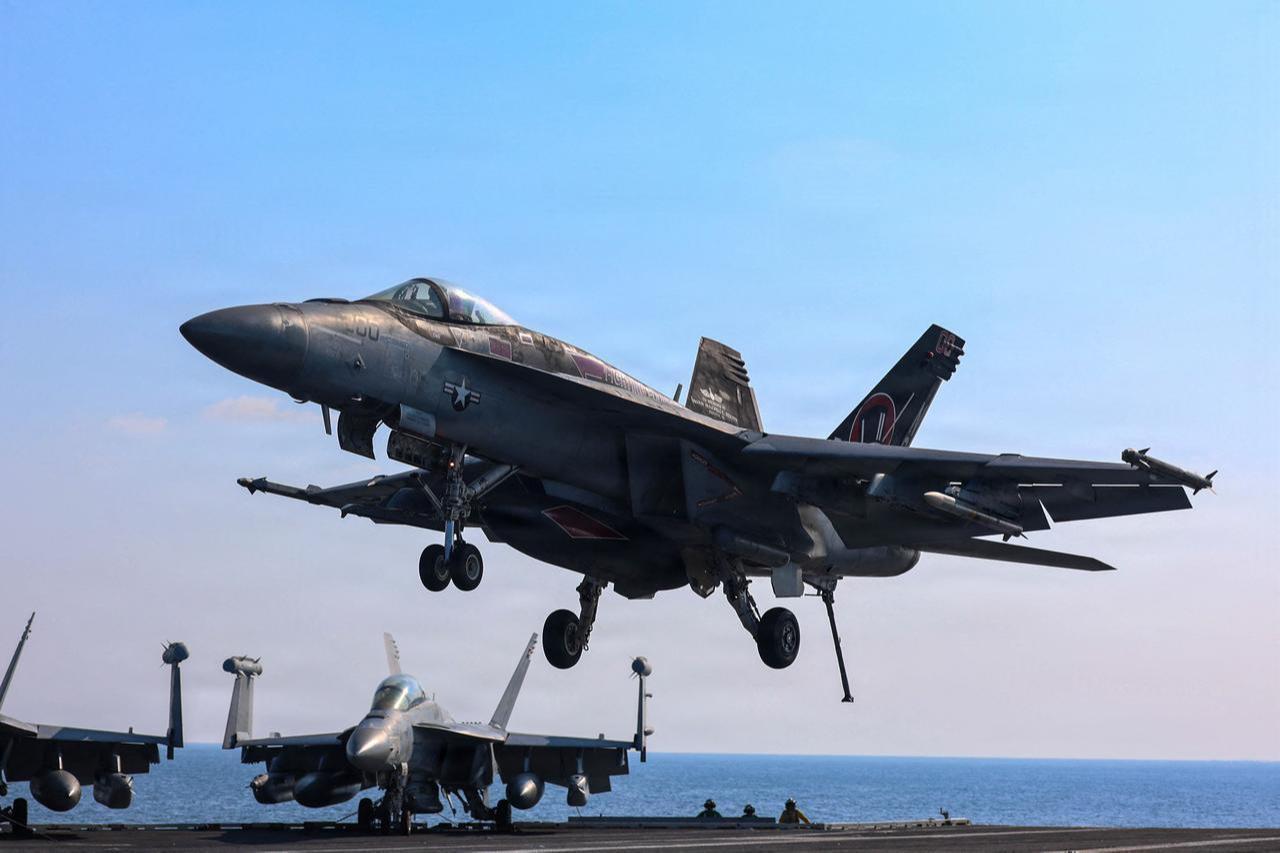
Trump's armada has grown to include two aircraft carriers, a dozen warships, hundreds of fighter jets and multiple air defense systems, with some firepower still en route.
More than 150 U.S. military cargo flights have moved weapons systems and ammunition to the Middle East. In the past 24 hours alone, another 50 fighter jets—F-35s, F-22s and F-16s—headed to the region.
"By delaying action and bringing so much force to bear, Trump has raised expectations for what an operation will look like if a deal cannot be reached," Axios reported.
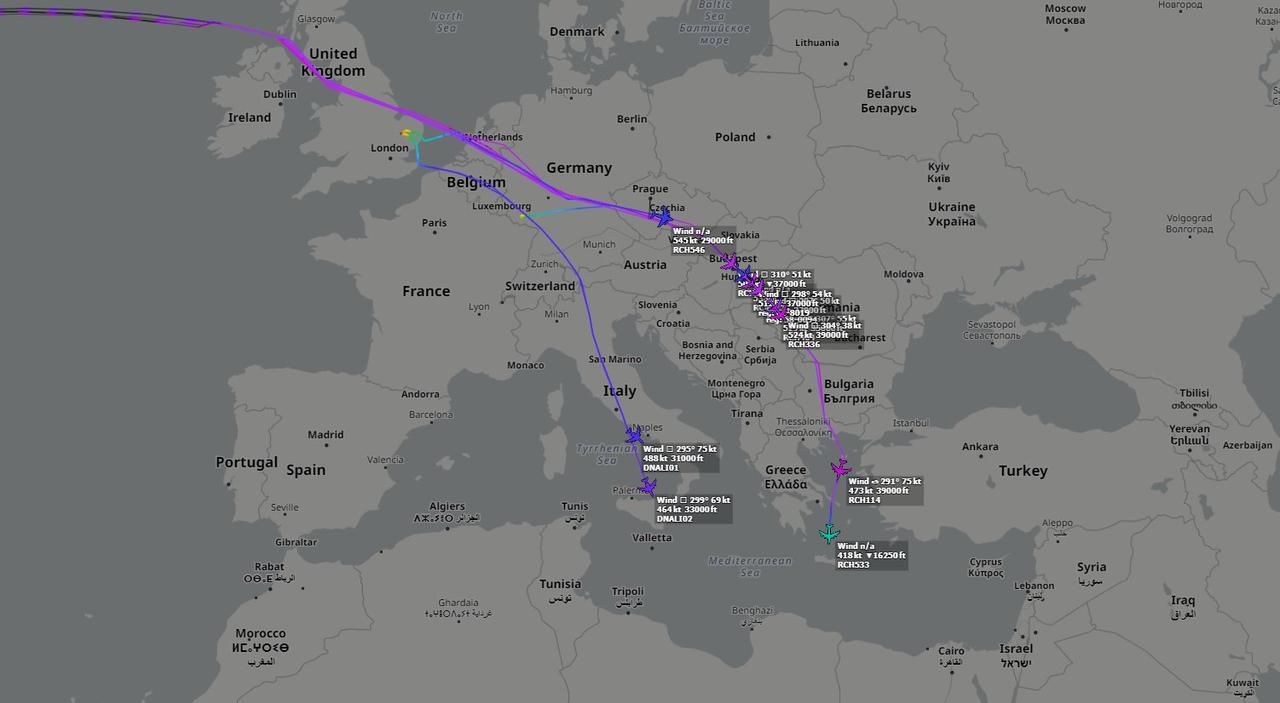
According to flight data obtained from open sources and analysis by social media accounts tracking open-source intelligence (OSINT), the aircraft and other assets sent to the Middle East in recent days are the same type used during U.S. strikes against Iran in June 2025.
Six F-22 fighter jets departed Joint Base Langley-Eustis in Virginia and arrived at RAF Lakenheath in the United Kingdom. On Feb. 16, 18 F-35 aircraft were observed departing RAF Lakenheath, accompanied by aerial refueling tankers, heading toward the region.
The U.S. also sent two E-3 Sentry AWACS airborne command and control aircraft to RAF Mildenhall air base in the United Kingdom. An RC-135 Rivet Joint signals intelligence aircraft, previously conducting mission flights from Al Udeid Air Base in Qatar, was repositioned to the island of Crete in the Mediterranean. Multiple P-8 Poseidon maritime patrol aircraft are conducting mission flights in the Middle East, including one that patrolled the Strait of Hormuz.
Trump advisers Jared Kushner and Steve Witkoff met with Iranian Foreign Minister Abbas Araghchi for three hours in Geneva on Tuesday.
While both sides said the talks "made progress," gaps remain wide and U.S. officials are not optimistic about closing them.
Vice President JD Vance told Fox News the talks "went well" in some ways, "but in other ways it was very clear that the president has set some red lines that the Iranians are not yet willing to actually acknowledge and work through."
Vance made clear that while Trump wants a deal, he could determine diplomacy has "reached its natural end."
U.S. officials said after Tuesday's talks that Iran needs to return with a detailed proposal in two weeks.
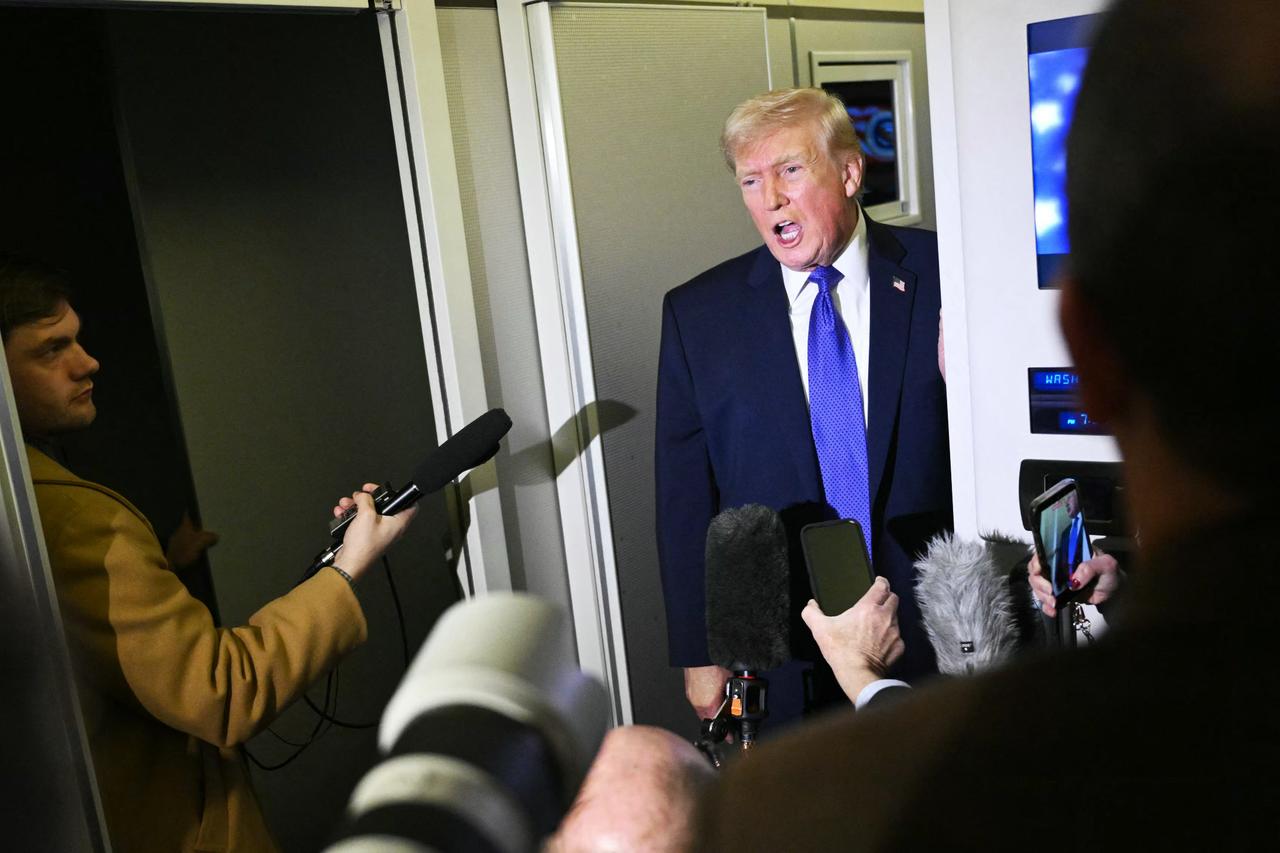
U.S. Energy Secretary Chris Wright warned Wednesday that the United States will deter Iran from acquiring nuclear weapons "one way or the other."
"President Trump believes firmly we cannot have a nuclear-armed Iran," Wright told reporters in Paris on the sidelines of International Energy Agency meetings.
"They've been very clear about what they would do with nuclear weapons. It's entirely unacceptable," Wright said, adding that, "So one way or the other, we are going to end, deter Iran's march towards a nuclear weapon."
 1 min read

The Israeli government, which is pushing for a maximalist scenario targeting regime change as well as Iran's nuclear and missile programs, is preparing for war within days, according to two Israeli officials cited by Axios.
Some U.S. sources said the U.S. might need more time. Senator Lindsey Graham said strikes could still be weeks away, but others indicated the timeline could be shorter.
Last June 19, the White House set a two-week window for Trump to decide between further talks or strikes. Three days later, he launched Operation Midnight Hammer.


 Set as preferred source
 Set as preferred source


 1 min read