Newsletters


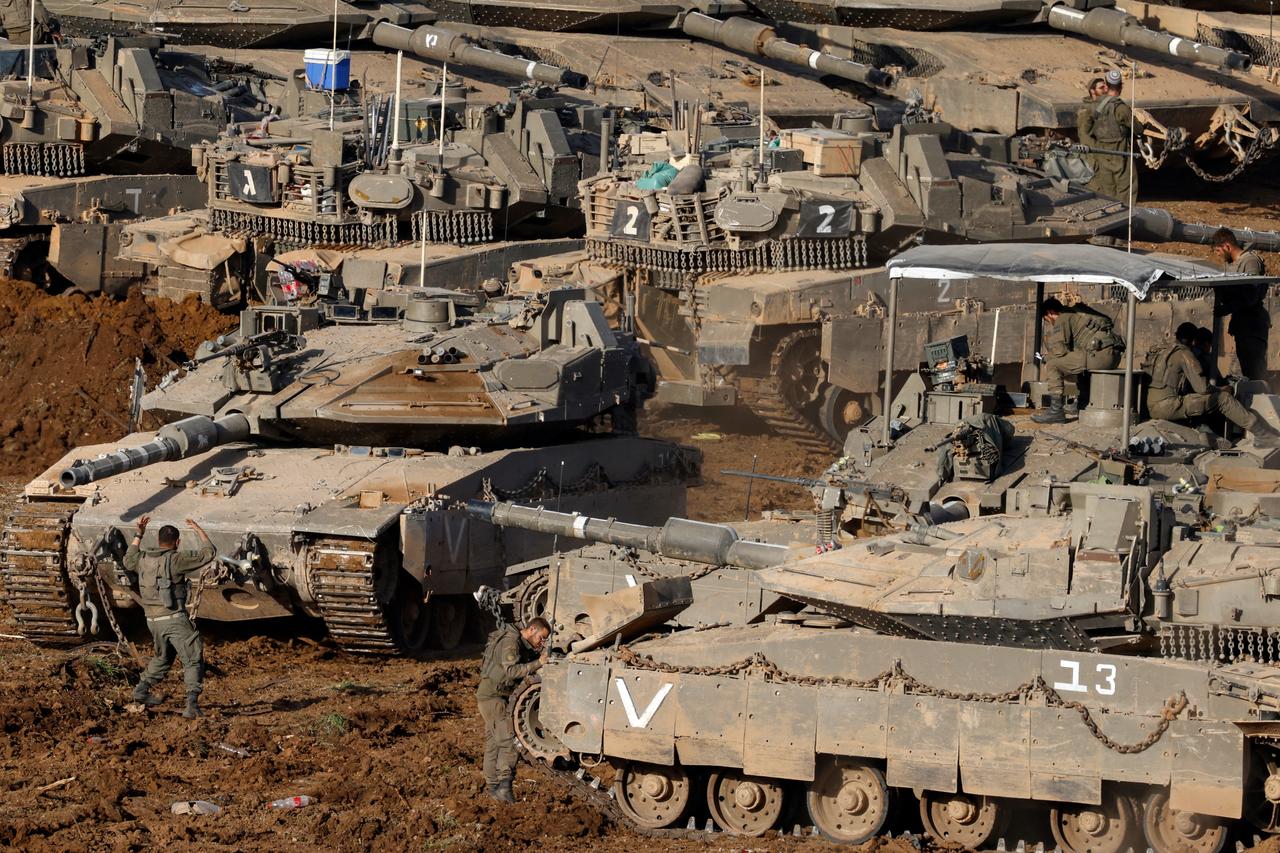


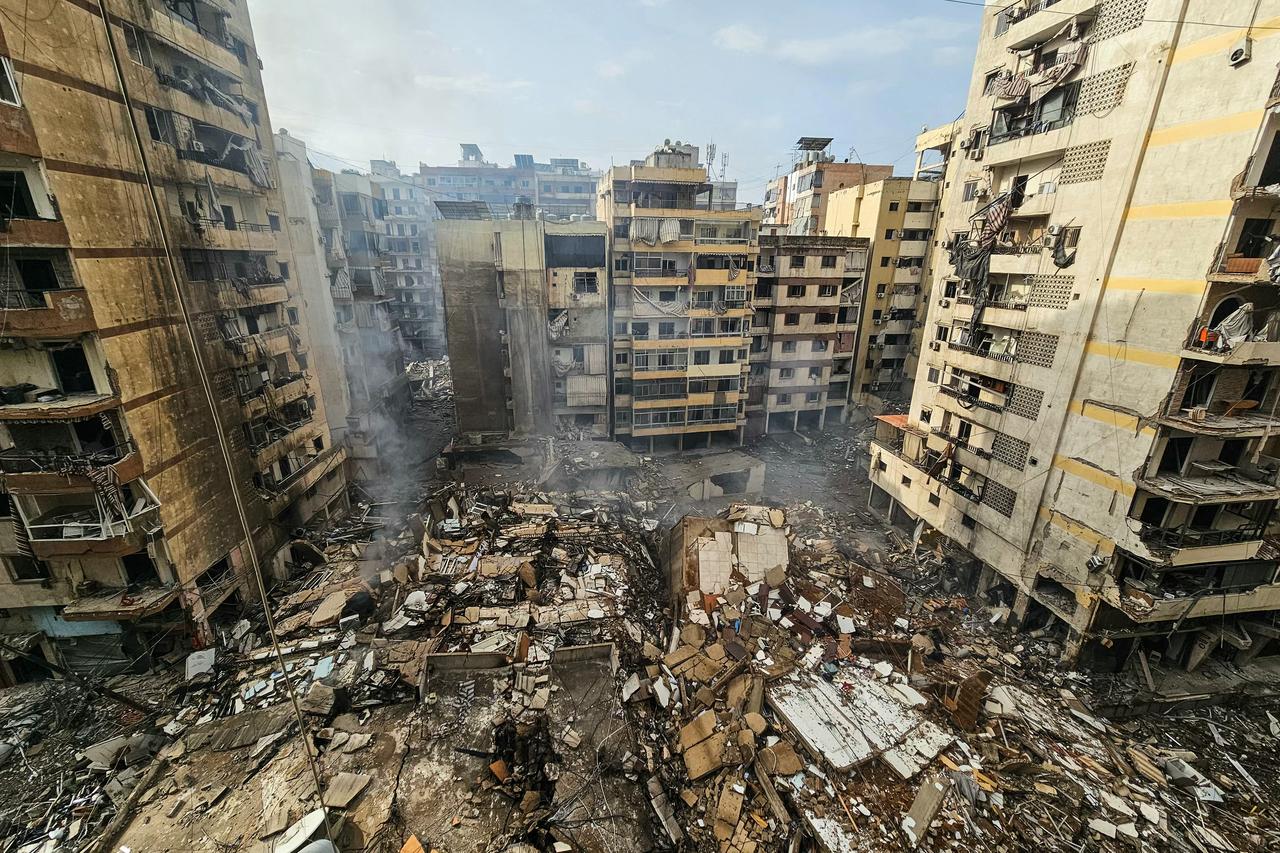
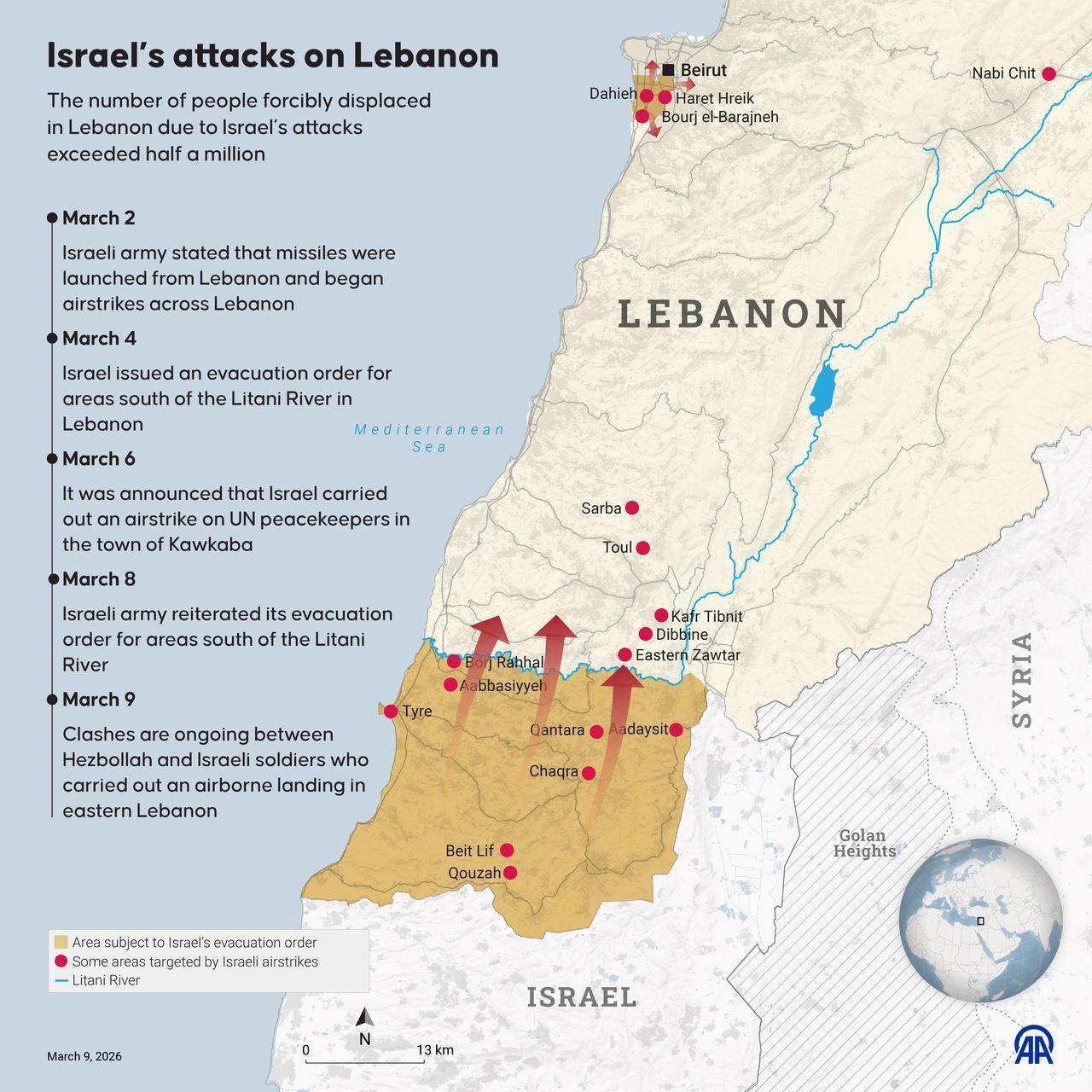
Israel is planning to significantly expand its ground operation in Lebanon, aiming to seize the entire area south of the Litani River and dismantle Hezbollah's military infrastructure, Israeli and U.S. officials told Axios, as the Israeli army chief of staff approved plans to deepen operations and reinforcements moved toward the northern border.
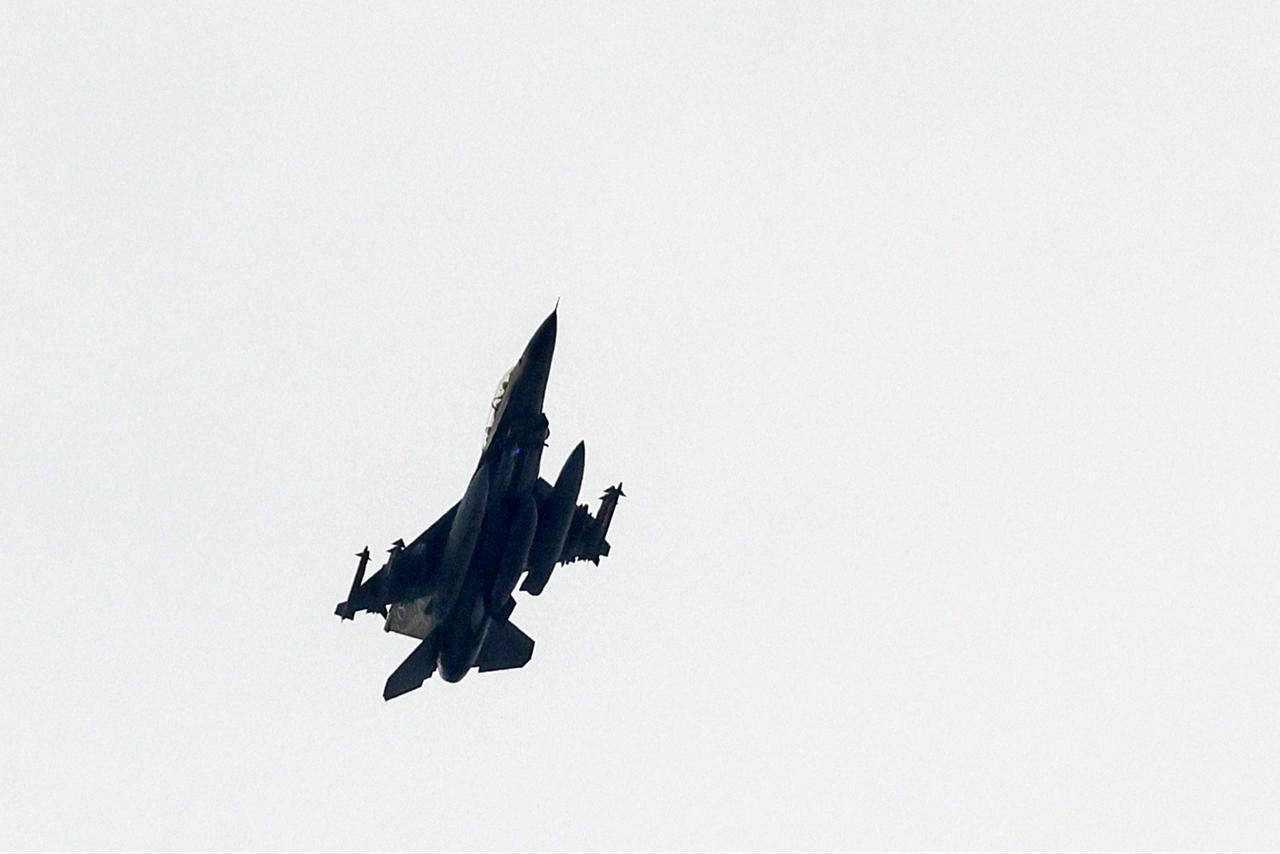

The planned offensive could be Israel's largest ground invasion of Lebanon since 2006, potentially dragging the country further into the escalating war with Iran, according to Axios.
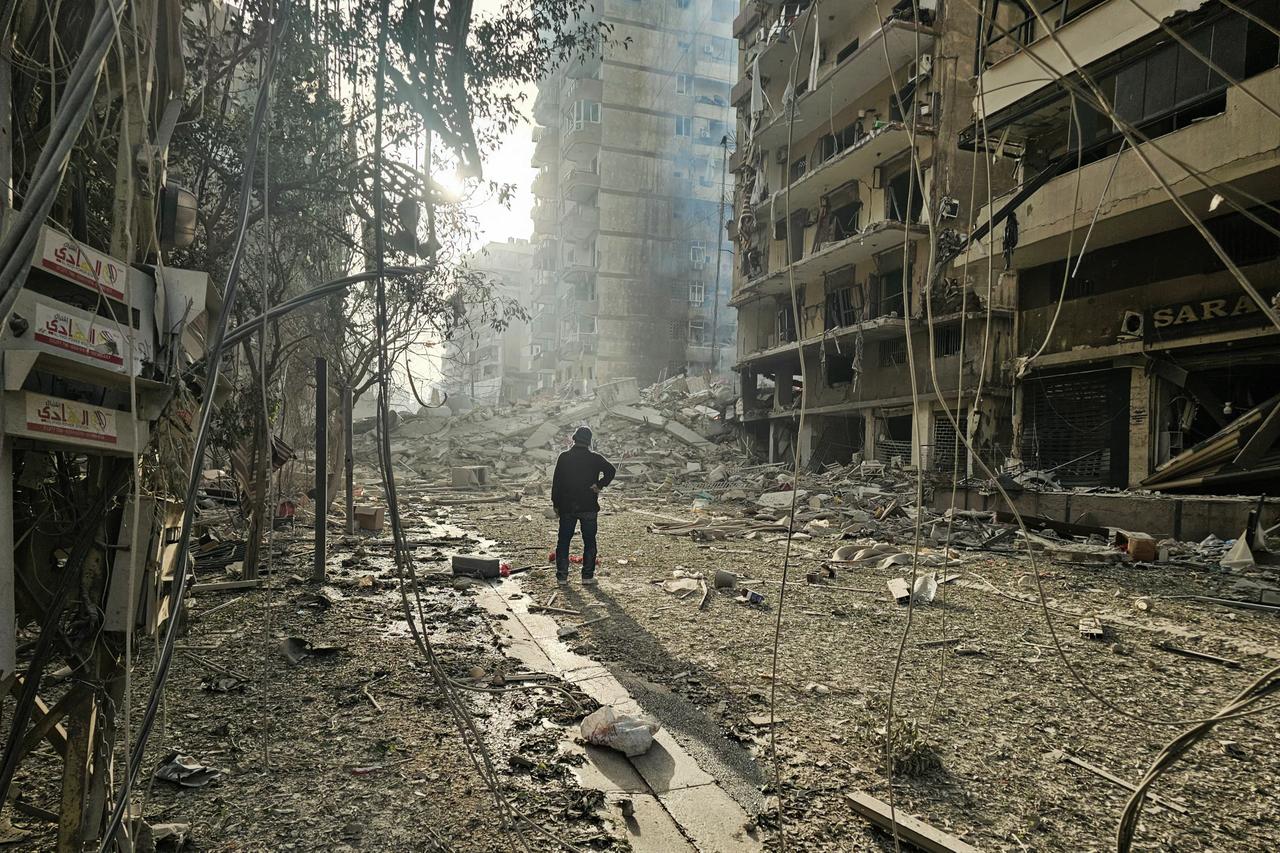
"We are going to do what we did in Gaza," a senior Israeli official said, referring to the flattening of buildings Israel says Hezbollah uses to store weapons and launch attacks.
Israeli Prime Minister Benjamin Netanyahu's government had sought to contain the Lebanon escalation to stay focused on Iran until Wednesday, when Hezbollah launched more than 200 missiles in a massive coordinated attack with Iran.
"Before this attack, we were ready for a ceasefire in Lebanon, but after it, there is no way back from a massive operation," a senior Israeli official said.
"The goal is to take over territory, push Hezbollah's forces north and away from the border, and dismantle its military positions and weapons depots in the villages," the official added.
Israeli army Chief of Staff Eyal Zamir on Friday endorsed plans to continue military operations aimed at "deepening" operations against Hezbollah, military spokesperson Ella Wawiya said in a statement.
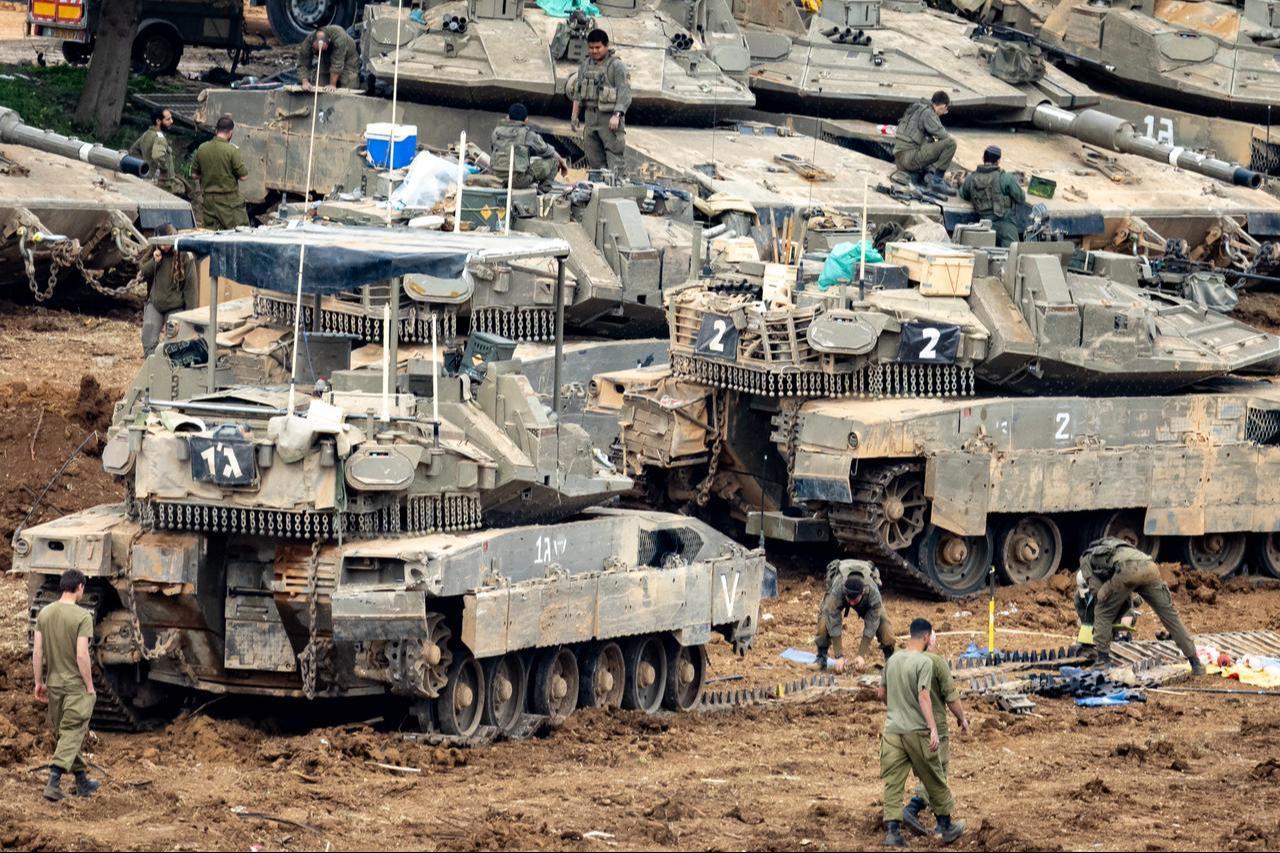
The plan includes a large reinforcement of regular forces along the northern border and the mobilization of additional reserve units.
The Israeli army has had three armored and infantry divisions on the Lebanese border since the start of the Iran war, with some ground forces conducting limited incursions over the past two weeks.
The Israeli army struck the Hardali Bridge over the Litani River, cutting off the road connecting Nabatieh province and Marjayoun, according to the Lebanese state agency NNA.
Authorities said the road has been closed to traffic and that contacts are ongoing to reopen it, though repairs are expected to take time. The Israeli army had previously struck the Zrariyeh Bridge on the Litani River on March 13, also citing Hezbollah's use of the crossing.
The military also said it struck the Tarfalsi-Zrariyeh bridge, describing the attack as a "message to the Lebanese state," which it alleged had allowed Hezbollah to operate freely in the area.
Israeli army spokesperson Avichay Adraee threatened to target health facilities and ambulances, claiming Hezbollah was "intensively using ambulances for military purposes," and demanded that ambulances and medical facilities no longer be used for military purposes.
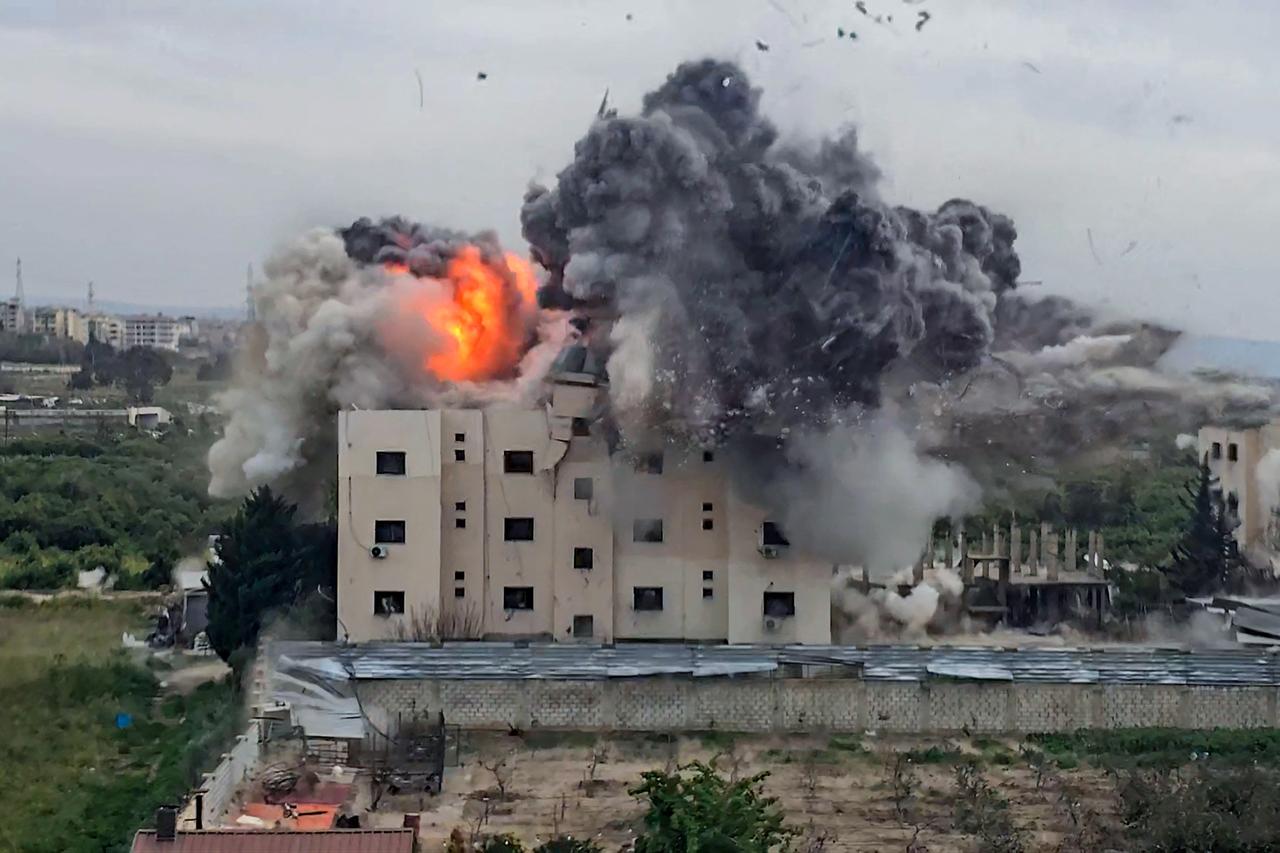
At least 23 people were killed in Israeli strikes across Lebanon since overnight, including 12 health workers, according to the NNA.
A strike on a health facility in Burj Qalawiyeh near Tyre killed 12 health workers, the Lebanese Health Ministry said. Four people were killed in an airstrike on an apartment building in Hara Sayda in southern Lebanon, and seven people were killed in a strike on the Rahibat neighborhood in Nabatieh province.
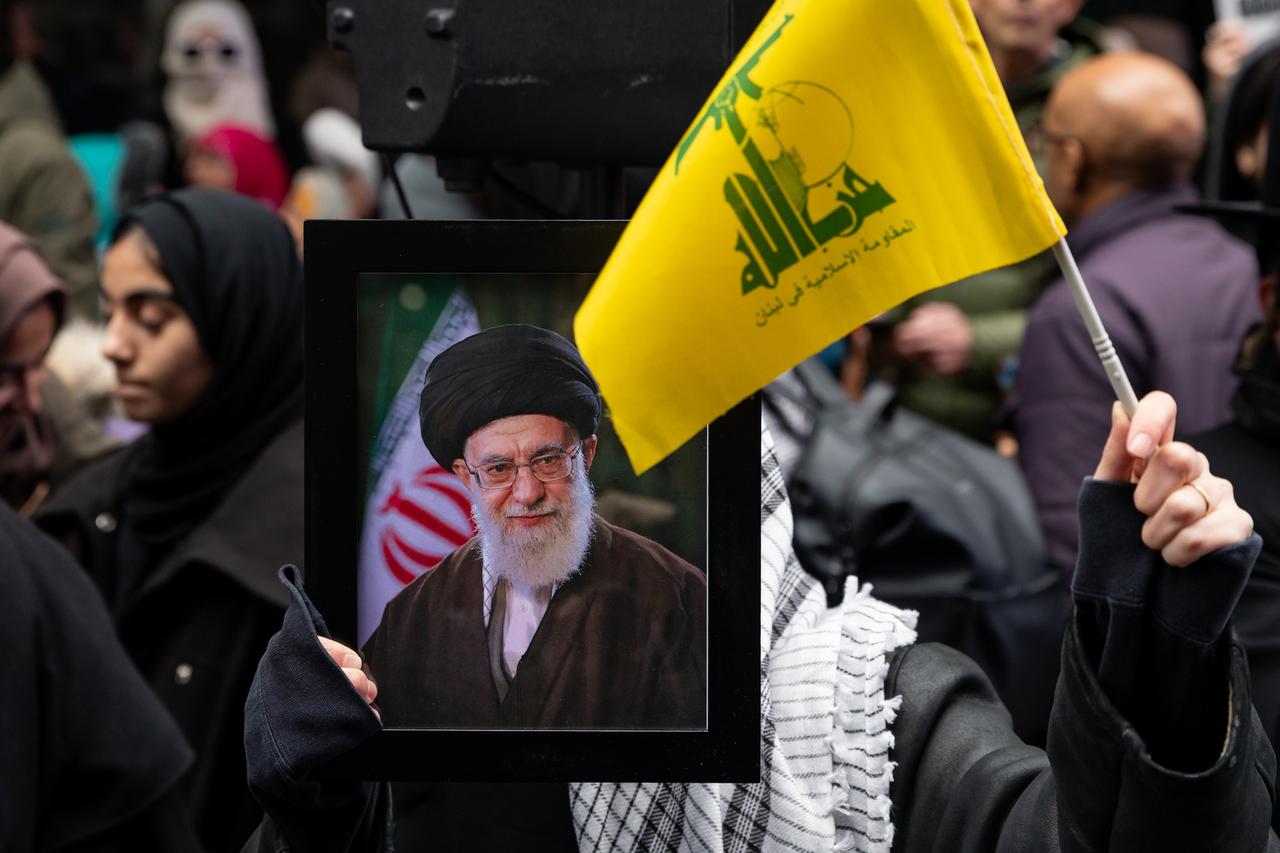
Hezbollah Secretary-General Naim Qassem said in a video message marking World Quds Day that Hezbollah has prepared itself for a prolonged conflict with Israel.
"We have prepared ourselves for long-lasting confrontations, and they will encounter surprises on the ground. The enemy will see our strength, and its threats do not frighten us," Qassem said.
Qassem said the only solution is resistance; otherwise, Lebanon will be destroyed, and criticized the Lebanese government, saying it "could protect neither its sovereignty nor its citizens."
He called for a full Israeli withdrawal from Lebanese territory as a precondition for any resolution.
When asked about the planned ground invasion, Qassem said: "When the enemy threatens a ground invasion, we tell him: this is not a threat, but one of the traps you will fall into. Because every advance of a ground invasion allows the resistance fighters to achieve gains and results through close confrontation with the enemy."
The Trump administration backs a major Israeli operation to disarm Hezbollah but is also pressing to limit damage to the Lebanese state and pushing for direct Israel-Lebanon talks on a postwar agreement, U.S. and Israeli officials who spoke to Axios said.
Washington asked Israel not to bomb Beirut's international airport or other Lebanese state infrastructure. Israel agreed to spare the airport but stopped short of committing to protect other state infrastructure.
"We feel we have full U.S. backing for this operation," an Israeli official told Axios.
A U.S. official said, "The Israelis have to do what they have to do to stop the Hezbollah shelling."
Netanyahu has tasked former minister Ron Dermer with managing the Lebanese file during the war. Dermer will handle contacts with the Trump administration and lead any negotiations with the Lebanese government if direct talks begin in the coming weeks.
On the U.S. side, the file is being managed by Trump adviser Massad Boulos, who has been in contact with Israeli, Lebanese, and Arab officials to facilitate direct talks between Israel and Lebanon.
The Lebanese government has indicated it is ready to hold direct talks on the terms of a ceasefire with Israel immediately and without preconditions.
The Trump administration hopes to use those negotiations to lay the groundwork for a broader deal that would formally end the state of war between Israel and Lebanon, ongoing since 1948.
Lebanon's Health Ministry said Israel's attacks since March 2 have killed 773 people and wounded 1,993.
Lebanon's disaster management authority said the number of people forcibly displaced by Israel's occupation and attacks has exceeded 830,000.
The Israeli army said it struck more than 2,000 targets in western and central Iran in the last 24 hours as part of operations since Feb. 28.
On March 2, Israel expanded its offensive in Lebanon after launching, alongside the U.S., a military campaign against Iran on Feb. 28 that killed hundreds, including then-Supreme Leader Ali Khamenei.


 Set as preferred source
 Set as preferred source


 1 min read

 1 min read