Sign in
 Newsletters


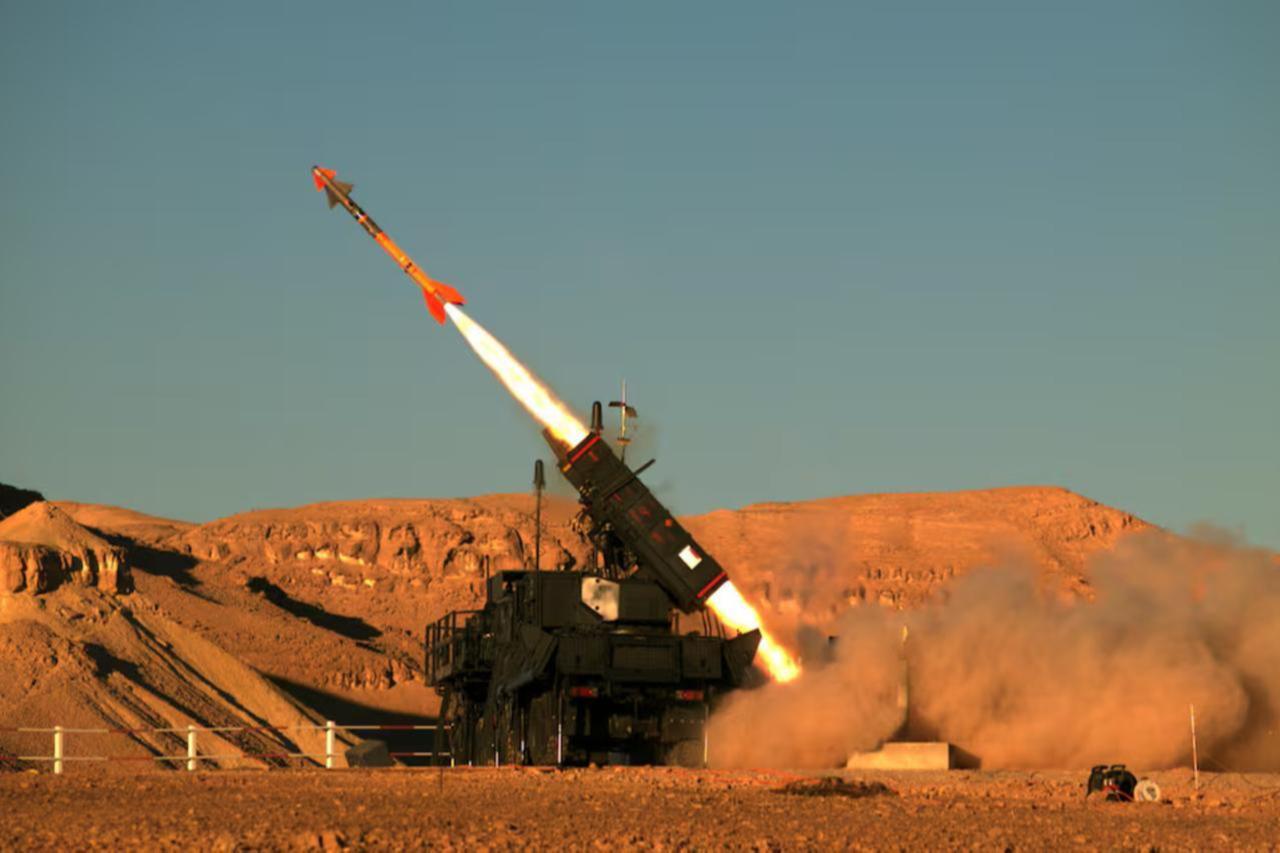


Israel has upgraded its David's Sling missile defense system to counter a wider range of ballistic threats at a lower cost, seeking to reduce reliance on expensive interceptors after the war with Iran exposed weaknesses in its defenses, Bloomberg reported.
The upgrades have extended the system's range and improved Israel's ability to withstand weeks of sustained missile attacks, according to an Israeli Air Force air defense investigator who spoke anonymously under military policy.
The changes come as Iran rebuilds its missile arsenal and regional tensions increase pressure on interceptor supplies.
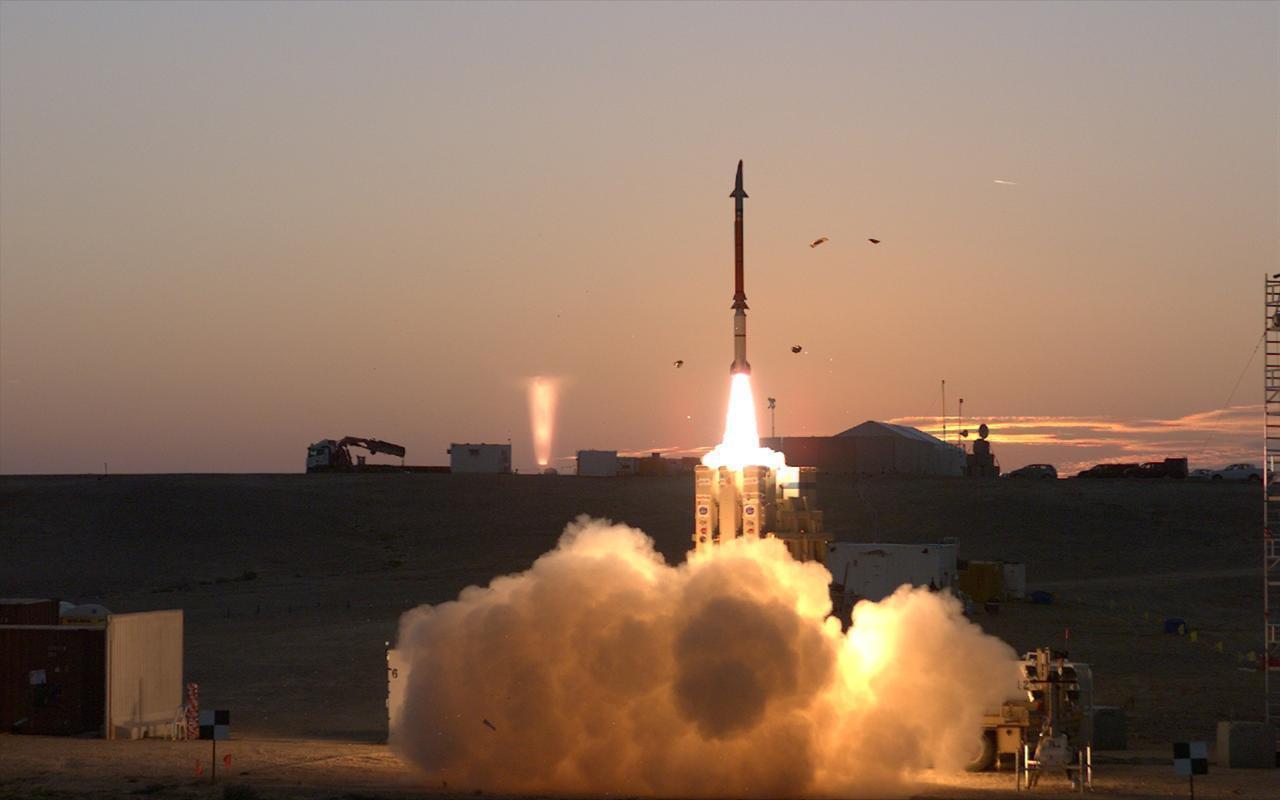

David's Sling, designed to intercept medium-range missiles and drones, uses Stunner interceptors developed by Israel's Rafael Advanced Defense Systems and U.S. defense company RTX.
Each Stunner costs approximately $1 million, about one-third the price of Israel's Arrow 3 interceptor, according to Bloomberg Intelligence analyst Wayne Sanders. A U.S.-made Patriot PAC-3 interceptor can cost more than $4 million.
The upgraded system now offers capabilities roughly comparable to Patriot, with advantages in cost and production capacity.
Israel's layered defenses also include Iron Dome for short-range threats and the Arrow systems for longer-range missiles, including targets in space. U.S.-operated THAAD batteries and ship-based interceptors provide additional protection.
According to The Washington Post, more U.S. interceptors than Israeli ones were used during the war.
Uzi Rubin, who oversaw development of Israel's first national missile defense shield, said earlier systems were designed to counter limited threats rather than hundreds or thousands of incoming missiles.
"Now we have to come up with cheap kinetic kill missiles," he said.
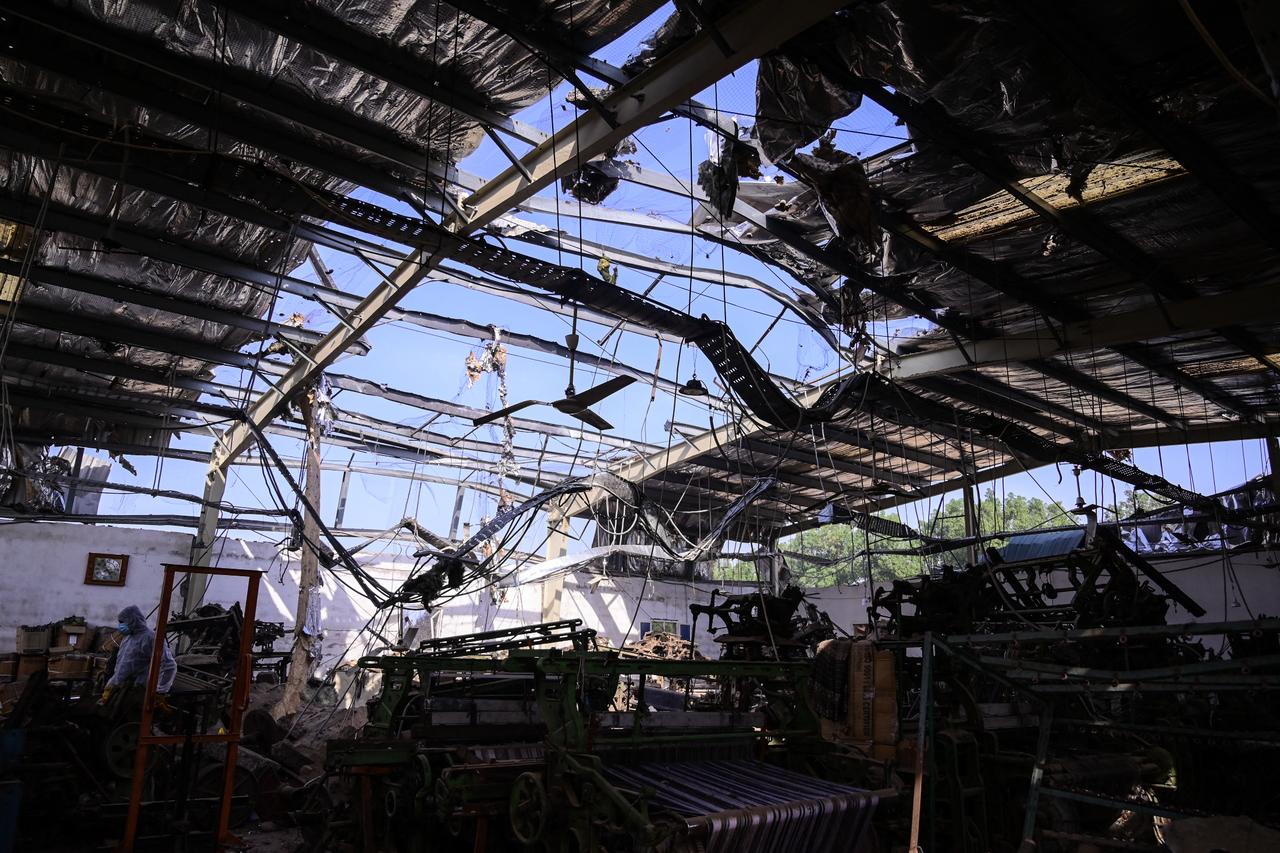
Clashes with Iran since 2024 have exposed weaknesses in Israel's missile defenses, with some Iranian ballistic missiles evading interception.
During the most intense fighting, David's Sling failed to destroy incoming missiles in two attacks on southern Israeli towns, leaving scores injured.
Haaretz reported that more than 90% of Iranian missiles were intercepted during the war's first three weeks, although strikes killed 20 people and injured thousands.
The Israeli Air Force investigator said the attacks provided valuable operational data, allowing upgrades to defense systems, sometimes within days.
Sanders said advanced interceptors such as Arrow 3 remain necessary, but cheaper medium-range systems offer greater flexibility during prolonged attacks.
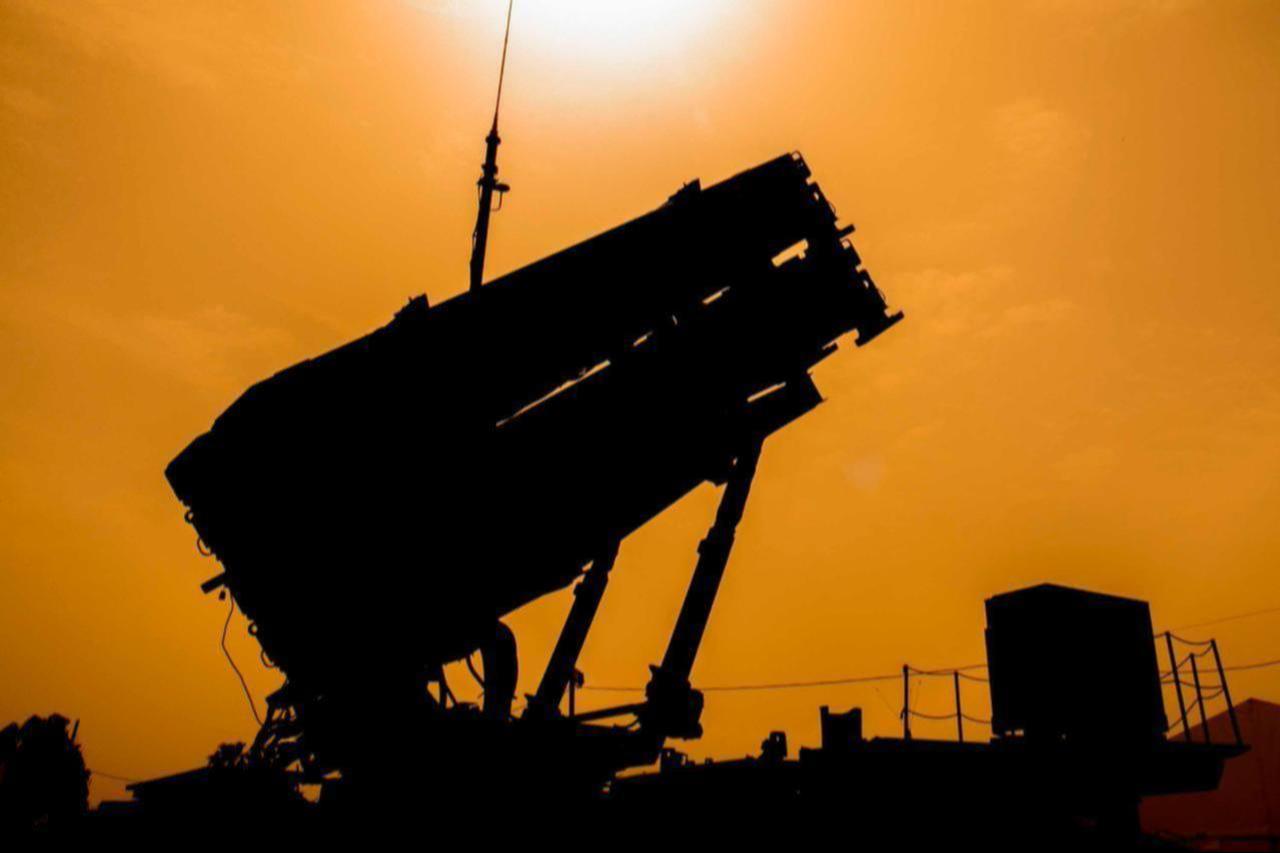
The shift comes as Washington struggles to increase Patriot PAC-3 production amid growing demand from allies.
Ukrainian President Volodymyr Zelenskyy has said Ukraine needs 350 PAC-3 interceptors monthly to counter Russian attacks, several times the current annual production.
While the U.S. is pursuing long-term production commitments, allies across Europe, the Asia-Pacific region and the Middle East remain heavily dependent on foreign missile defense systems.
According to an industry source, Rafael and RTX can manufacture thousands of interceptors annually in Israel and another 2,500 in the U.S. for Iron Dome and David's Sling.
Israel Aerospace Industries, which produces Arrow systems, does not disclose its manufacturing capacity. Rafael and RTX declined to comment.
Israel also exports missile defense systems, with Finland and Greece ordering David's Sling and Germany deploying Arrow 3.


 Set as preferred source
 Set as preferred source


 1 min read
 1 min read