Newsletters


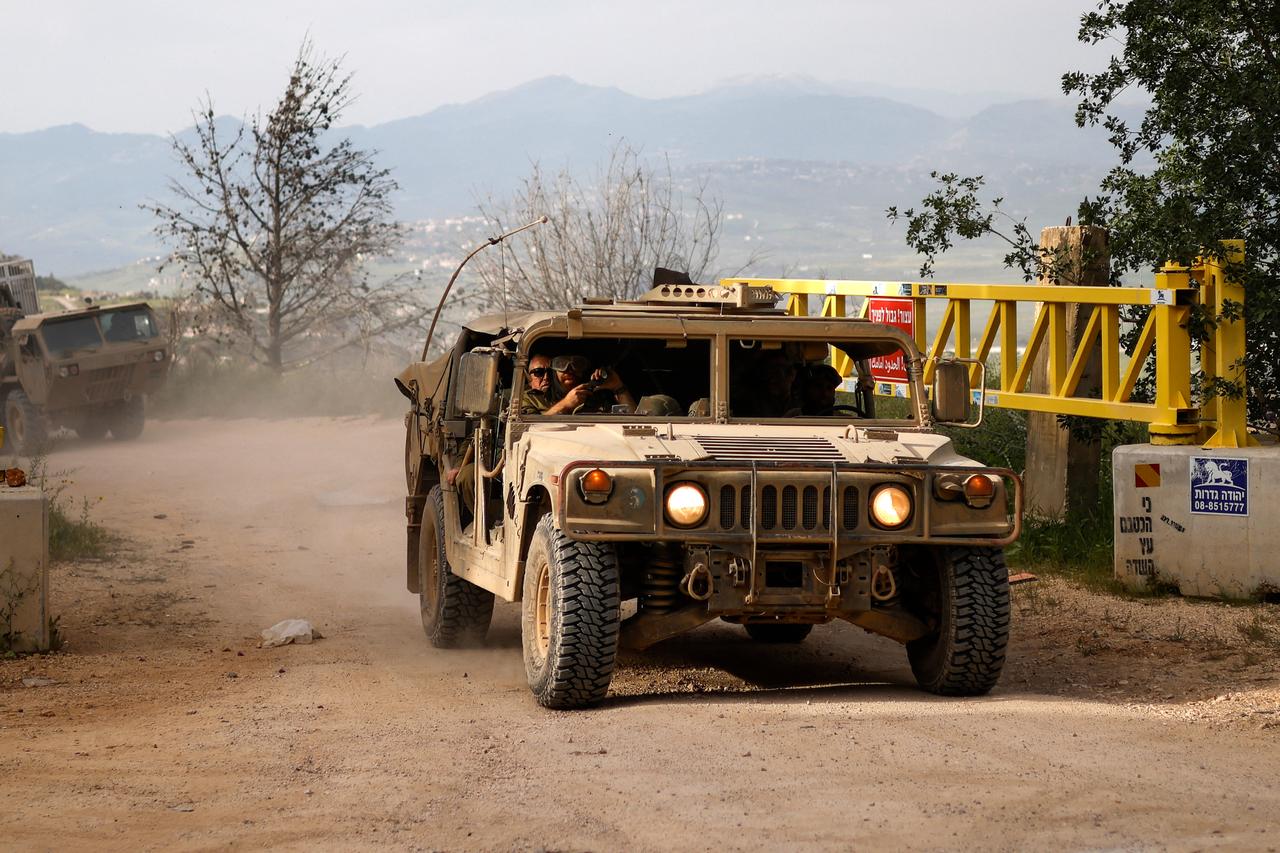


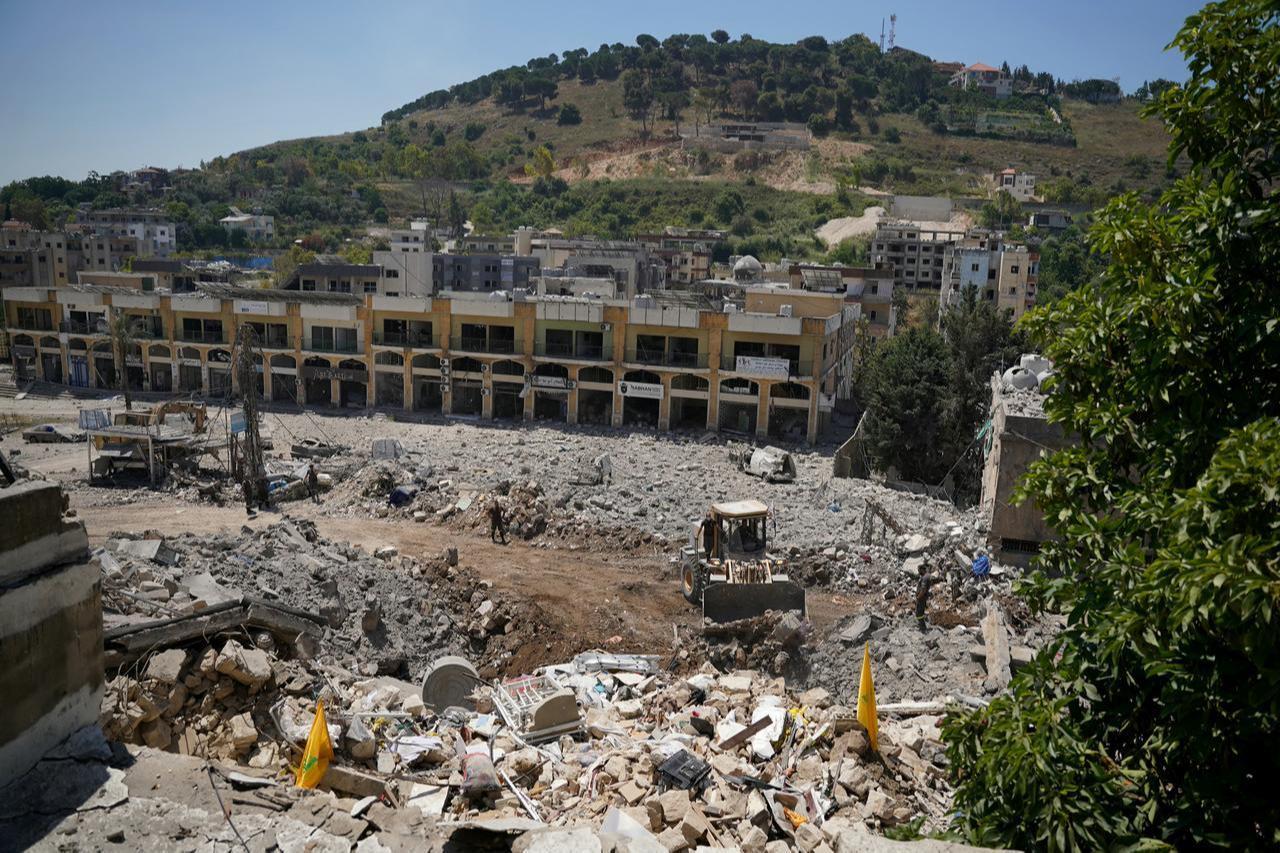
The Israeli military is set to hand control of parts of southern Lebanon to the Lebanese army as "pilot areas" under American supervision, Haaretz reported on Monday.
Meanwhile, Iranian sources detailed a separate set of conditions Tehran says "must be met" before nuclear negotiations with the United States can begin.
Ambassador-level talks between Israel and Lebanon, set to take place in the United States in the coming days, are expected to determine the pilot zones, which would fall under exclusive Lebanese military control, according to an Israeli source cited by Haaretz.
It remains unclear exactly which areas of southern Lebanon would be transferred.
The source told Haaretz that some of the areas to be handed to the Lebanese army are not currently held by Israel, meaning their transfer would not require an Israeli withdrawal.
"The conduct of the Lebanese Armed Forces in the pilot zones, including any areas from which Israel does withdraw, will be monitored under U.S. supervision," the source said.
It remains unknown whether an Israeli withdrawal from Beaufort Castle is being planned.
The source said the U.S. State Department recognizes Israel's position on the matter, and that the Lebanese government has no interest in handing Hezbollah a perceived victory.
The source added that Lebanon opposes the prospect reportedly floated by U.S. President Donald Trump of seeking Syria's help in fighting Hezbollah.
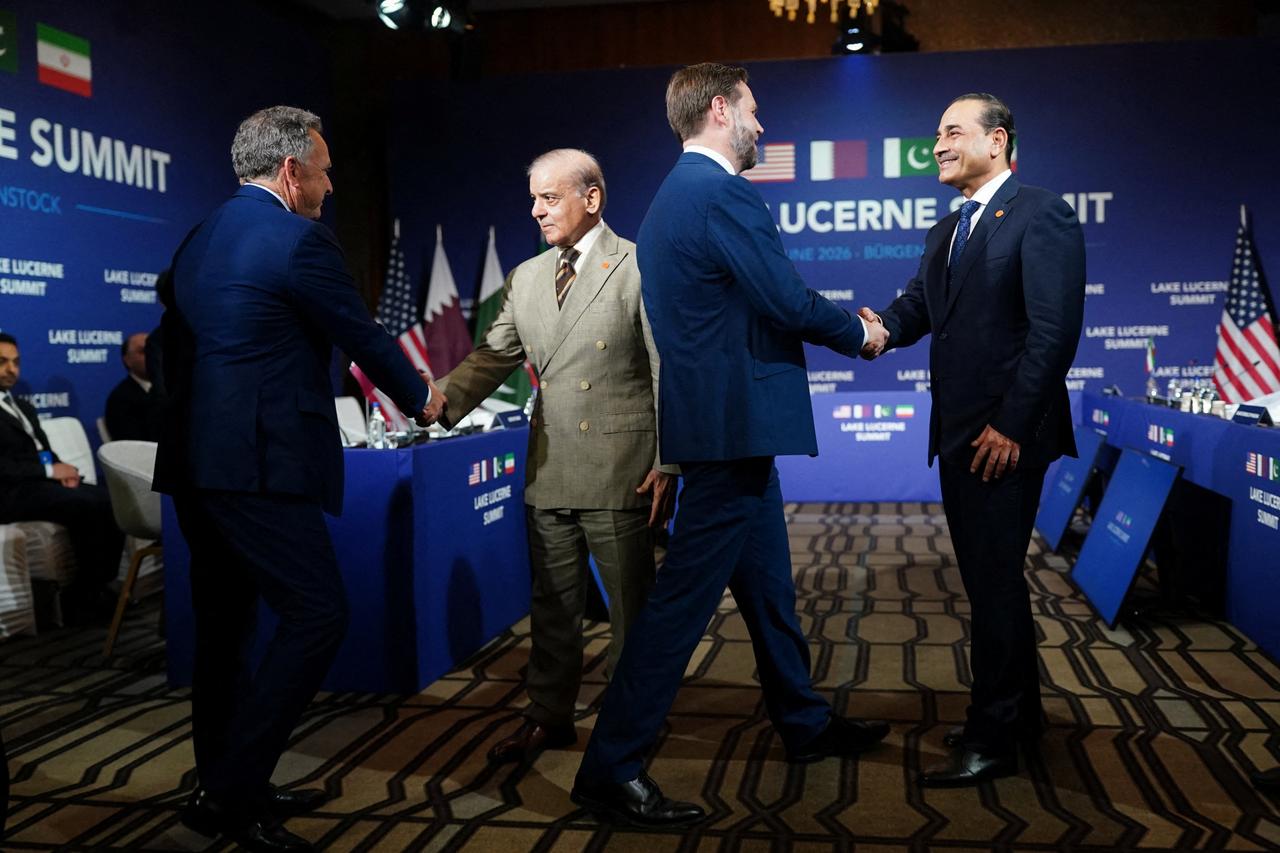
Lebanese President Joseph Aoun separately held high-level discussions with U.S. Vice President JD Vance on an urgent ceasefire and de-escalation of Israeli military operations. The diplomatic effort also included White House envoy Jared Kushner and Qatari Prime Minister Sheikh Mohammed bin Abdulrahman Al Thani.

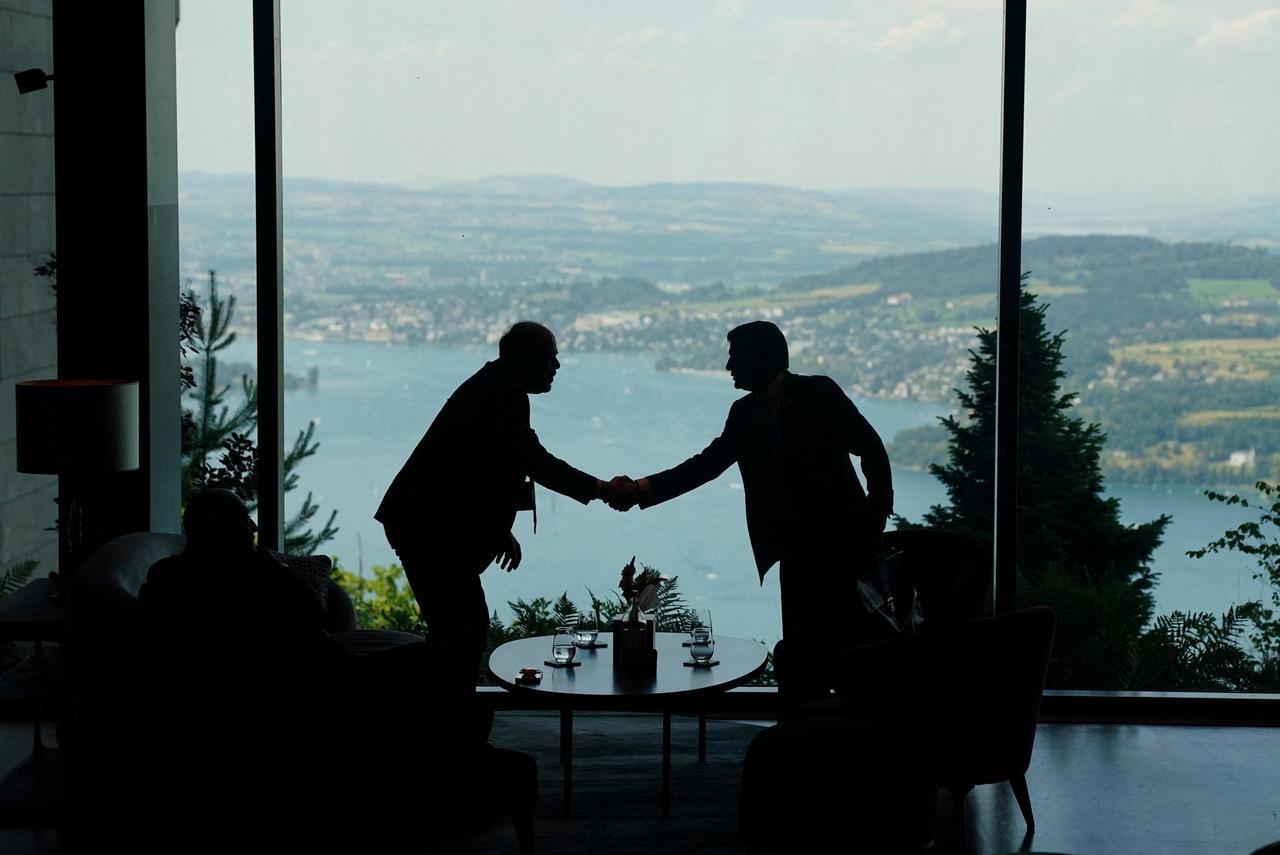
According to a source close to Iran's negotiating team cited by Tasnim News Agency, Iran traveled to Switzerland specifically to pursue implementation of Article 13 of the Memorandum of Understanding (MoU), a provision the source said requires several other articles to be fulfilled before subsequent negotiations toward a final agreement can begin.
Those provisions include:
The source said that despite the memorandum's signing, Israeli attacks in Lebanon continued, and the Iranian delegation, coordinating with developments on the ground, focused its core effort in Switzerland on securing implementation of Article 1.
According to the joint statement issued by Qatar and Pakistan early Monday, a de-confliction unit involving Iran, the United States and Lebanon, facilitated by Qatar and Pakistan, will be established to monitor implementation of Article 1 in Lebanon.
A source at Iran's state-affiliated Tasnim News Agency said this means Iran, despite the apparent reluctance of the U.S. and Israel, has secured a formal role in Lebanon's security arrangements, including specific arrangements tied to Article 1.
Separately, the semi-official Mehr News Agency reported that Iran will send a representative to the new mechanism set up to monitor the Lebanon ceasefire, and that Israel will not be part of that mechanism.
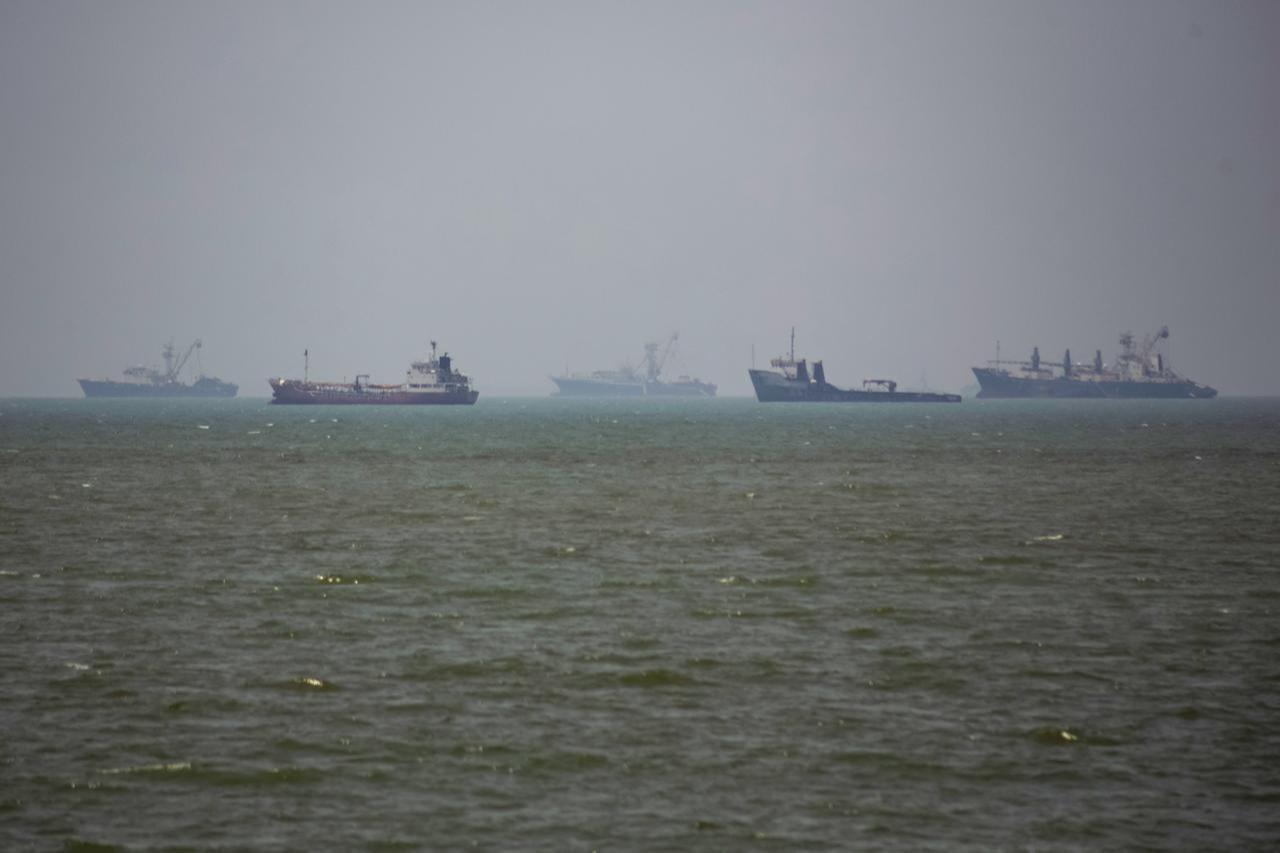
Mehr also reported that the decision to establish a mechanism to secure safe passage through the Strait of Hormuz amounted, in its assessment, to formal recognition of "Iran's sovereignty over the Strait of Hormuz."
The Tasnim source said that despite the lifting of the naval blockade, Iran does not consider the reopening of the Strait of Hormuz to be equivalent to the blockade's removal.
Rather, the source said, what matters is implementation of the memorandum's remaining articles, including Article 1 on Lebanon, the issuance of sanctions waivers on Iranian oil, and the start of the release of frozen assets tied to the strait's reopening and future negotiations.
"Therefore, if Article 13 is not implemented with priority given to Article 1 regarding Lebanon, Iran considers its commitments to be reversible," the source said.
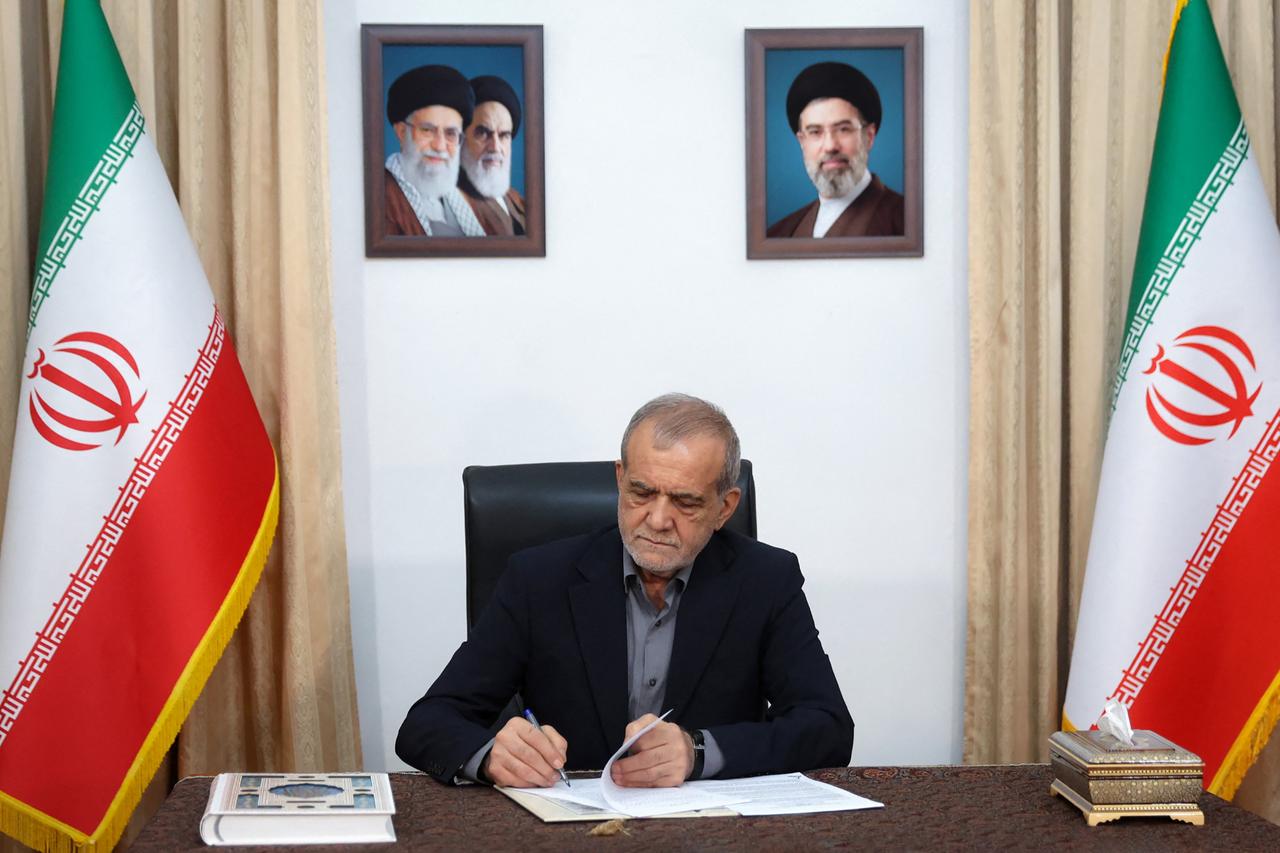
The source cited by Tasnim said Iran's main negotiating delegation has concluded its talks in Switzerland, though technical experts remain in the country to continue monitoring implementation of the memorandum.
According to the source, no discussions on the nuclear issue have taken place so far, as Iran is still waiting for Article 13 to be fulfilled. Until Article 13 is realized, the source said, the time for beginning nuclear negotiations has not yet arrived.
The source also said no meeting took place in Switzerland with Rafael Grossi, director-general of the International Atomic Energy Agency (IAEA).
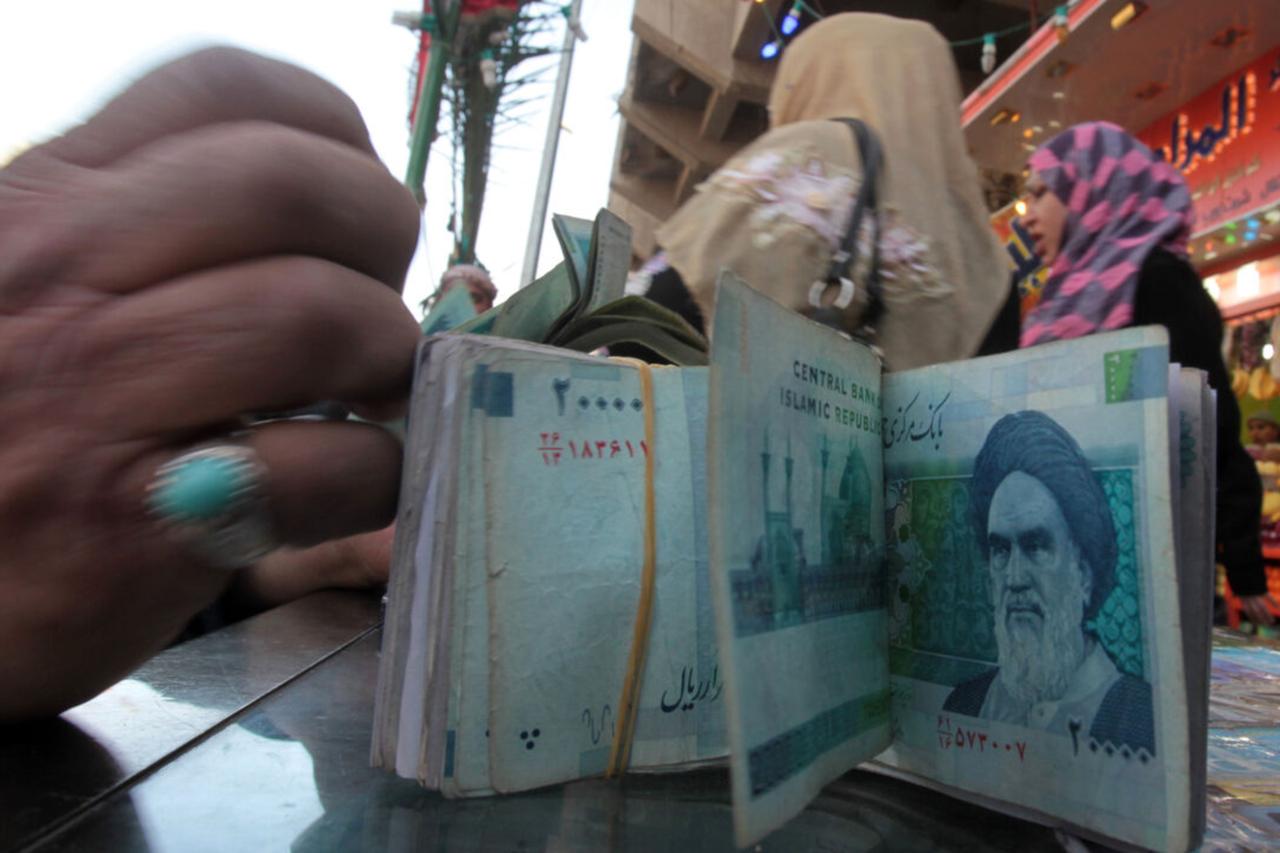
The source said talks in Switzerland did address the release of Iran's frozen assets as well as the issuance of waivers on sanctions affecting the sale of Iranian oil, petrochemicals and derivatives, and that an announcement of the waivers is expected to be published on the U.S. Treasury Department's website.
Separately, Iranian state media reported that an MoU was signed between Iran and Qatar concerning the release of Iran's frozen assets.
Iranian Foreign Minister Abbas Araghchi, speaking after the negotiations with the U.S., said restrictions on Iran's oil exports had been lifted and the blockade had ended, adding that part of Iran's frozen assets had also been released.


 Set as preferred source
 Set as preferred source


 1 min read
 1 min read