Newsletters


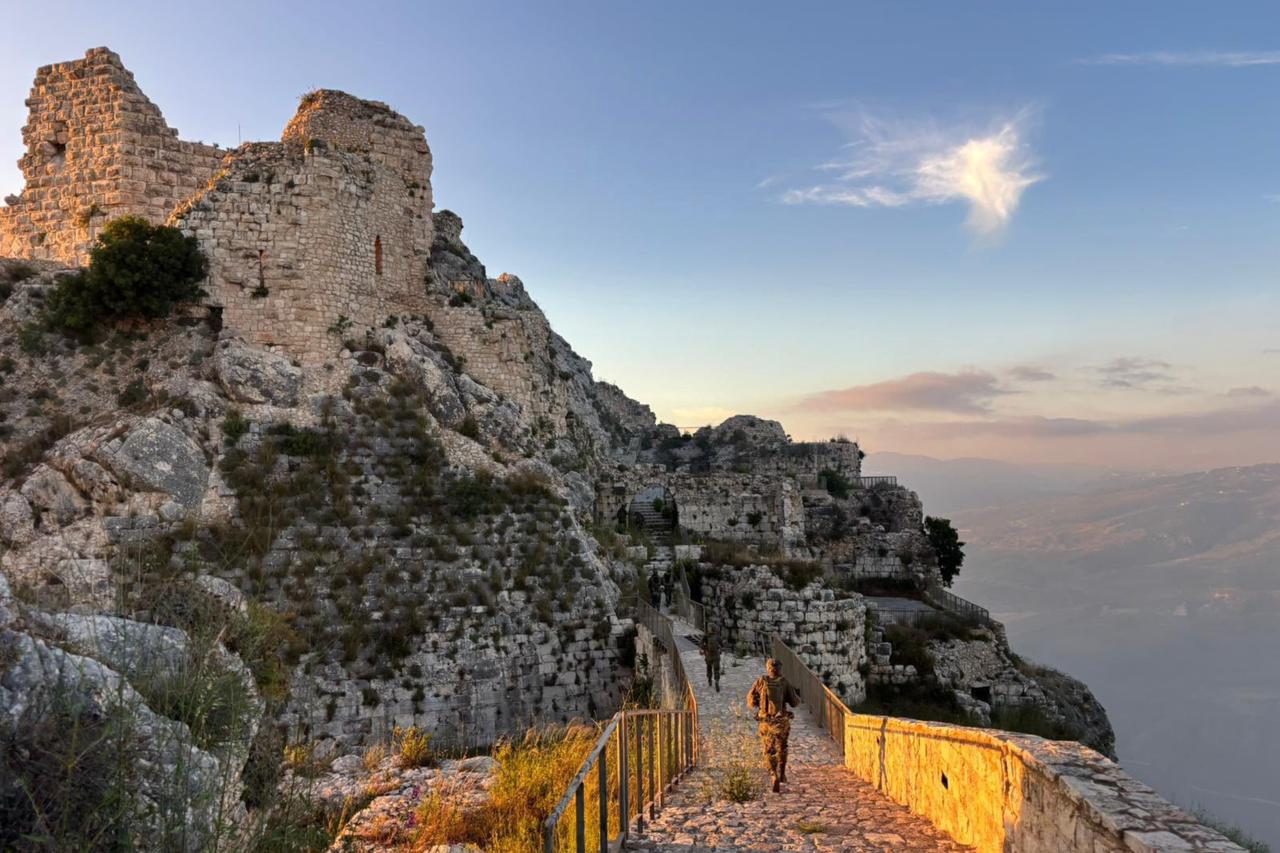


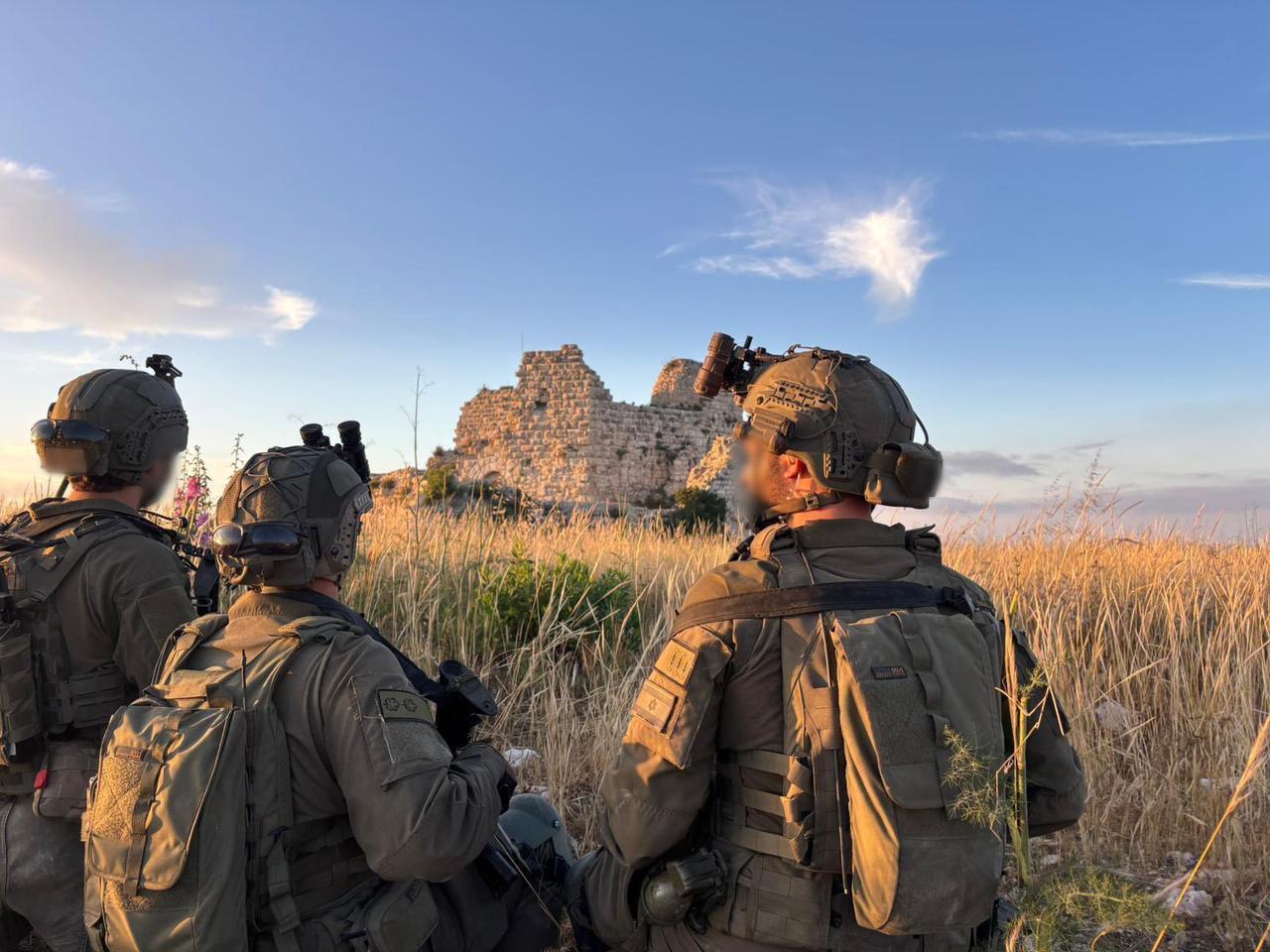
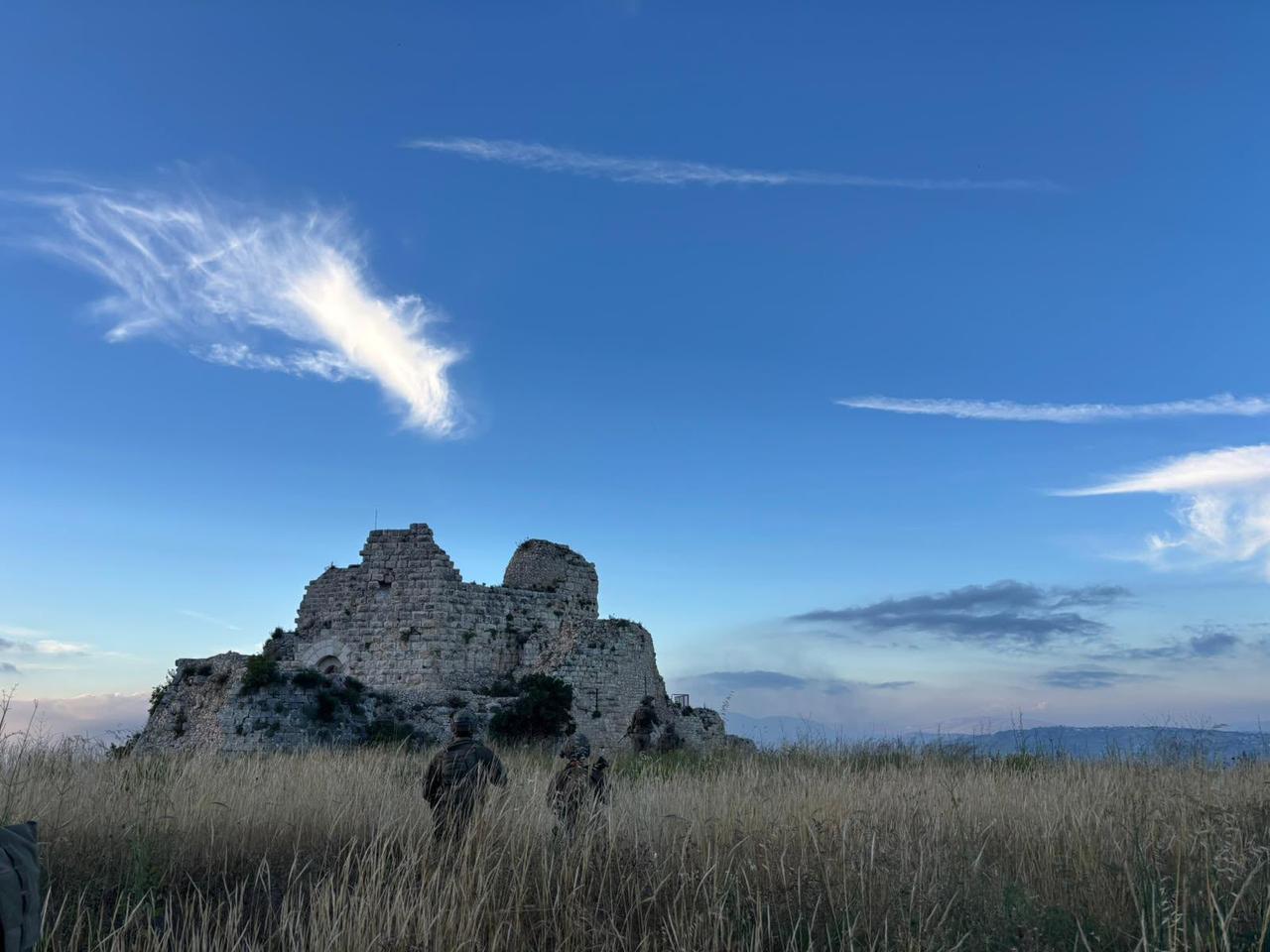
Israeli forces have captured the 12th-century Crusader castle of Beaufort in southern Lebanon.
This strategically commanding hilltop position gives Israel's military a vantage over both the Galilee Panhandle and the Nabatieh district as a large-scale ground offensive advances deeper into Lebanese territory than at any point in over 25 years.
The castle's capture, following days of intense fighting and airstrikes in surrounding villages, marks the most significant territorial gain since the current Israel-Hezbollah war began March 2 and came as Lebanon and Israel held direct talks in Washington and as a nominal ceasefire that took effect April 17 continued to go unobserved by both sides.
The Israeli army's Arabic spokesperson, Avichay Adraee, posted a photograph on X showing Israeli soldiers walking outside the centuries-old fortress.
Israel previously held Beaufort after capturing it in 1982 and withdrew in 2000.

Israeli forces have crossed the Litani River and are now roughly 5 kilometers (3 miles) from Nabatieh, Lebanon's fifth-largest city, a predominantly Shia Muslim urban center with deep organizational ties to Hezbollah, and a hub connecting the coast to Lebanon's mountainous interior.
A Lebanese military source told Türkiye's state-run Anadolu Agency (AA) that Israeli forces had reached the towns of Zawtar al-Sharqiya and Shaqif Arnoun and the outskirts of Choukine, with forces advancing along ridgelines surrounding the city from multiple directions.
Israel has issued a blanket evacuation order for Nabatieh, as well as for the coastal city of Tyre, and declared all of southern Lebanon a conflict zone, ordering anyone remaining to move north of the Zahrani River.
Israeli army spokeswoman Ella Waweya described the operation as aimed at "destroying terrorist infrastructure and eliminating saboteurs, as part of enhancing operational control in southern Lebanon and removing the direct threat to the Galilee Panhandle and the Metula settlement."
She said Israeli forces are "operating in the vicinity of Nabatieh" and are "prepared and ready to expand the attack as required."
The Israeli army claimed that the Beaufort Ridge and Wadi al-Saluki area harbor what it called "significant Hezbollah infrastructure built with Iranian assistance," from which Hezbollah allegedly operated and launched rockets at Israel and at Israeli forces in southern Lebanon.
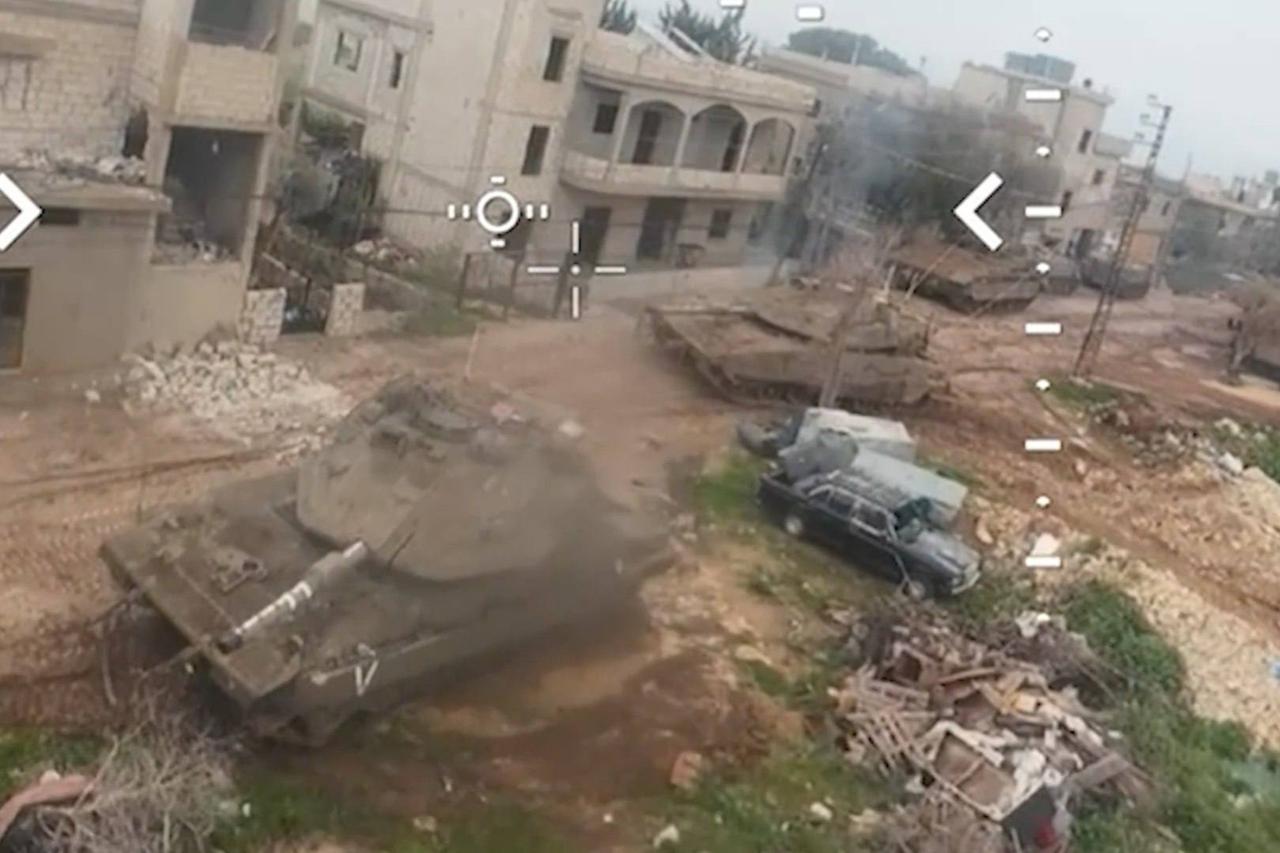
Ahead of the ground push, the Israeli Air Force (IAF) conducted what it described as "massive" strikes on the area, supported by artillery and tank fire.
Hebrew-language public broadcaster KAN reported that Israel had erected bridges over the Litani River and opened new routes for the movement of forces.
An earlier attempt to cross the river two months ago was reportedly halted after troops encountered resistance and ambushes.
Israeli forces now occupy roughly 2,000 square kilometers (770 square miles) of Lebanese territory, nearly 20% of the country.
Lebanese Prime Minister Nawaf Salam rejected the Israeli offensive in blunt terms at a press conference in Beirut on Saturday.
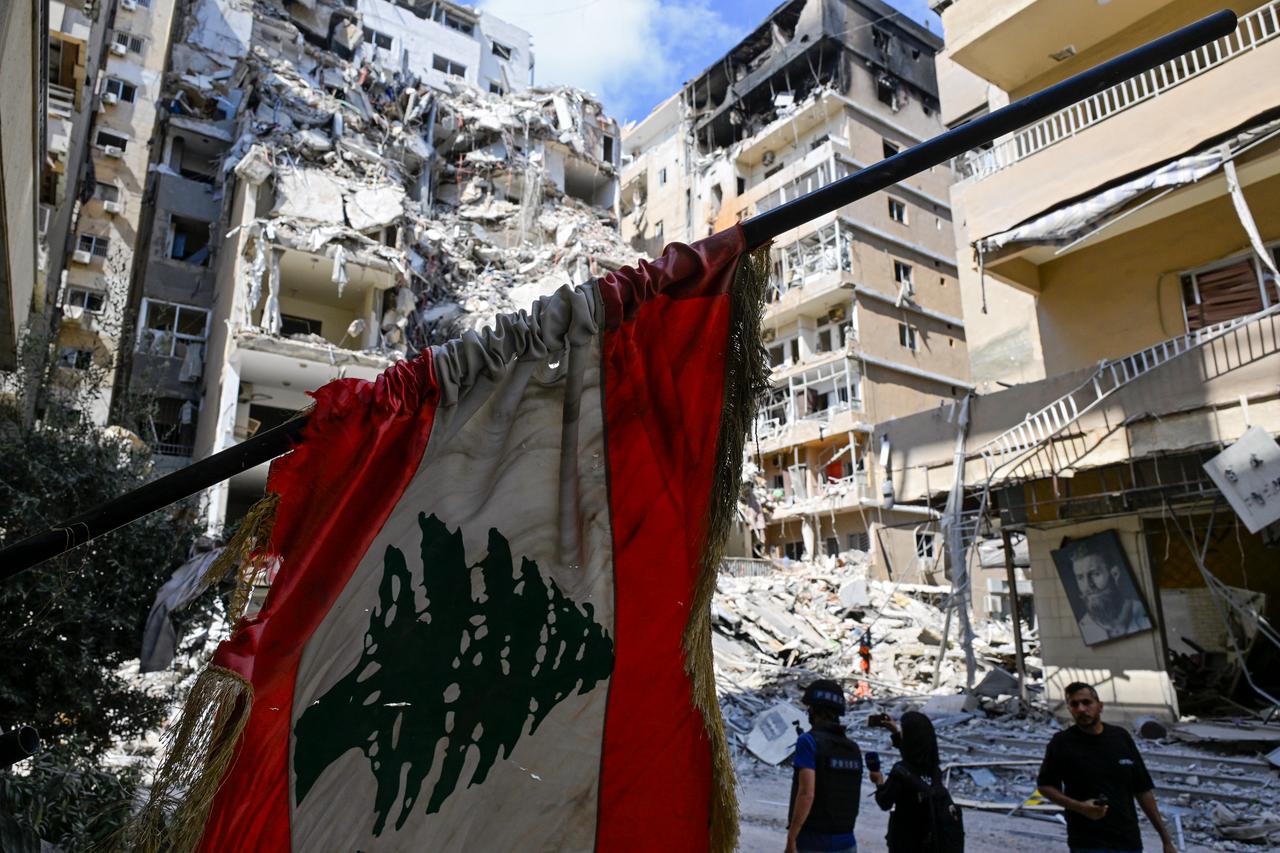
"Israel is pursuing a policy of comprehensive destruction that goes beyond targeting specific locations in Lebanon. What Israel is doing is not only a violation of Lebanon's sovereignty but also an attempt to erase history," Salam said.
"We are facing dangerous and unprecedented Israeli attacks," he noted.
He acknowledged that ongoing U.S.-mediated negotiations between Lebanon and Israel carried no guarantee of success but defended the talks as unavoidable.
"There is no guarantee that the negotiations will succeed, but this is the least costly option for Lebanon and our people. Does negotiation mean surrender? No. The professional work of the negotiating team is aimed at securing a ceasefire," he said.
An Israeli soldier was killed Saturday night in a Hezbollah drone attack in southern Lebanon.
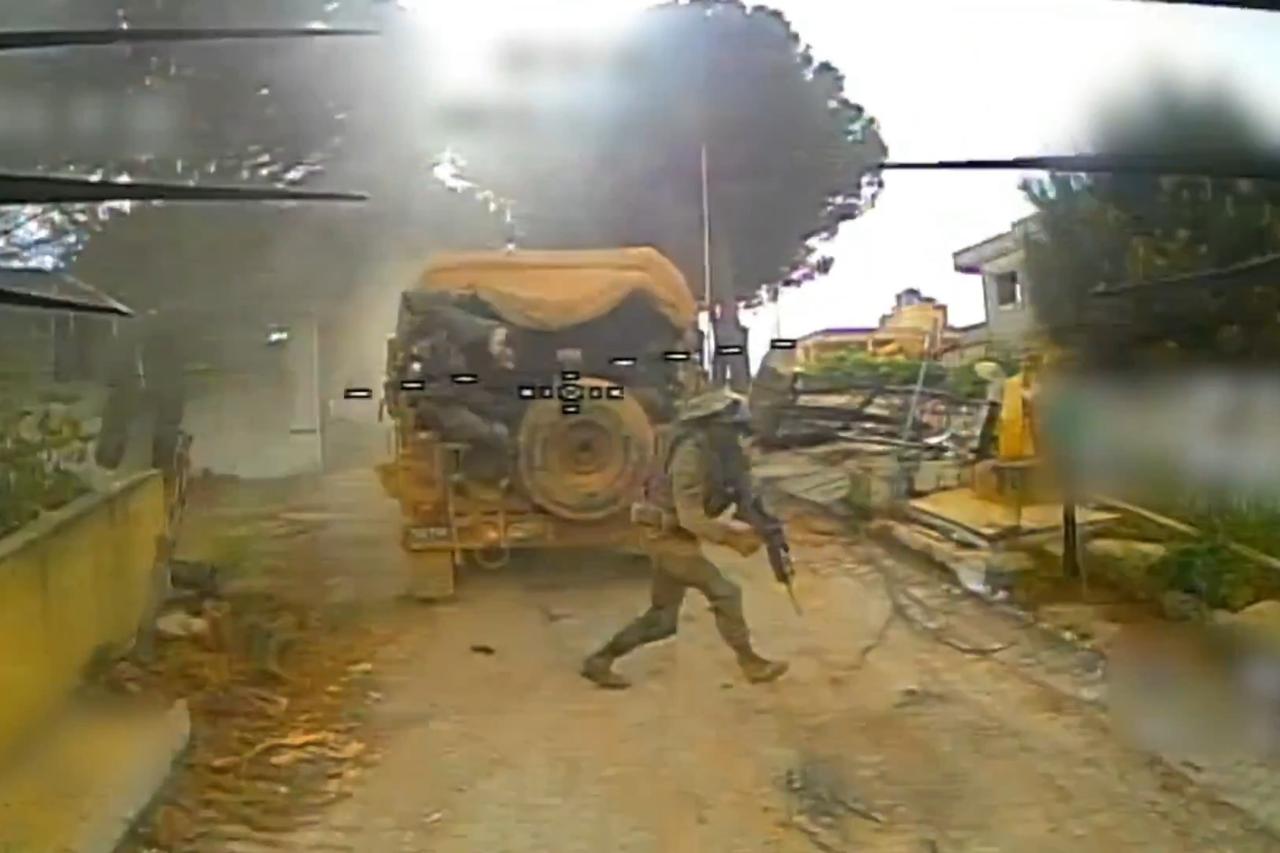
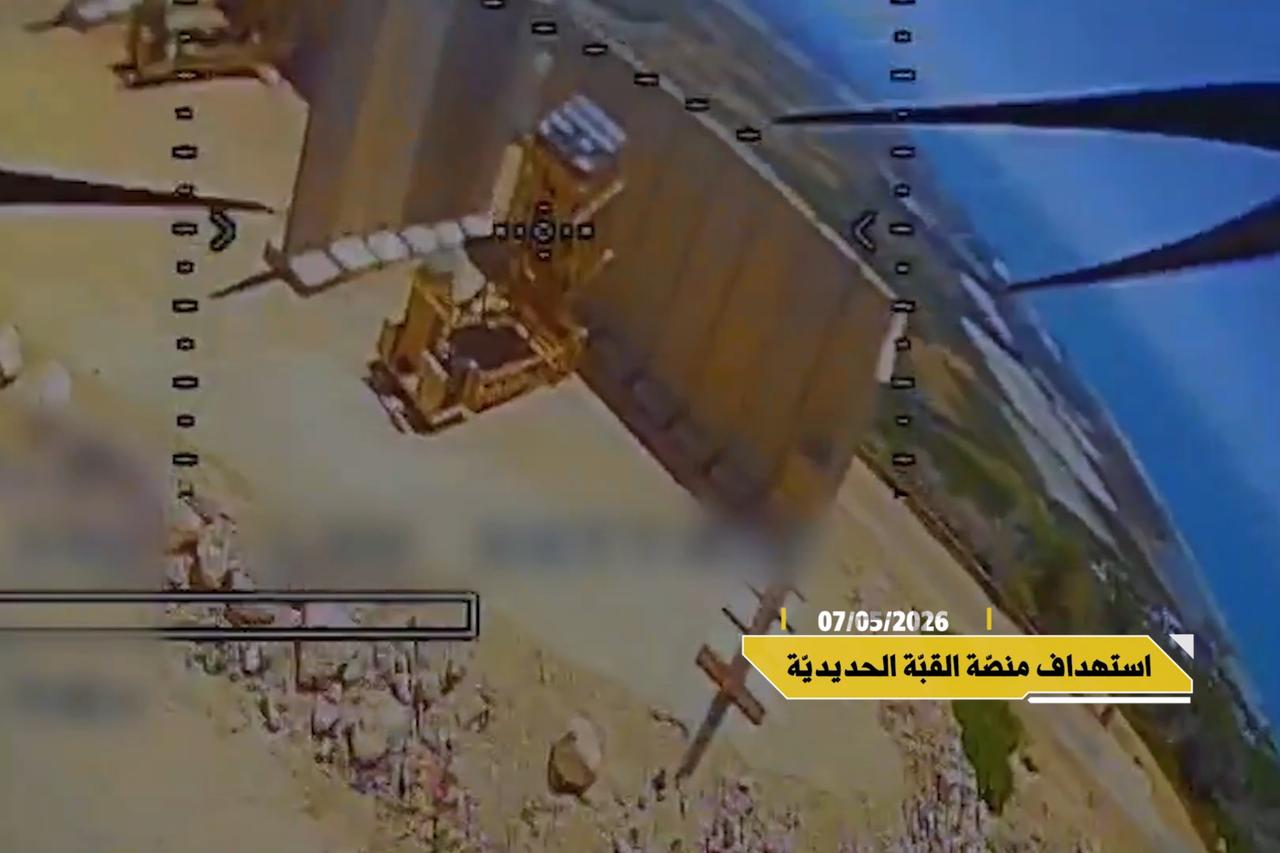
Staff Sgt. Michael Tyukin, 21, of the Givati Brigade's Reconnaissance Unit, from Ashkelon, was struck by a first-person view (FPV) drone at approximately 10:30 p.m. as soldiers were operating at a position in the south. Four other soldiers were lightly wounded and taken to the hospital.
The Israeli army identified Tyukin as the 12th soldier killed since the April 16 ceasefire took effect, with nine of those 12 deaths caused by Hezbollah FPV drones.
He is also the 950th Israeli fatality across all fronts since October 7, 2023.
The war in Lebanon gained a new level after March 2, when Hezbollah fired rockets into northern Israel, two days after the U.S. and Israel struck Iran. Since then, 3,371 people have been killed in Lebanon and more than 1 million displaced, according to Lebanese official figures.


 Set as preferred source
 Set as preferred source


 1 min read
 1 min read