Newsletters




The Israeli Air Force struck targets in the "heart of Tehran" for the first time Sunday, a day after joint U.S.-Israeli attacks killed Supreme Leader Ali Khamenei, as the military said it had conducted large-scale operations to establish aerial superiority and "pave the path to Tehran."
"For the first time since the start of Operation Roaring Lion, the Israeli army is striking targets that belong to the Iranian terror regime in the heart of Tehran," the Israeli military said.
"Over the past day, the Israeli Air Force conducted large-scale strikes to establish aerial superiority and to open the way to Tehran," the statement noted.
Tehran's state television was also attacked.
The Israeli military said it targeted at least 30 sites in western and central Iran in its Sunday strikes, hitting "aerial defense systems, missile launchers, regime targets, and military command centers," the Israeli military said on X.
Two U.S. officials confirmed to CBS News that the U.S. and Israel had launched the second volley of strikes following Saturday's initial attack.
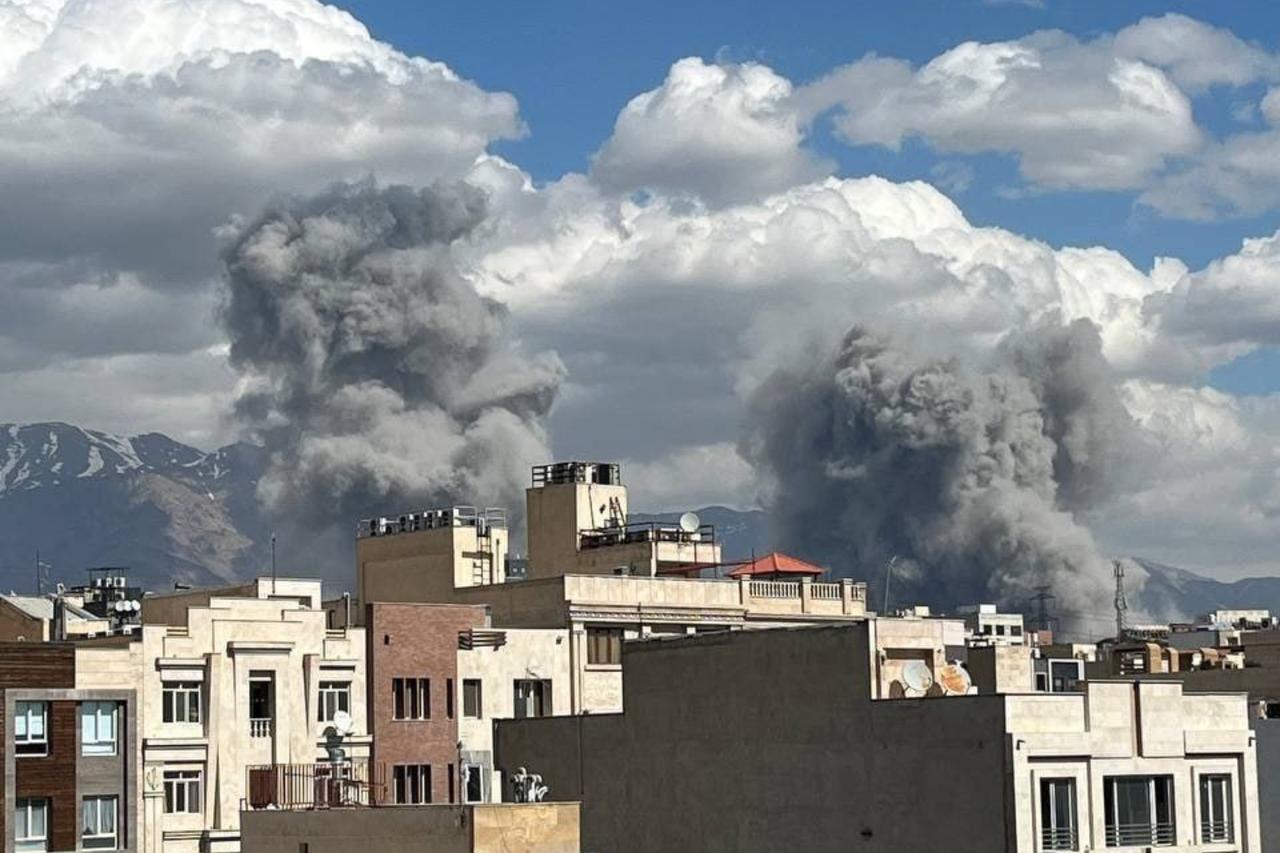
An Anadolu Agency (AA) correspondent in Tehran reported successive explosions across the city, with strikes hitting northern and eastern districts and smoke rising from multiple impact points.
Images on social media showed large clouds of dense smoke rising from several areas of the capital.
Iranian authorities had not yet commented on the latest strikes on Tehran.
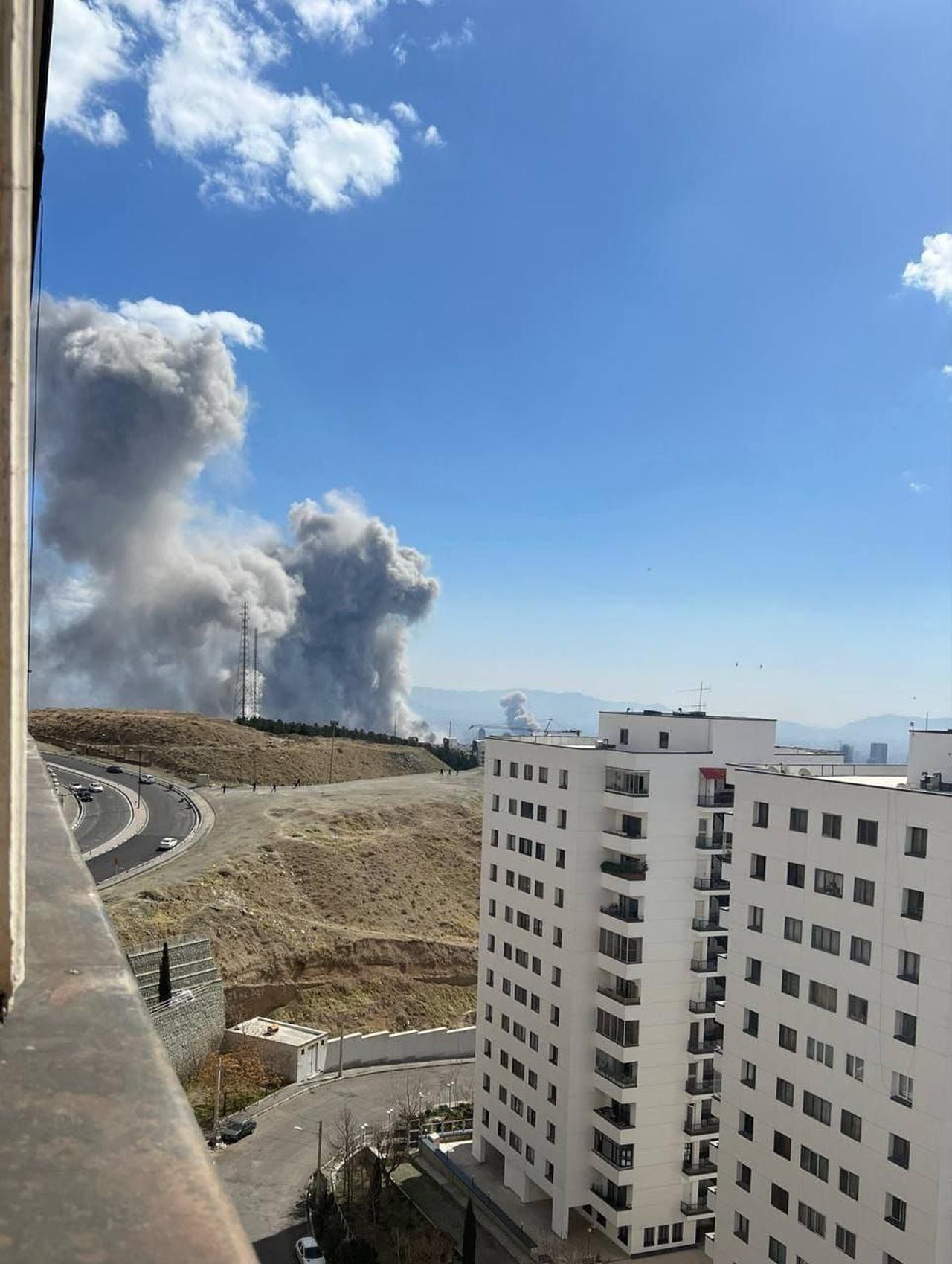

The Iranian Red Crescent reported that U.S.-Israeli strikes were carried out near a Red Crescent building and multiple hospitals in Tehran, raising concerns about civilian infrastructure being affected by the intensifying bombardment.
The strikes on the capital came as Iran's Red Crescent had already reported 201 deaths and 747 injuries across 24 Iranian provinces from Saturday's attacks.
 Breaking News, Direct to You.
 Follow Türkiye Today on WhatsApp
for real-time updates and key insights from Türkiye and beyond.
Follow Türkiye Today on WhatsApp
for real-time updates and key insights from Türkiye and beyond.
Israel's Home Front Command said it had mobilized approximately 20,000 reservists over the past 24 hours to assist civilians following Iranian missile attacks.
This is in addition to the 70,000 reservists called up Saturday, bringing the total mobilization to approximately 90,000 in the first two days of the conflict.
The additional reservists were deployed to bolster Home Front Command forces across the country as Iranian retaliatory barrages continued to trigger sirens across Israel.


 Set as preferred source
 Set as preferred source


 3 min read